TICKETSNo ticket information confirmed
Carleton is a rural ruin rather than a staffed visitor attraction. No ticket or managed opening information has been confirmed.
 Castle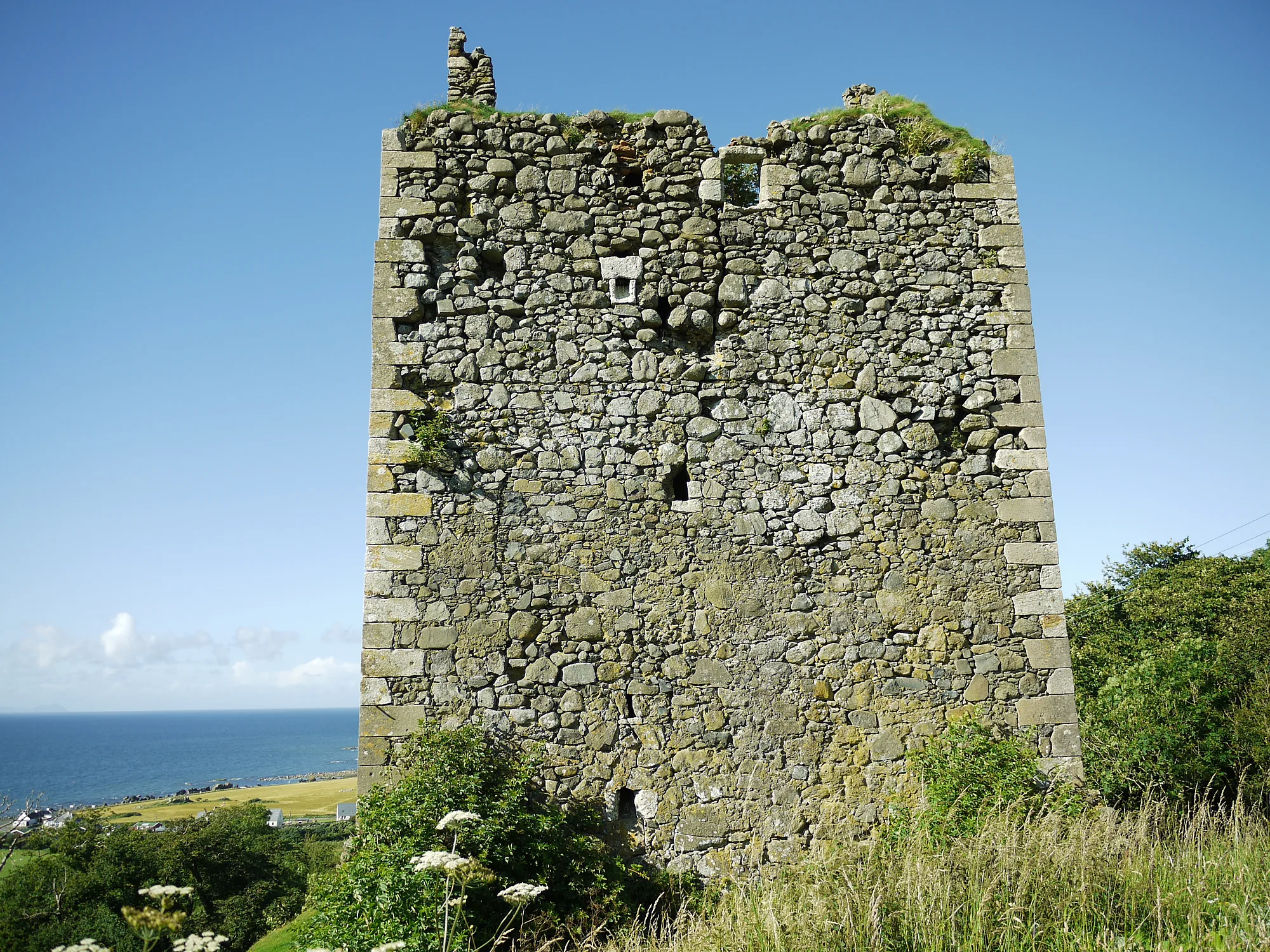
THE RUIN ABOVE THE BAY · LENDALFOOT
A ruined tower above the sea. A legend darker than its history.
PLAN YOUR VISIT
Carleton Castle, Lendalfoot, South Ayrshire
Carleton is a rural ruin rather than a staffed visitor attraction. No ticket or managed opening information has been confirmed.
Exterior viewing · private setting. Carleton is not a managed visitor attraction. Respect gates, livestock and local signs, and do not enter unstable masonry. No managed interior access has been confirmed.
Parking information
Public parking is listed at Varyag Memorial, Lendalfoot, KA26 0JG. A walking route to the ruins is not verified. Do not block farm access.
Parking sources checked · 11 October 2026
No step-free route has been confirmed. Expect uneven ground and an uphill approach.
One for ruin hunters rather than a conventional castle day. The surviving tower is small, but the coastal setting, nearby motte and May Colvin legend make the stop far more interesting than the masonry alone suggests.
WHAT TO EXPECT
01 / THE STORY
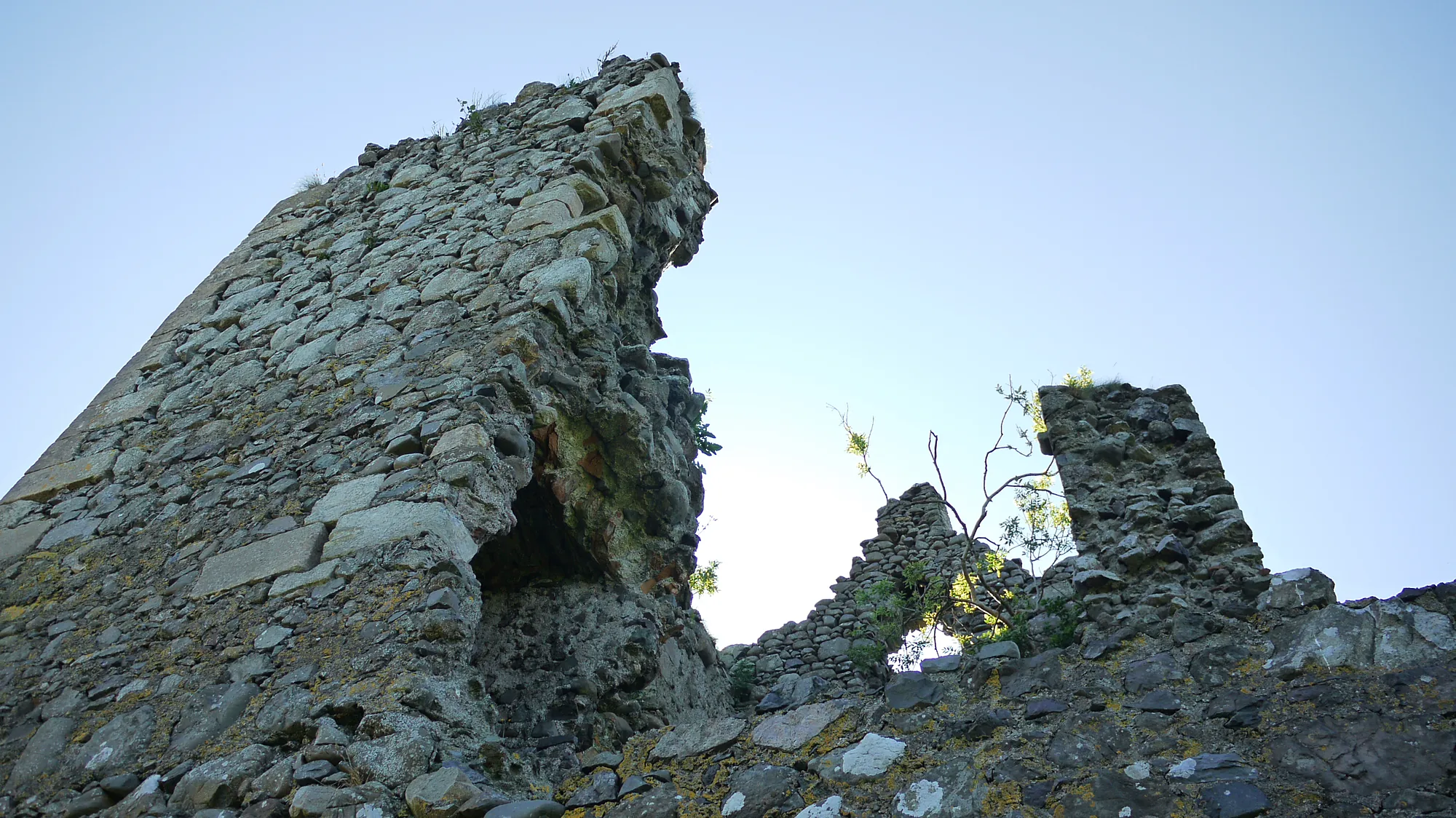
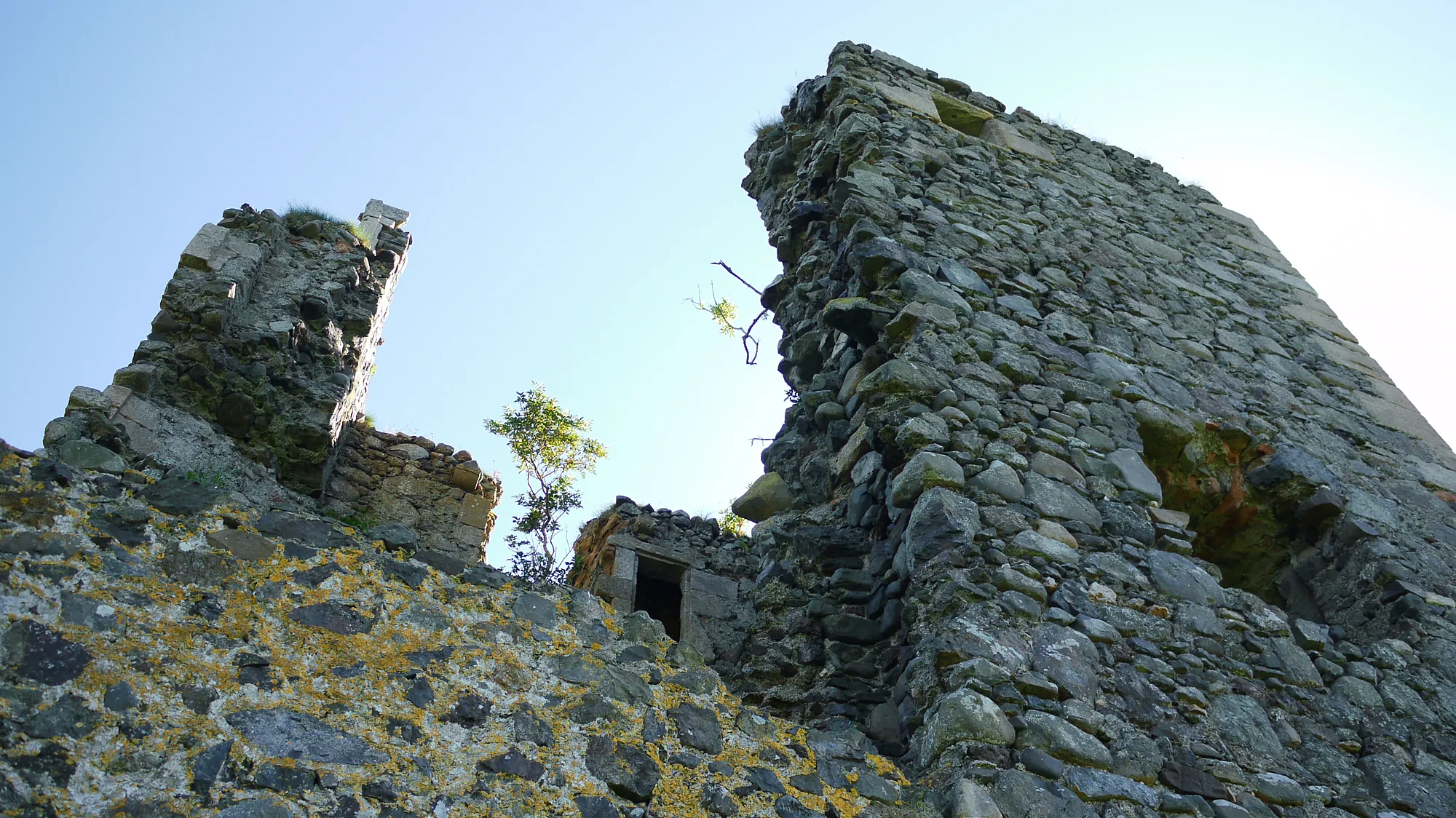
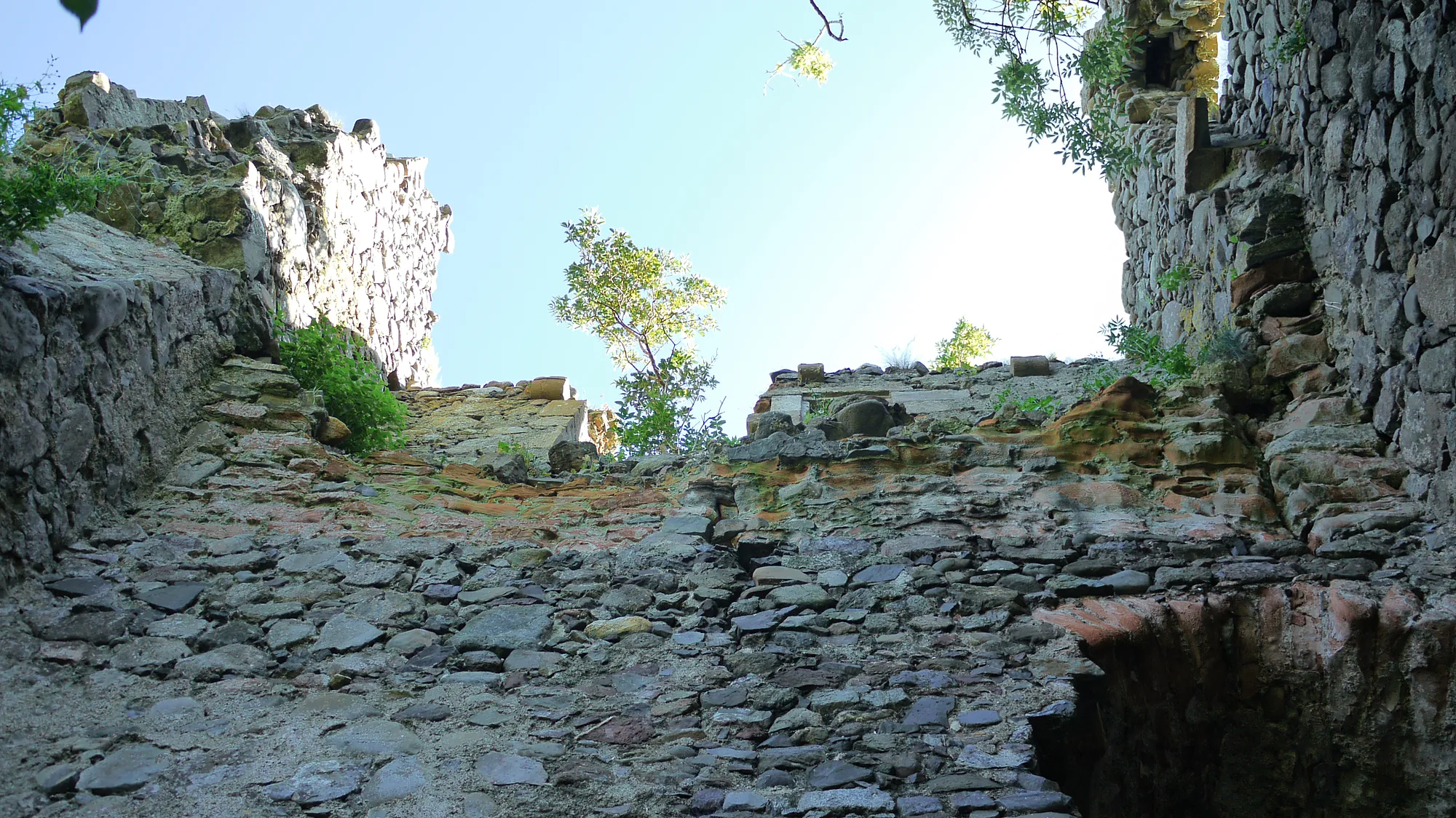
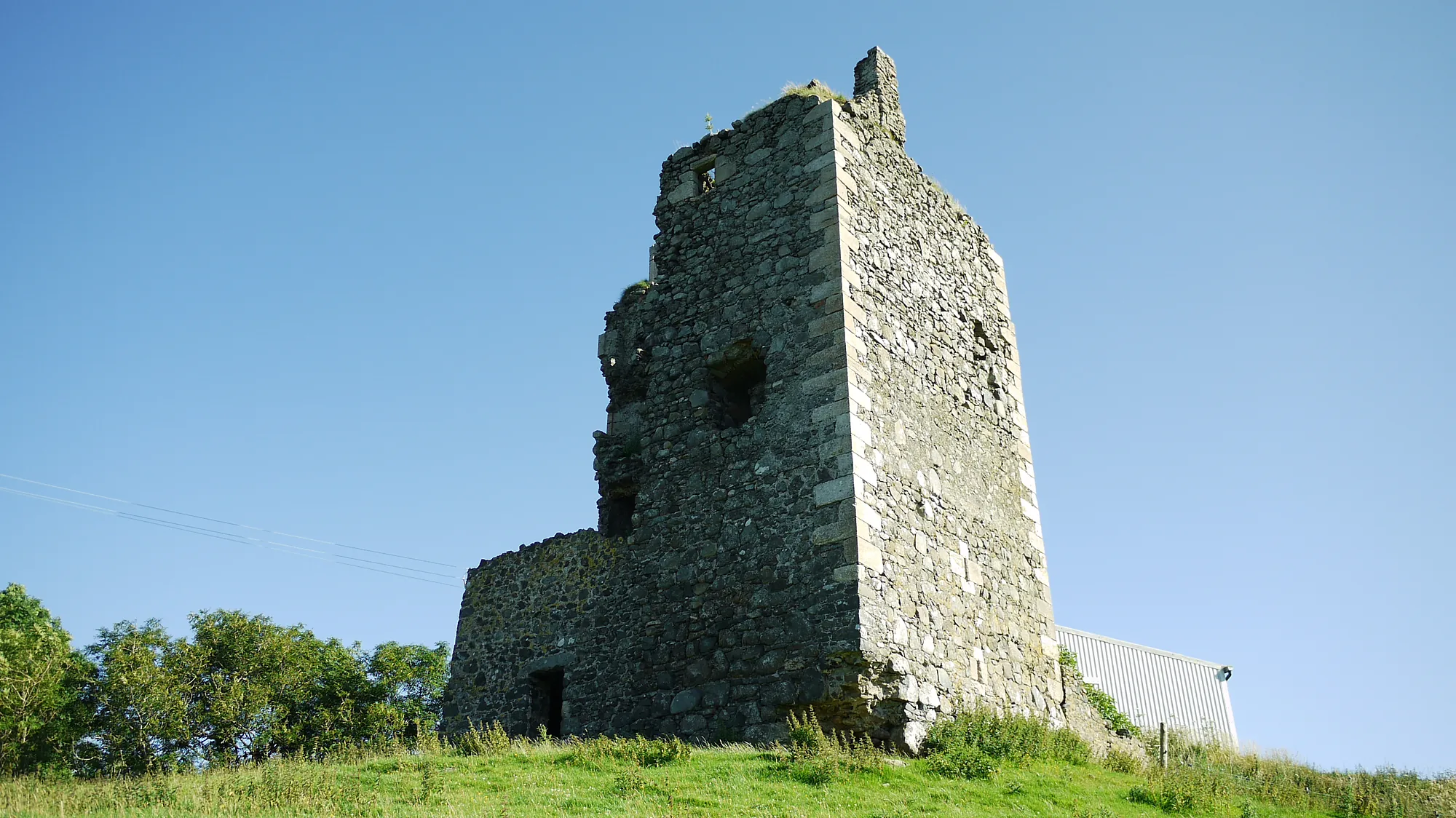
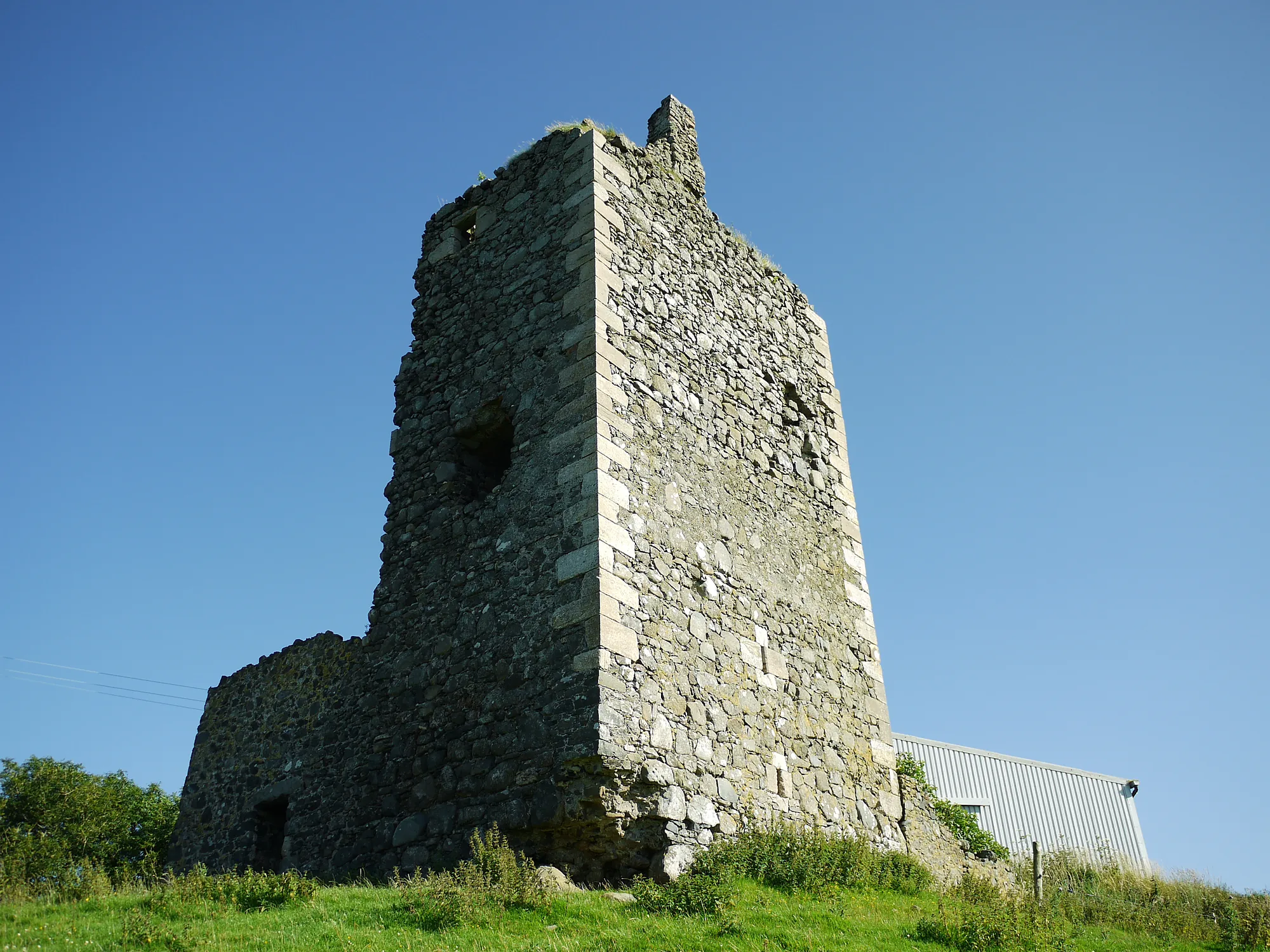
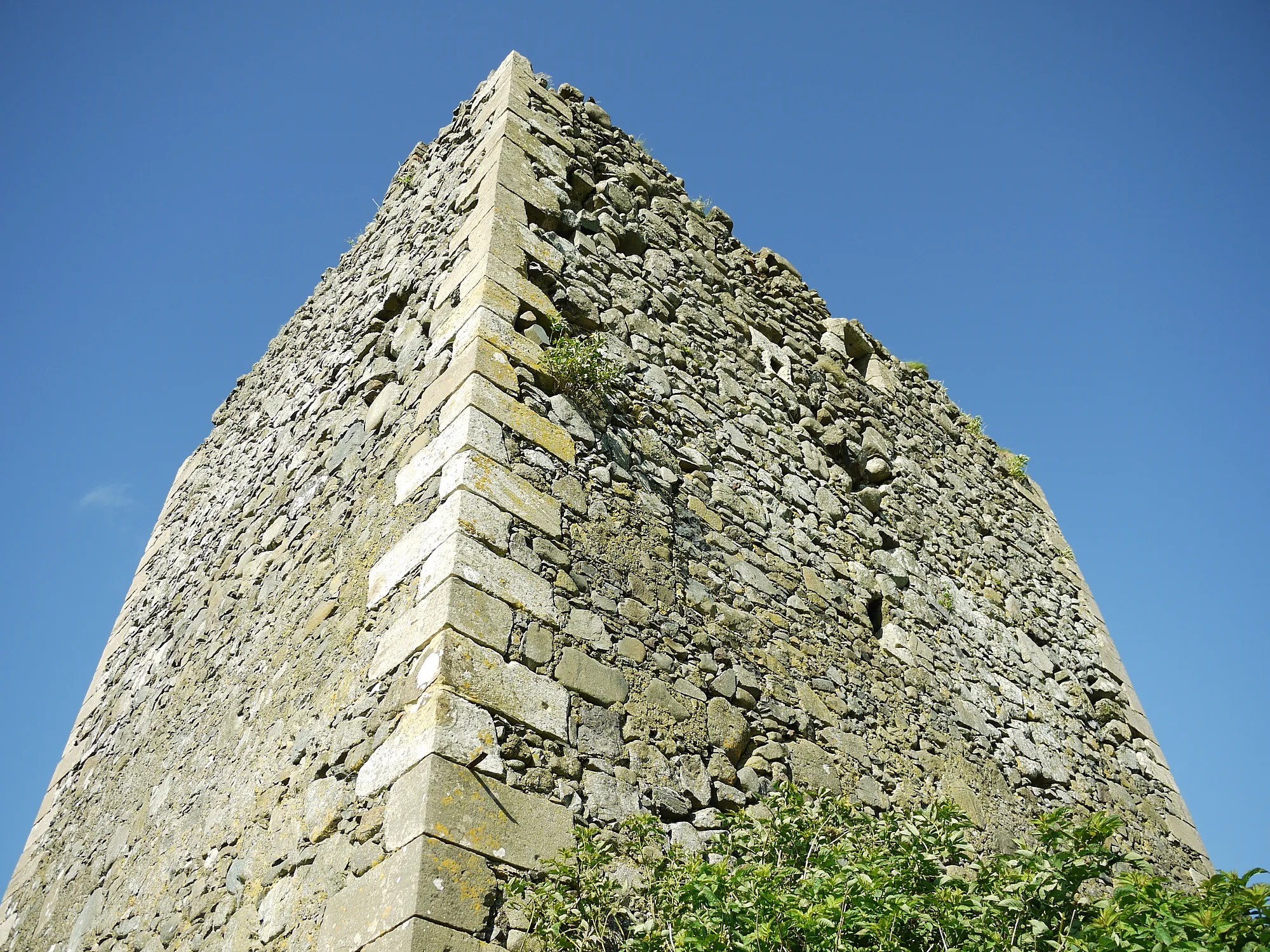
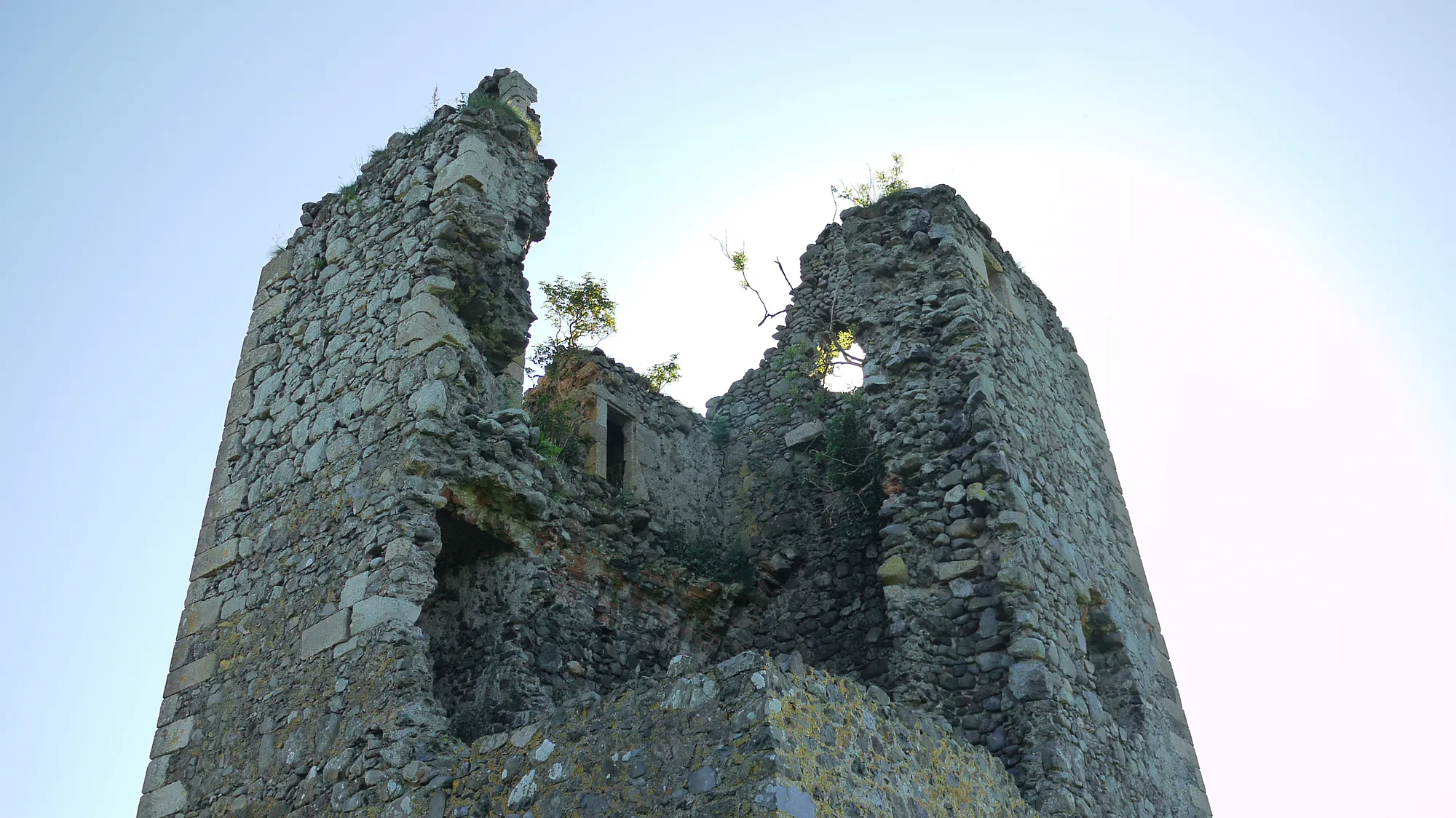
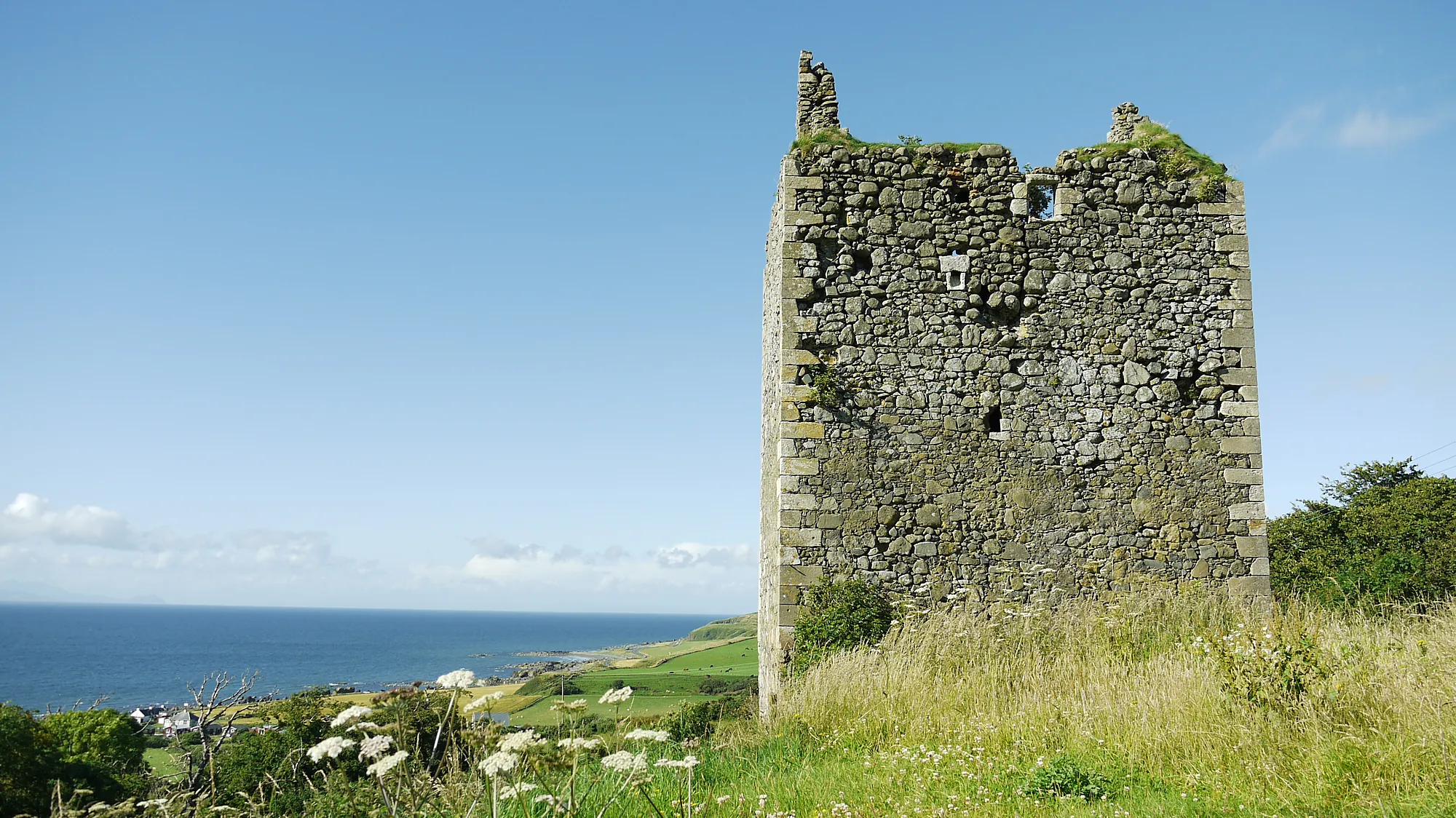
High above the coast at Lendalfoot stands the broken shell of Carleton Castle, a compact tower house probably built during the fifteenth century for the Cathcarts of Carleton.
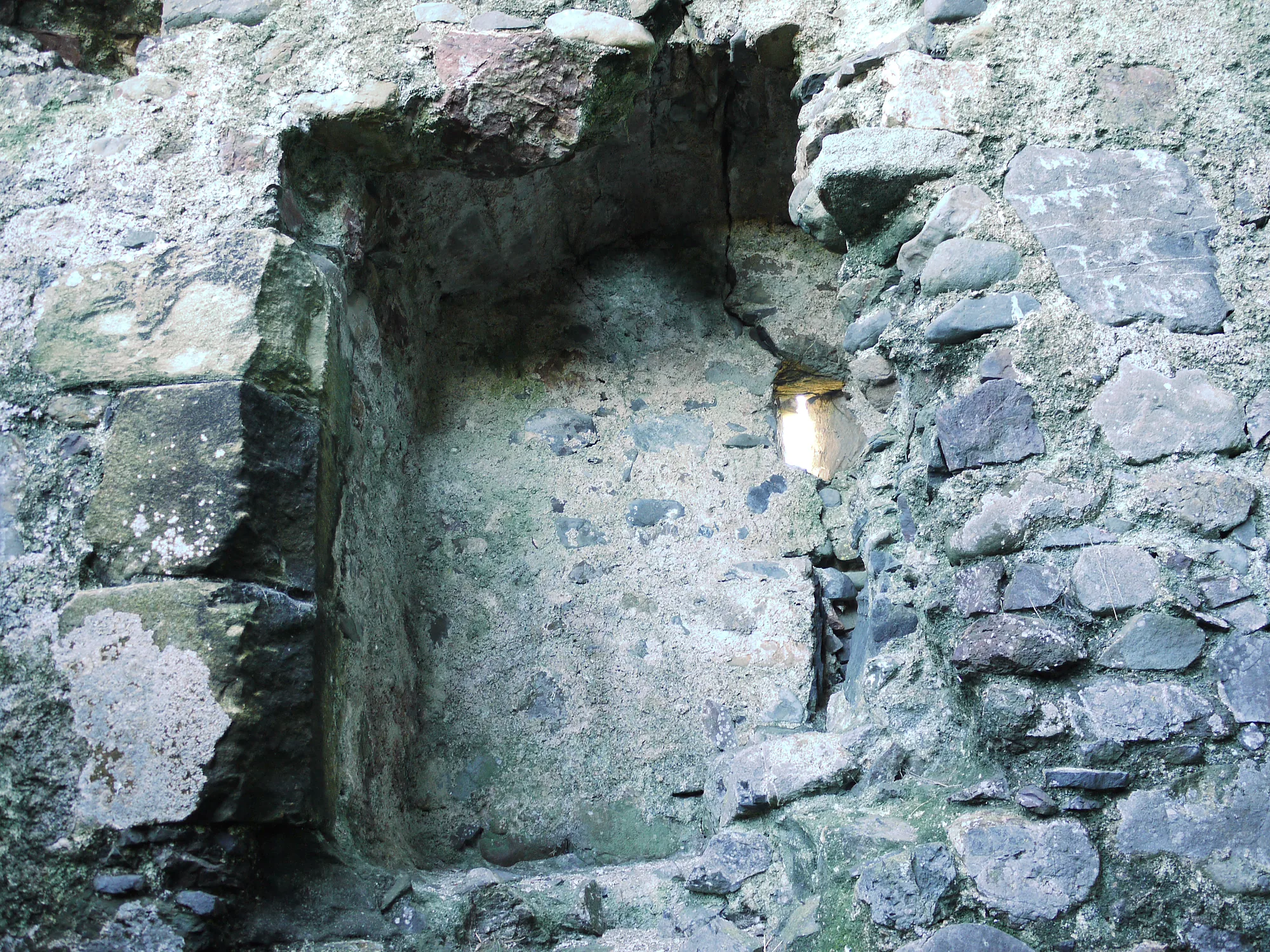
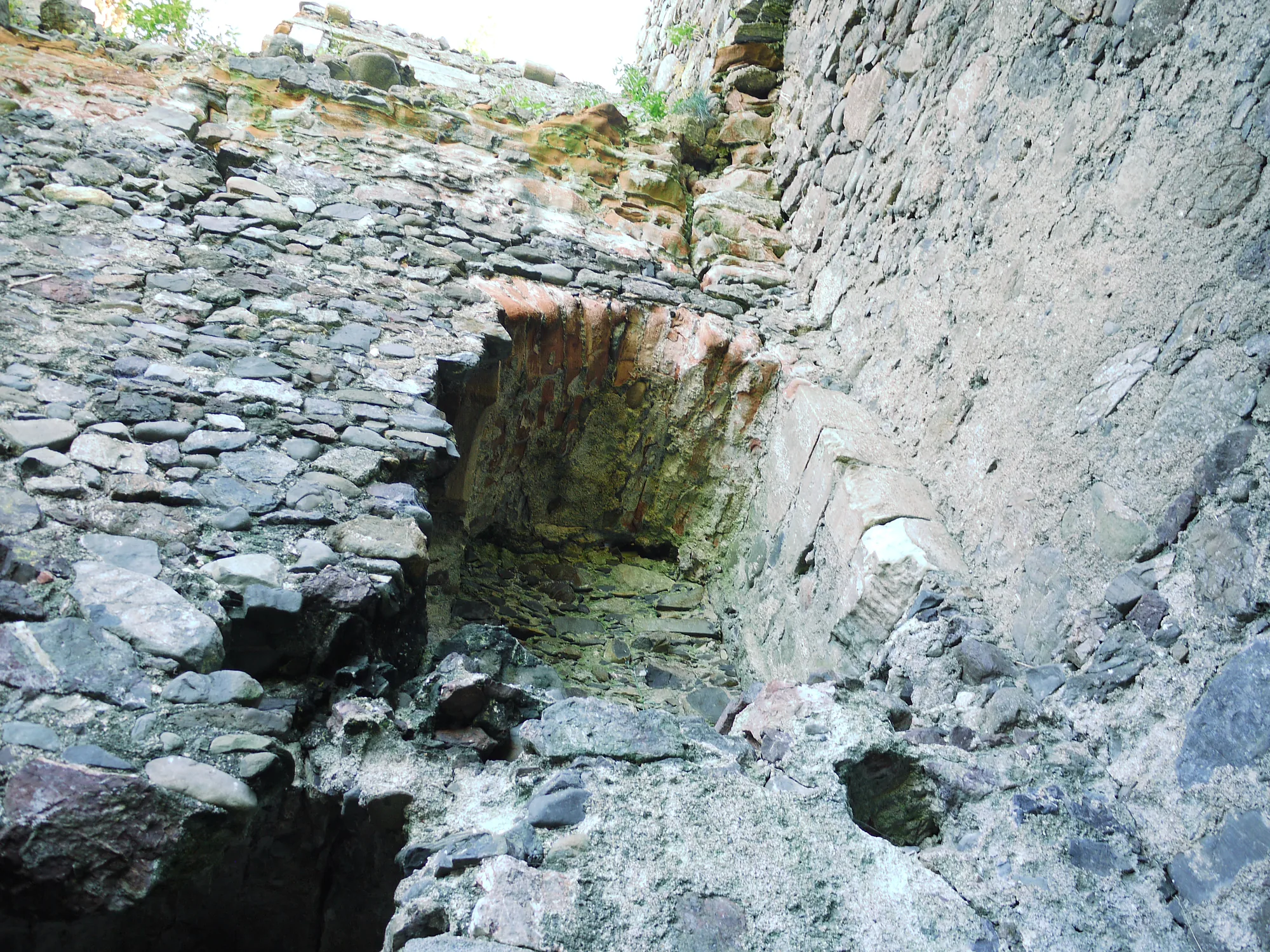
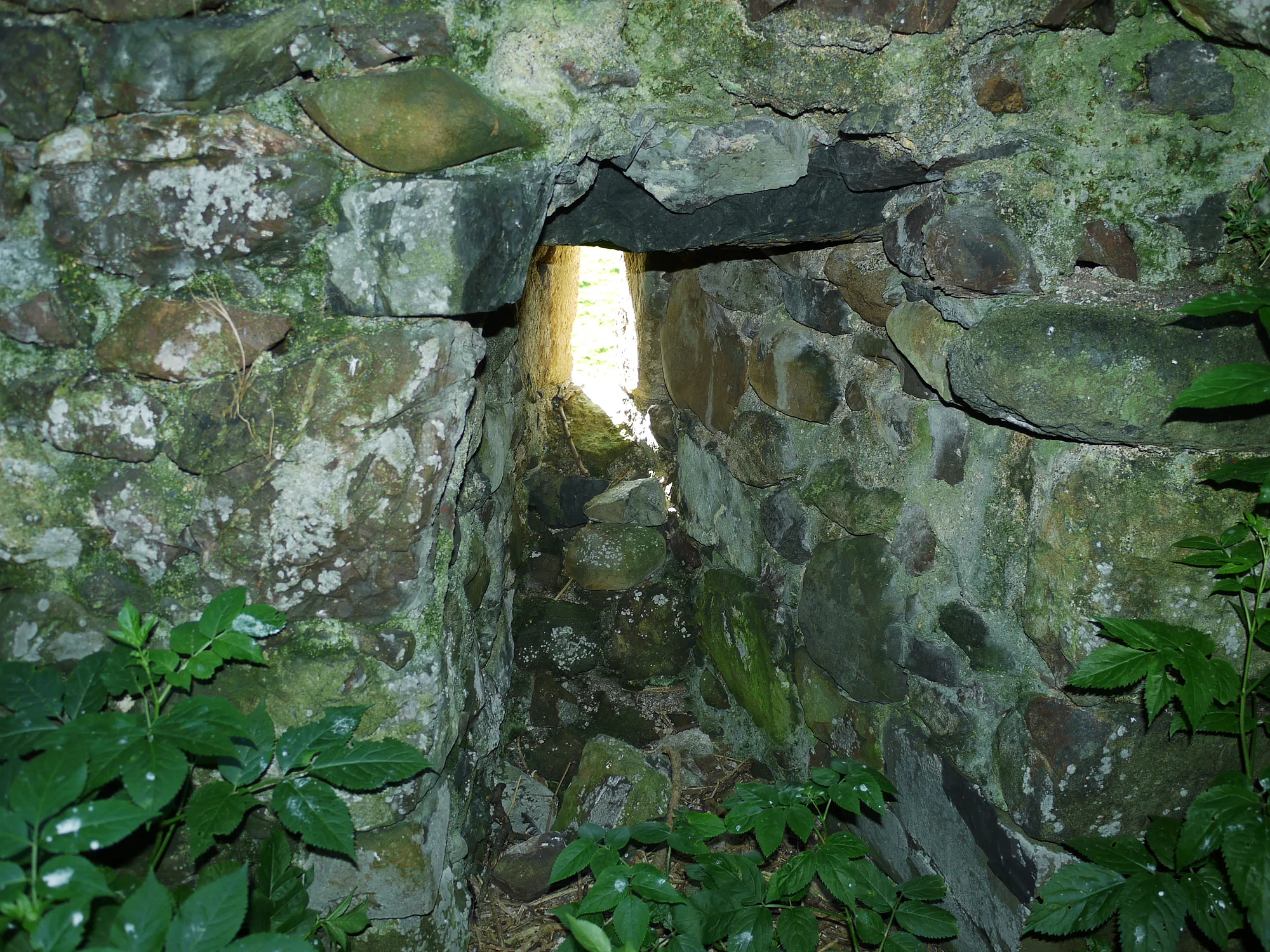
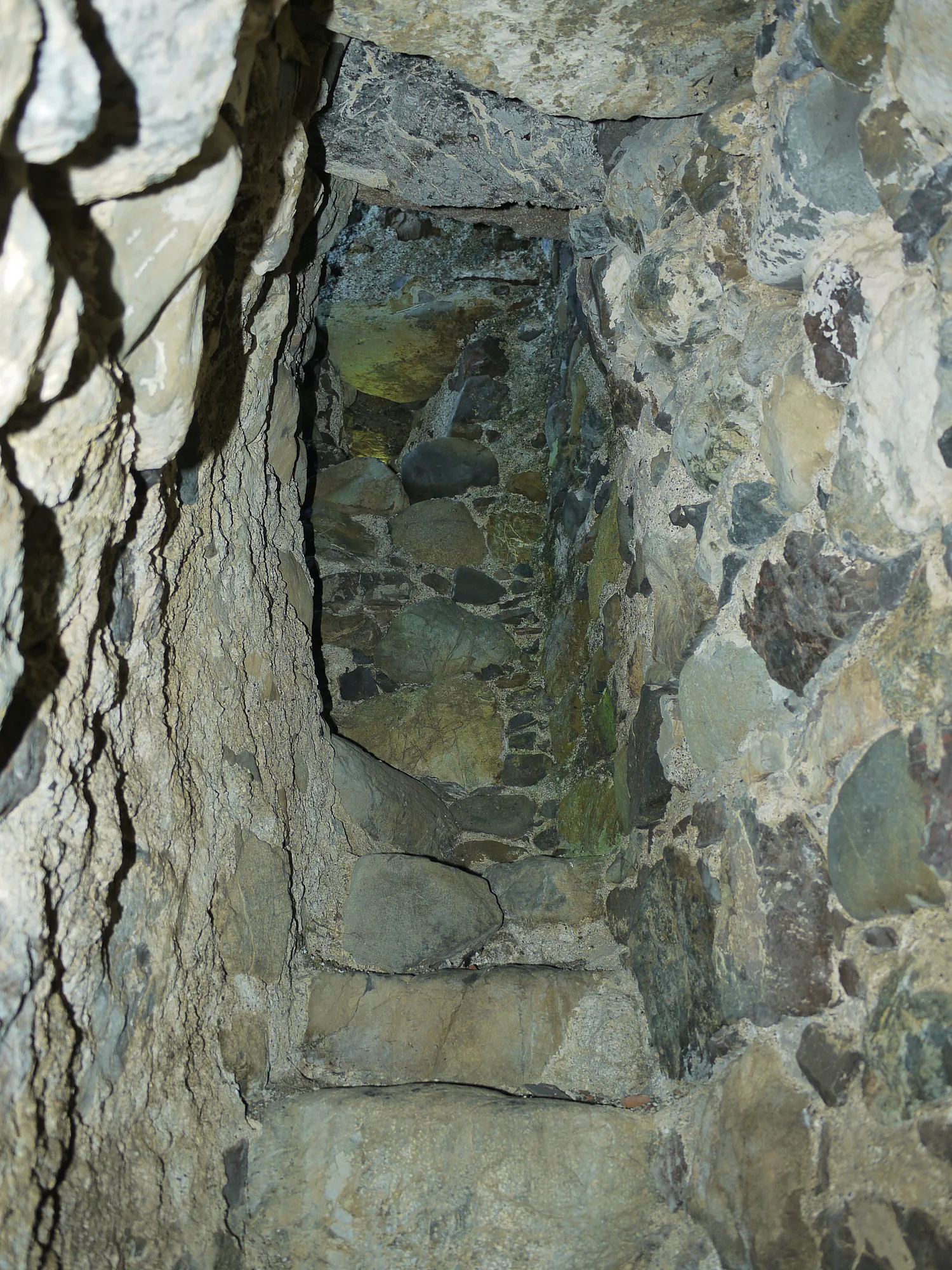
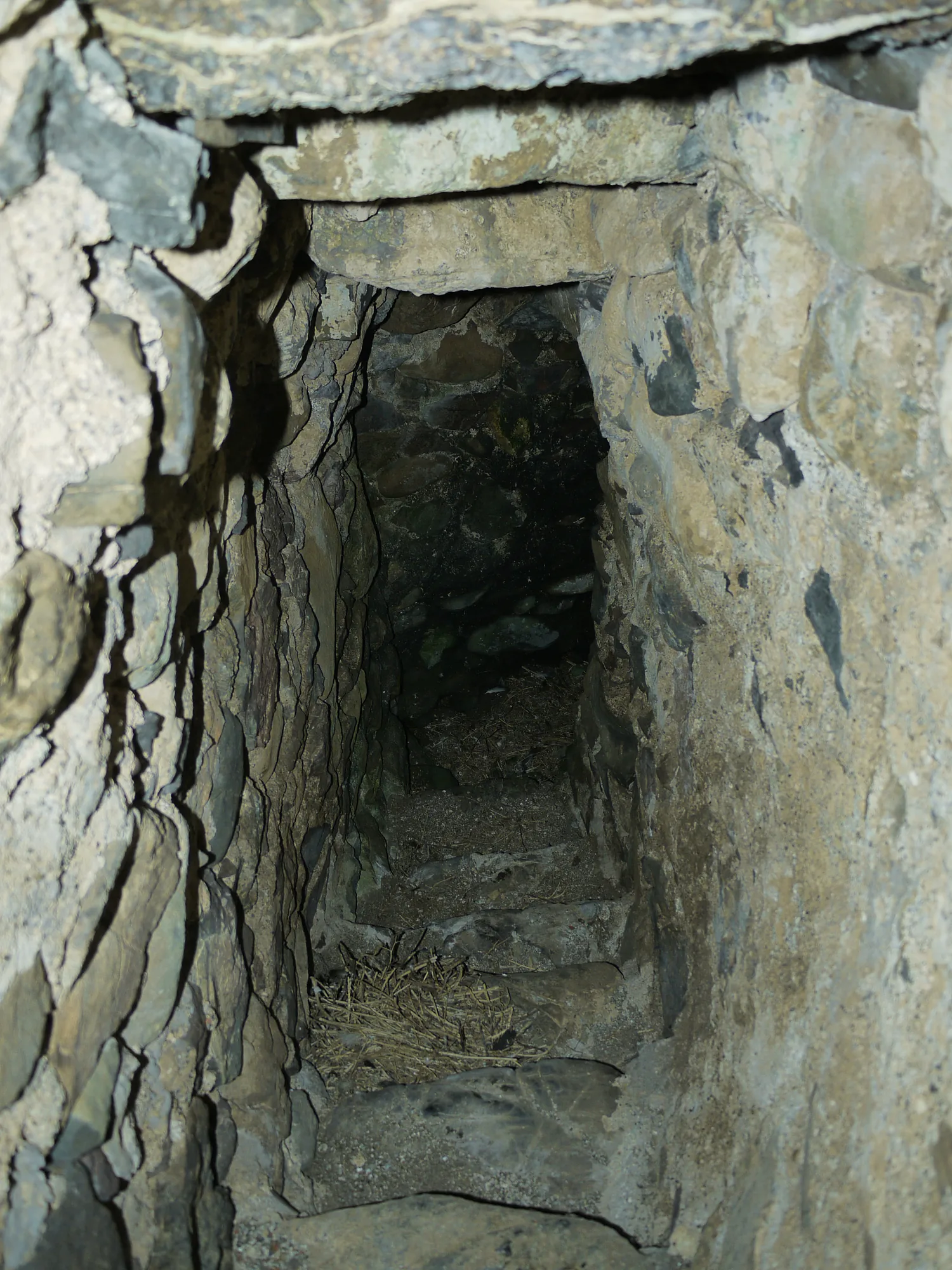
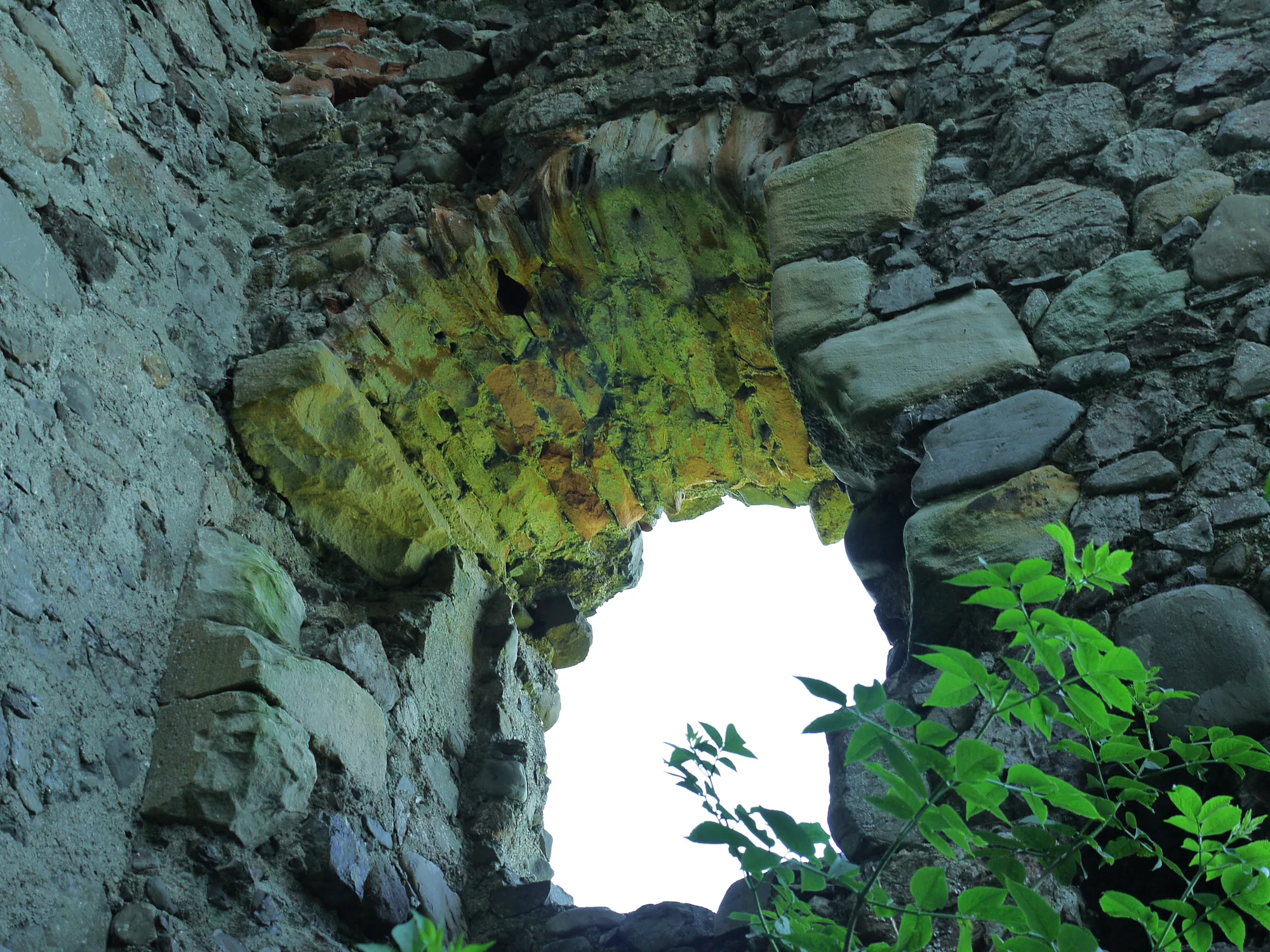
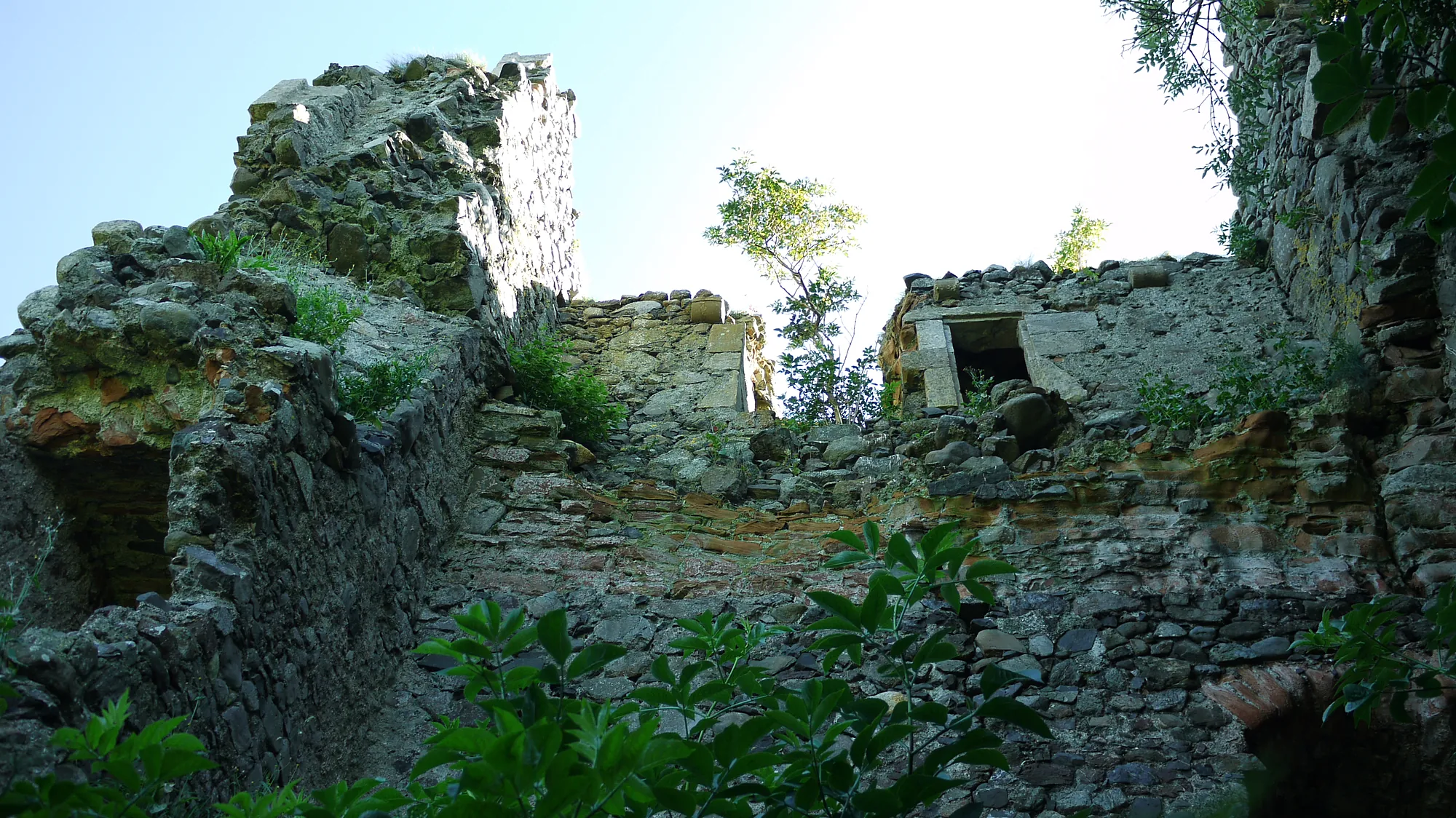
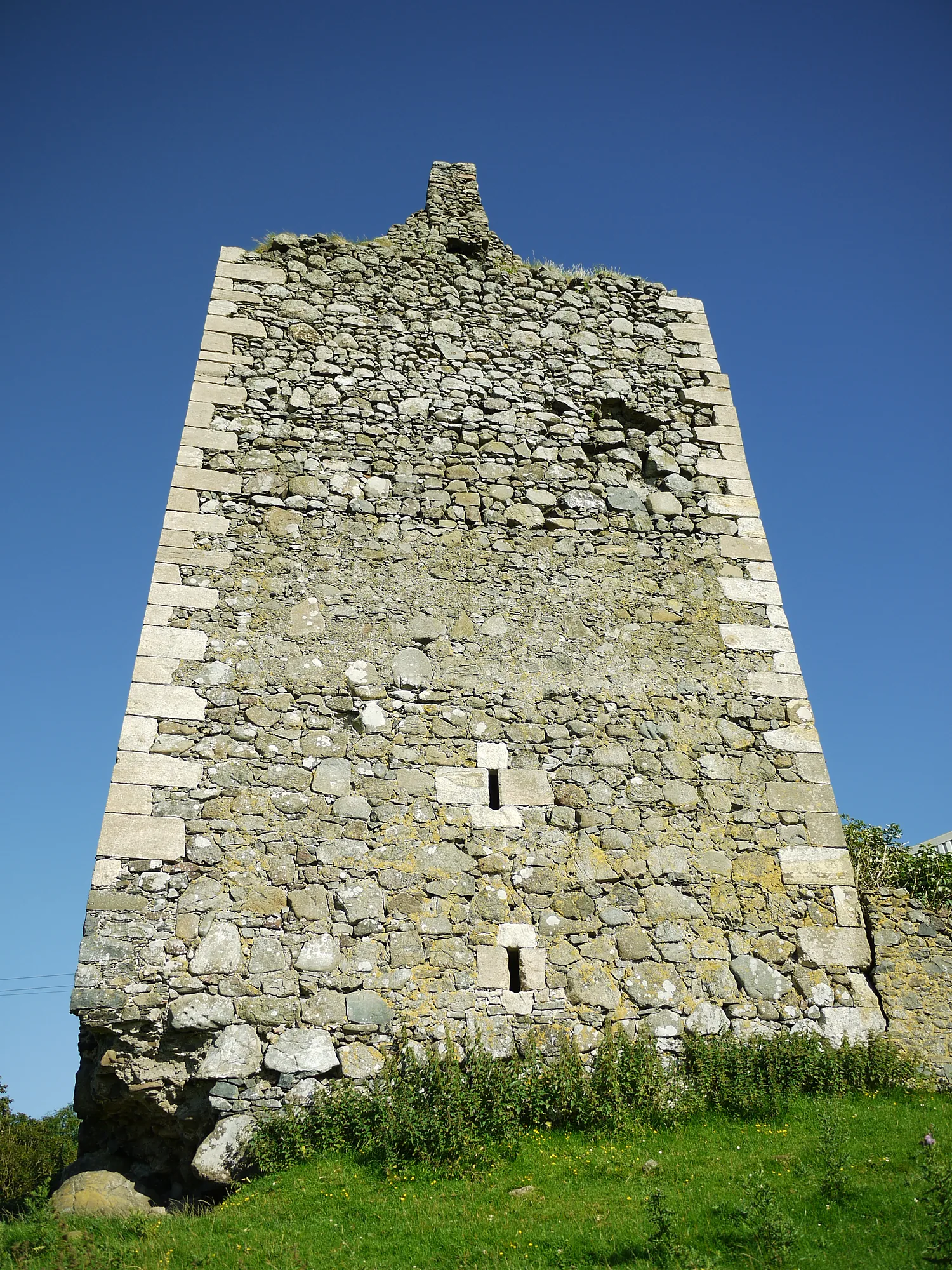
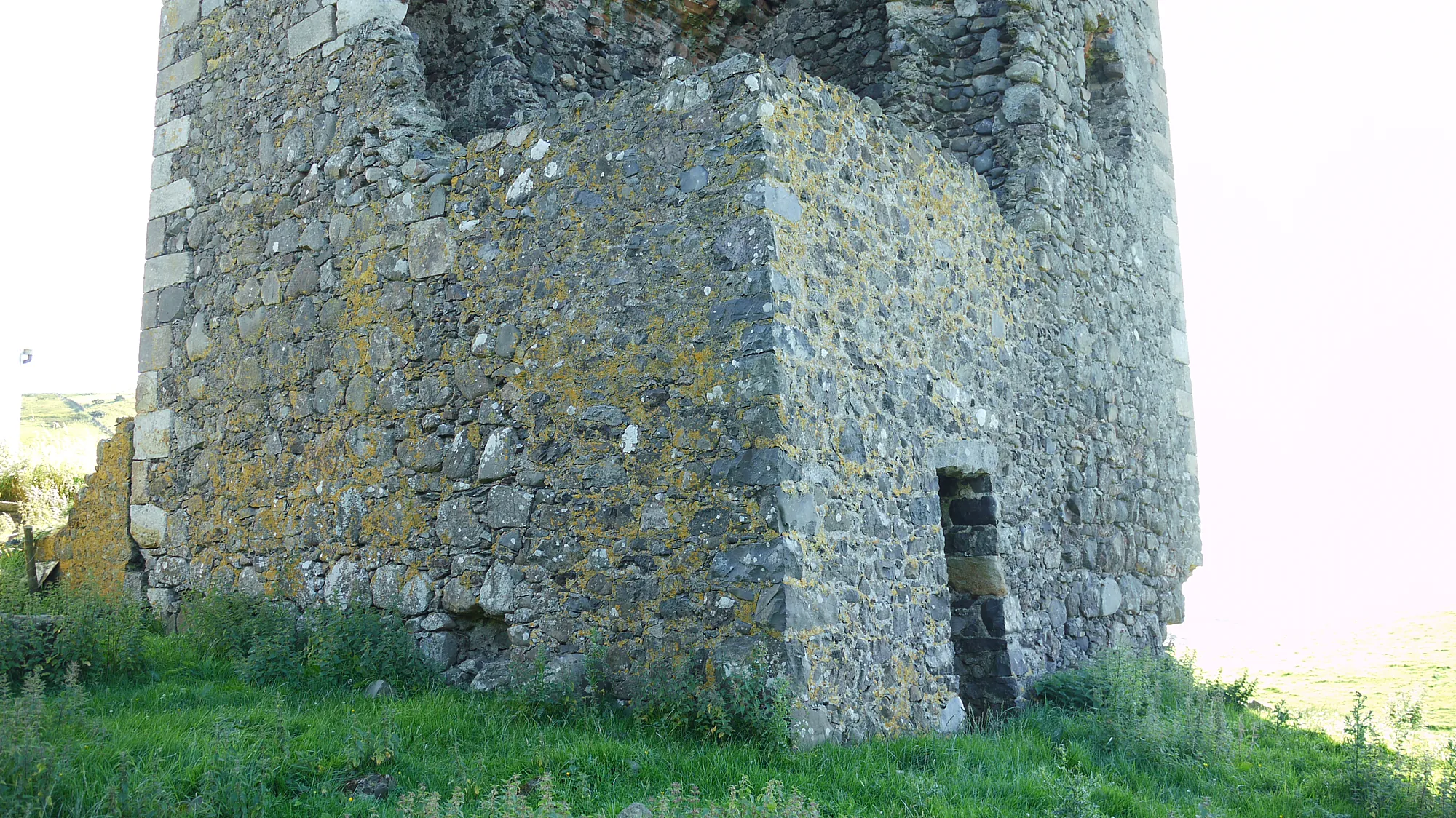
The tower once rose through at least five levels. Its walls were around 1.8 metres thick, while vaulted spaces occupied both the lower part of the tower and the level of the great hall. The original entrance appears to have been raised above ground level, allowing access by a removable timber stair or ladder.
Although only part of the tower survives, the castle was once more than the isolated ruin seen today. Traces recorded around it indicate a walled courtyard, or barmakin, occupying the ground between two small burns. Nineteenth-century investigators also noted evidence for small towers at its corners.
The Cathcart family had deep roots in Carrick. Surviving family papers in the National Records of Scotland preserve medieval charters and a substantial series of documents concerning Carleton and Killochan.
One particularly useful record dates from 26 June 1496, when a legal act concerning Alan Cathcart was completed “at the manor of Carltone”. It provides a rare documentary glimpse of Carleton as an established family seat around the period in which the surviving tower was probably standing.
Carleton’s defensive story may be older than the stone tower. Only around 60 metres east of the castle is the Little Carleton motte, a substantial earthwork now protected as a Scheduled Monument. RCAHMS measured it at up to 5.5 metres high, with a roughly 23.5 by 19 metre summit and traces of a surrounding ditch.
Whether the stone tower directly replaced this earlier timber stronghold cannot be proved, but the two monuments show that this small hillside above Lendalfoot was important long before the surviving castle reached its final form.
02 / VISUAL JOURNAL
Photos by zamki-szkocji.com
10 of 21 photographs
01 / THE STORY CONTINUES
Local tradition identifies the castle with the ballad of May Colvin, or May Collean. In the Ayrshire version, False Sir John repeatedly marries wealthy women and takes them to the cliffs at Games Loup, where they meet their deaths. His final intended victim realises what is about to happen and turns the tables, sending him over the cliff instead.
It is a dark piece of Carrick folklore, but not reliable biography. May Colvin belongs to a much wider family of European folk tales, catalogued as Child Ballad No. 4, Lady Isabel and the Elf Knight. Versions place the events in different parts of Britain; the association with Carleton, Games Loup and the Kennedy family of Culzean developed as part of the local tradition.
There really was a John Cathcart of Carleton. National Records of Scotland, however, records that he lived at Killochan, married Helen Wallace and died in 1612. The surviving documentary evidence does not establish the murderous career later given to False Sir John.
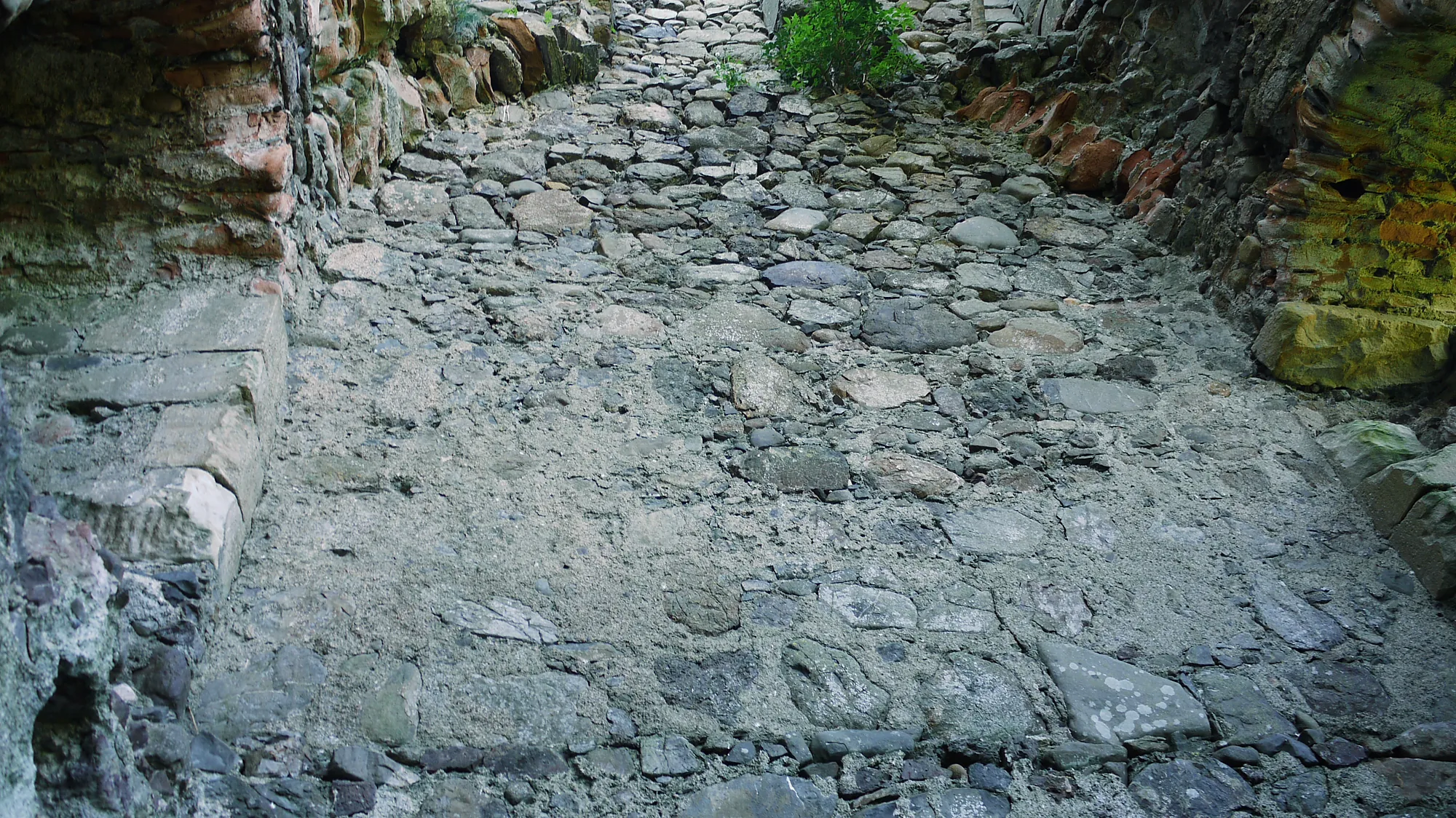
Carleton is now a roofless and heavily reduced ruin. Historic Environment Scotland records the remains of the vaulted ground floor and hall, while nineteenth-century surveys show that considerably more fabric survived before further collapse.
It is the combination that makes Carleton memorable: a lonely medieval tower, the earthwork of an earlier stronghold only metres away, the sea below and one of Ayrshire’s darkest pieces of folklore attached to the hillside.
03 / MOMENTS IN STONE
The five-storey tower house is probably constructed for the Cathcarts of Carleton. The small surviving ruin once belonged to a substantial tower house with two vaulted levels.
A legal document is completed at the manor of Carltone, recording Carleton as a Cathcart seat. The act was completed on 26 June.
Carleton Castle is designated a Category B Listed Building. The listing dates from 14 April.
08 / EXPLORE NEXT
Find Scottish castles by region, landscape or the stories that bring them to life.
 Ayrshire & ArranLaw Castle
  Ayrshire & ArranBothwell Castle
  Ayrshire & ArranBarr Castle