TICKETSFree exterior viewing
There is no staffed entrance or routine admission to the interior. The tower door is normally locked.
 Castle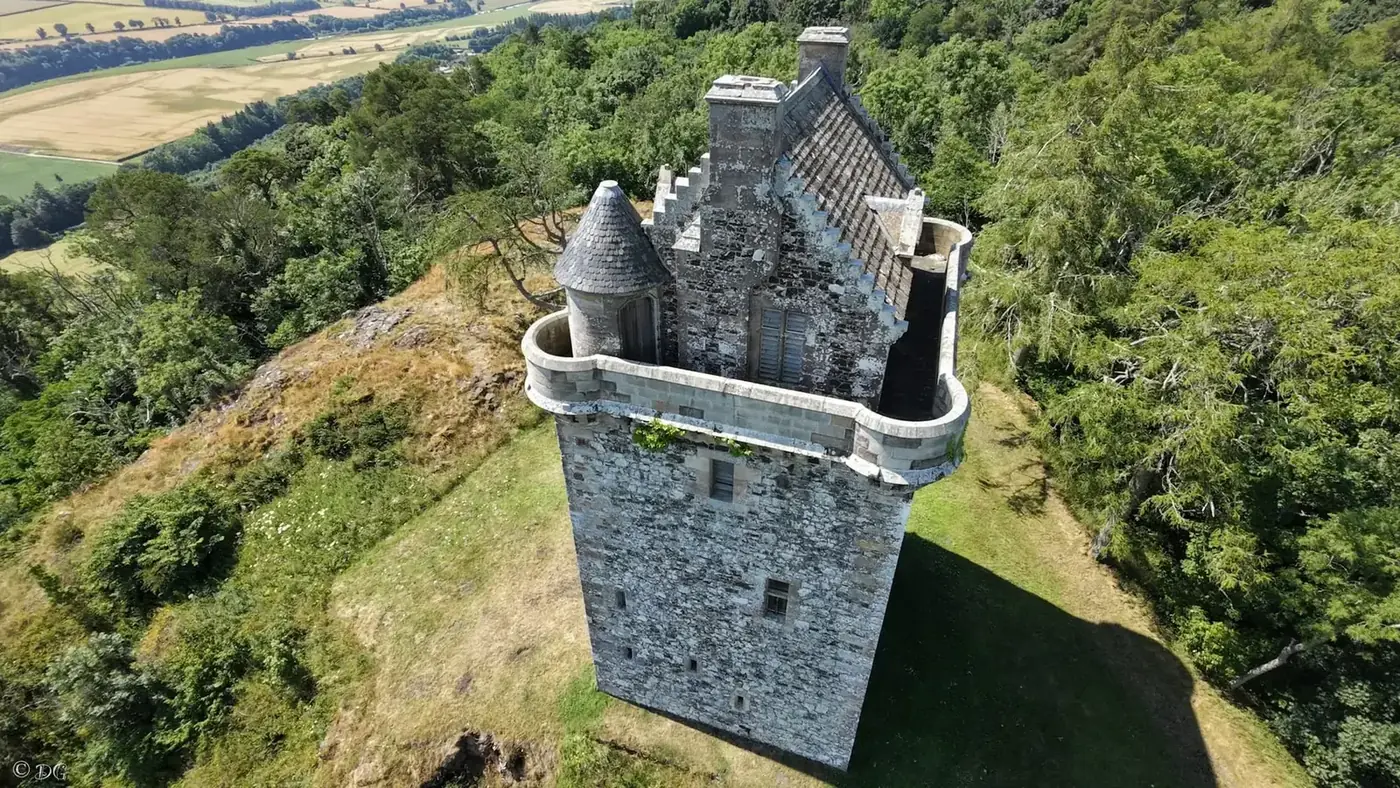
FIELD GUIDE · SCOTTISH BORDERS
A Scottish castle story. Read through its landscape.
PLAN YOUR VISIT
Minto Craigs, near Denholm, Scottish Borders
There is no staffed entrance or routine admission to the interior. The tower door is normally locked.
The route crosses private land. Respect gates, signs and any temporary restrictions, and check conditions before setting out.
Parking information
There is a small informal parking area at the path start below Fatlips. The castle's directions say to park well off the road. Leave gates and tracks clear; the path is steep and slippery.
Parking sources checked · 11 October 2026
The final path is uneven and can be muddy, with rocks and nettles. It is not suitable for wheelchairs or visitors who need a level route.
A rewarding Borders walk for wide views, an unforgettable name and a clear story of how restoration can become part of a castle’s identity.
WHAT TO EXPECT
01 / THE STORY
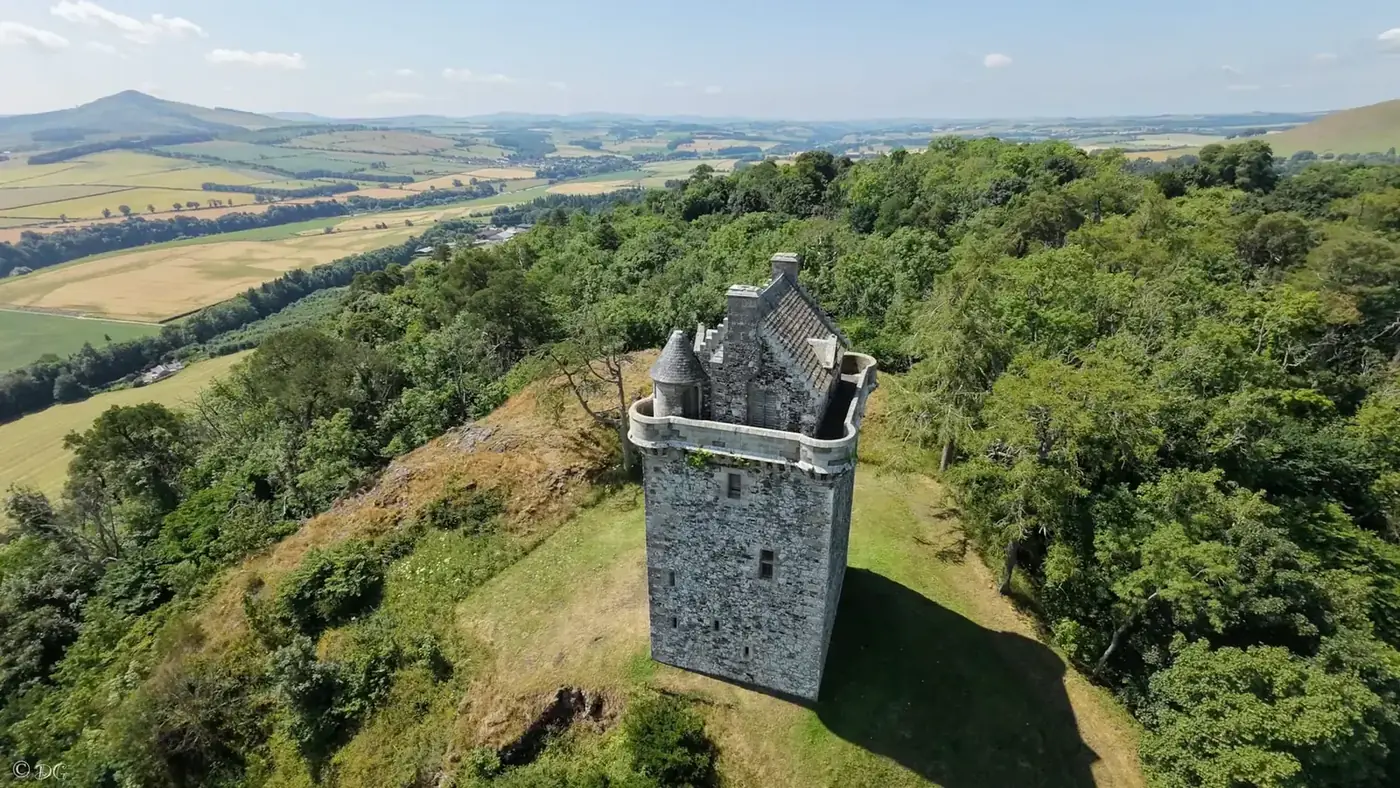
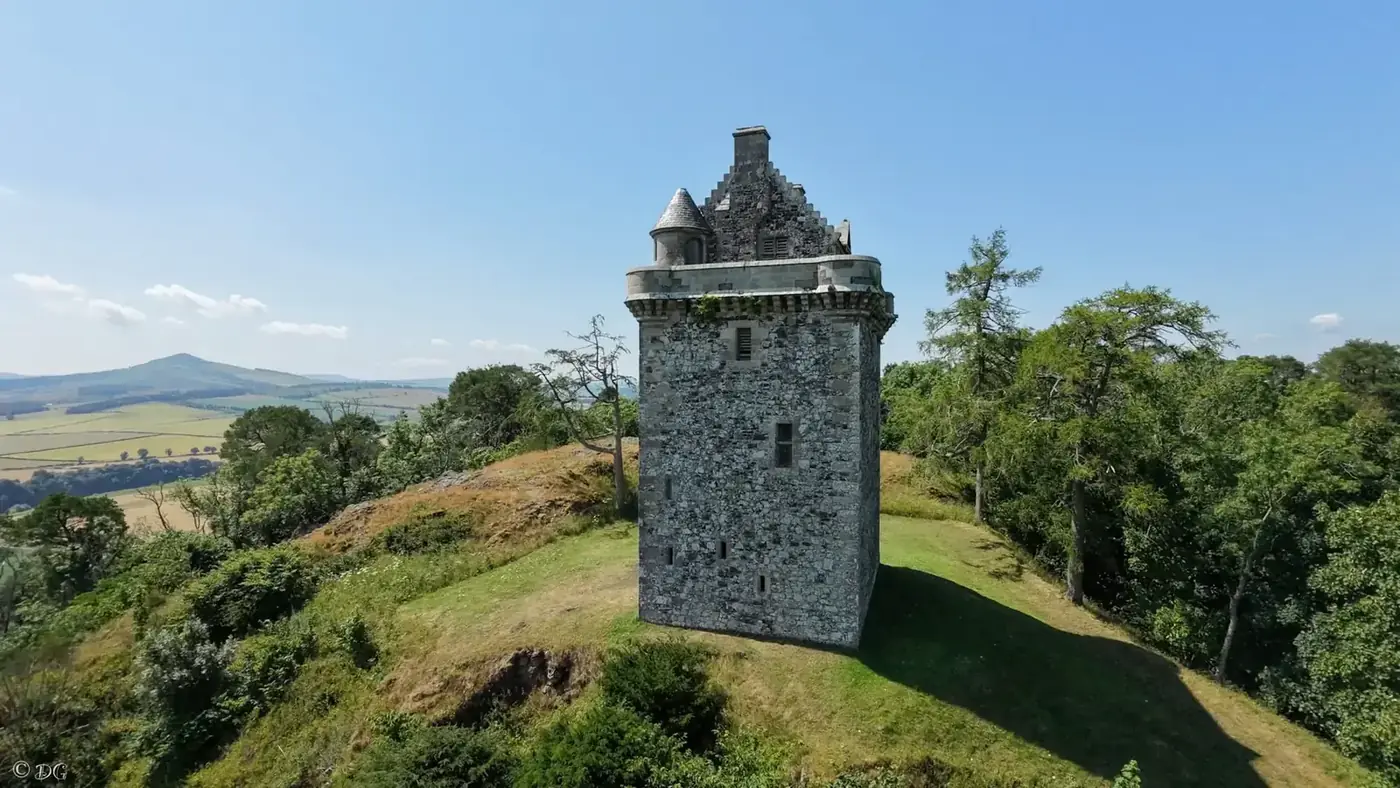
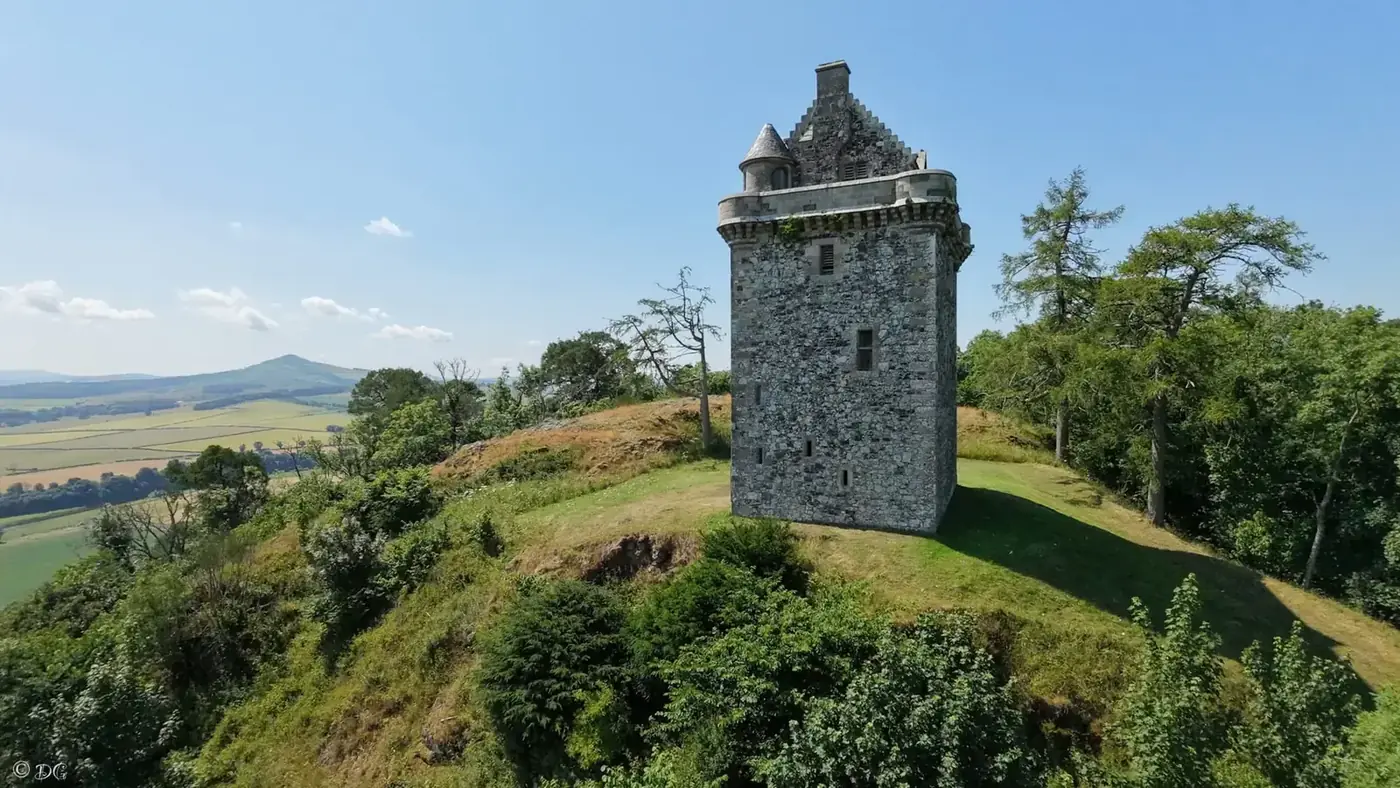
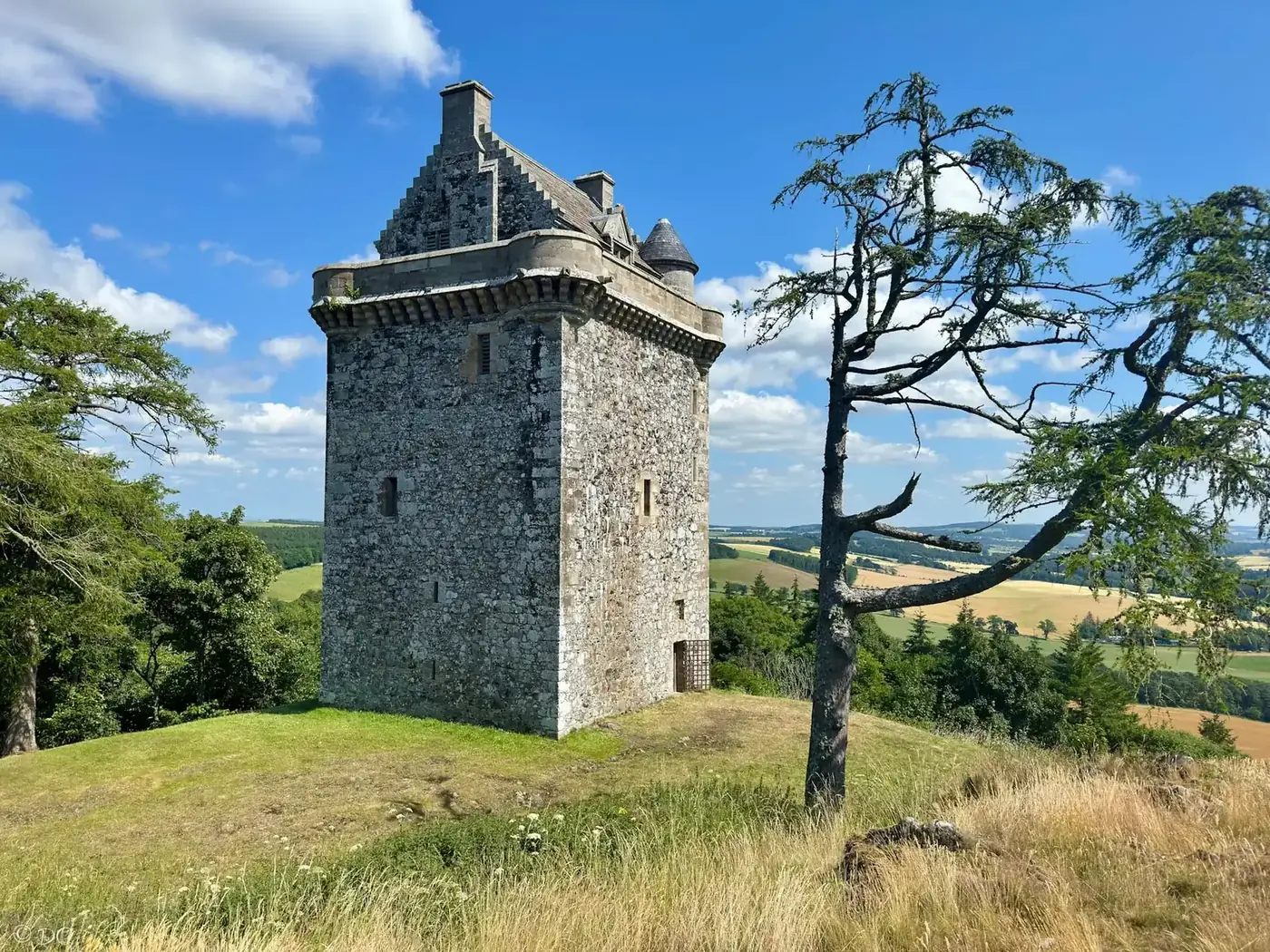
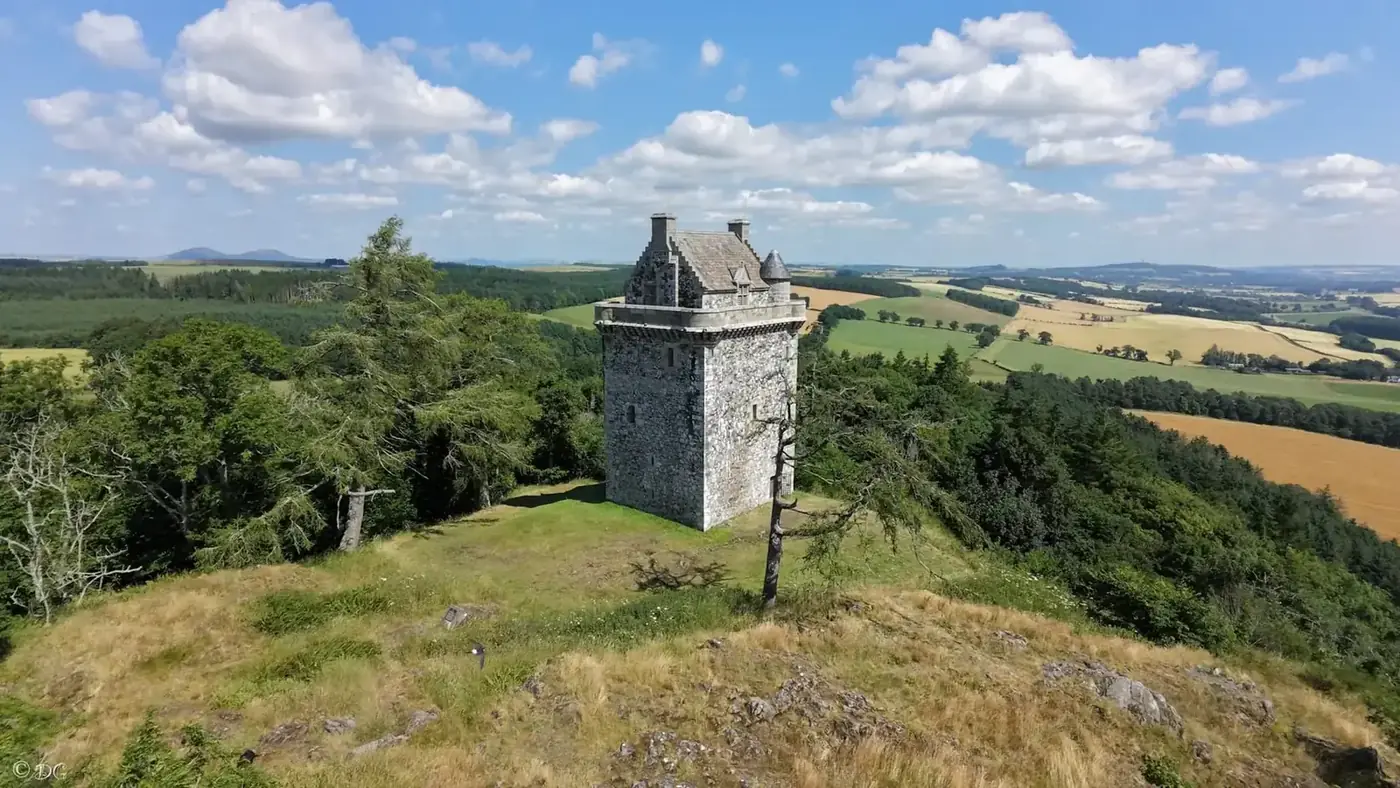
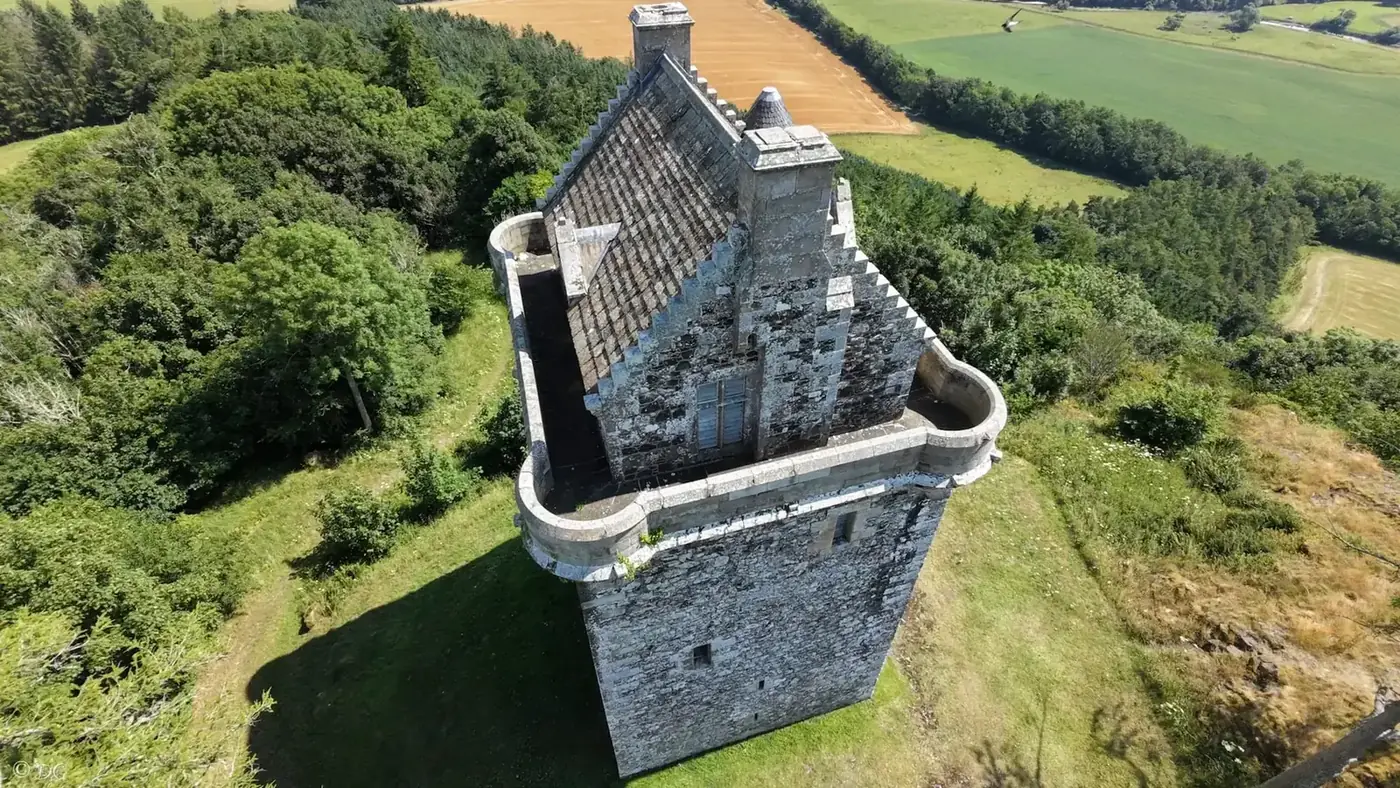
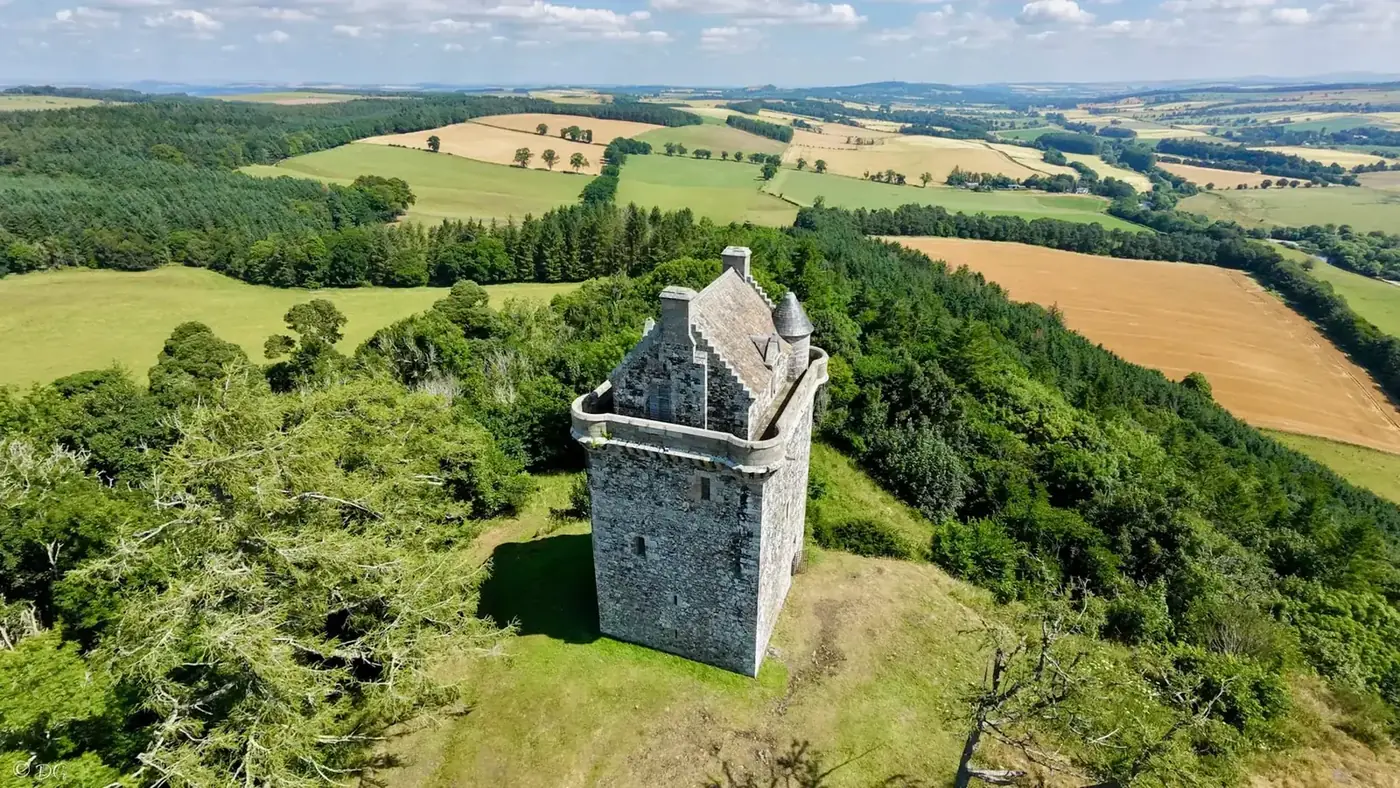
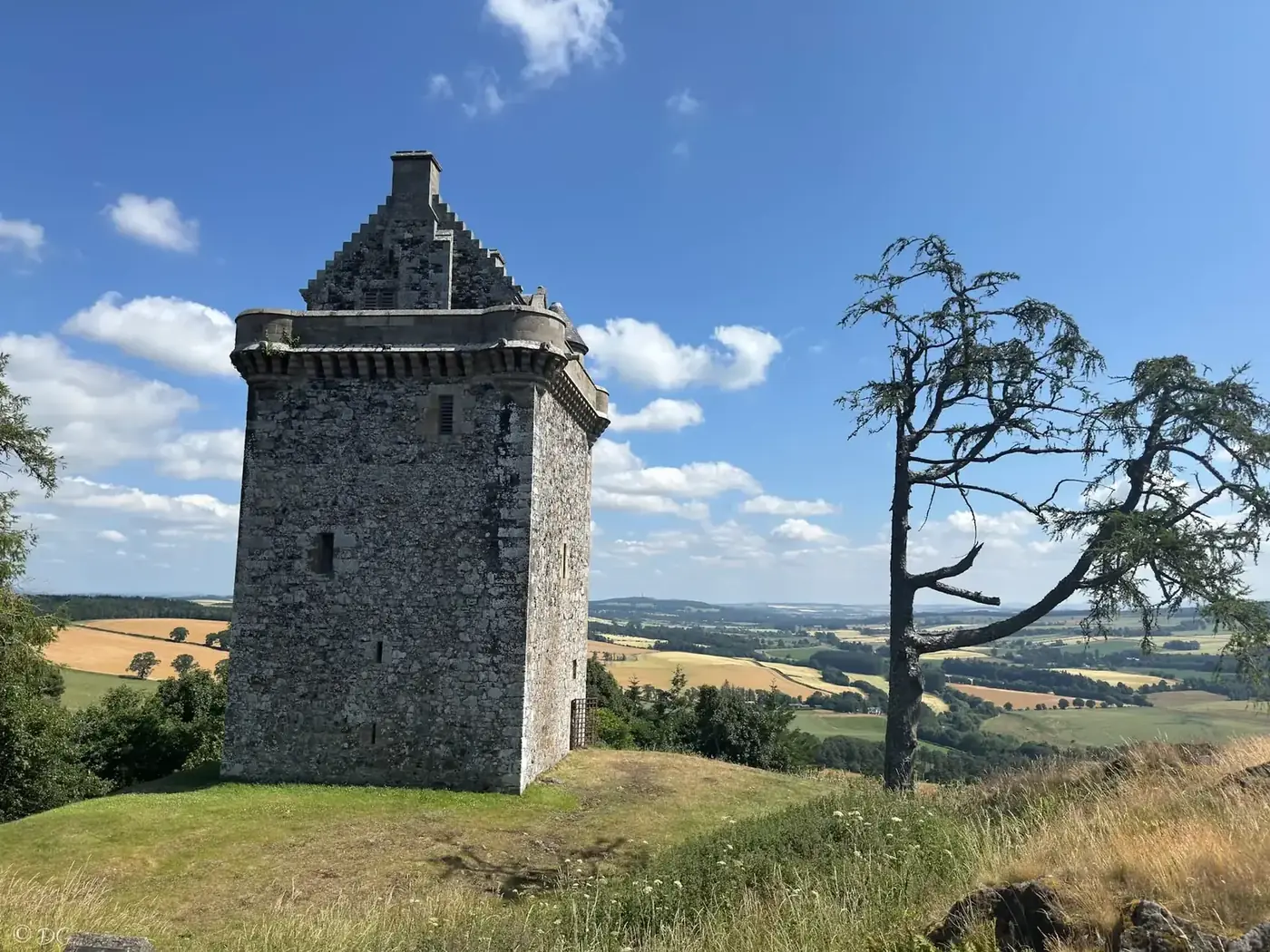
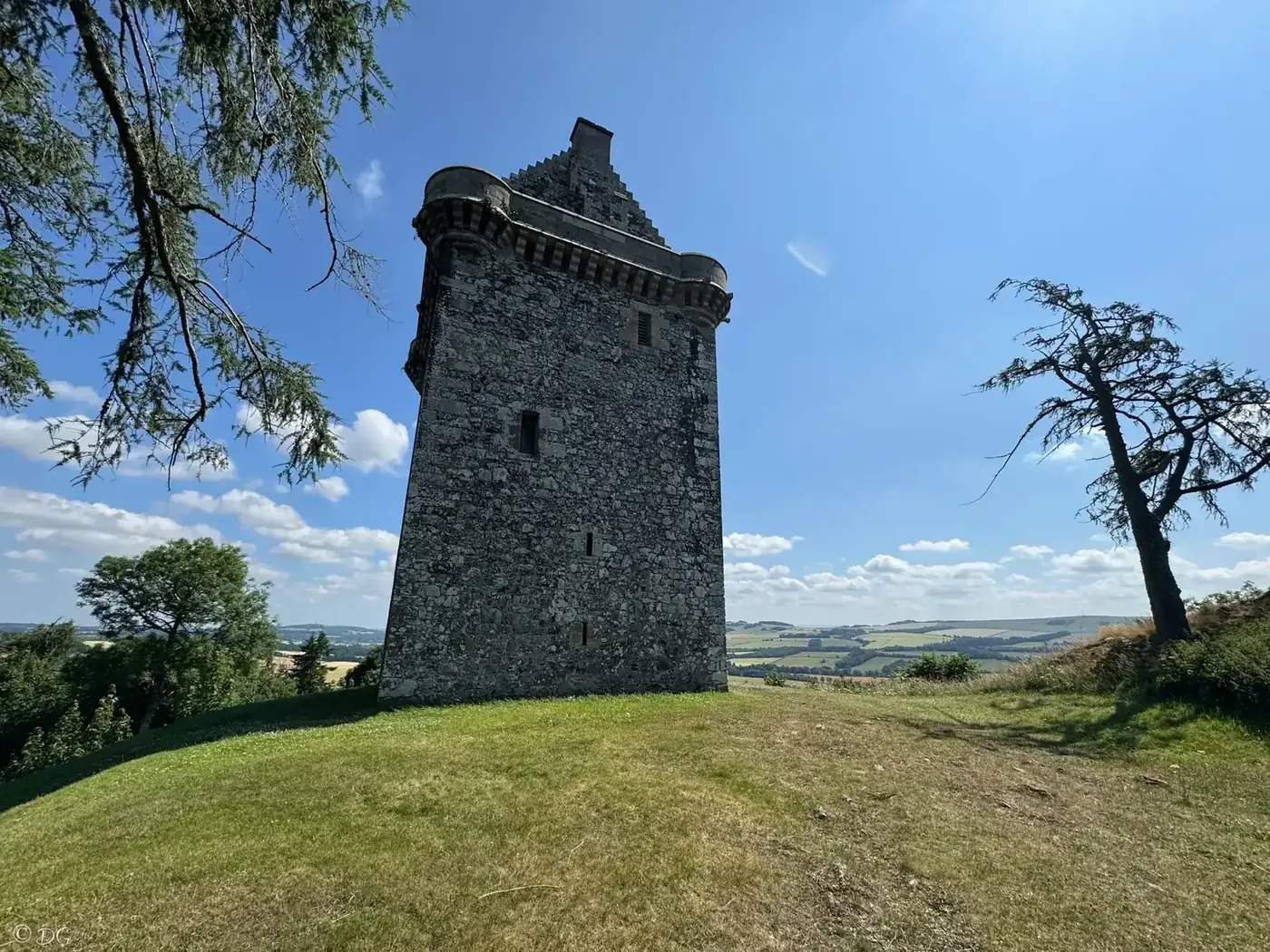
Fatlips Castle crowns Minto Craigs like a tiny stone exclamation mark above Teviotdale. The strange name invites stories, but the tower's repeated rescue from decay is more firmly documented—and just as interesting.
What looks like a compact sixteenth-century survivor includes major nineteenth- and twenty-first-century restoration. This is a Borders landmark kept alive by several generations.
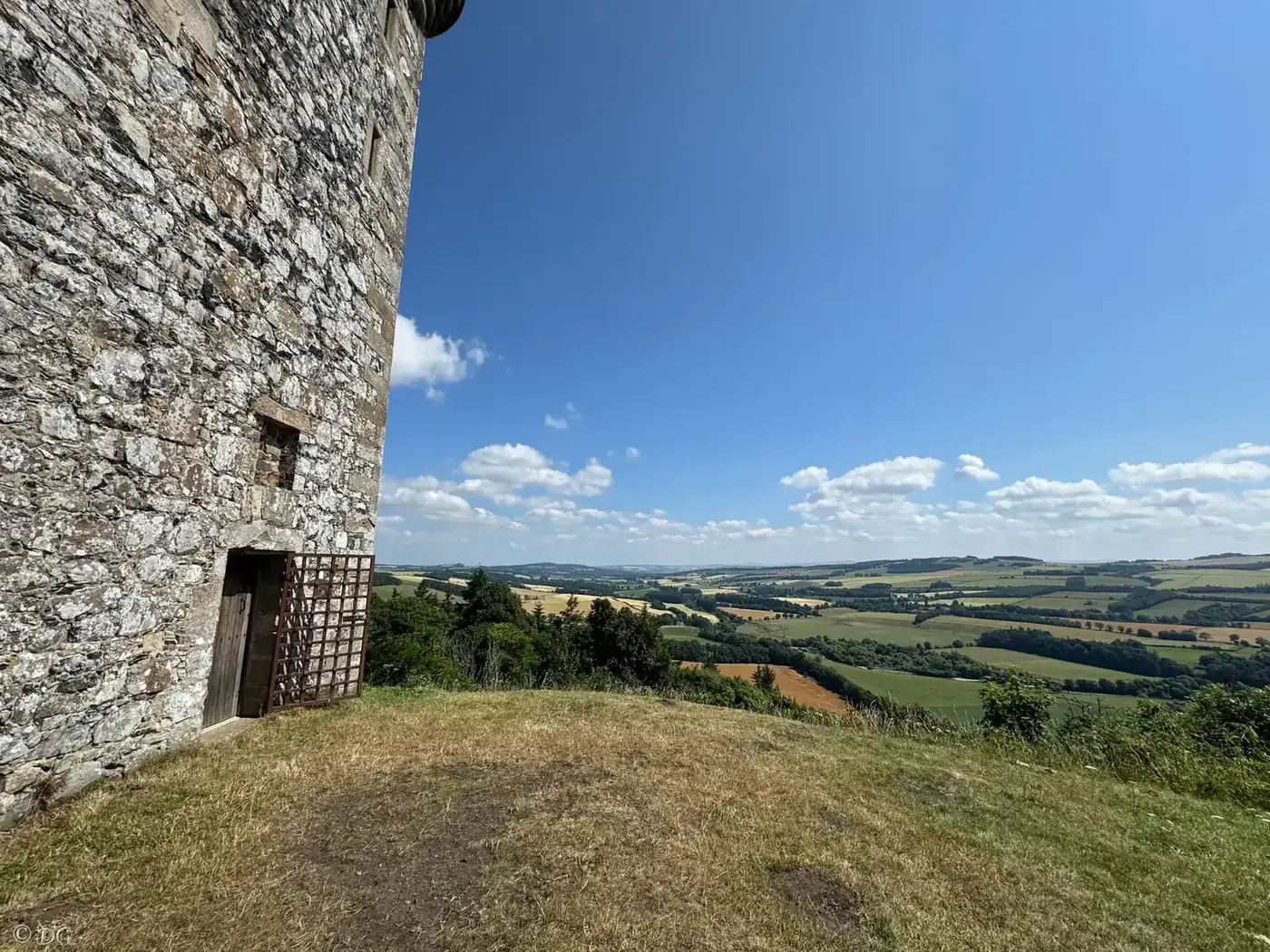
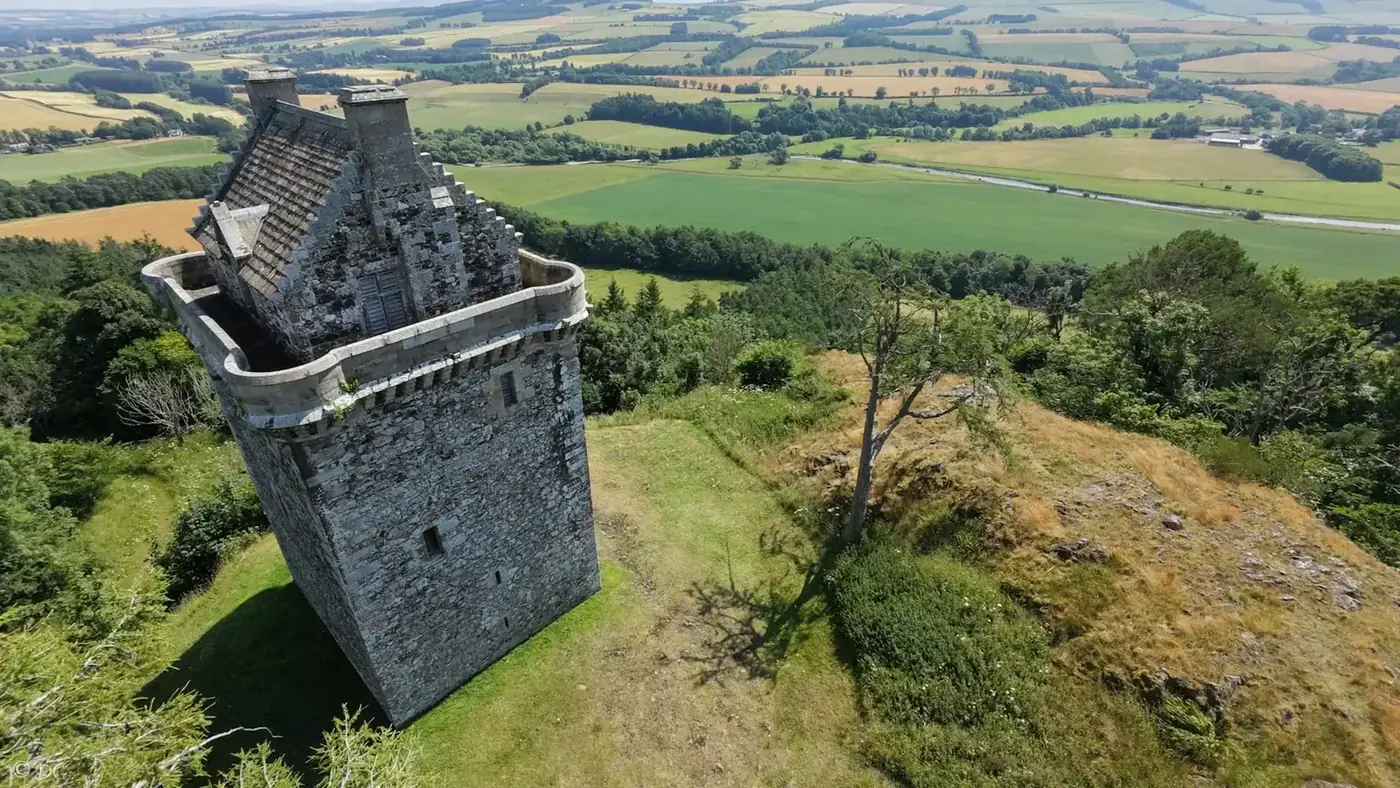
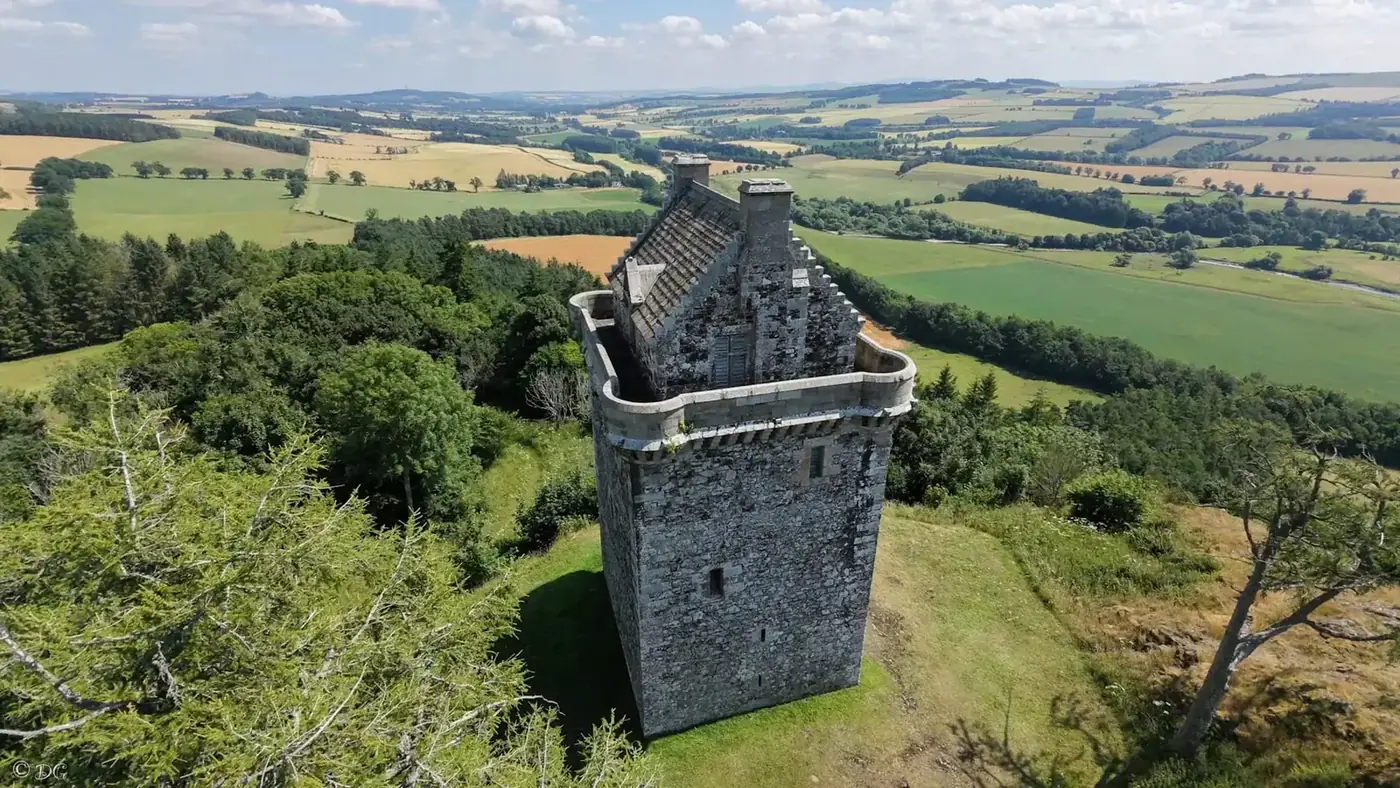
The reward is the position: a small tower commanding an enormous landscape. Photograph it first within the crags and woodland before letting the unusual name take over the story.
Access to the interior can change. Check current local arrangements and do not rely on old instructions about keys or entry.
The national record identifies Mantoncrake or Mynto Crag among places burned during the Earl of Hertford's destructive expedition in 1545.
The reference gives the site a real wartime episode, but it does not date every surviving stone or show how much was rebuilt afterwards.
A major restoration took place in 1857. In 1897–98, work associated with architect Robert Lorimer adapted the interior as a shooting lodge and private museum.
These were separate campaigns. Together they explain why the upper silhouette and domestic use cannot be treated as an untouched sixteenth-century survival.
02 / VISUAL JOURNAL
Every photograph on this page was taken by CastleScotland during visits to the site.
10 of 18 photographs
01 / THE STORY CONTINUES
Historic photographs record a decorated ceiling inside the tower. Later testimony says water damage brought it down.
The images preserve evidence of a vanished interior; they do not promise that today's visitor will find an original painted ceiling overhead.
Nobody knows for certain how Fatlips Castle got its unforgettable name. The name was already in use by the mid-18th century, but its true origin had apparently been forgotten.
One local tradition links it to an old custom in which male visitors to the ruin were supposedly allowed to kiss one of the ladies present. Another story connects the name with a mysterious spirit called Fatlips, while an even more colourful legend tells of a goat of the same name that warned local people of approaching English raiders.
None of these explanations can be proven today, which makes the strange name one of Fatlips Castle's most enduring mysteries.
03 / MOMENTS IN STONE
The national record identifies Mantoncrake or Mynto Crag among places burned by Hertford. The painted ceiling appears in historic photographs; its survival today must not be promised.
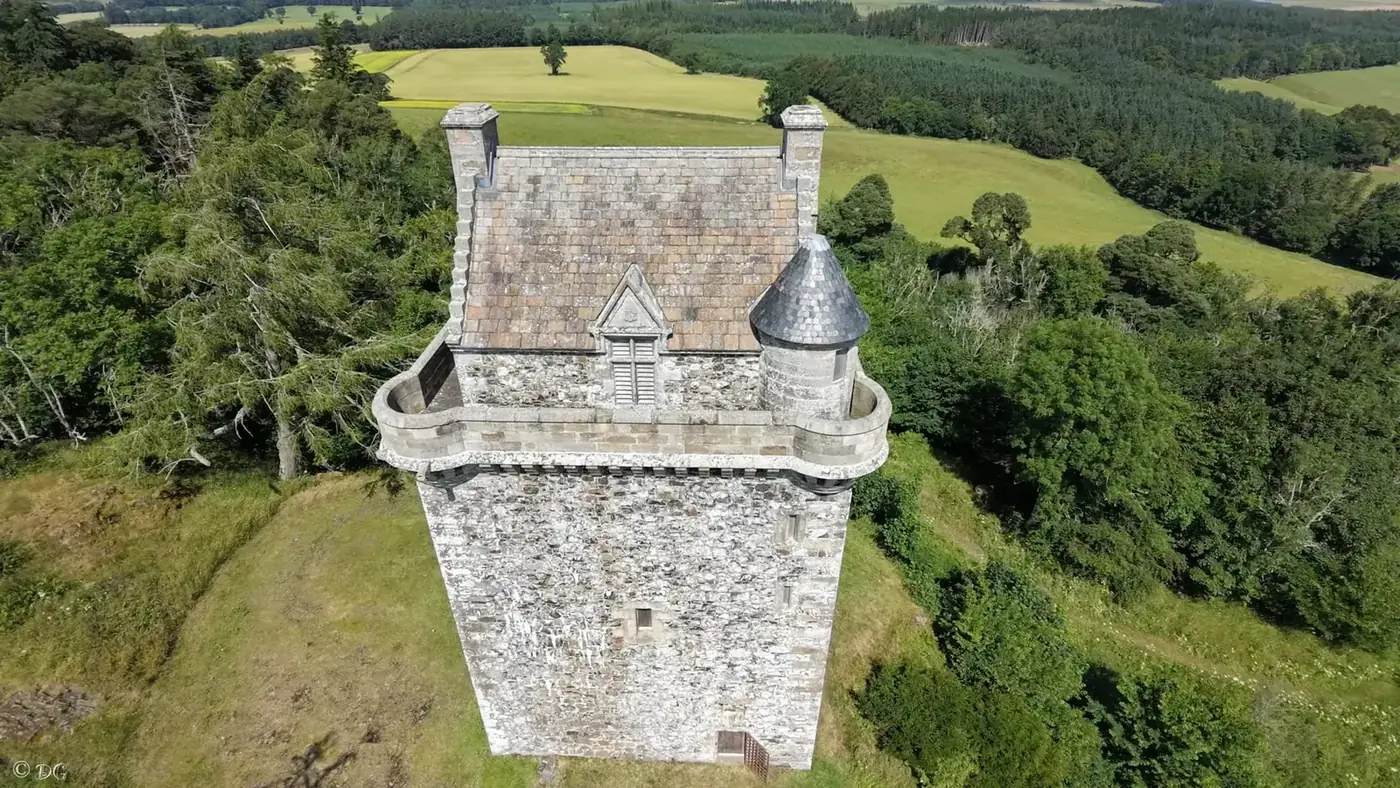
Restoration was followed by interior adaptation as a shooting lodge and private museum. The upper outline includes extensive later work rather than entirely original 16th-century fabric.
Tweed Forum reported completion of consolidation and restoration. Several explanations circulate for Fatlips; none is presented here as a proven origin.
The national monument record classifies the tower as sixteenth century. It also connects the names Mantoncrake and Mynto Crag with a place burned during the Earl of Hertford’s expedition in 1545. That reference establishes an important episode in the site’s history, but does not date every surviving wall or demonstrate how much was rebuilt afterwards. The broad Turnbull connection can be retained without inventing a precise founder or a continuous construction sequence.
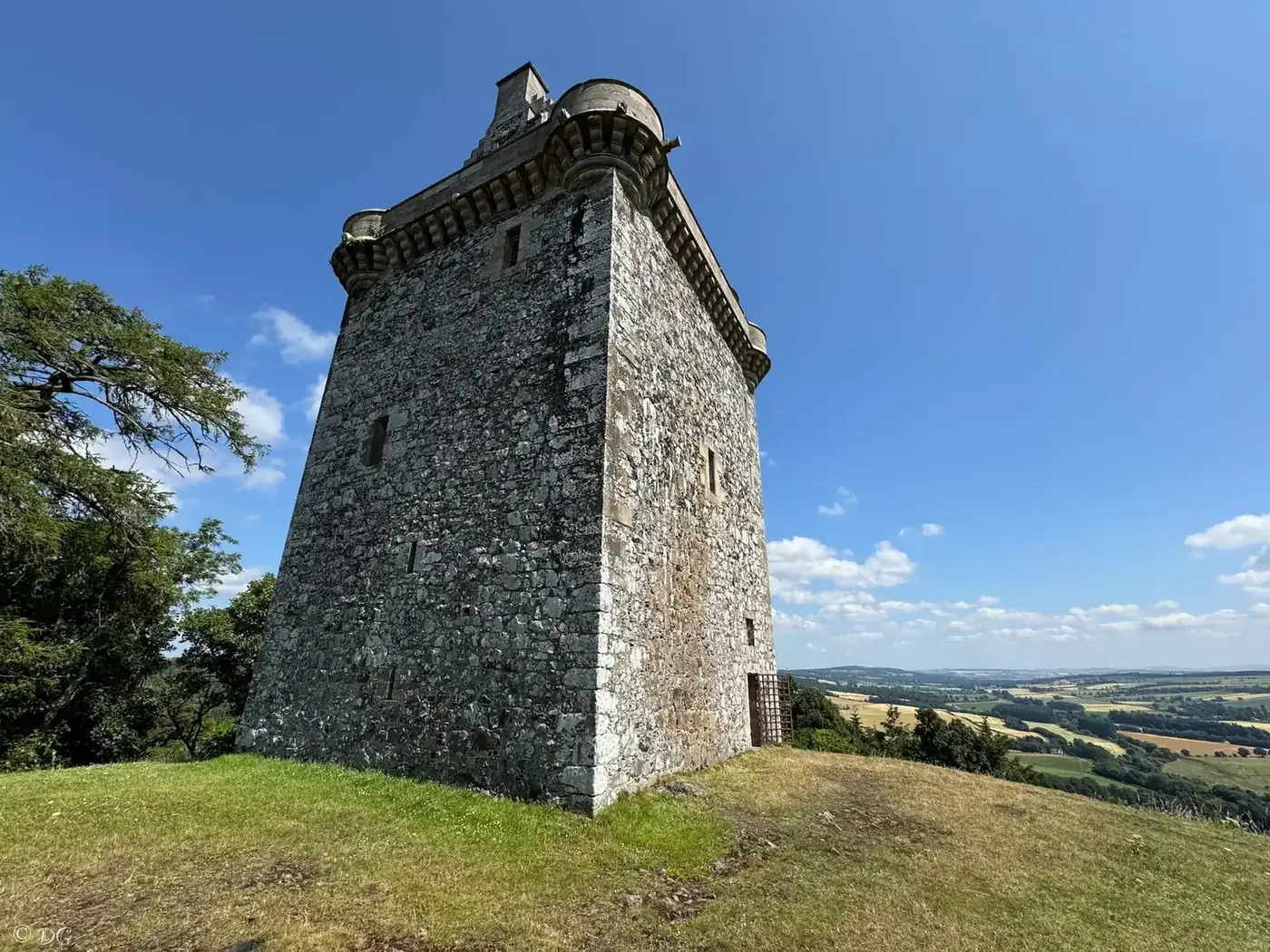
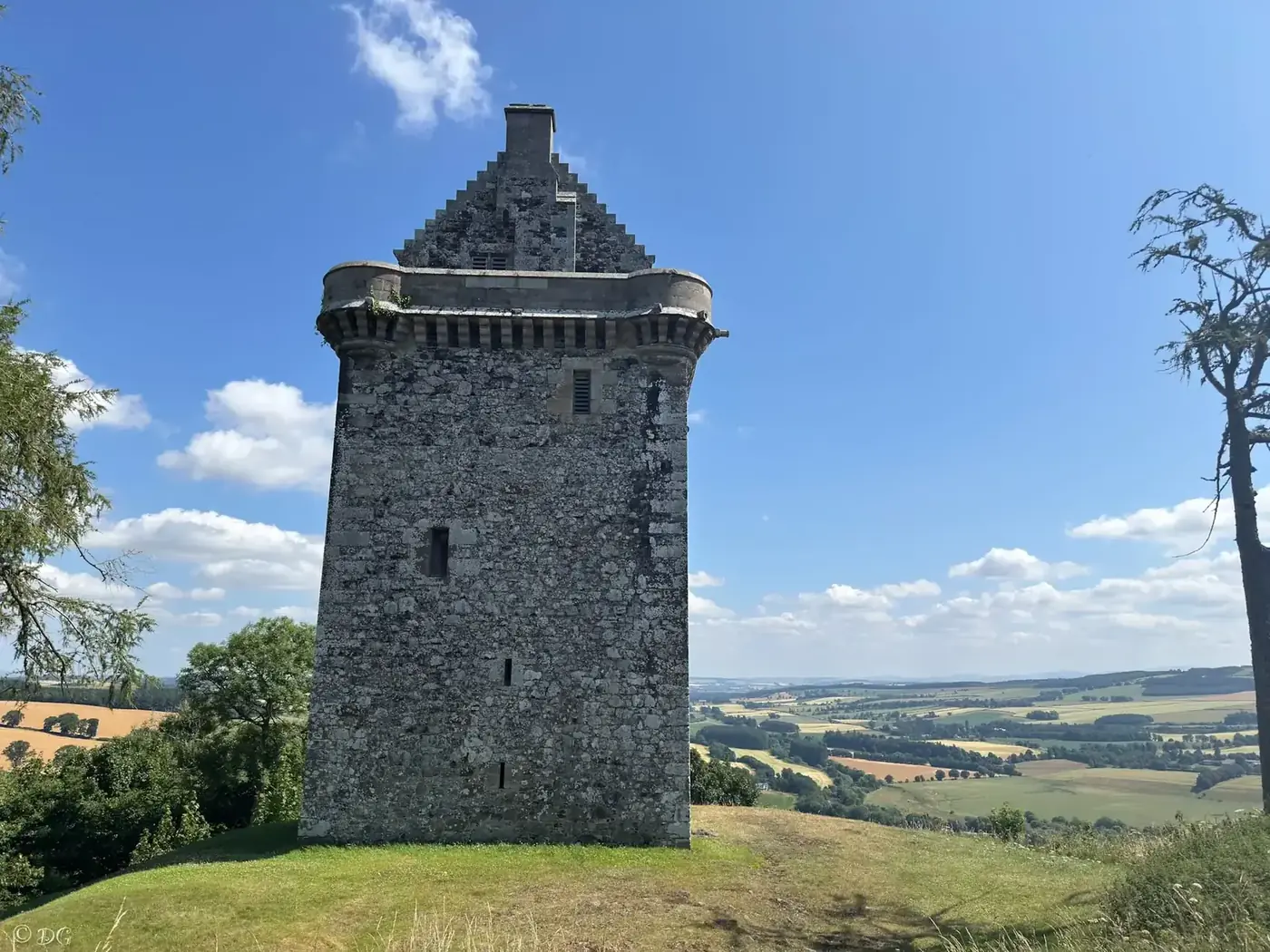
Architecturally, this is a compact rectangular tower house. The RCAHMS account distinguishes older fabric from renewed dressings and later upper work. The projecting parapet and corner features were substantially recreated, and the top accommodation was described as modern relative to the early tower. Vaulted lower space and rooms above explain the basic domestic arrangement. The present outline therefore combines a historic core with the choices of later restorers.
A substantial restoration took place in 1857. Further interior work in 1897–98, associated with Robert Lorimer, adapted the tower as a shooting lodge and private museum for the Minto family. These are separate phases: the later architect should not be credited with the earlier restoration. The nineteenth-century use also explains why an apparently martial tower could contain decorative interiors and displayed objects rather than functioning as a working fortress.
The painted ceiling needs particular care. Archival photographs in the national collection record ceiling decoration in the 1970s, and the local historical society relates painted Minto arms on a pine ceiling to the later interior arrangement. That is evidence for recorded decoration, not proof of a surviving sixteenth-century painted ceiling available to visitors today. Photographer John Rogerson reports that the ceiling later collapsed through water damage; its present survival is therefore not established by those images. The historic photographs remain valuable, with their date and context made clear.
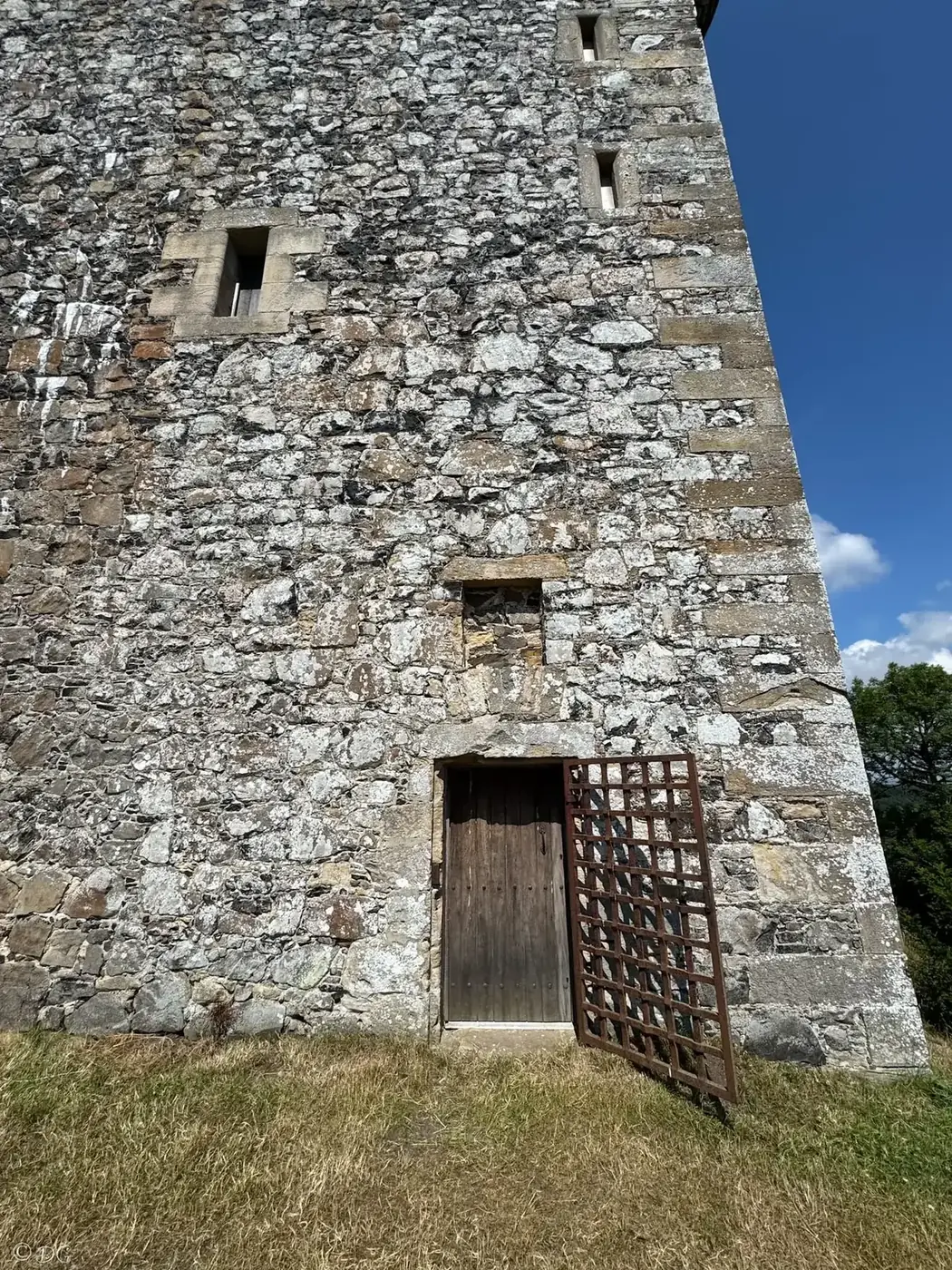
By the late twentieth century the tower had suffered serious damage. The 1993 RCAHMS inspection recorded deterioration, and Tweed Forum’s later project account describes losses to the roof, parapets and interiors. Restoration was completed in 2013, with the work securing the building and recovering its prominent outline. The project included finding displaced stone and an old iron yett. These repairs form a real chapter of the castle’s history; they should not be hidden behind a timeless photograph.
Even the name invites caution. Several explanations circulate, but no securely established origin emerged from the sources consulted. It can remain an intriguing local name without selecting a colourful story as fact. Fatlips is protected as a scheduled monument, and access arrangements need a current check: an old announcement about borrowing a key is not a guarantee for today. Photograph the tower within the wider hillside, and respect any closed entrance. The strongest impression comes from reading both the historic house and the later determination to keep this Borders landmark standing.
08 / EXPLORE NEXT
Find Scottish castles by region, landscape or the stories that bring them to life.
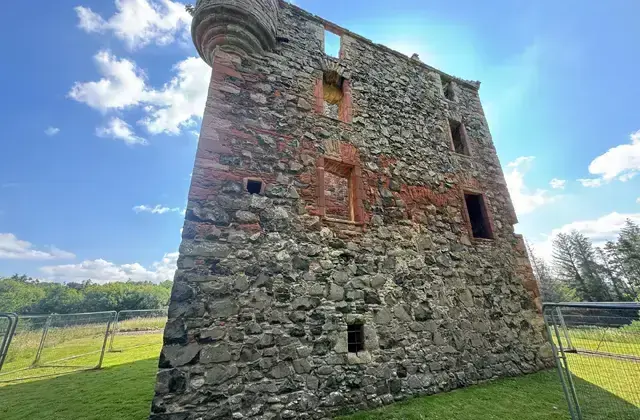 Scottish BordersGreenknowe Tower
 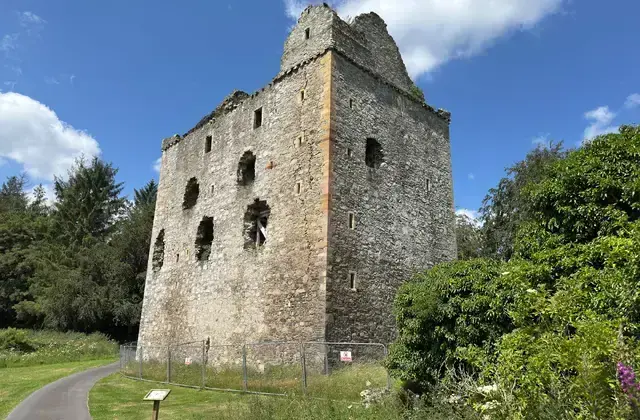 Scottish BordersNewark Tower
  Argyll and the IslesGlengorm Castle