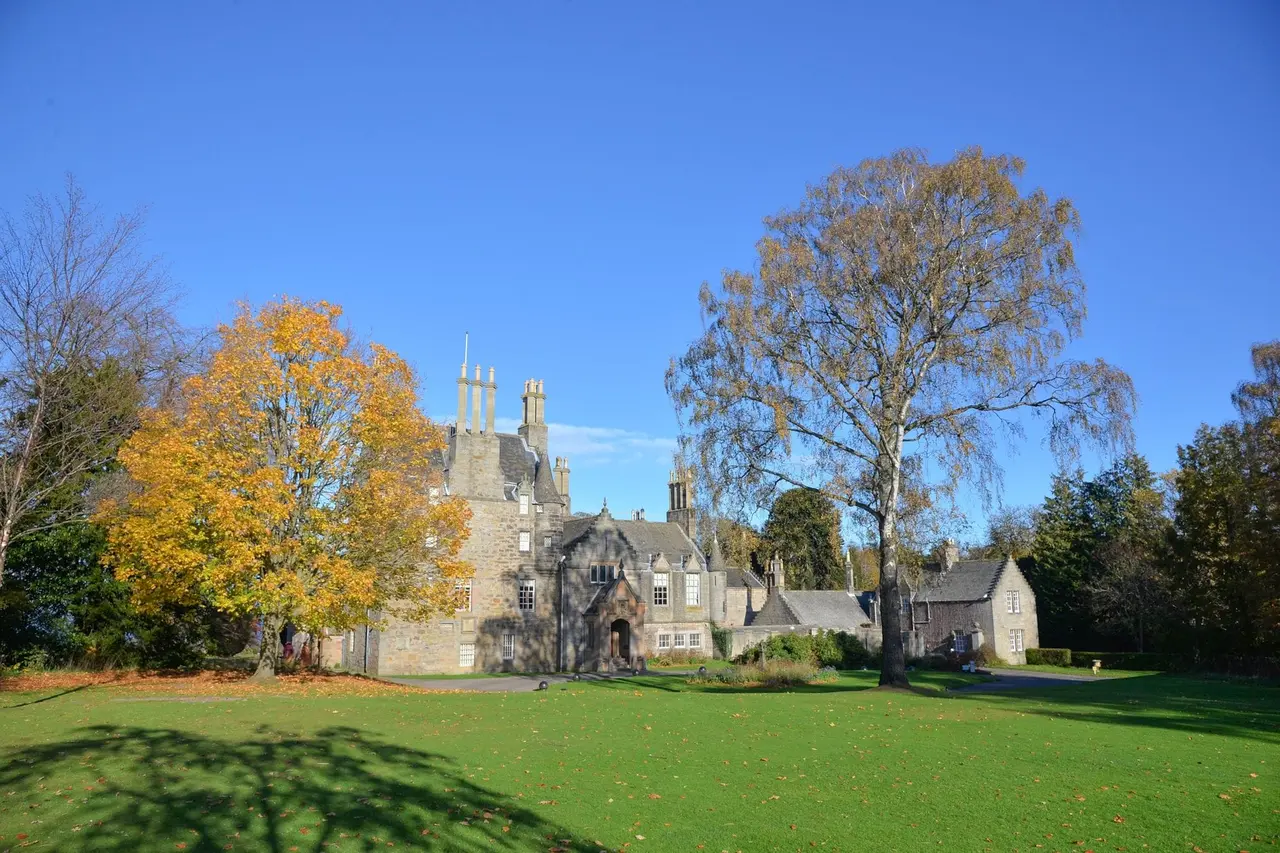
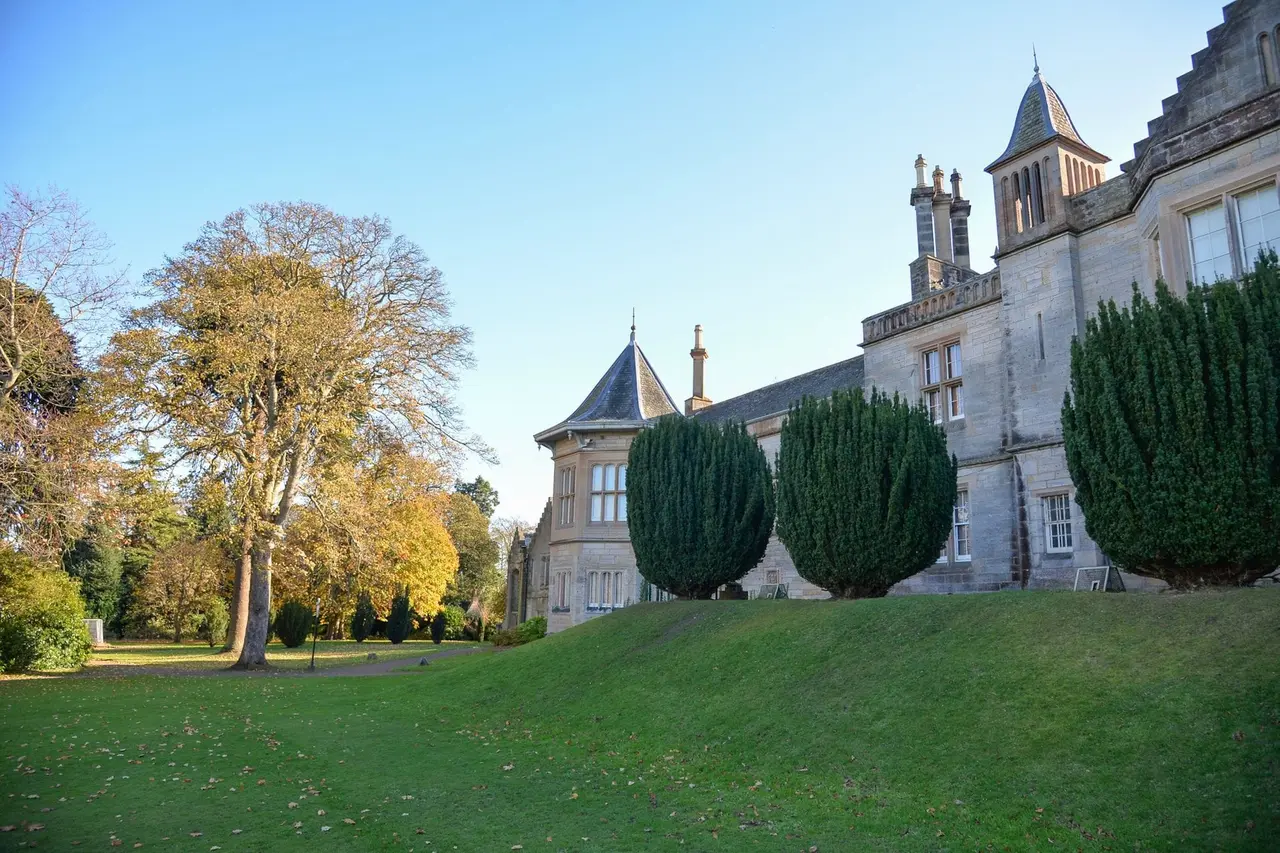
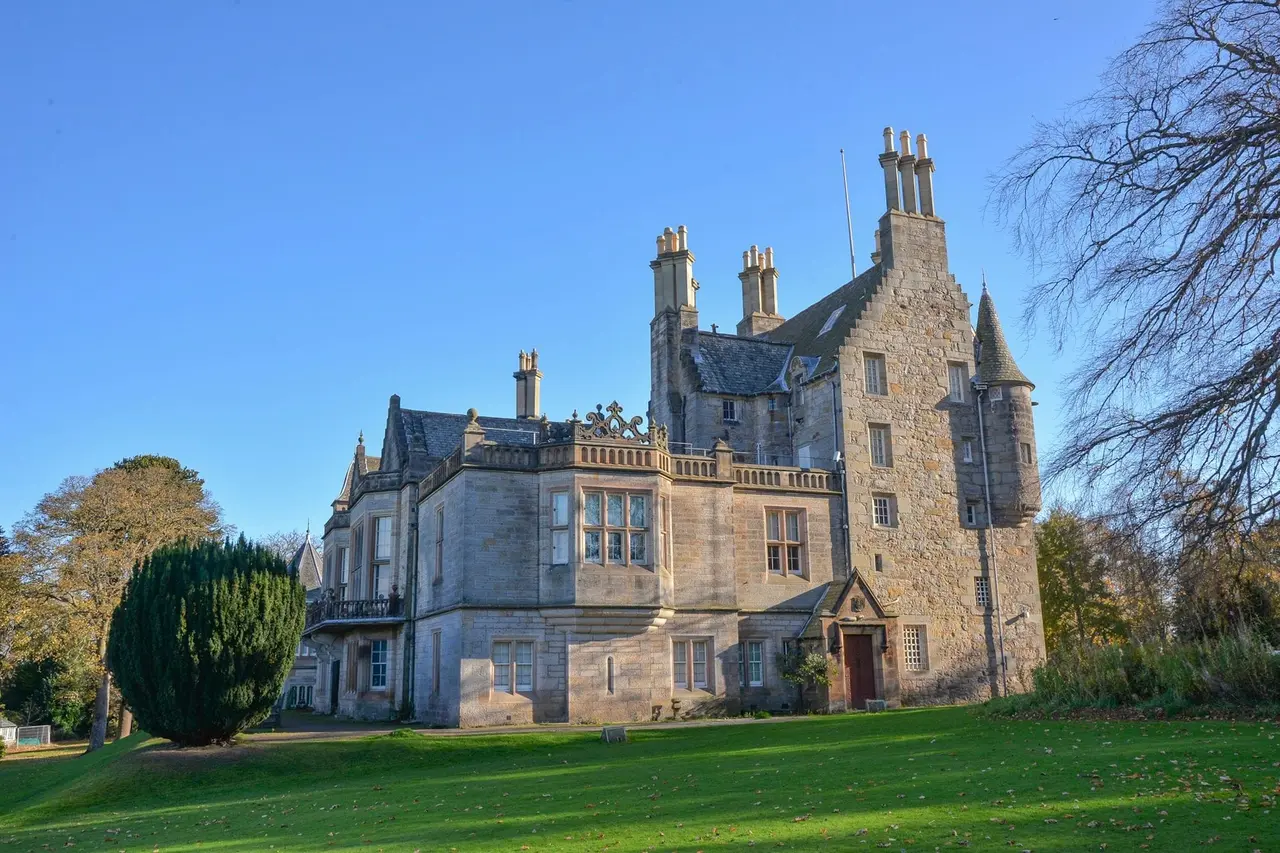
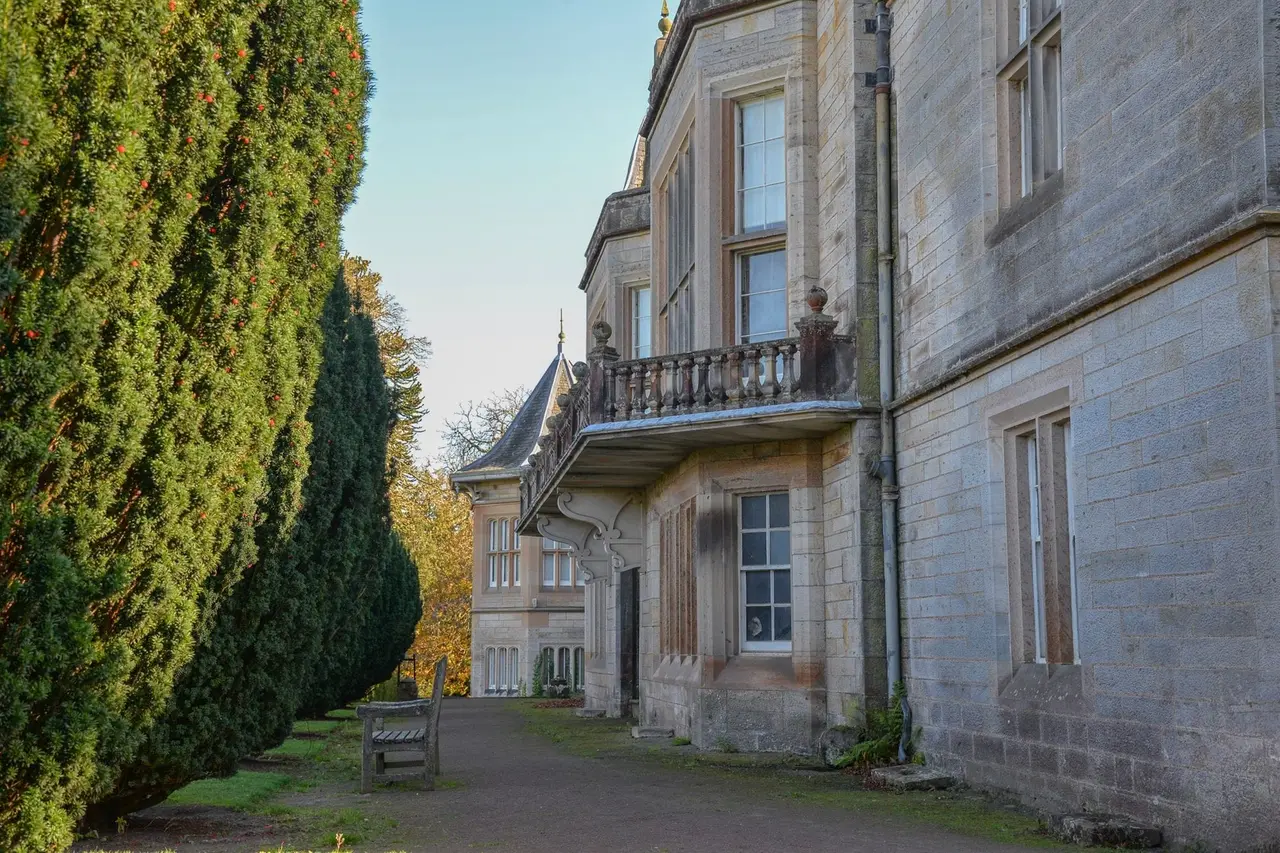
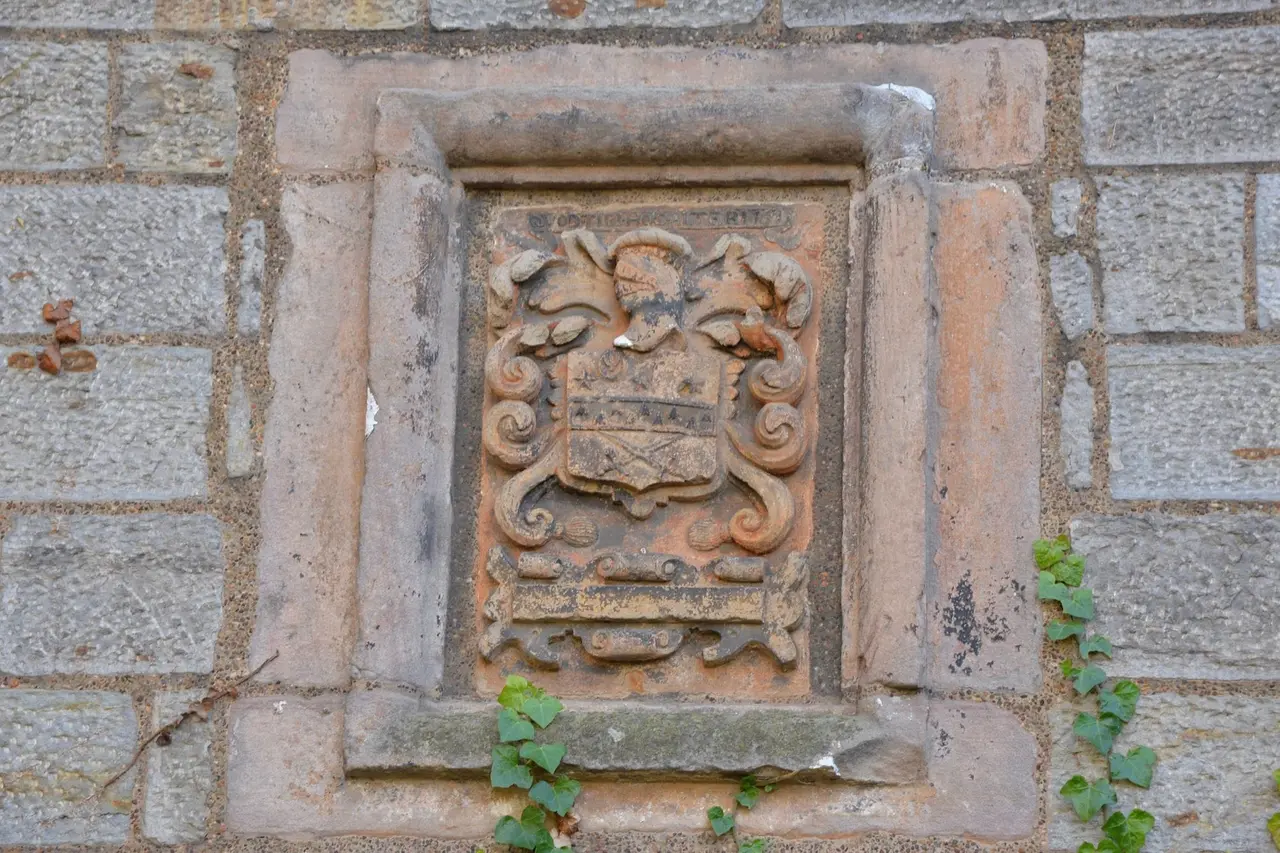
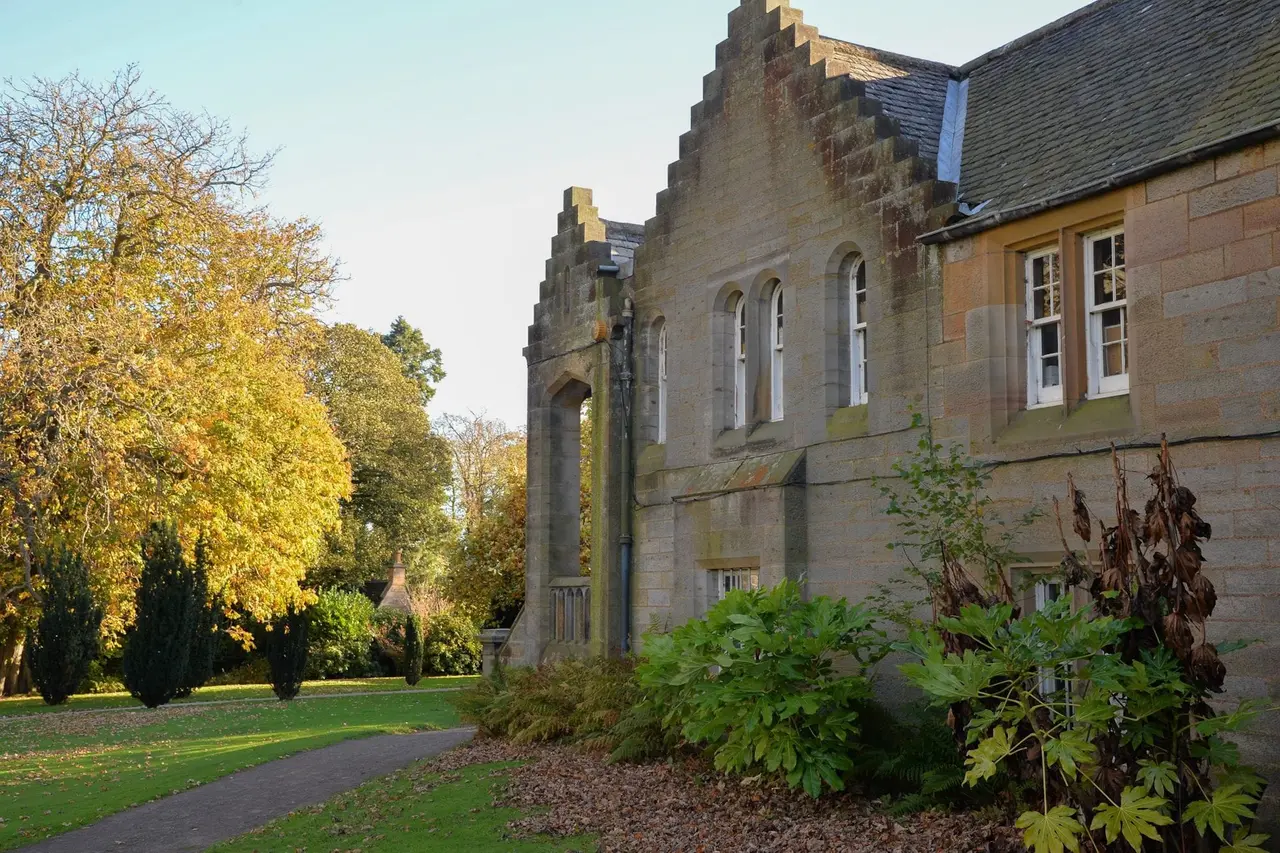
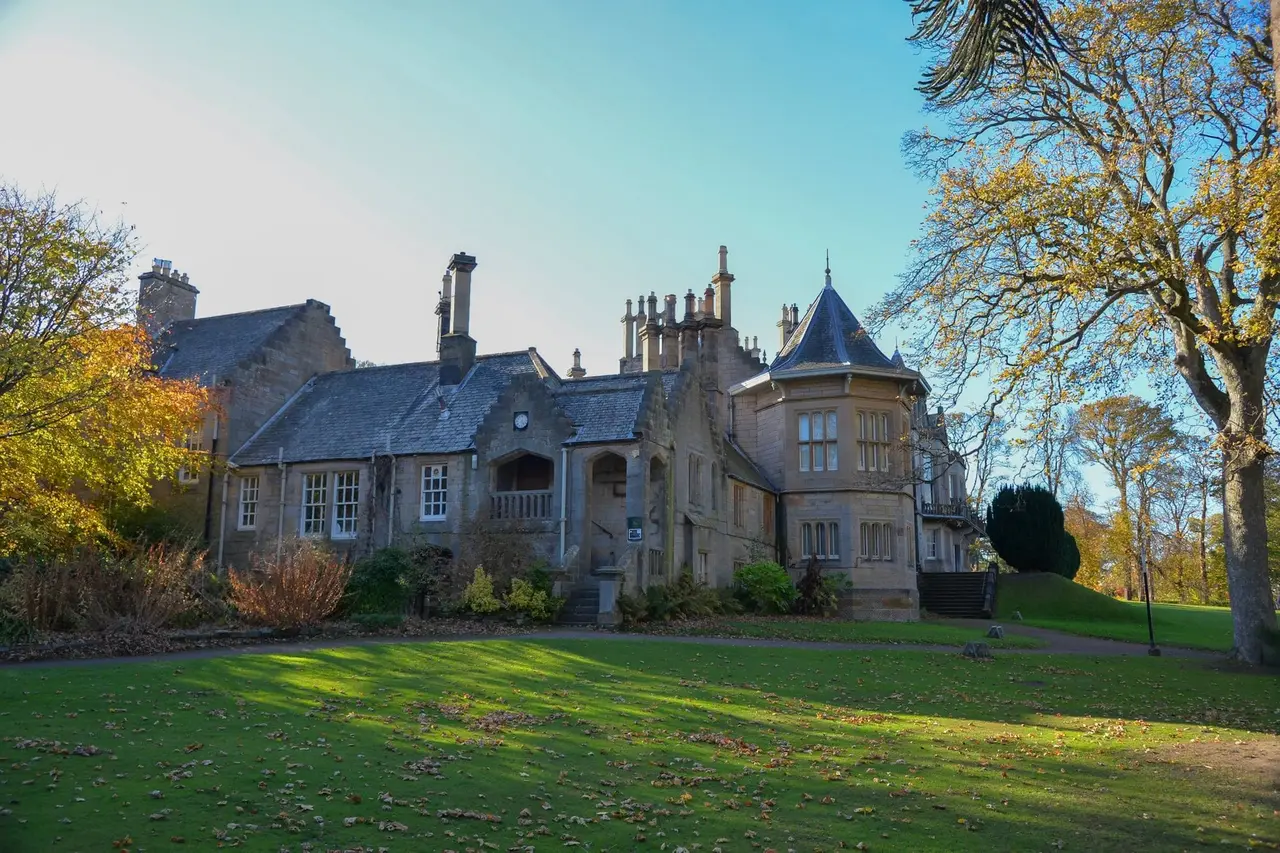
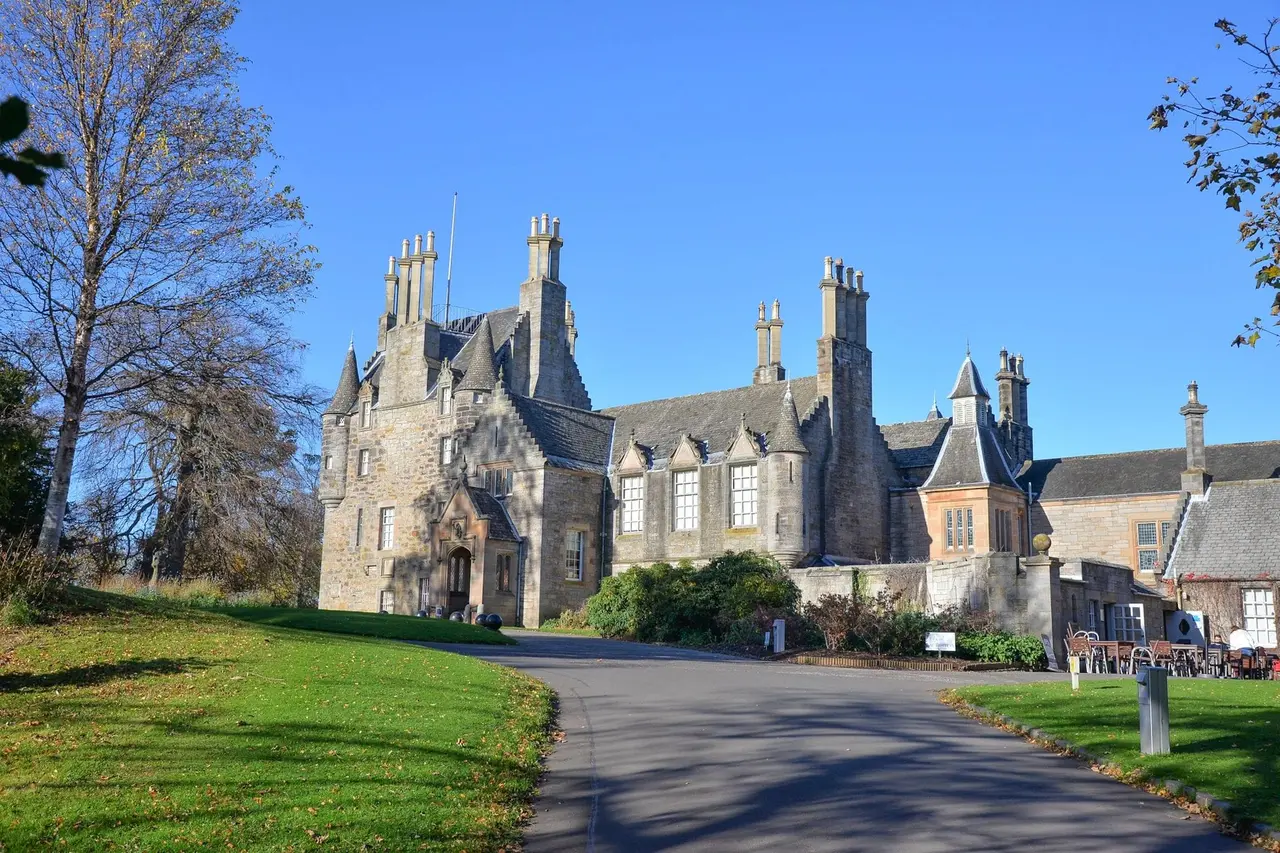
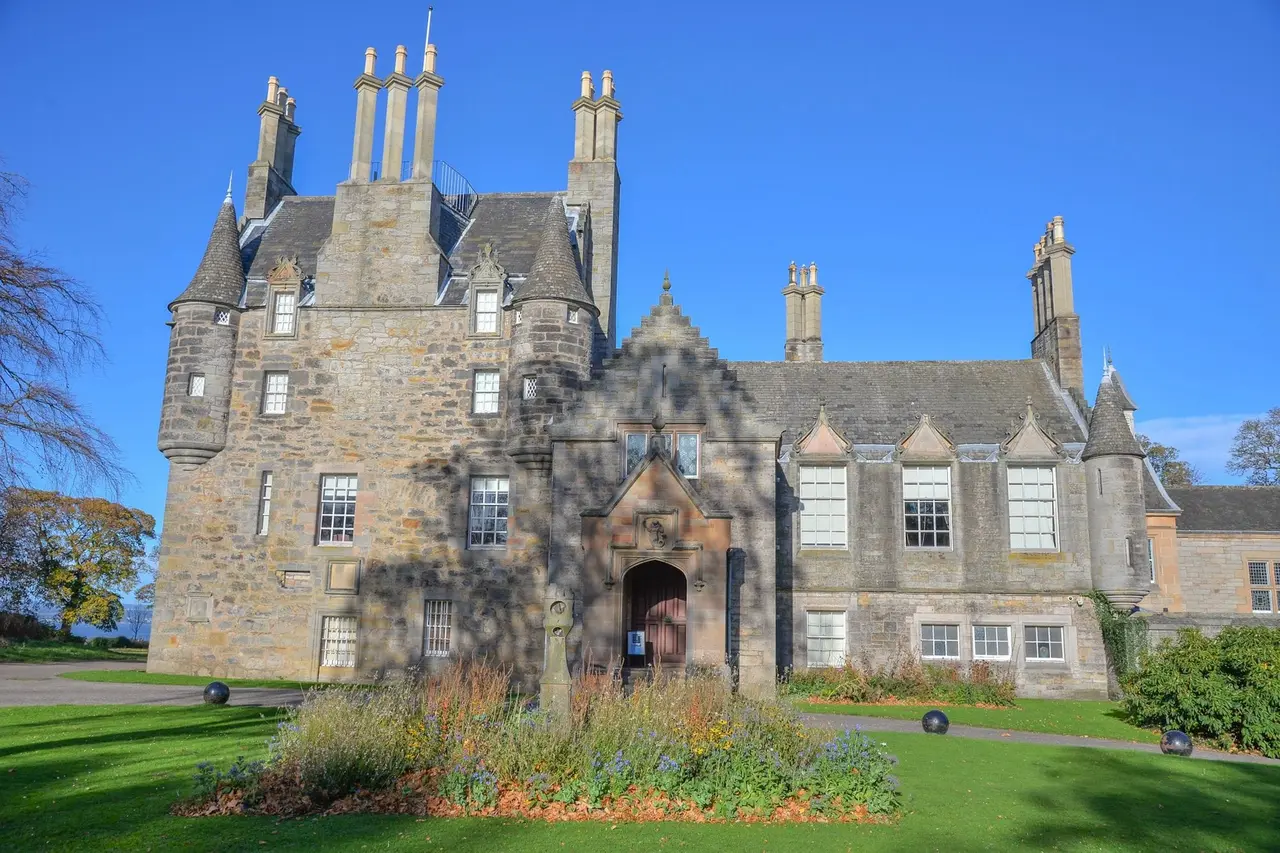
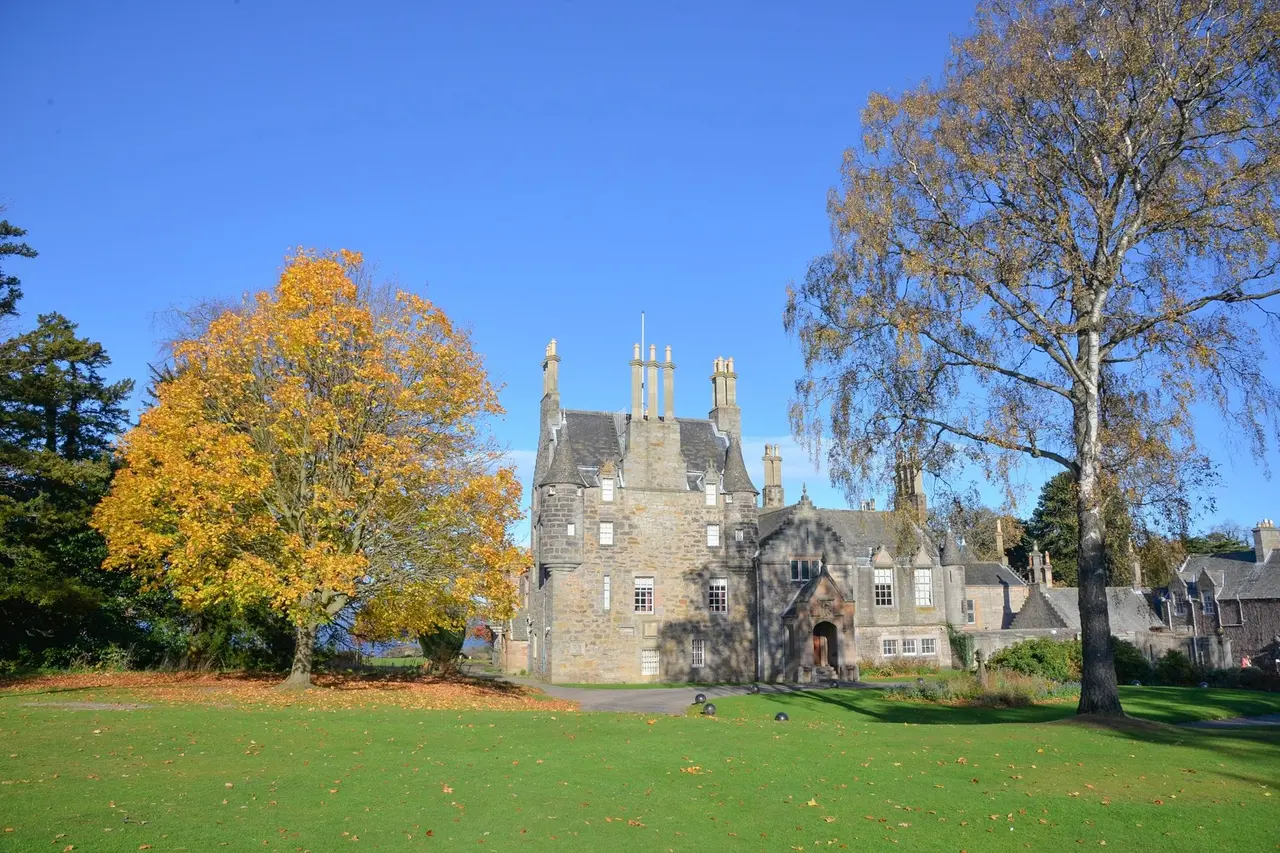
Lauriston Castle across a green lawn beneath autumn trees

FIELD GUIDE · EDINBURGH & THE LOTHIANS

Lauriston Castle

A Scottish castle story. Read through its landscape.

CASTLESCOTLAND

Share this castle

Lauriston Castlecastlescotland.app

Share this guide or save the link.


Get directionsPhotos

PLAN YOUR VISIT

Tickets, opening hours & parking

Check current access before travelling

2 Cramond Road South, Edinburgh, EH4 6AD

TICKETSGrounds are free; castle tours and events are separately programmed, so check the current museum listing.

Visitor information follows official or local guidance. Always confirm the latest arrangements before travelling.

View current prices

Grounds freeGrounds are free; castle tours and events are separately programmed, so check the current museum listing.

OPENING & ACCESSOpening and tickets

Grounds are free; castle tours and events are separately programmed, so check the current museum listing.

PARKING & ARRIVALLauriston Castle grounds car park, Cramond Road South

Parking information

Free parking

The castle grounds have free parking, entered from Cramond Road South. Accessible parking is available near the castle entrance. Check current signs and event arrangements.

Parking guidance confirmed

Parking sources checked · 11 October 2026

ACCESSIBILITYAccessibility

The grounds offer the most reliable everyday access; access to the interior depends on events or tours.

HONEST VERDICTIs it worth visiting?

Ideal for visitors who prefer lived-in rooms, collections and gardens to ruined battlements—and an appealing quieter counterpoint to central Edinburgh.

MANAGED BYMuseums & Galleries Edinburgh

WHAT TO EXPECT

  • Photography
  • Cramond shore in Edinburgh
  • Grounds free

01 / THE STORY

Lauriston Castle: history and highlights

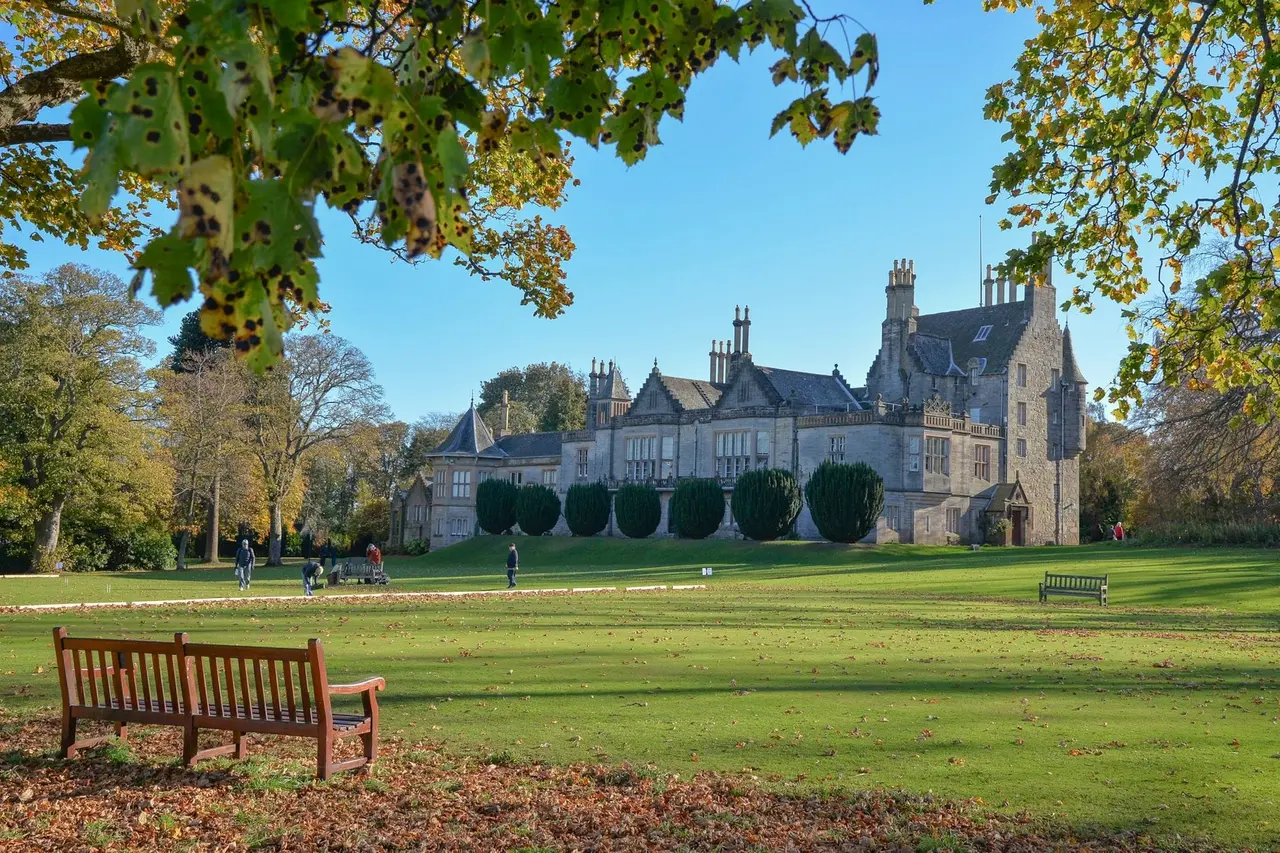
Lauriston offers a gentler Edinburgh castle day: views across the Forth, spacious grounds and a house where an old tower grew into an elegant, comfortable home. Its strength is the atmosphere of the rooms rather than a catalogue of battles.

The preserved collection records the taste of its last private household. Furniture, plumbing, electricity and heating all matter here as much as battlements.

Why choose Lauriston?

Come for the combination of architecture, interiors and gardens away from the city-centre crowds. The change from fortified tower to furnished home is easy to follow.

The grounds and interior tours have separate arrangements. Check the current museum programme if seeing the rooms is the main reason for your visit.

A tower that kept growing

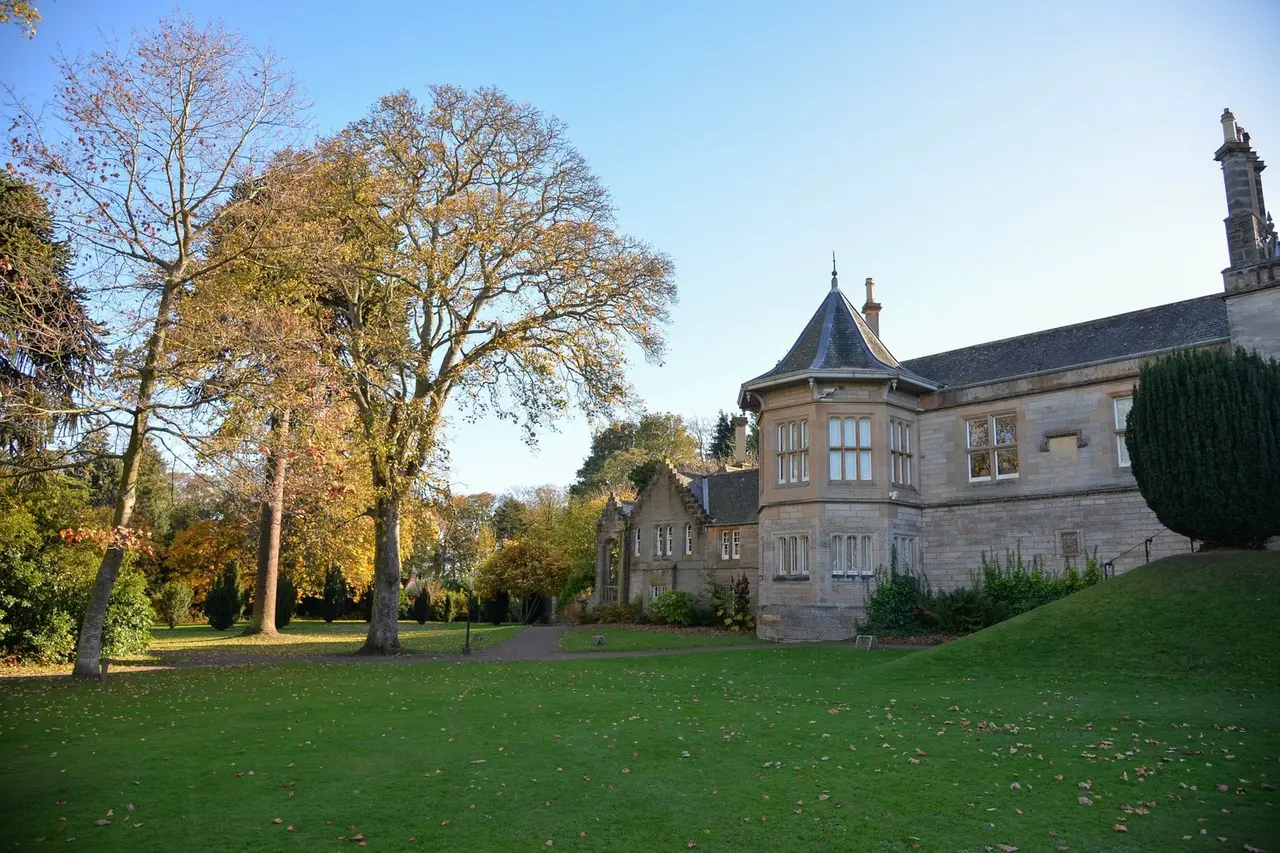
The original T-plan tower, associated with Archibald Napier, predates 1600. William Burn enlarged the house for Thomas Allan in 1827, with further nineteenth-century work following.

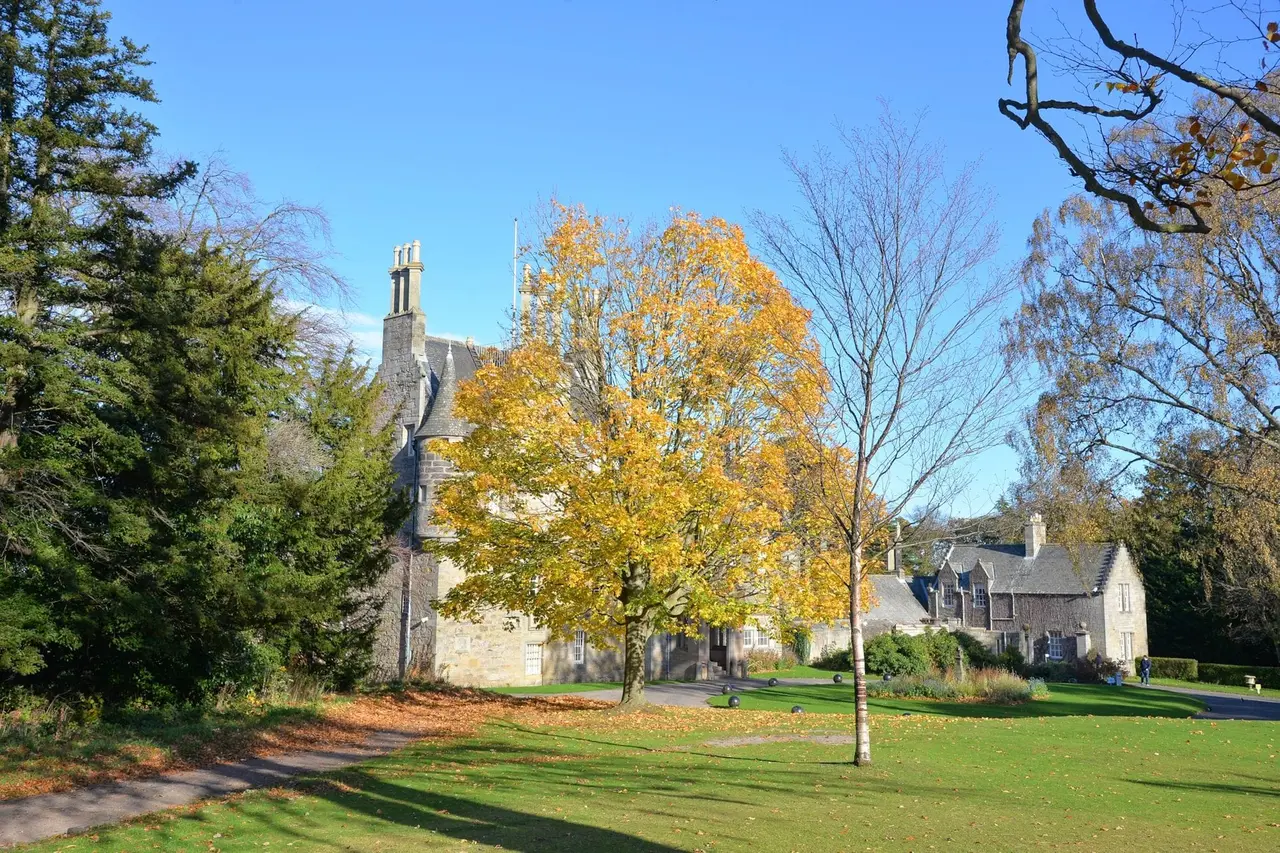
Those additions did not erase the old core. Step back to see how a residence can carry several periods in one outline.

The household behind the collection

William Robert Reid, his wife Margaret and her brother William Barton shaped the later home. Reid's connection with the furnishing firm Morison & Co helps explain the rich interiors.

Barton introduced modern services such as electricity, heating and plumbing. The beautiful rooms were also designed to be lived in comfortably.

01 / THE STORY CONTINUES

More stories from this castle.

A house bequeathed to the public

After Margaret Reid died in 1926, Lauriston and its contents passed into public care through her bequest. The arrangement of objects became part of the museum's value.

Instead of rushing from cabinet to cabinet, look at whole rooms. Their relationships reveal choices and habits that isolated labels cannot.

The garden belongs to another chapter

The Japanese garden enriches a visit today, but it should not be imagined as part of the medieval tower or the Reid household. House and grounds preserve different layers.

Move between them slowly: enclosed rooms make the open views across the Forth feel larger, and the landscape gives the old tower room to breathe.

03 / MOMENTS IN STONE

Stories worth carrying with you.

Before 1600

Why the setting matters

The original tower is associated with Archibald Napier. Its setting by the Cramond shore in Edinburgh is central to the castle’s character.

1827

A changing place

William Burn enlarges the house for Thomas Allan. The original tower is associated with Archibald Napier.

1926

Visit with care

The house and collection pass to public care through the bequest. Check the latest official or local access notice before making the final approach.

HISTORICAL RECORDRead the detailed, verified history

In 1827 William Burn enlarged Lauriston for Thomas Allan. HES also records work in 1845, probably by William Henry Playfair. The qualification matters because an architectural attribution can be plausible without being certain. These nineteenth-century changes preceded the household whose interiors now define the museum. Calling everything Edwardian would collapse distinct phases, and calling the 1827 work Victorian would place it in the wrong reign. The building is best understood through its sequence of adaptations.

William Robert Reid, his wife Margaret and her brother William Barton shaped the later home. Reid’s connection with the furnishing firm Morison & Co helps explain the importance of interiors and furniture. Barton contributed modern services, including plumbing, electricity and heating. The result was not simply one man decorating an old tower. Different contributions supported a domestic setting in which historic architecture and contemporary convenience could coexist. The household’s shared role deserves to remain visible in the story.

After Margaret Reid’s death in 1926, the house and its contents passed to public care through the bequest. Edinburgh’s museum service presents the preserved interiors as the central evidence for that last private household. A furnished room can communicate choices of arrangement, taste and use that a bare architectural shell cannot. It is worth looking at relationships between objects rather than treating every cabinet or chair as an isolated exhibit. The ensemble is part of the historical interest.

The gardens offer a contrasting pace. The Japanese garden belongs to the landscape experienced by visitors today, but it should not be assumed to date from the medieval tower or from the Reid household. A garden and a house can preserve different layers within the same visit. Outside, allow the setting to frame the building. Inside, where tours are available, the scale becomes more intimate. That change of pace is one reason Lauriston works well as more than a quick exterior photograph.

Lauriston is listed at Category A as LB28019. This is a designation of special architectural or historic interest, not a claim that every visible detail is equally old. The surviving house combines an early tower, later additions and a preserved domestic collection. Check the museum’s current programme before travelling, especially if seeing the interiors is the main purpose. Access to grounds and access to rooms are separate practical questions, and a photograph of the exterior cannot answer either one.

For the most rewarding visit, follow the movement from building to household. First read the tower within the larger shape; then notice how later accommodation changes the impression of a fortified residence. Finally, consider the rooms as a record of people who chose to live with both inherited architecture and modern comforts. Lauriston’s strength is that layered survival. It offers a home with a long history, not a ruined fortress waiting for an imagined battle to make it interesting.

Sources & further reading

Plan more castle visits from Edinburgh

Compare this stop with the best castles in and near Edinburgh, including city landmarks and coastal day trips. Use our map of Scottish castles to check locations before choosing your route.

08 / EXPLORE NEXT

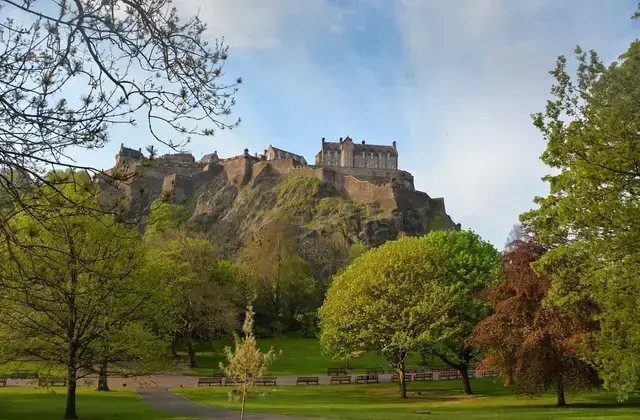
Edinburgh Castle · Edinburgh & The LothiansEdinburgh & The LothiansEdinburgh Castle Tantallon Castle · Edinburgh & The LothiansEdinburgh & The LothiansTantallon Castle Craigmillar Castle · Edinburgh & The LothiansEdinburgh & The LothiansCraigmillar Castle
Explore Scotland

Find Scottish castles by region, landscape or the stories that bring them to life.