01 / THE STORY
Linlithgow Palace: history and highlights
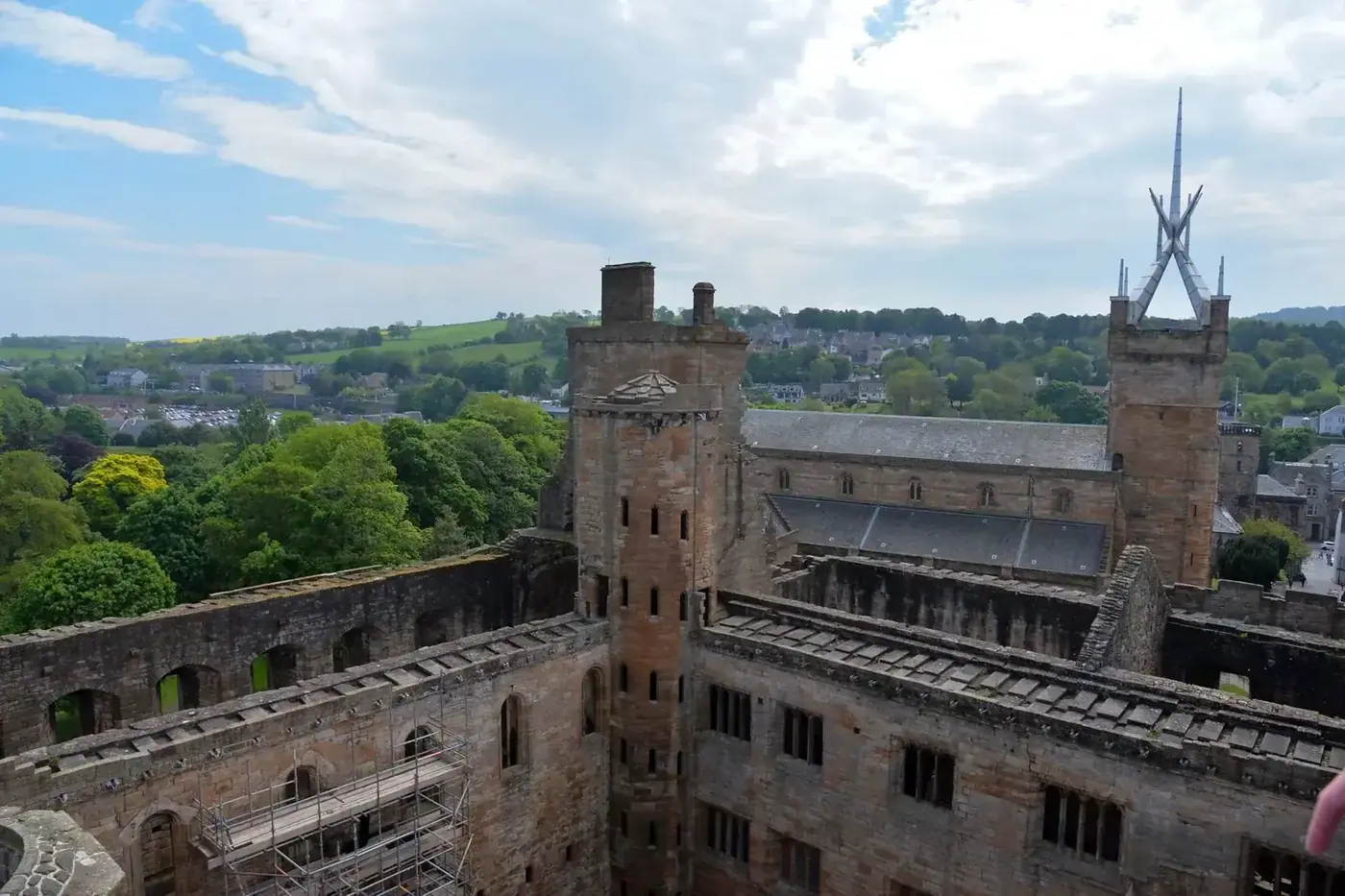
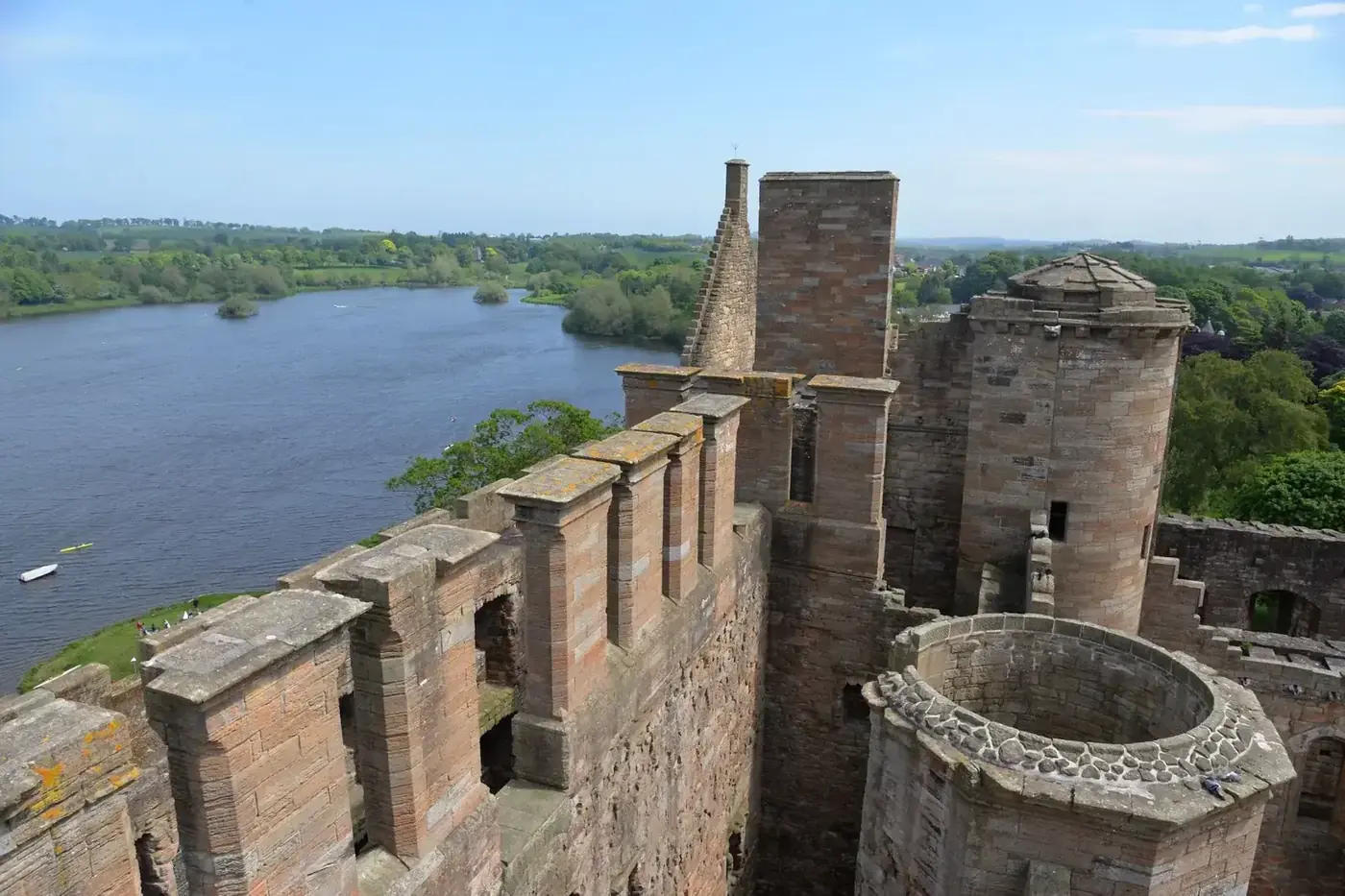
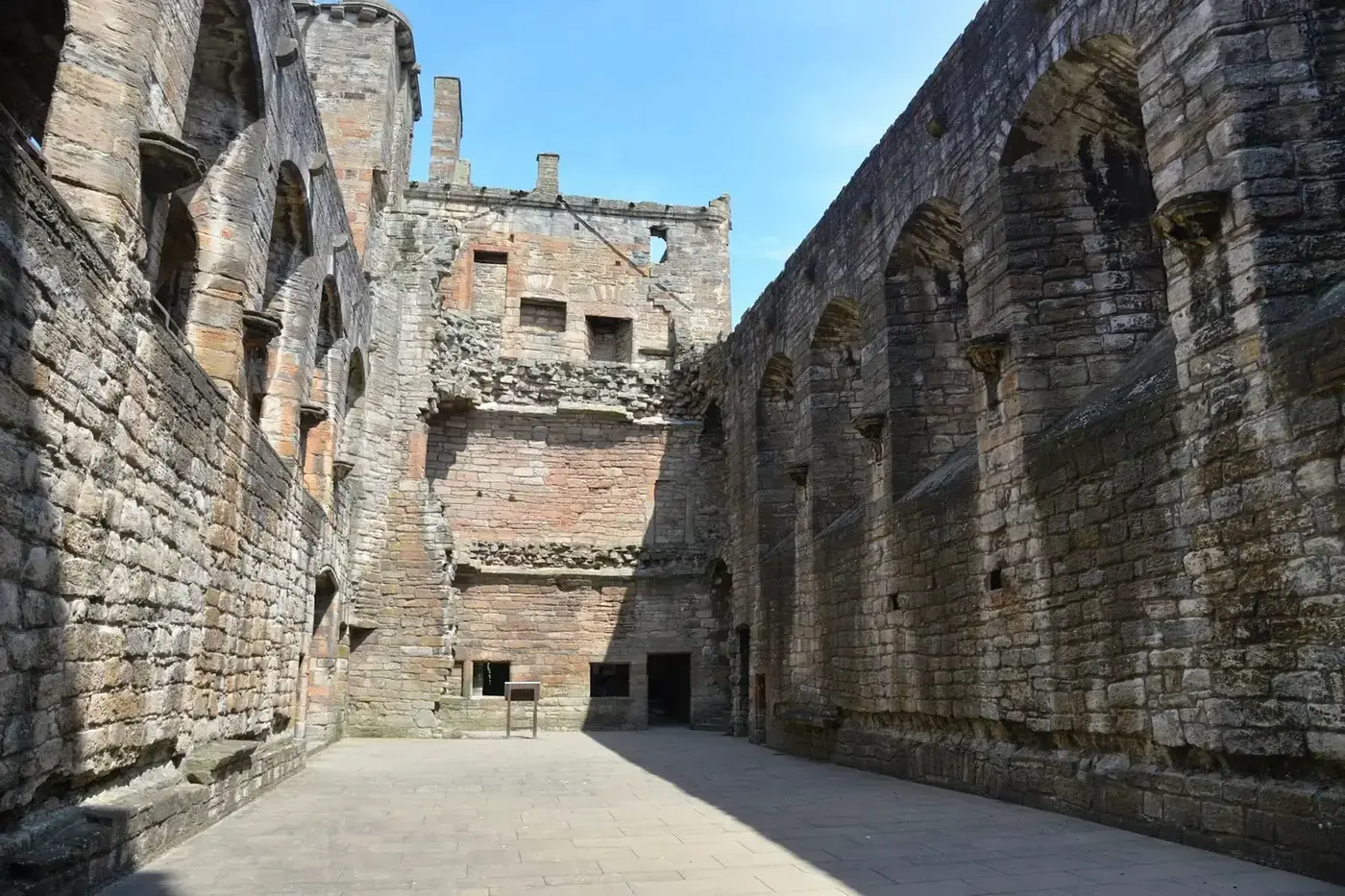
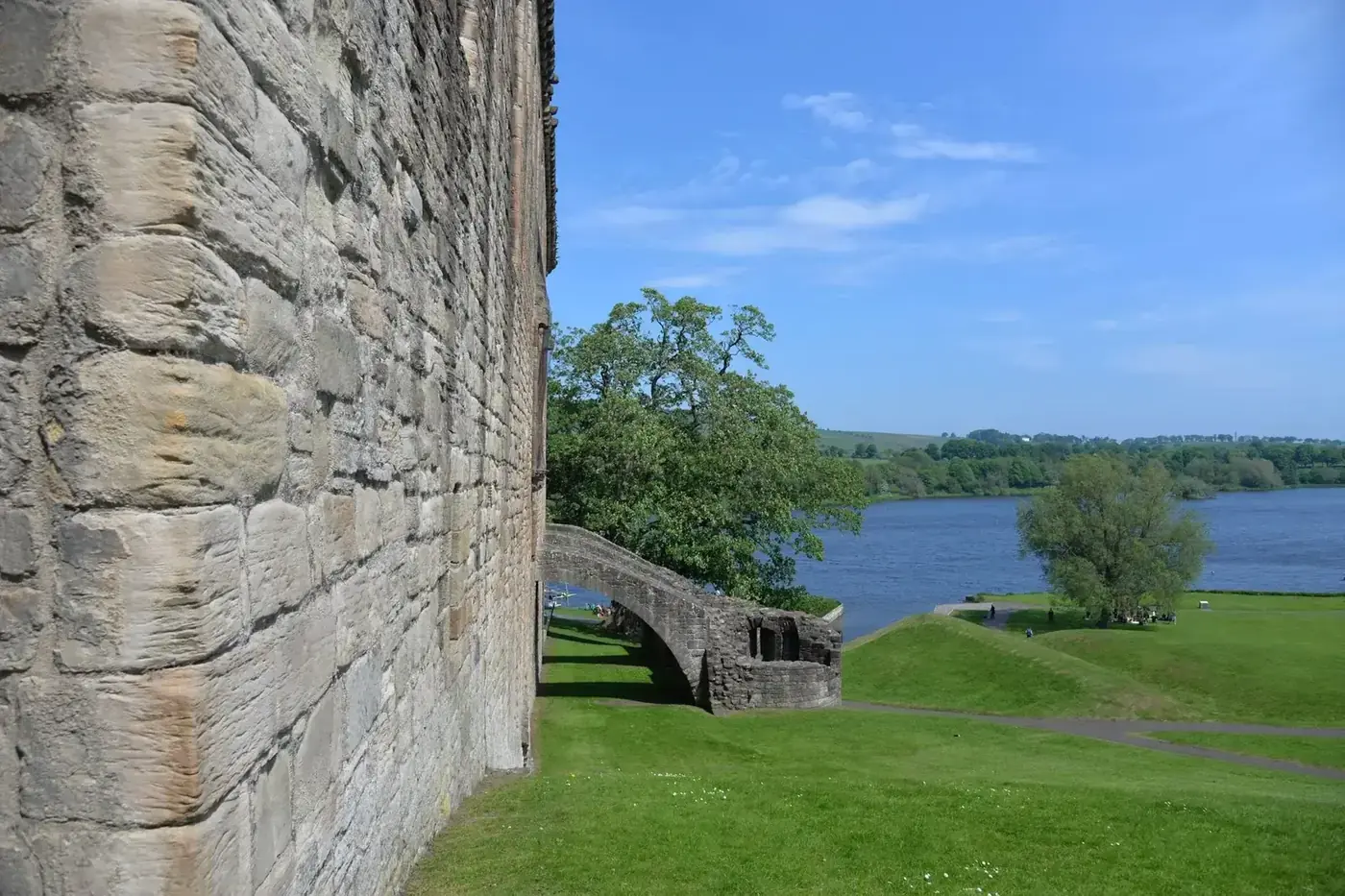
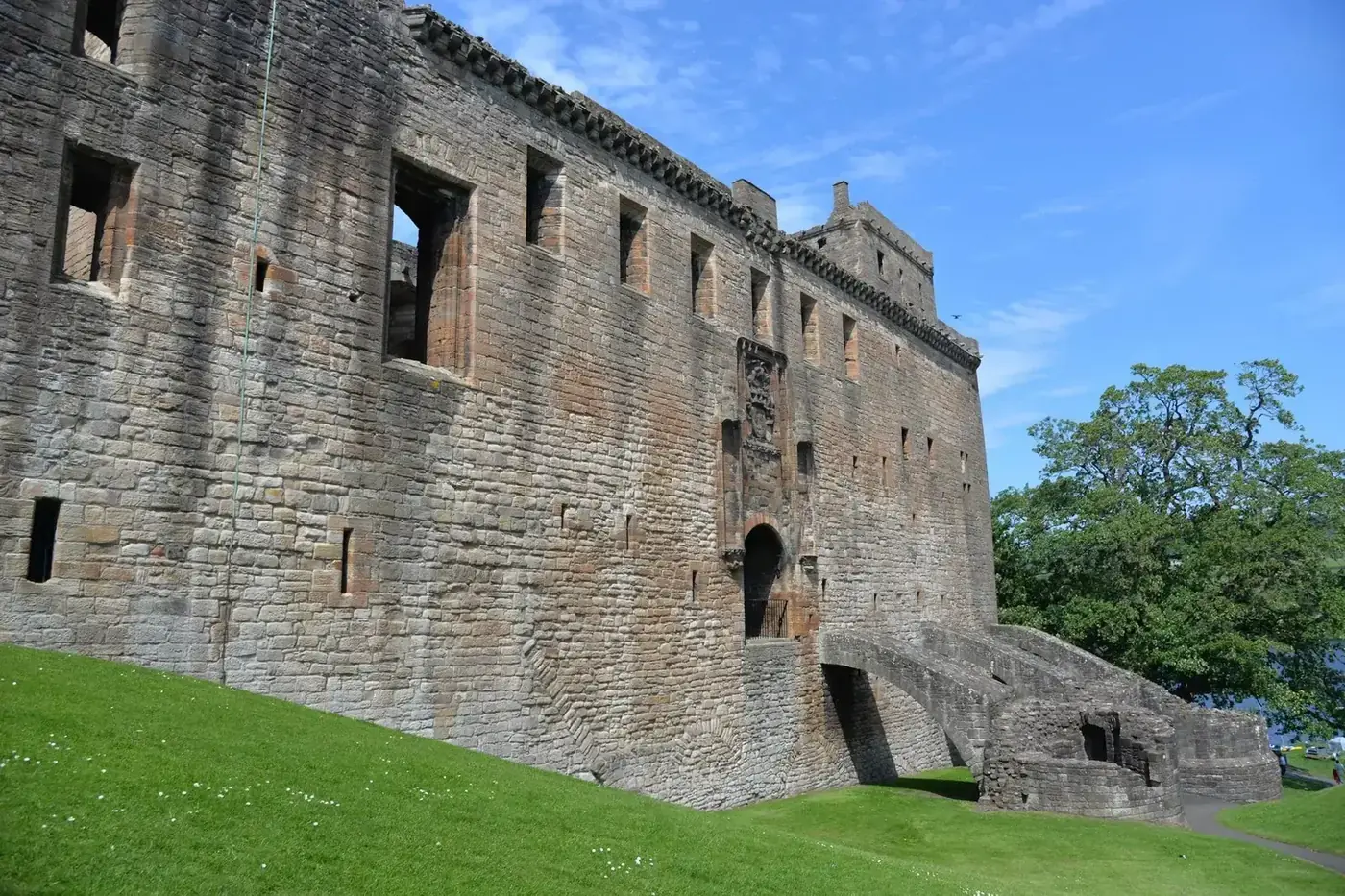
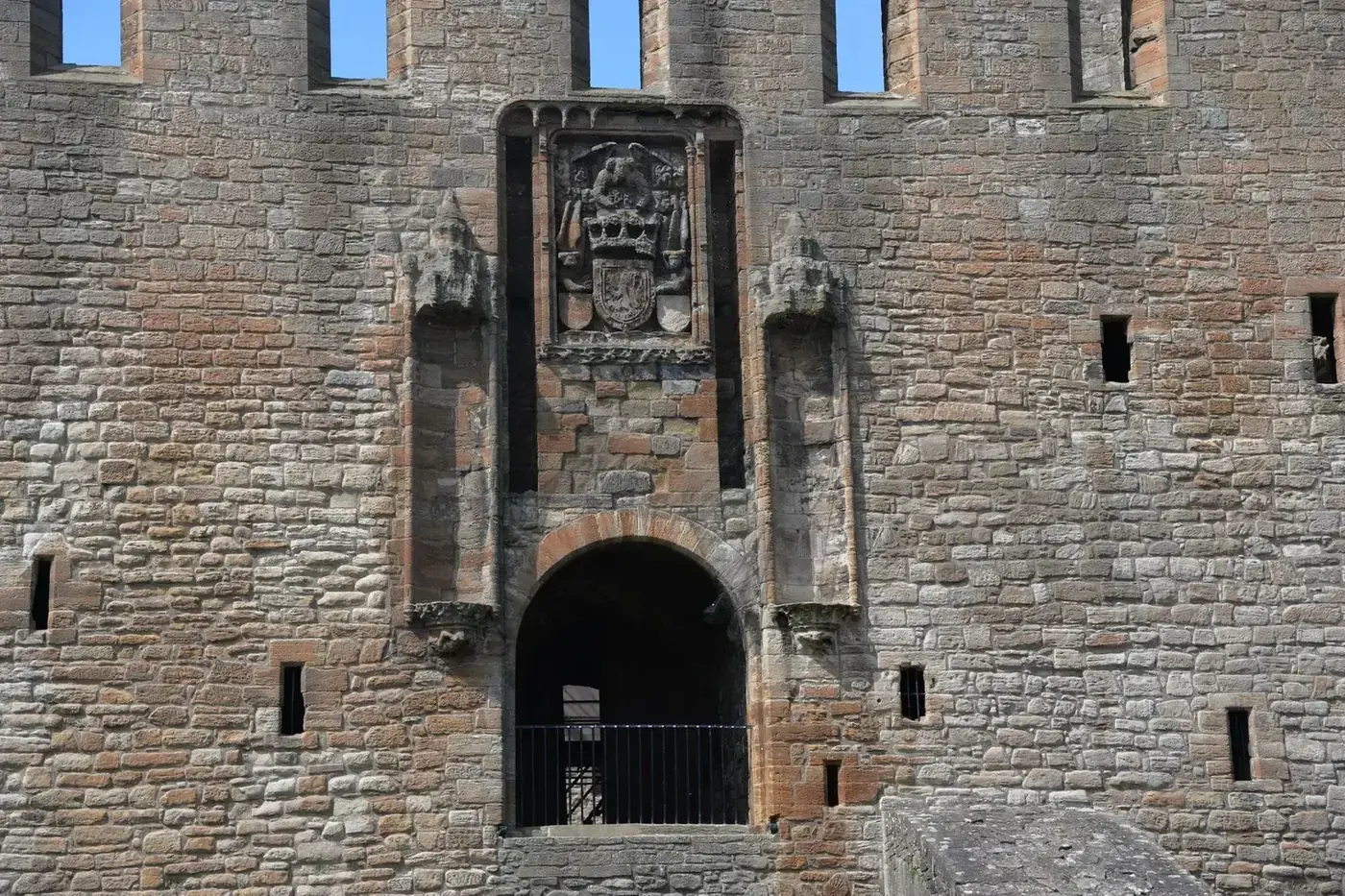
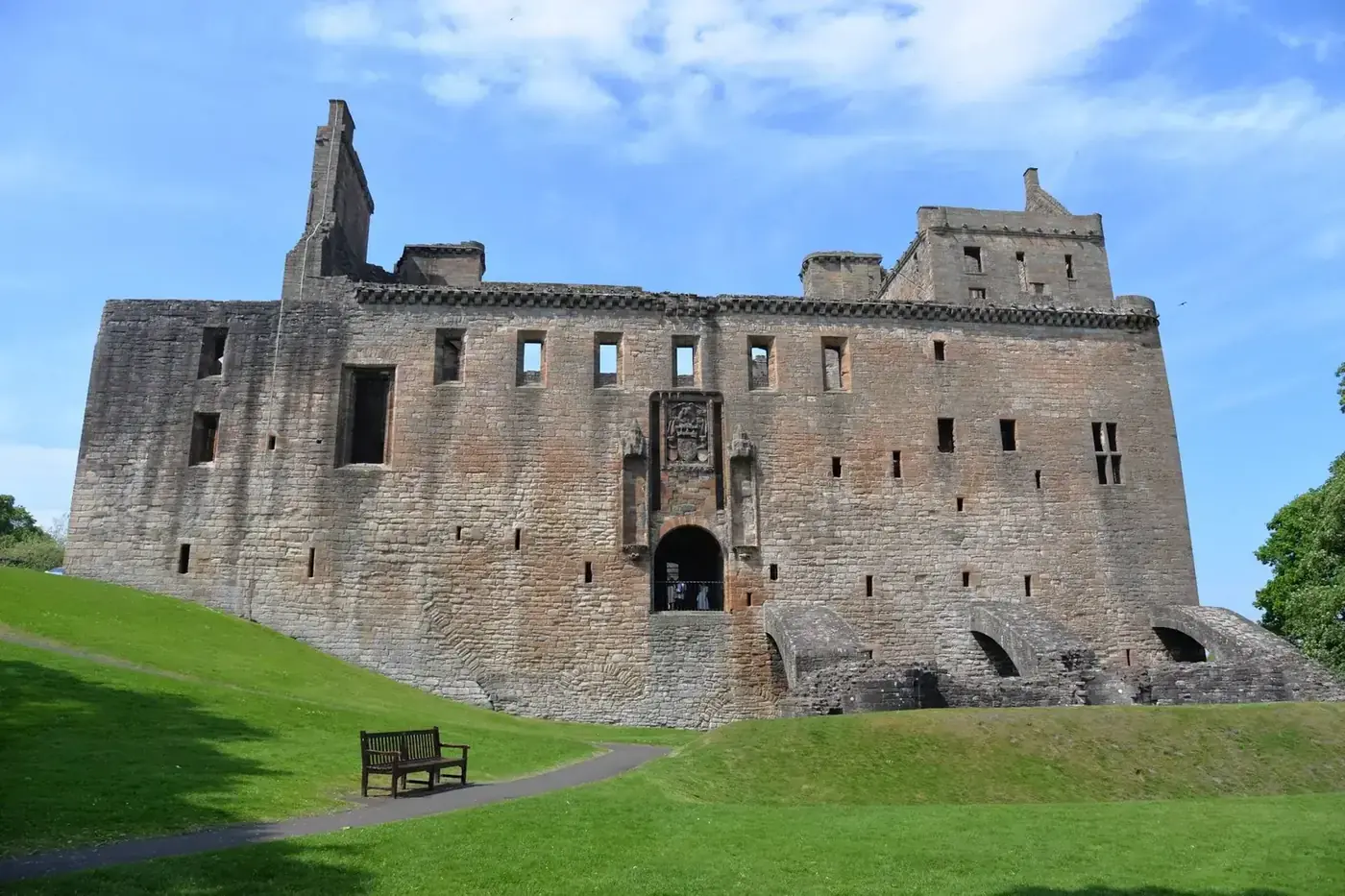
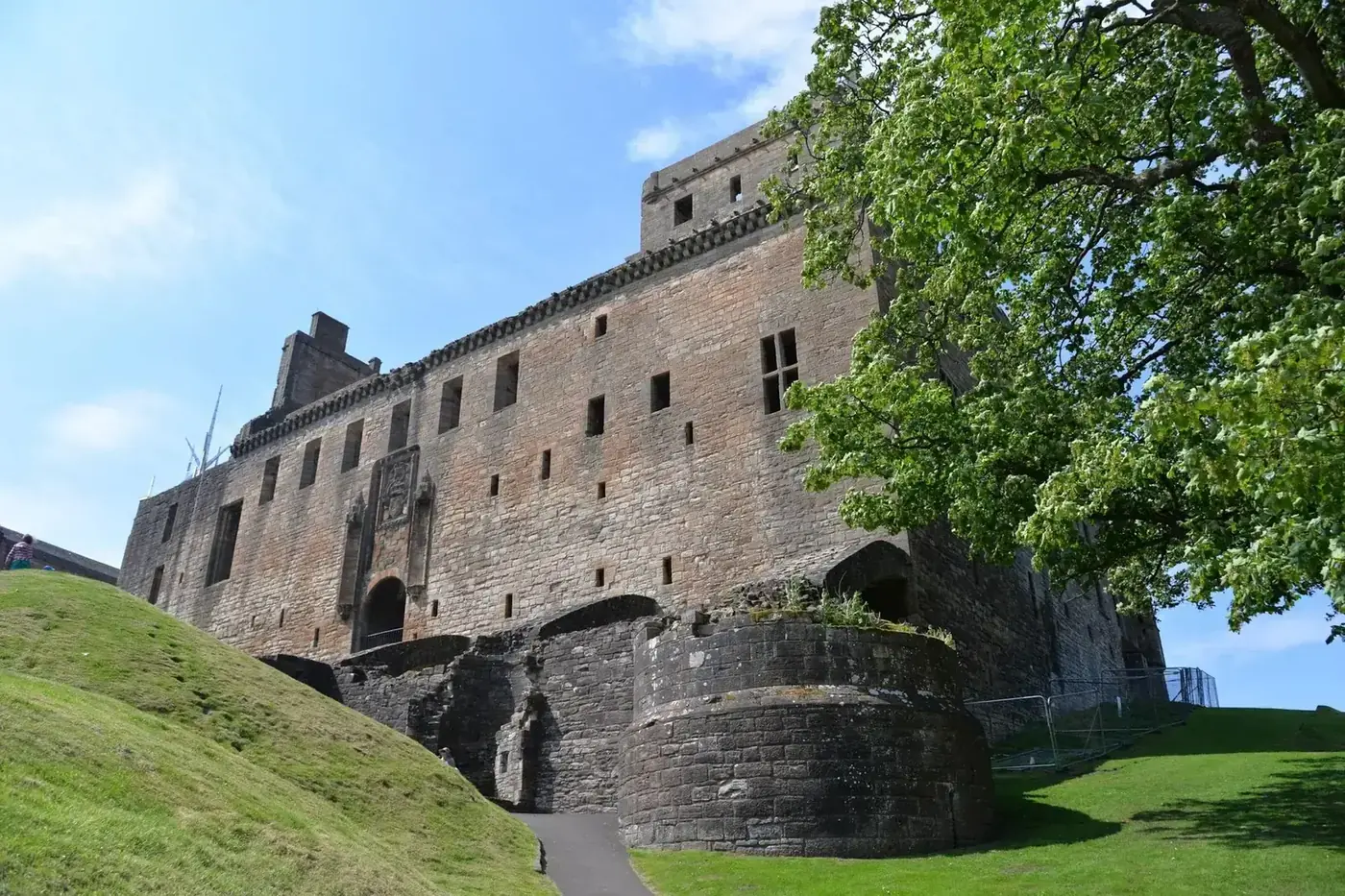
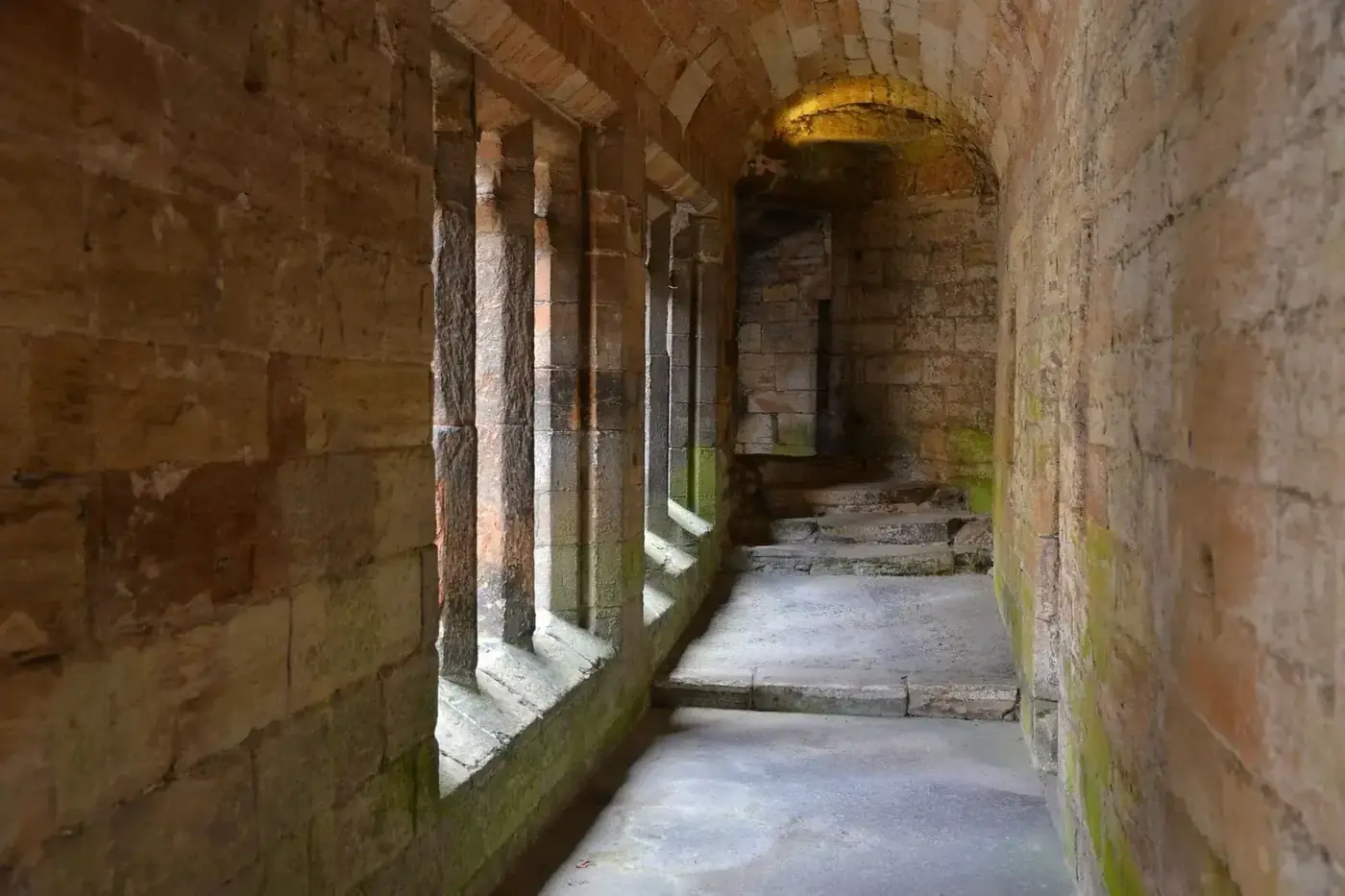
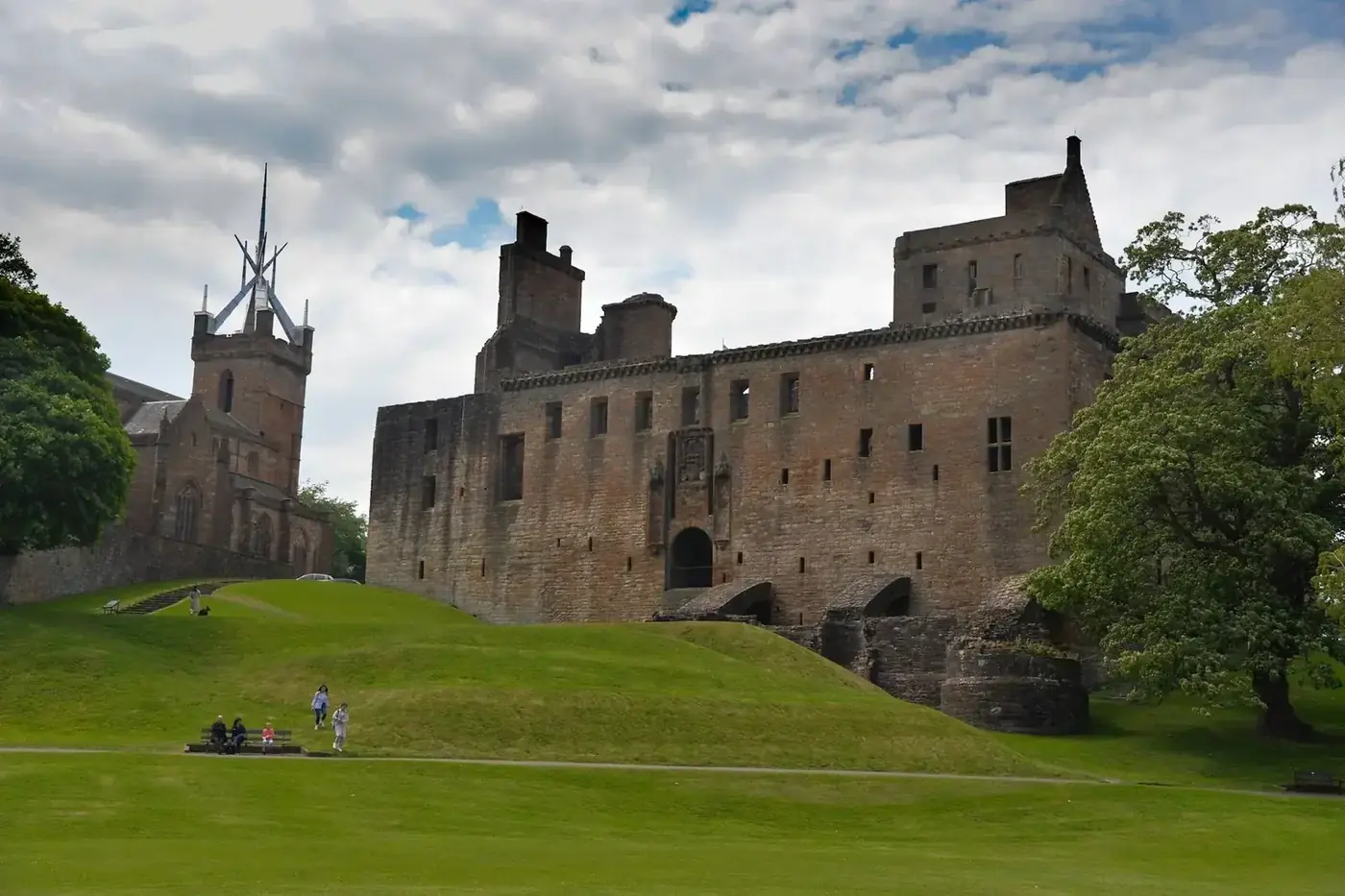
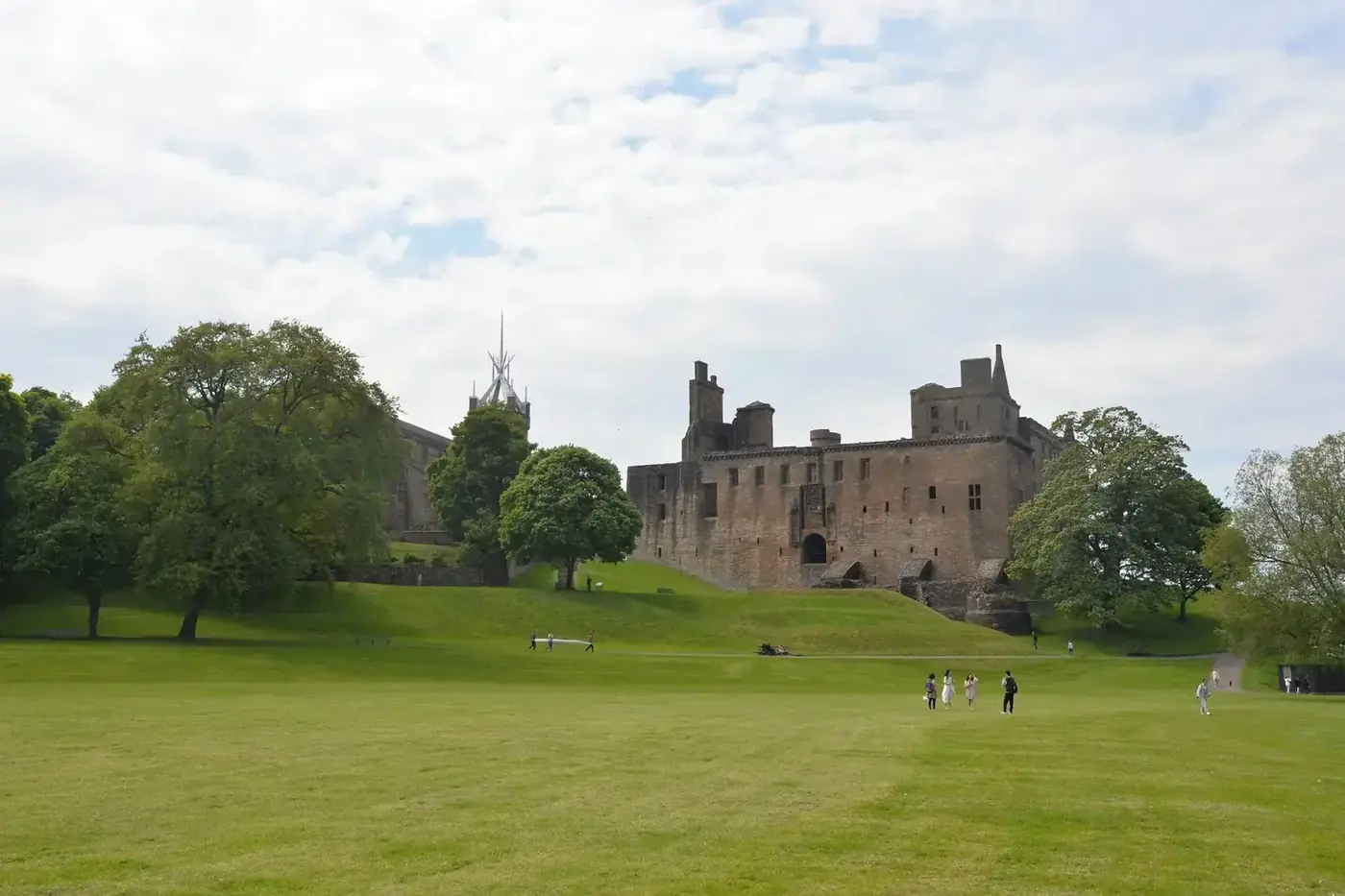
Linlithgow Palace sits beside its loch with the confidence of a building that once expected royal guests. The roofs are gone, but the scale remains: tall windows, great rooms and a courtyard fountain that still knows how to draw attention.
This was the birthplace of Mary, Queen of Scots. Yet the most enjoyable visit is not a march through her biography. It is a chance to wander through a royal home and imagine the noise, colour and daily effort that once filled it.
Why visit the palace?
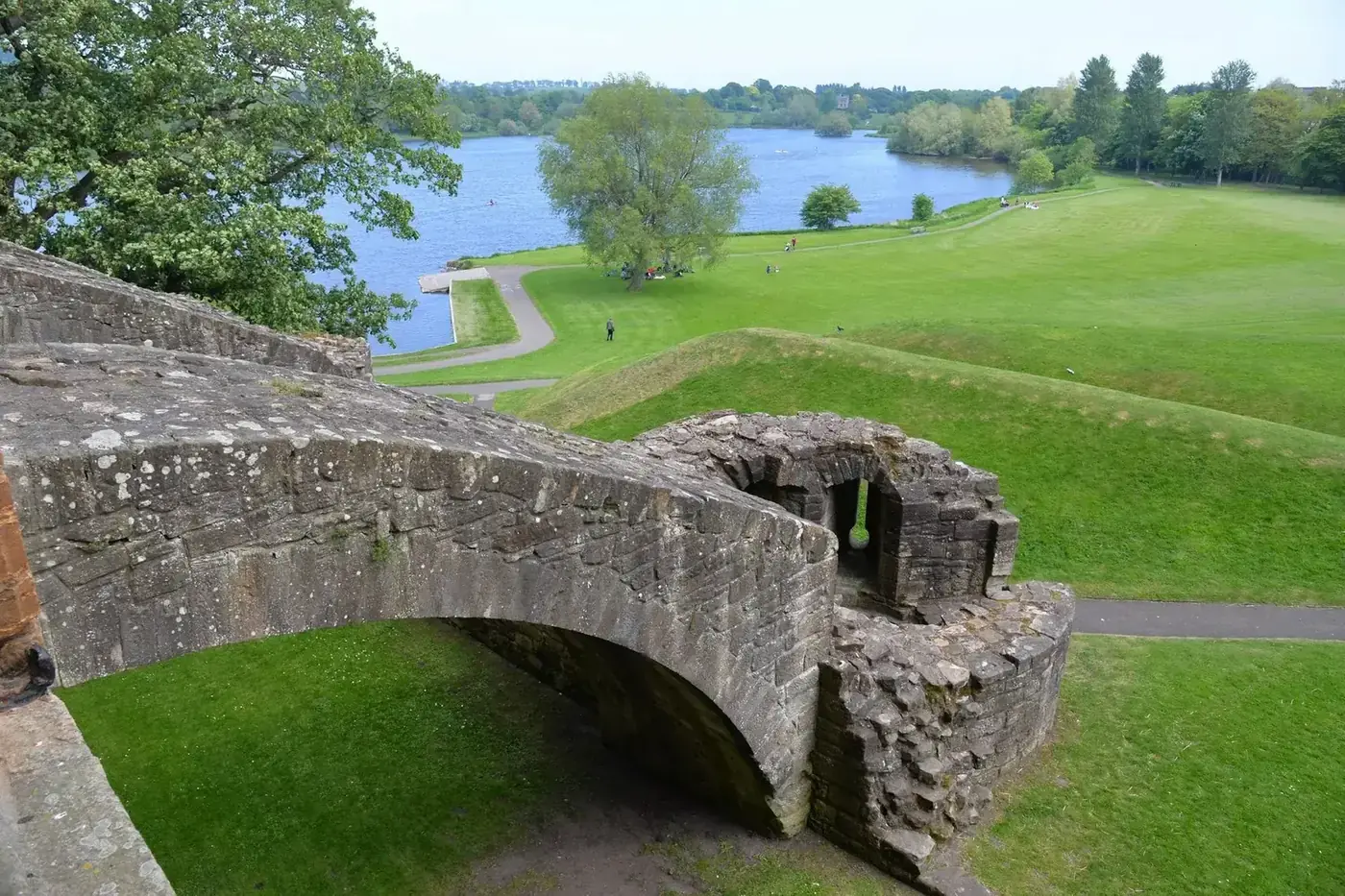
Linlithgow pairs a substantial ruin with an inviting waterside setting. You can explore the palace and then see it from outside, where the loch helps put the size of the building in perspective.
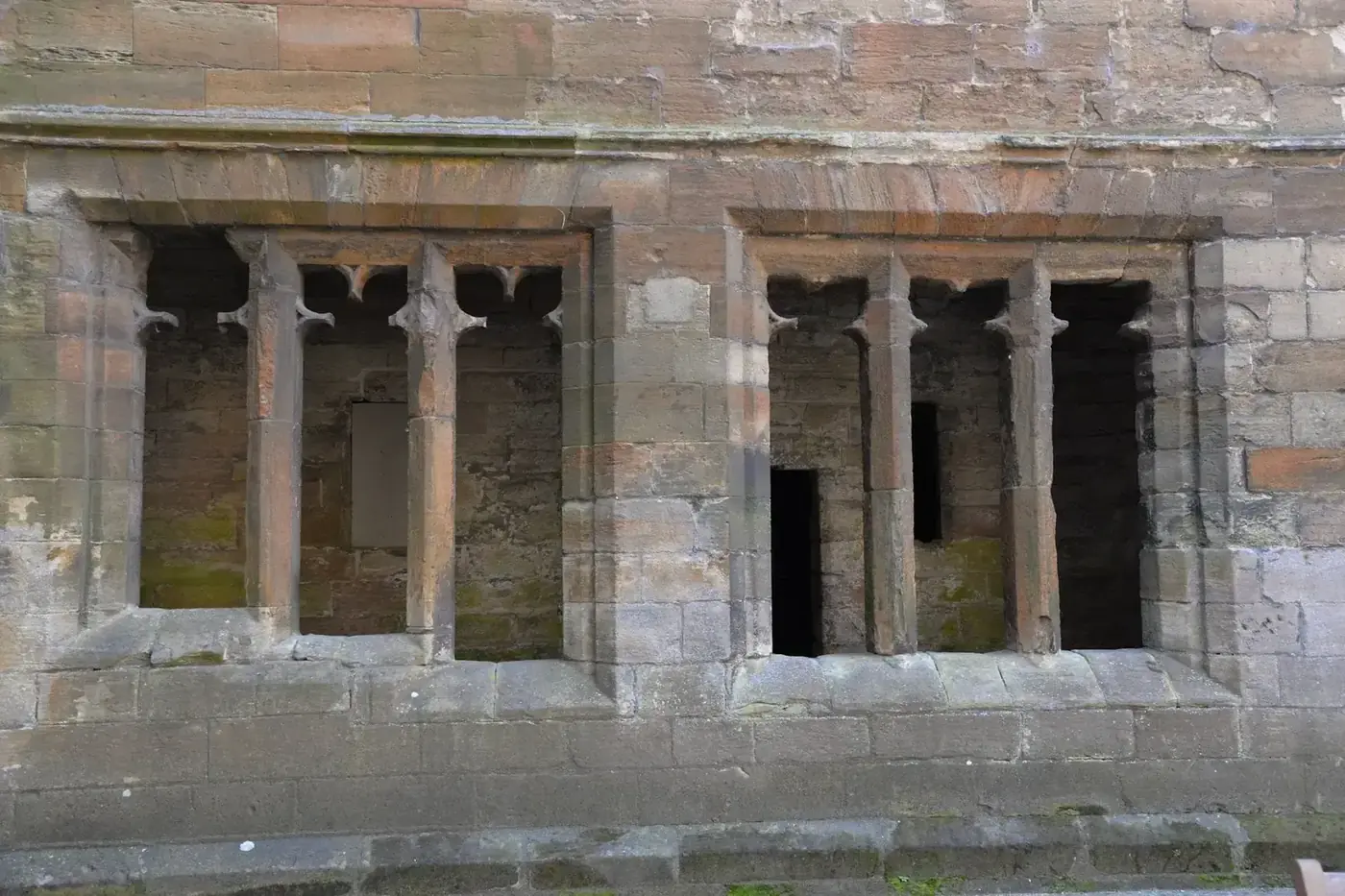
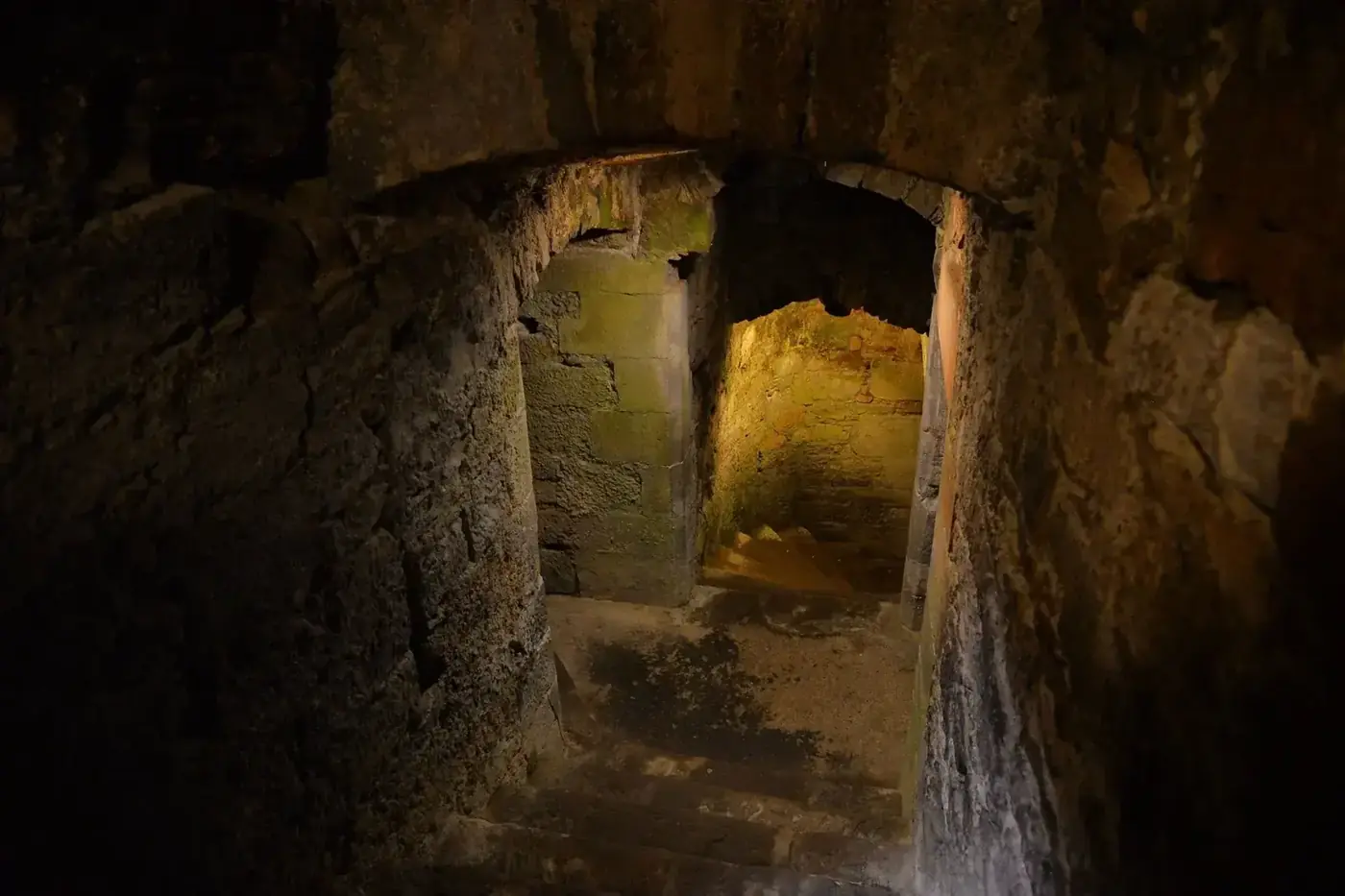
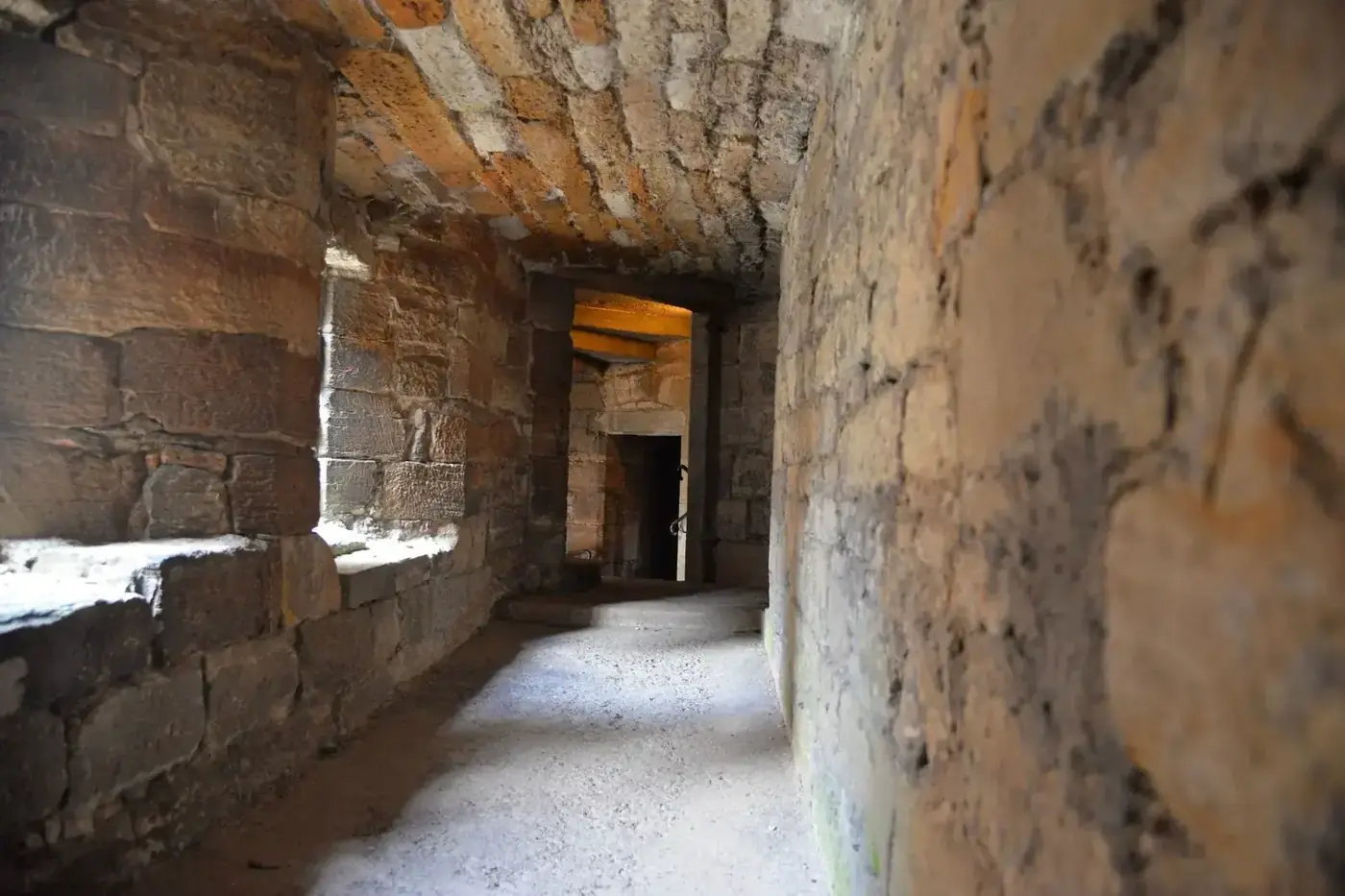
It is a good choice if you enjoy discovering rooms for yourself. Follow the permitted routes, pause at windows and let the changing views connect the palace to the landscape.
A queen’s story begins here
Mary, Queen of Scots, was born at Linlithgow in December 1542. Within days, the death of her father, James V, made the infant queen of Scotland.
That is an extraordinary beginning for any life. Here, however, it brings you back to a simple domestic idea: a royal palace was also somewhere a mother cared for a newborn, while politics pressed in from outside.
The fountain with a taste for celebration
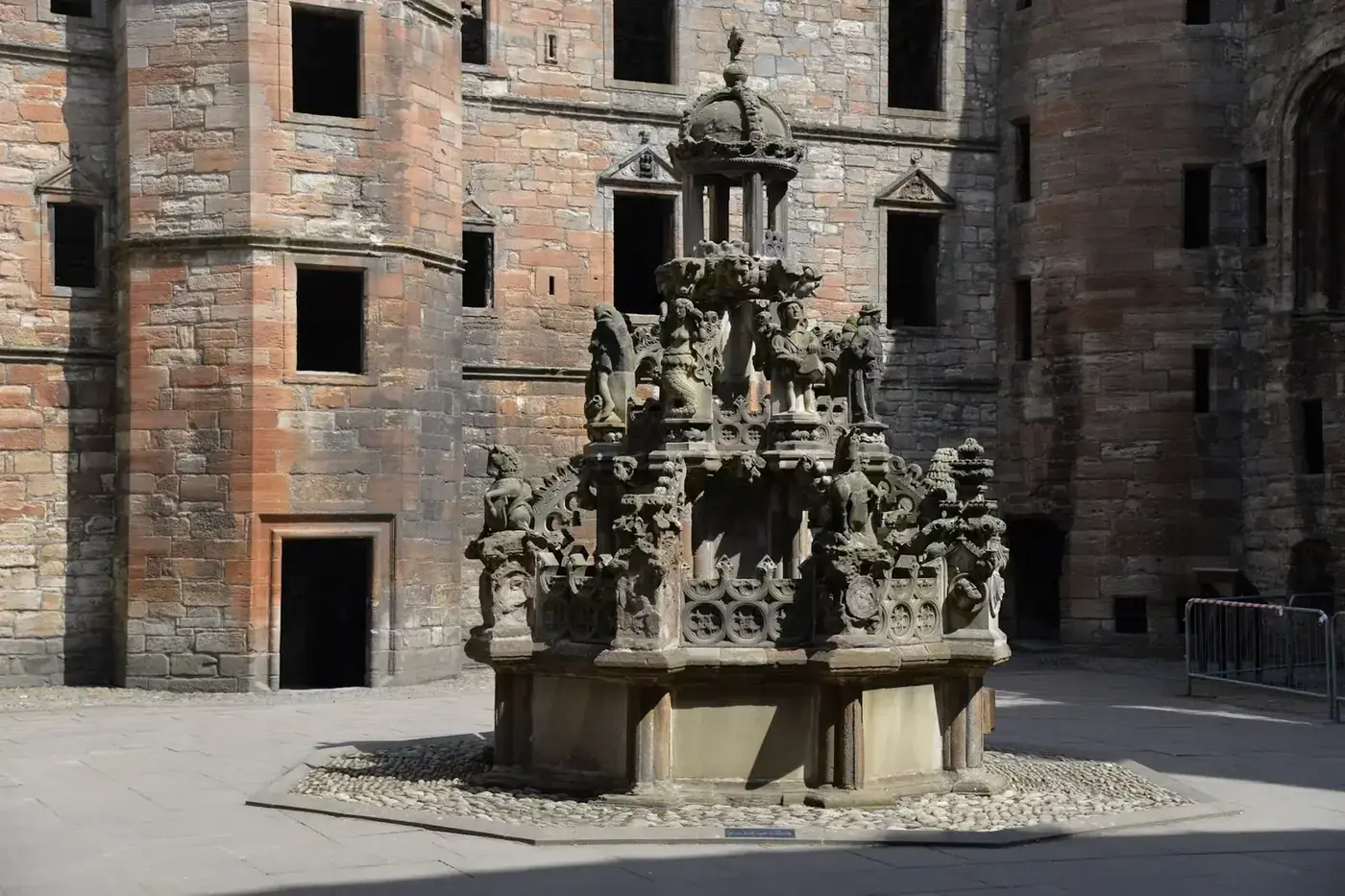
The elaborate courtyard fountain belongs to James V’s transformation of the palace. Its carved figures reward a closer look; this was royal display placed where arrivals could hardly miss it.
A later tradition says the fountain flowed with wine in honour of Bonnie Prince Charlie in 1745. Treat that as a celebrated story rather than an everyday palace service. Even without the wine, it is an extravagant way to welcome a guest.
 Castle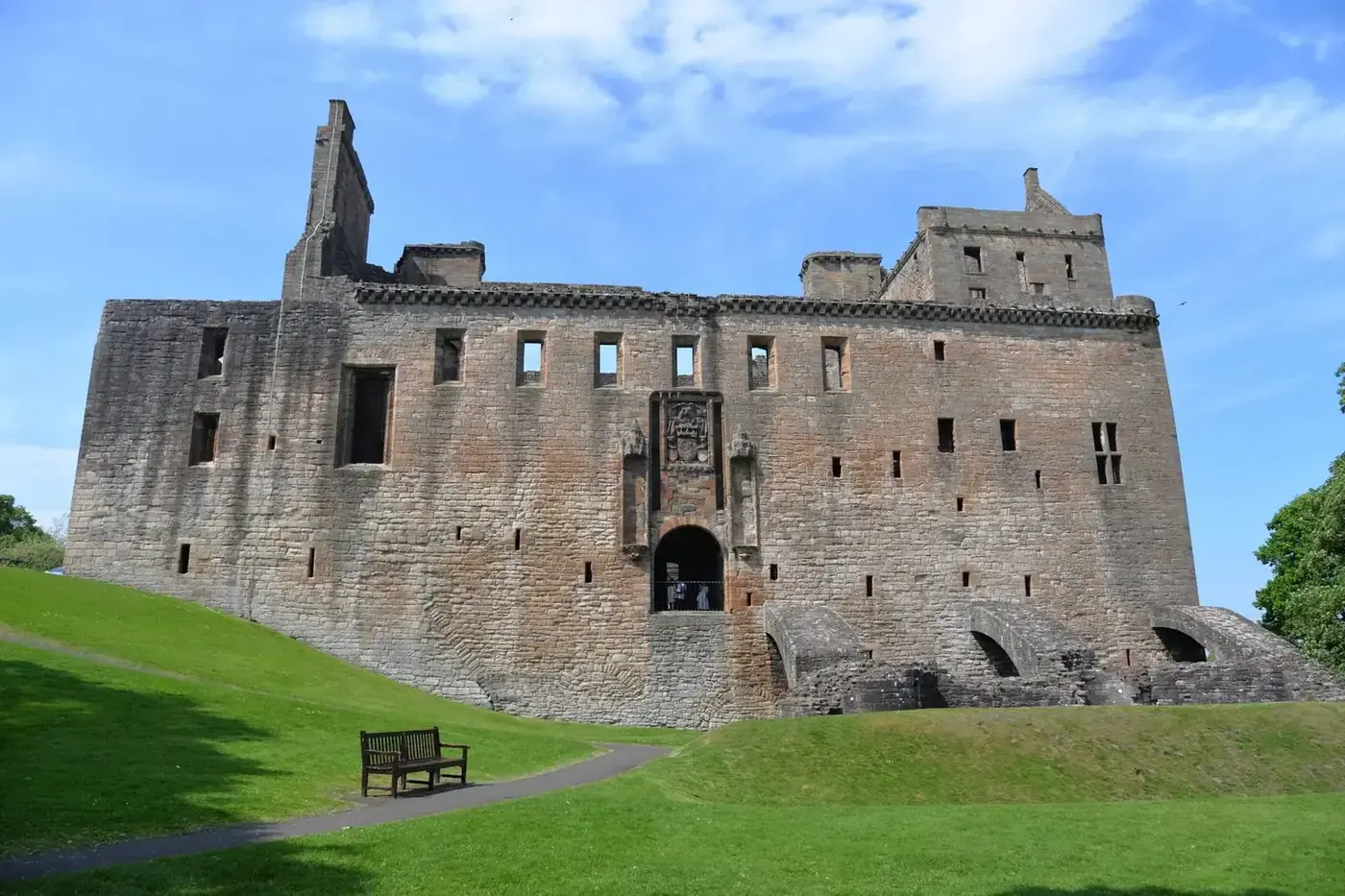
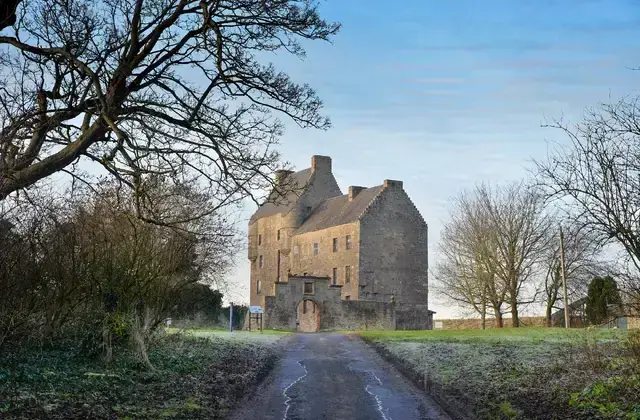 West LothianMidhope Castle
 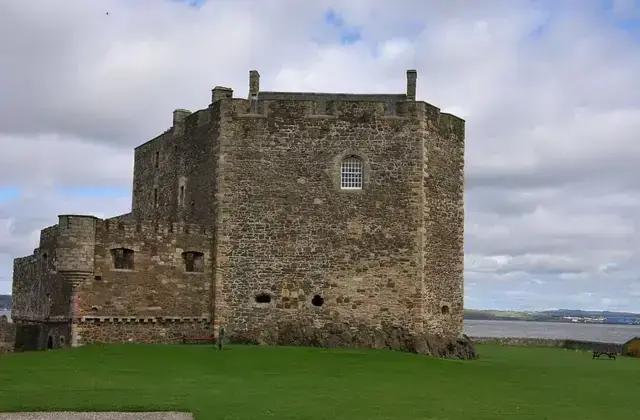 West LothianBlackness Castle
 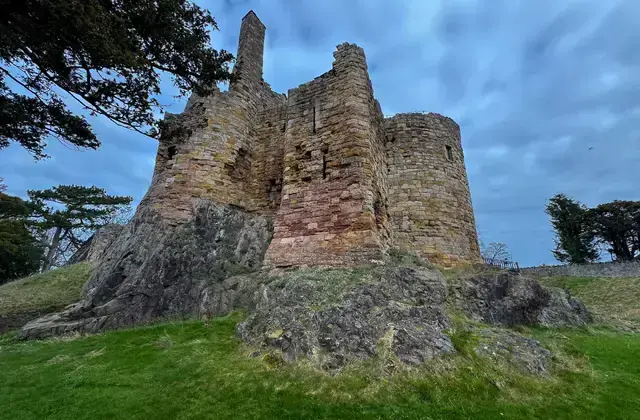 East LothianDirleton Castle