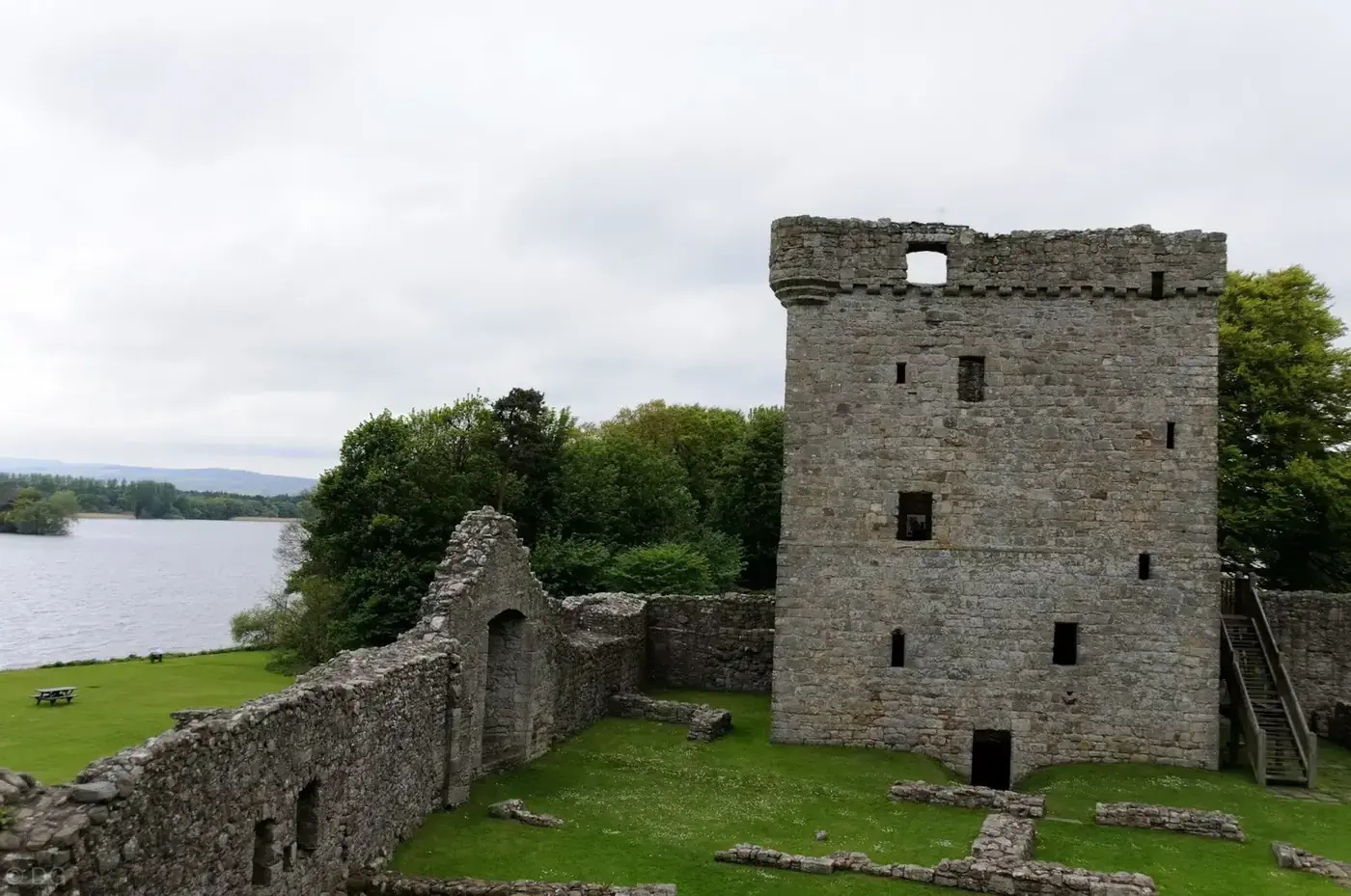
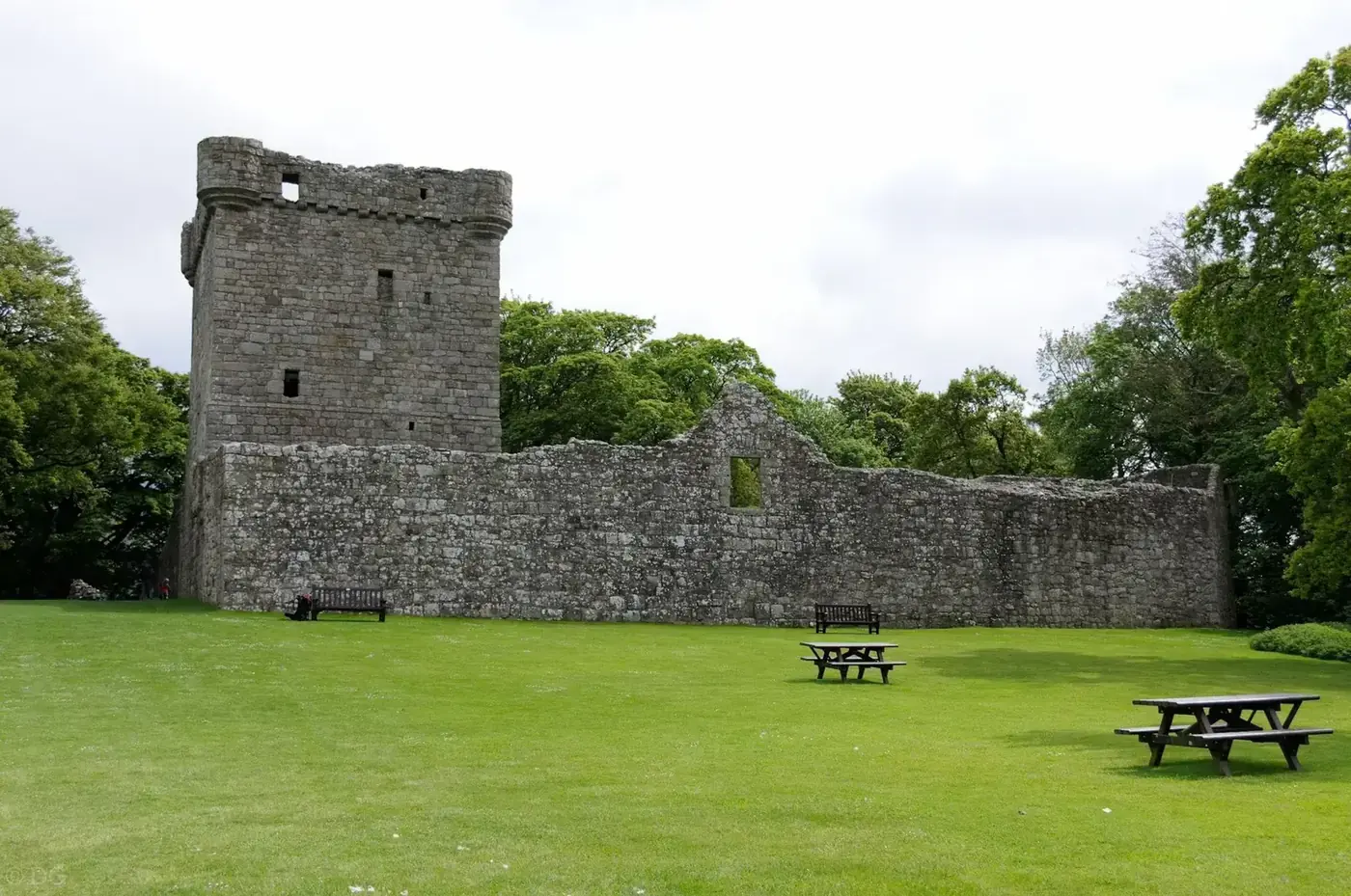
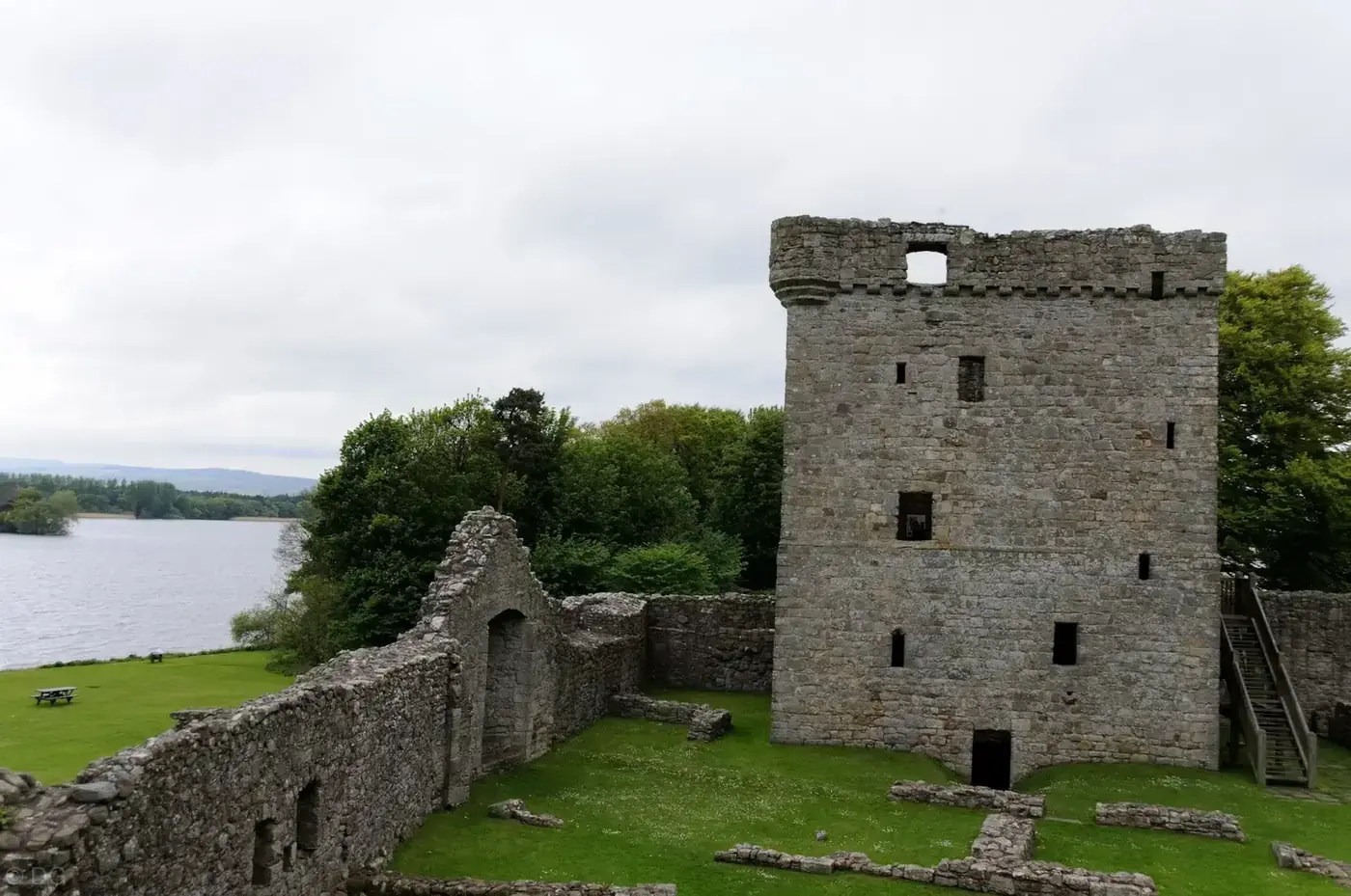
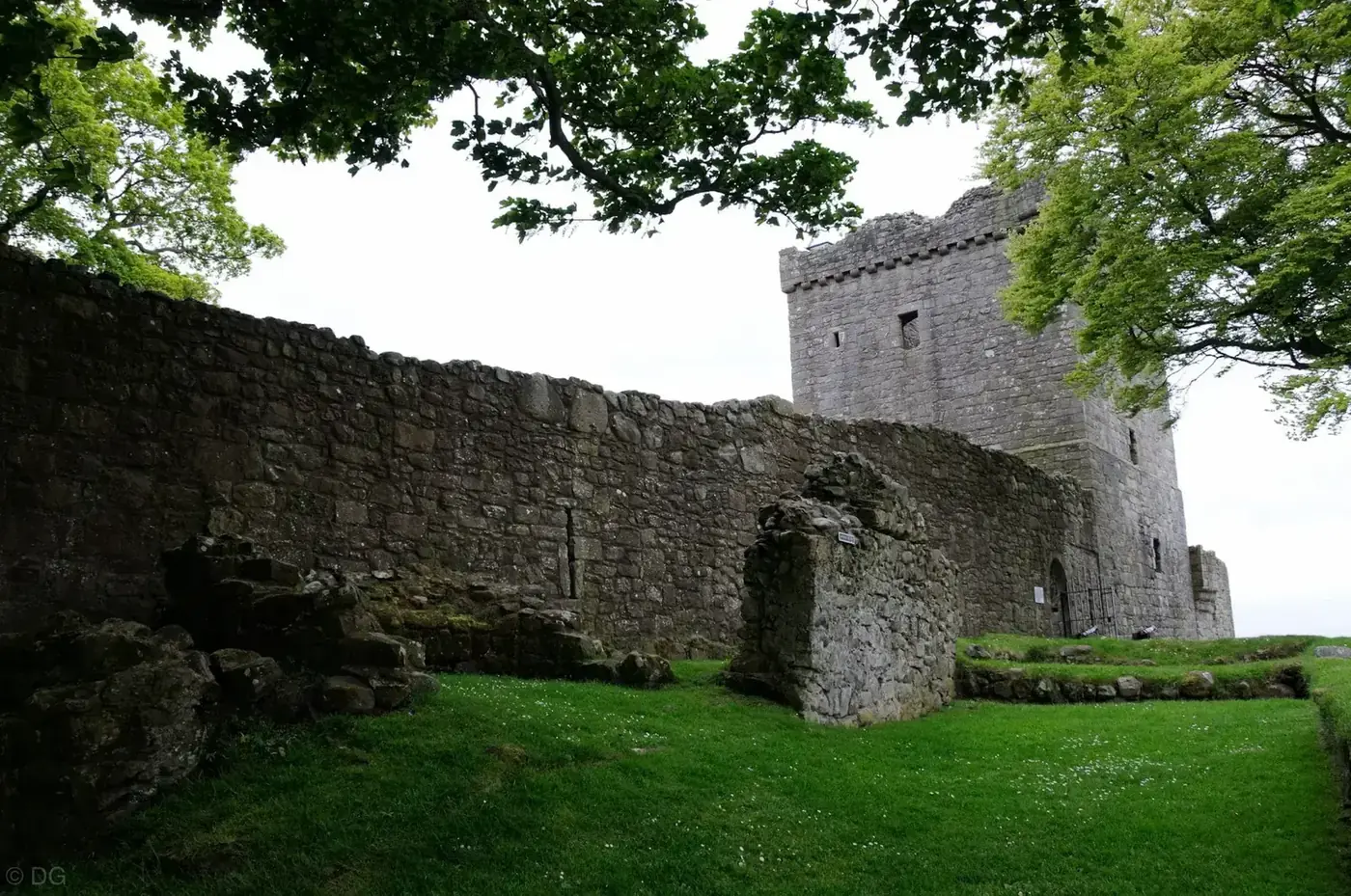
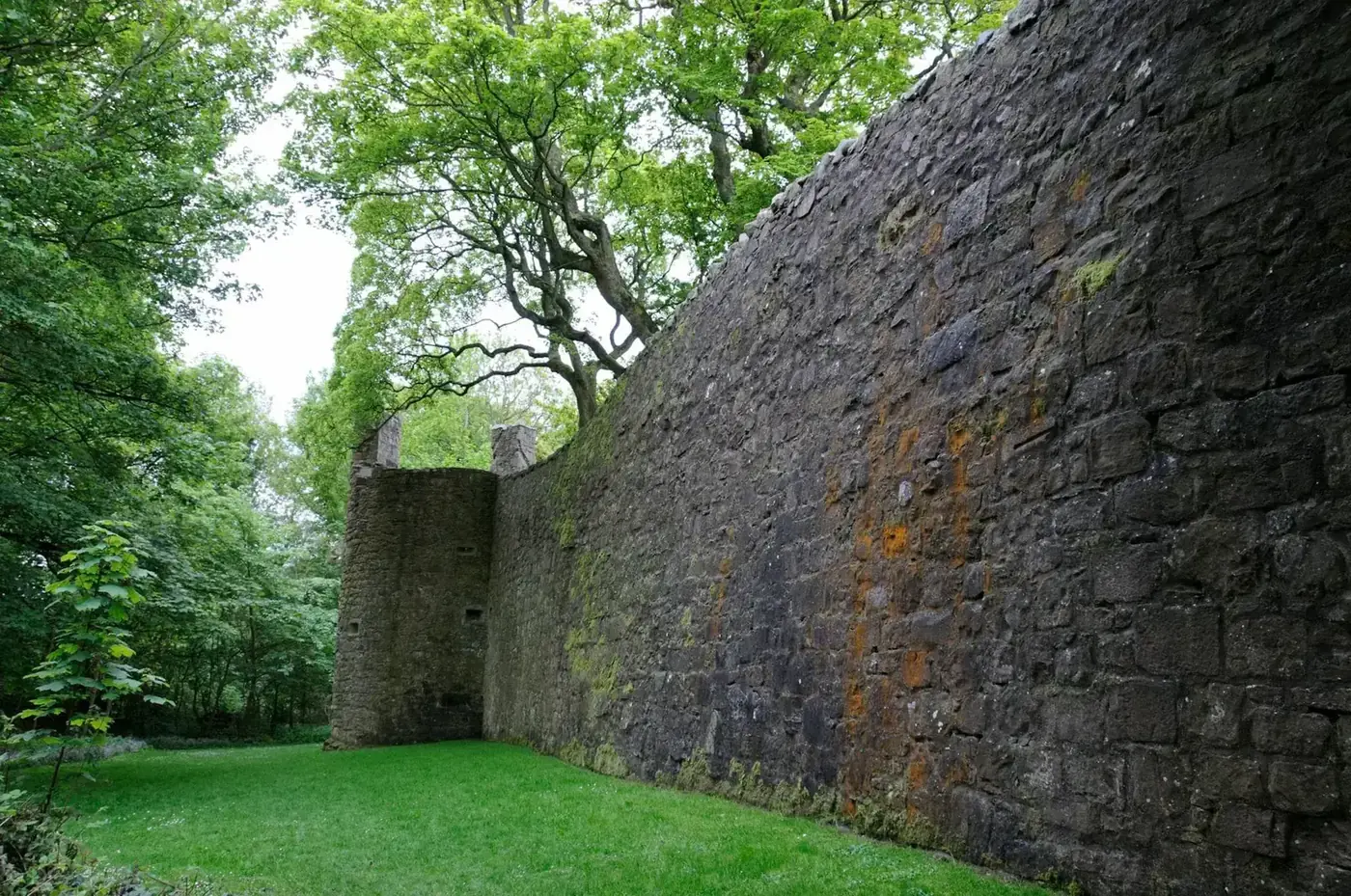
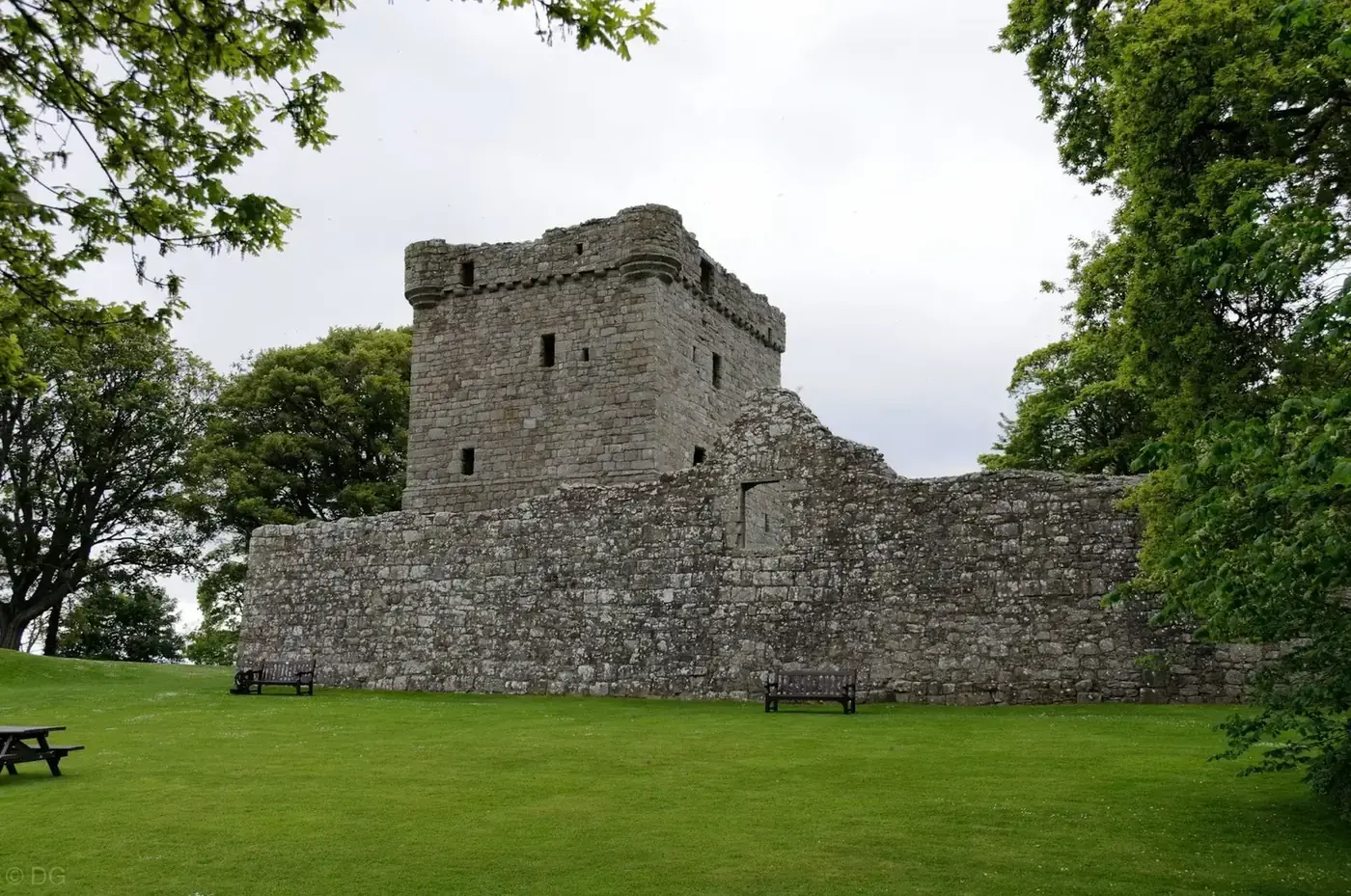
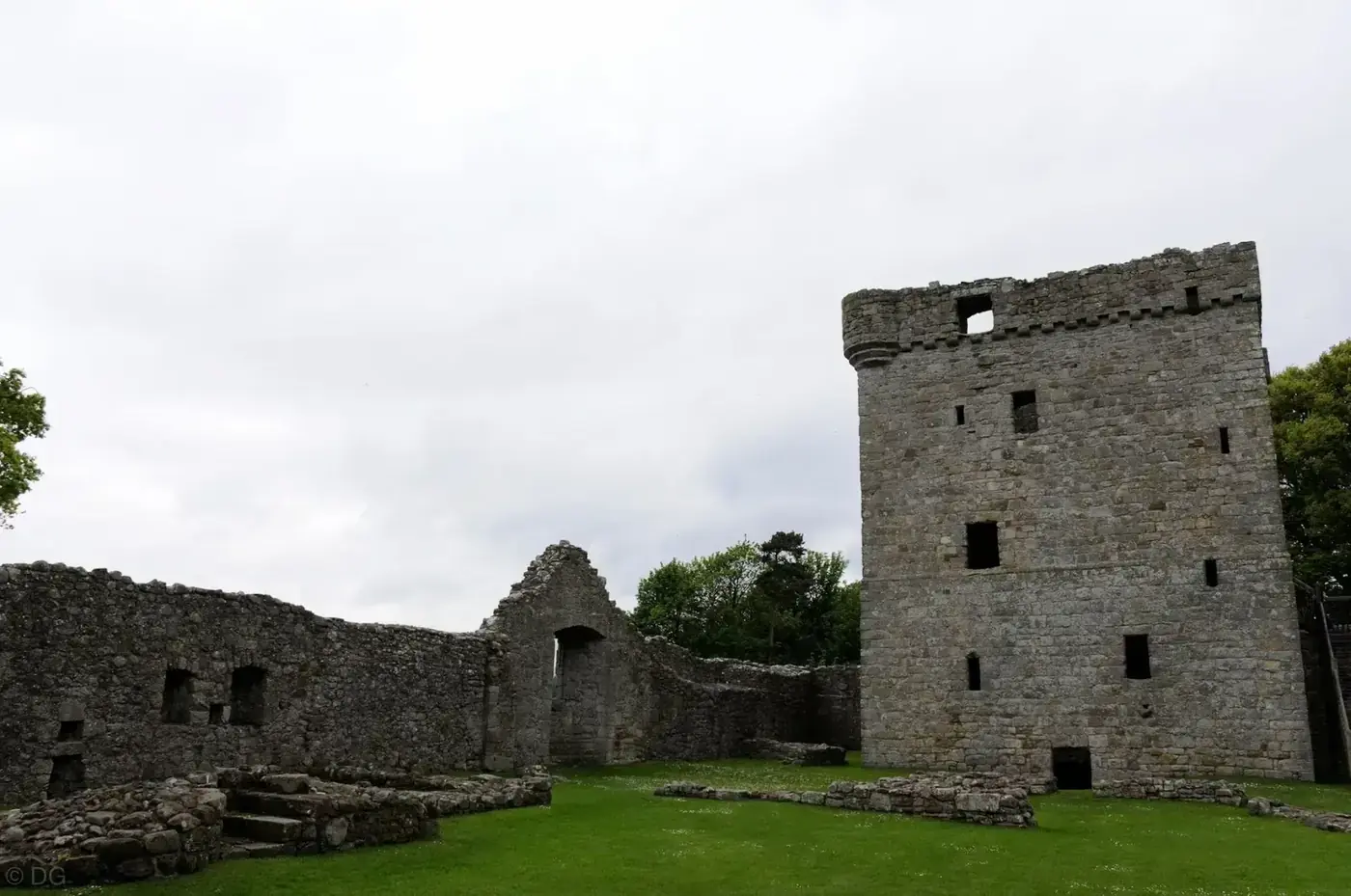
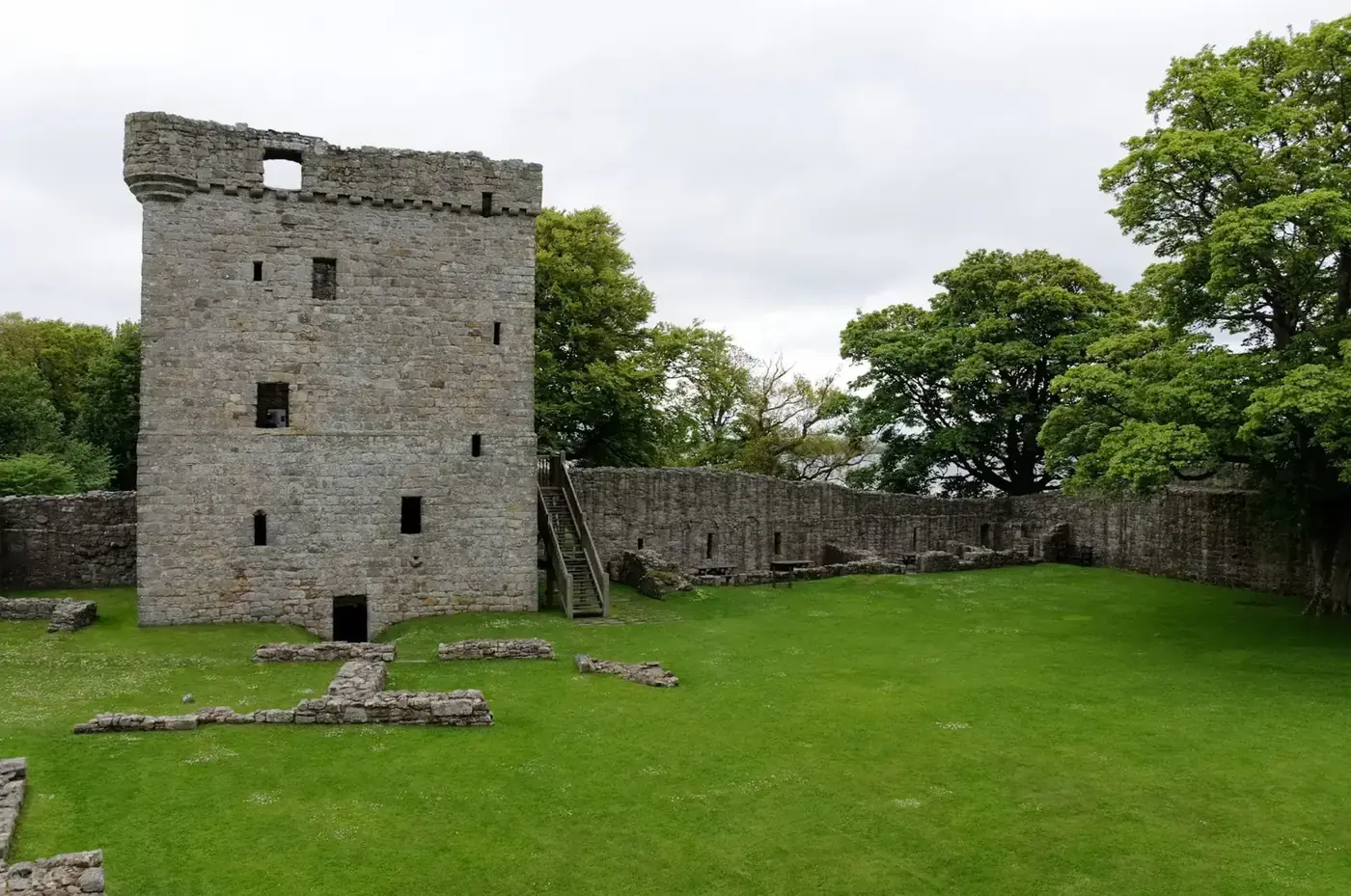
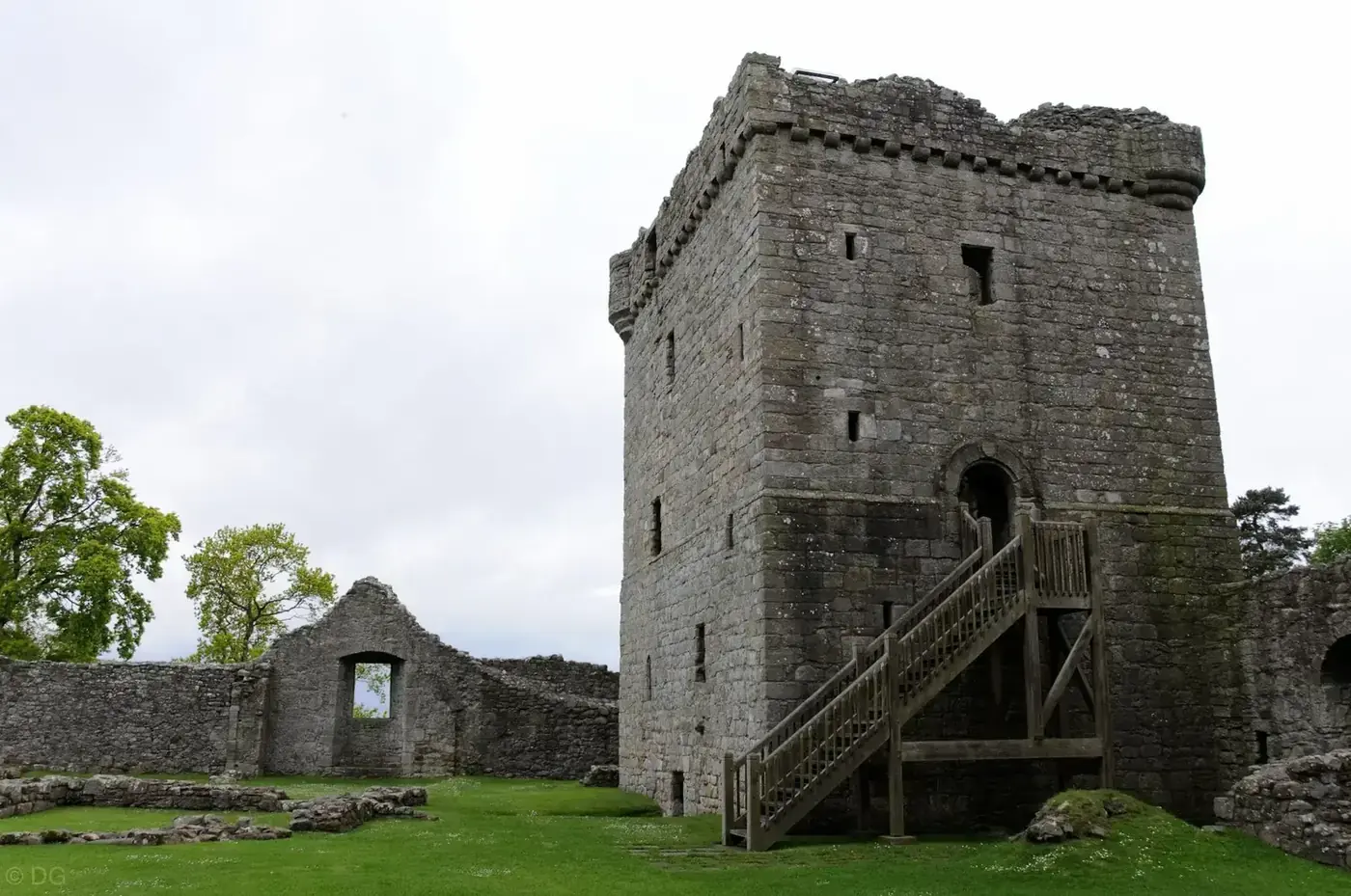
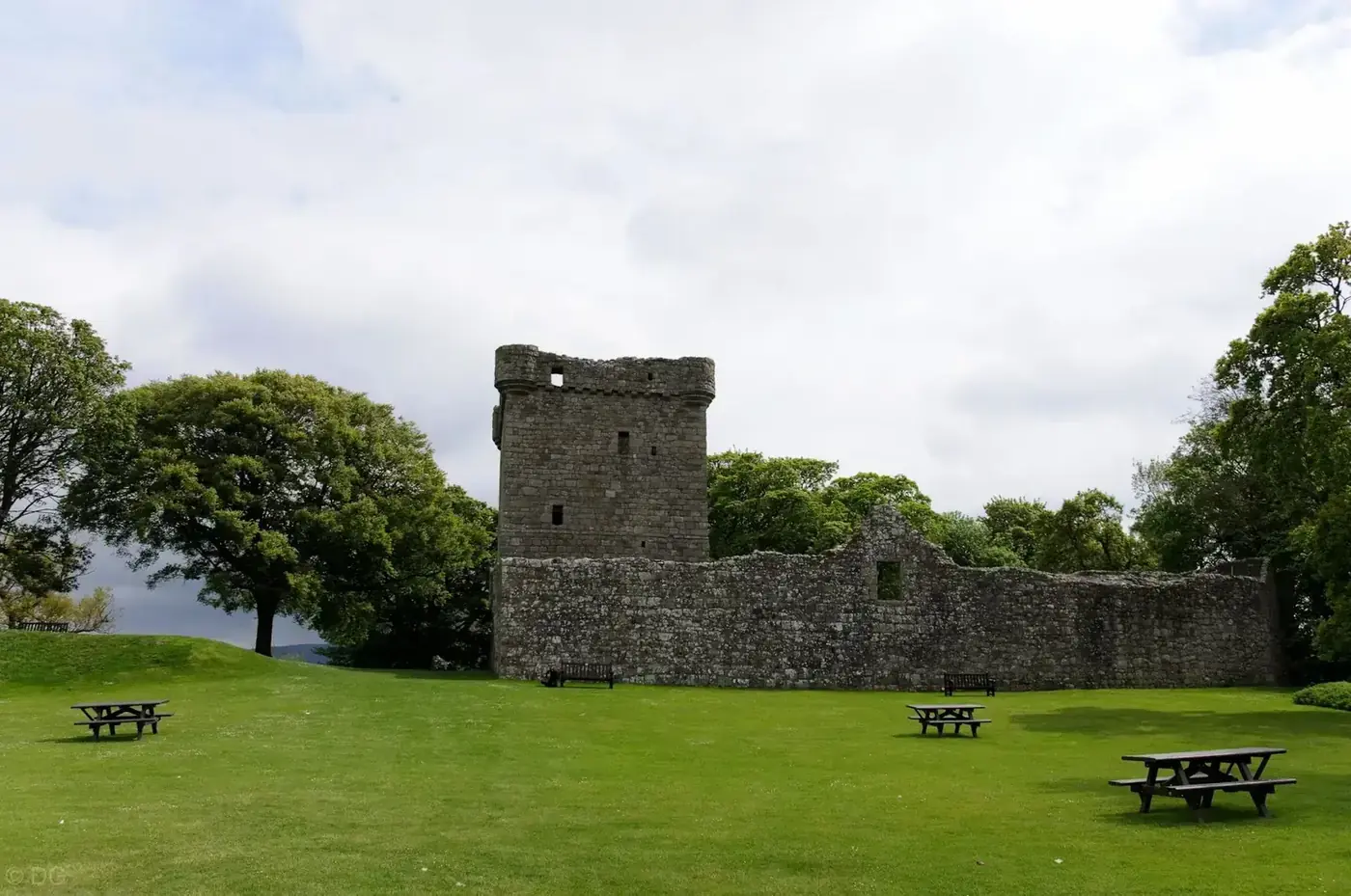
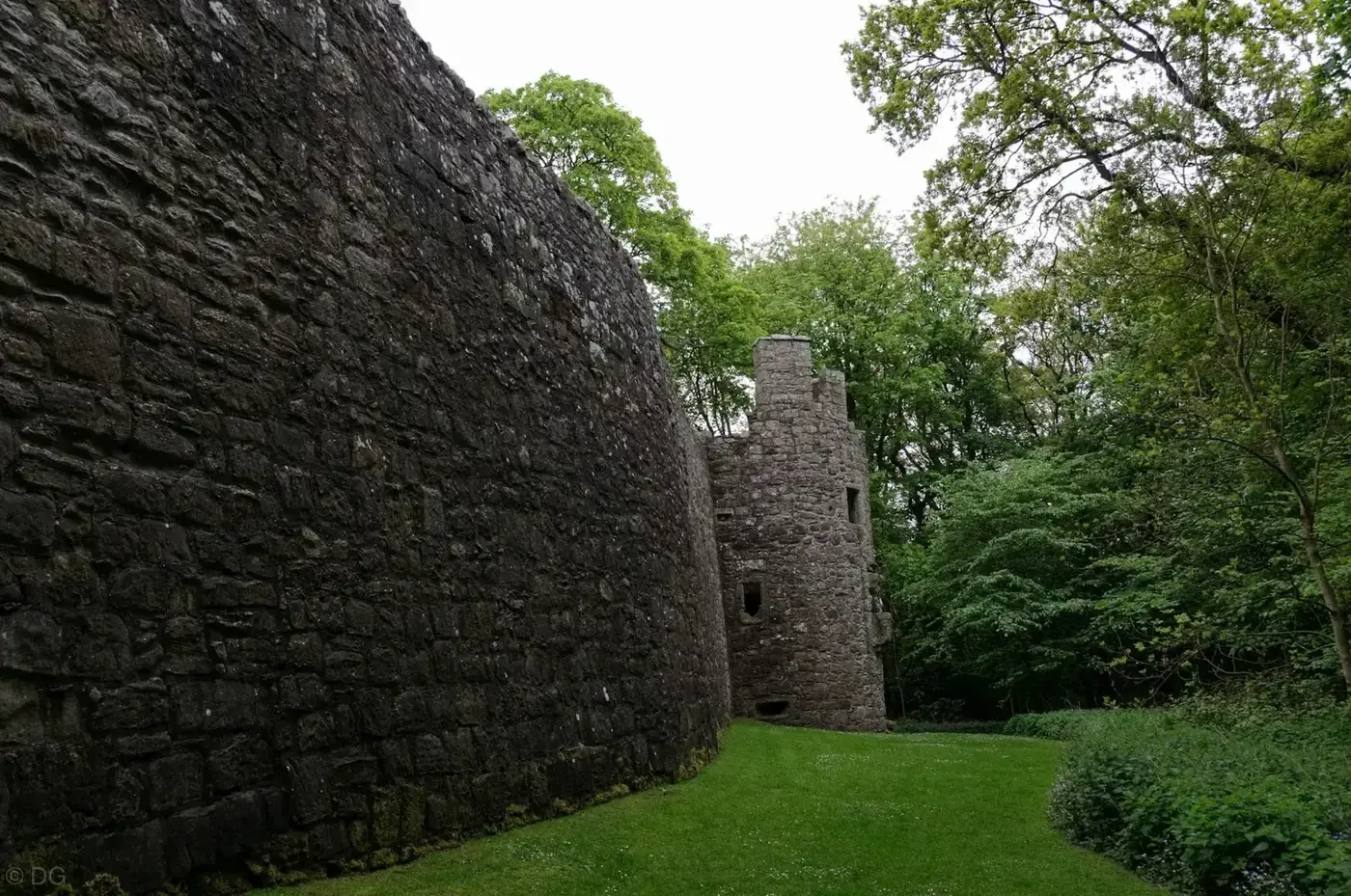
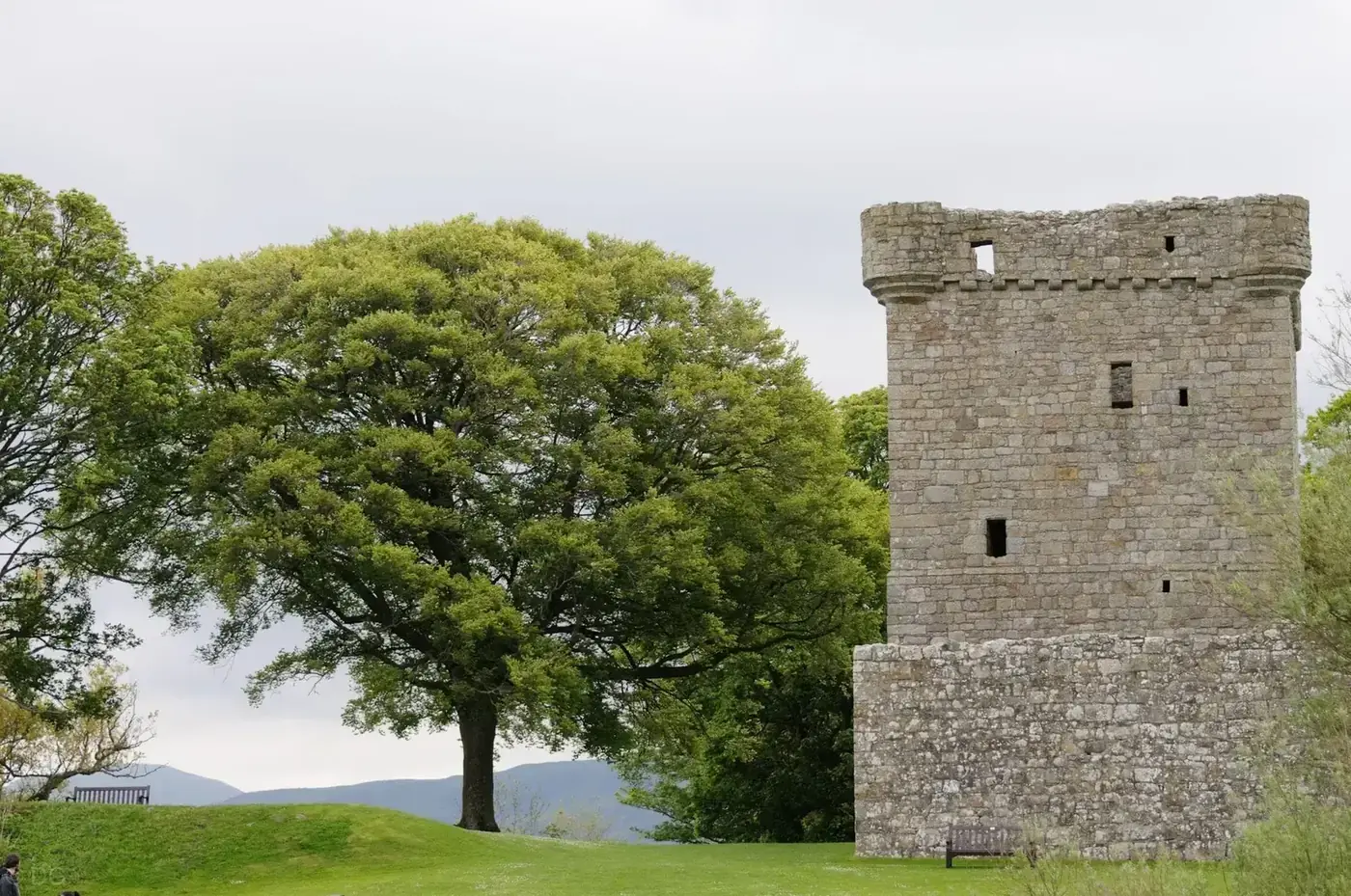
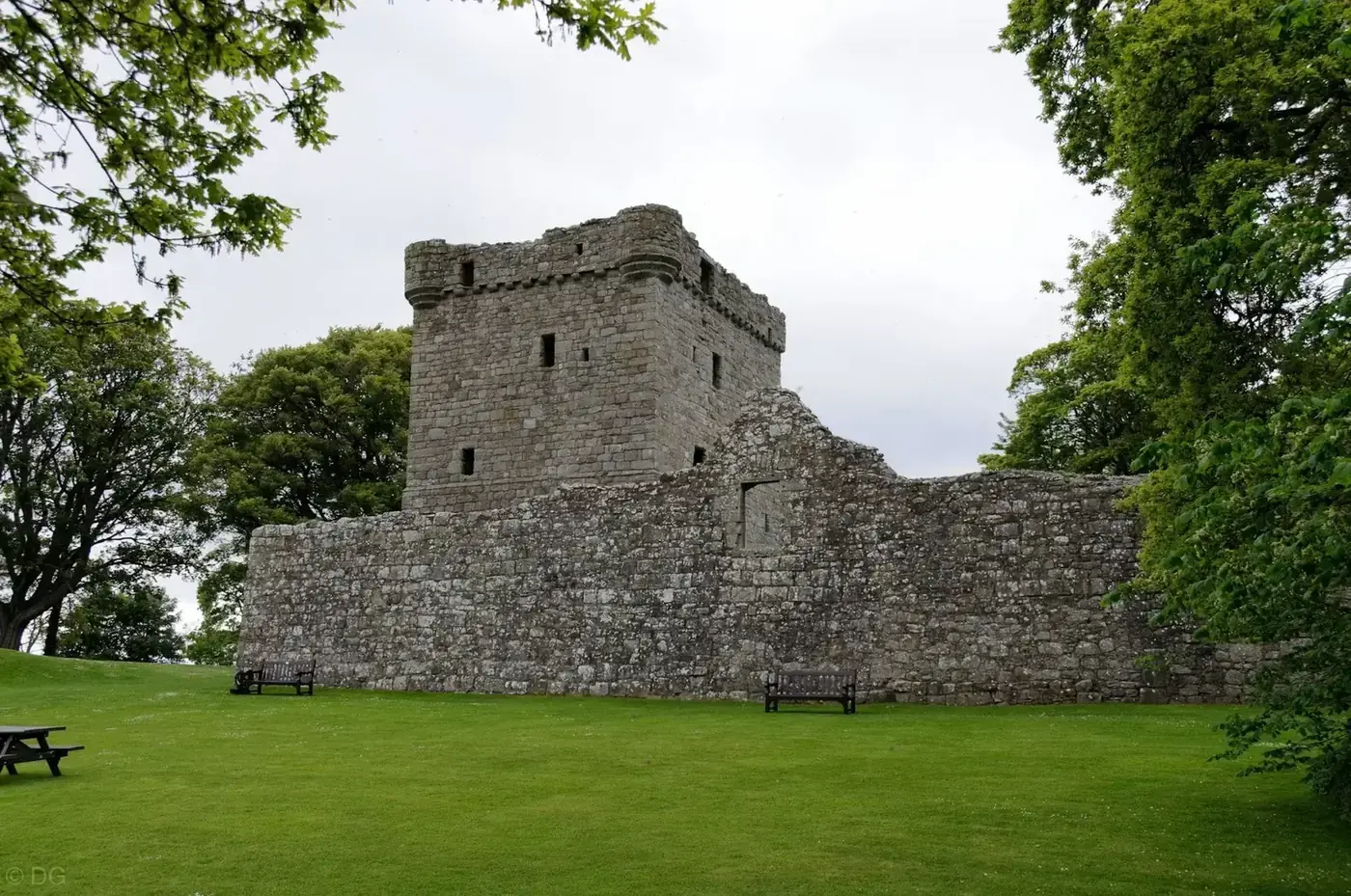
The castle was originally royal property and Robert II granted it to Sir Henry Douglas in 1390. Its tower is older than the date around 1400 sometimes repeated from a legacy listing. The current monument record places the tower in the first half of the fourteenth century, while other archaeological summaries prefer a later fourteenth-century date. Fourteenth century, with subsequent alterations, is the cautious description. A change of owner does not date every surviving wall.
Mary first came to Loch Leven in 1561 as a guest of Sir William Douglas. In June 1567 she returned as a prisoner, after the political collapse surrounding her marriage to the Earl of Bothwell. HES states that she miscarried twins while there and was compelled to abdicate in favour of James VI. That was a coercive political act, not a voluntary retirement from rule.
Mary’s escape took place on 2 May 1568. HES describes her leaving across the loch and reaching England later that month. The precise details of disguise, boats and accomplices are retold in many versions; they should be treated carefully unless linked to a source that distinguishes evidence from later narrative. Her subsequent defeat at Langside on 13 May explains why escape did not restore her power.
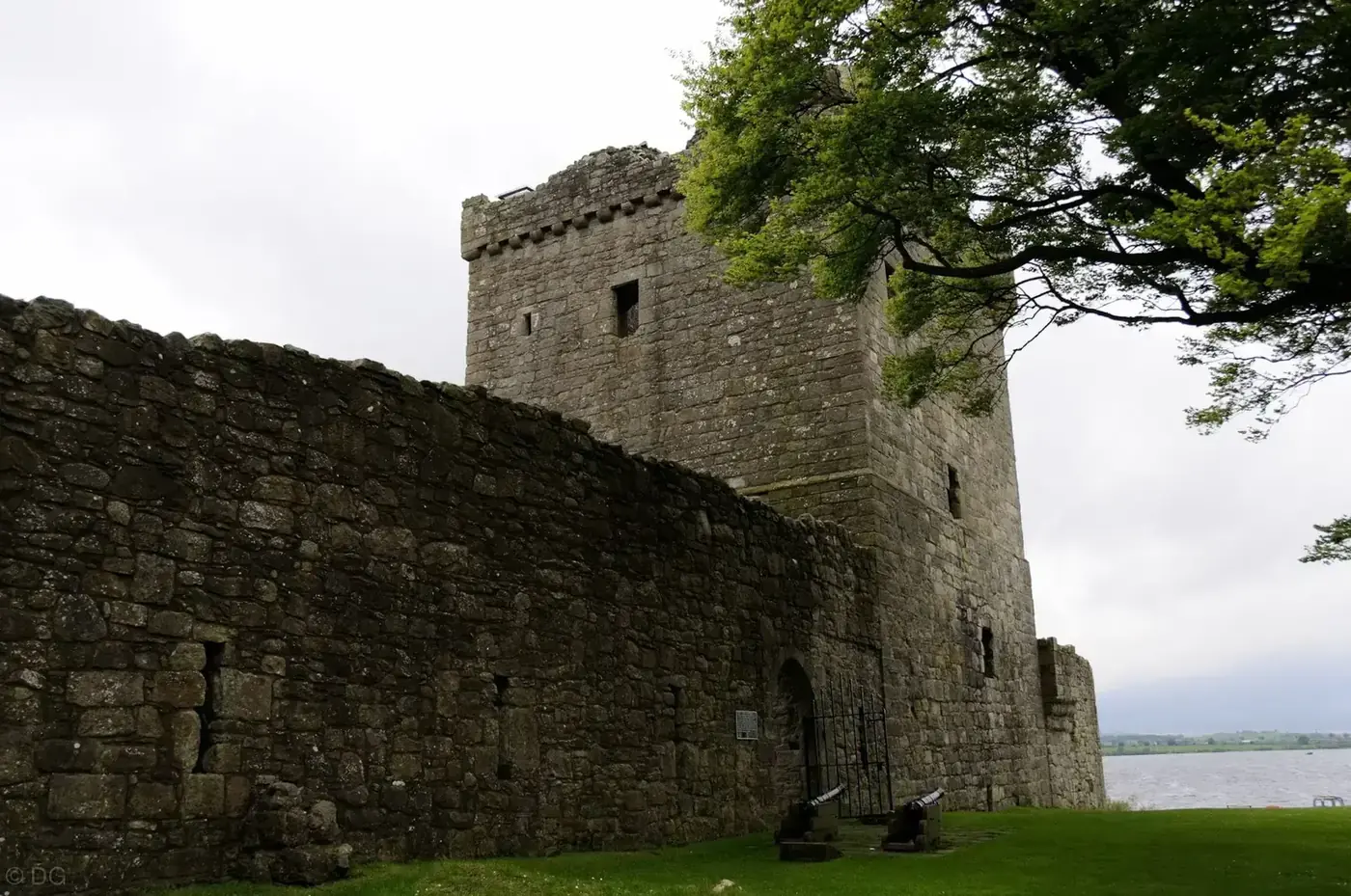
The island itself has changed. Loch Leven was partially drained in 1836, exposing additional land around the castle. The island had been smaller in Mary’s lifetime. Modern visitors should not assume that the present shoreline reproduces the sixteenth-century setting: the water is still essential, but its relationship with the ruins has changed.
HES also preserves an important warning about legend. Blind Harry’s late-fifteenth-century tale of William Wallace capturing the castle around 1300 has no reliable supporting evidence. It is worth retaining as medieval literary tradition, but not as an event in the factual timeline. Loch Leven rewards a visit that separates such traditions from what the historic record can confirm.
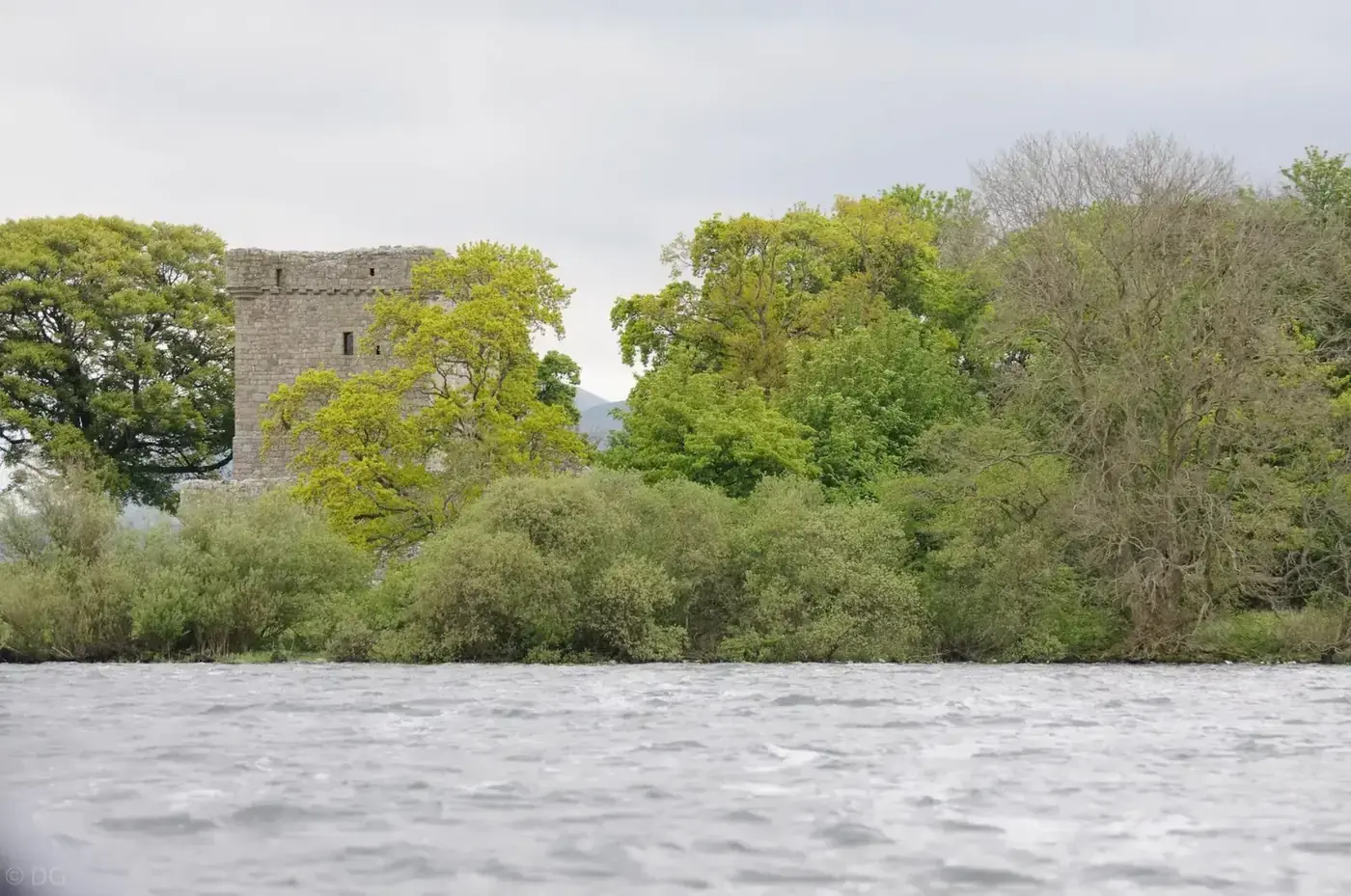
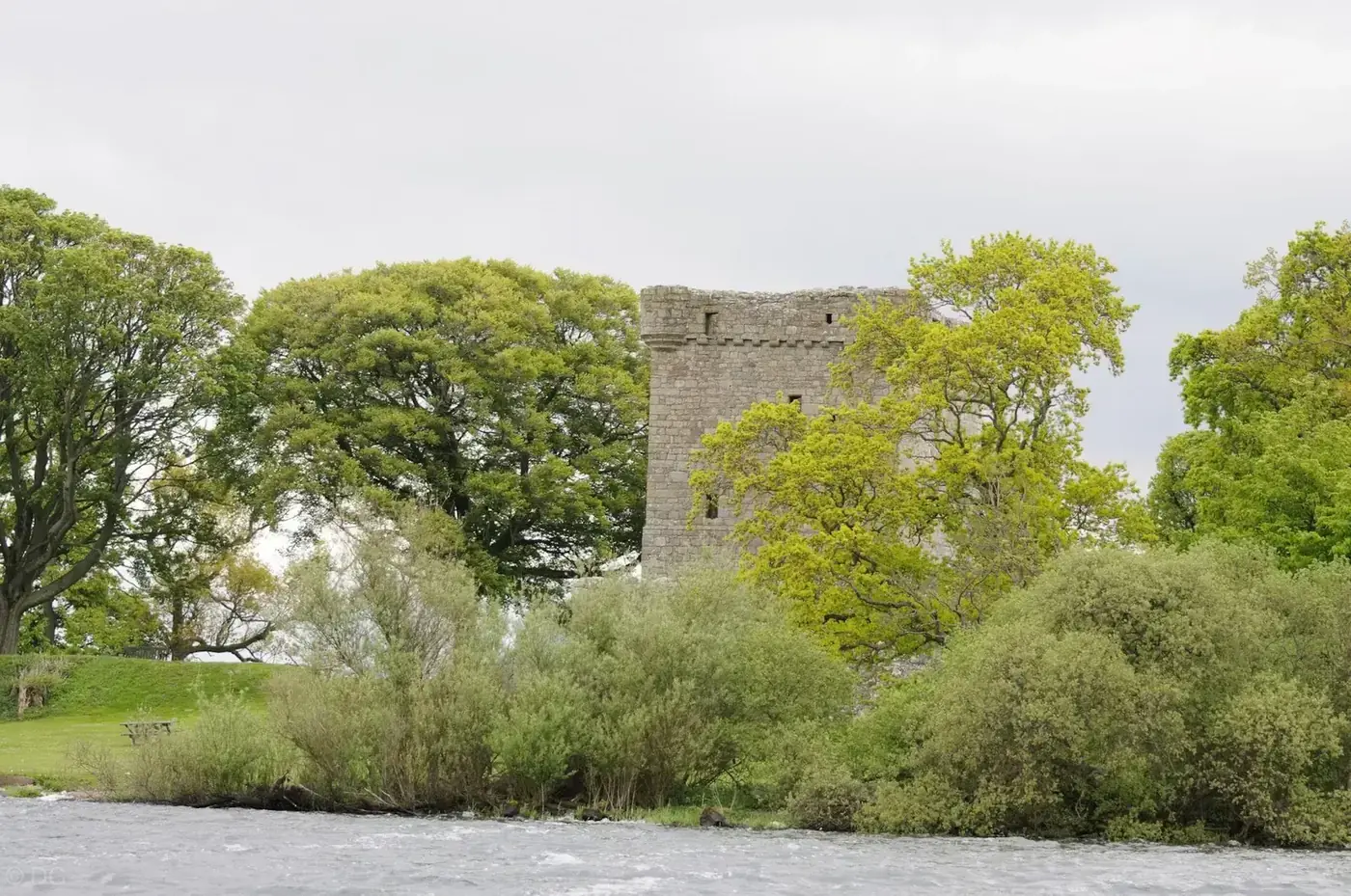
The boat approach is more than transport: it makes the separation between mainland and enclosure immediately apparent. That modern experience should not be confused with a reconstruction of Mary’s journey, but it helps establish the physical setting of confinement. Watch how the tower changes scale as you approach, and compare the narrow view from the water with the space visible after landing.
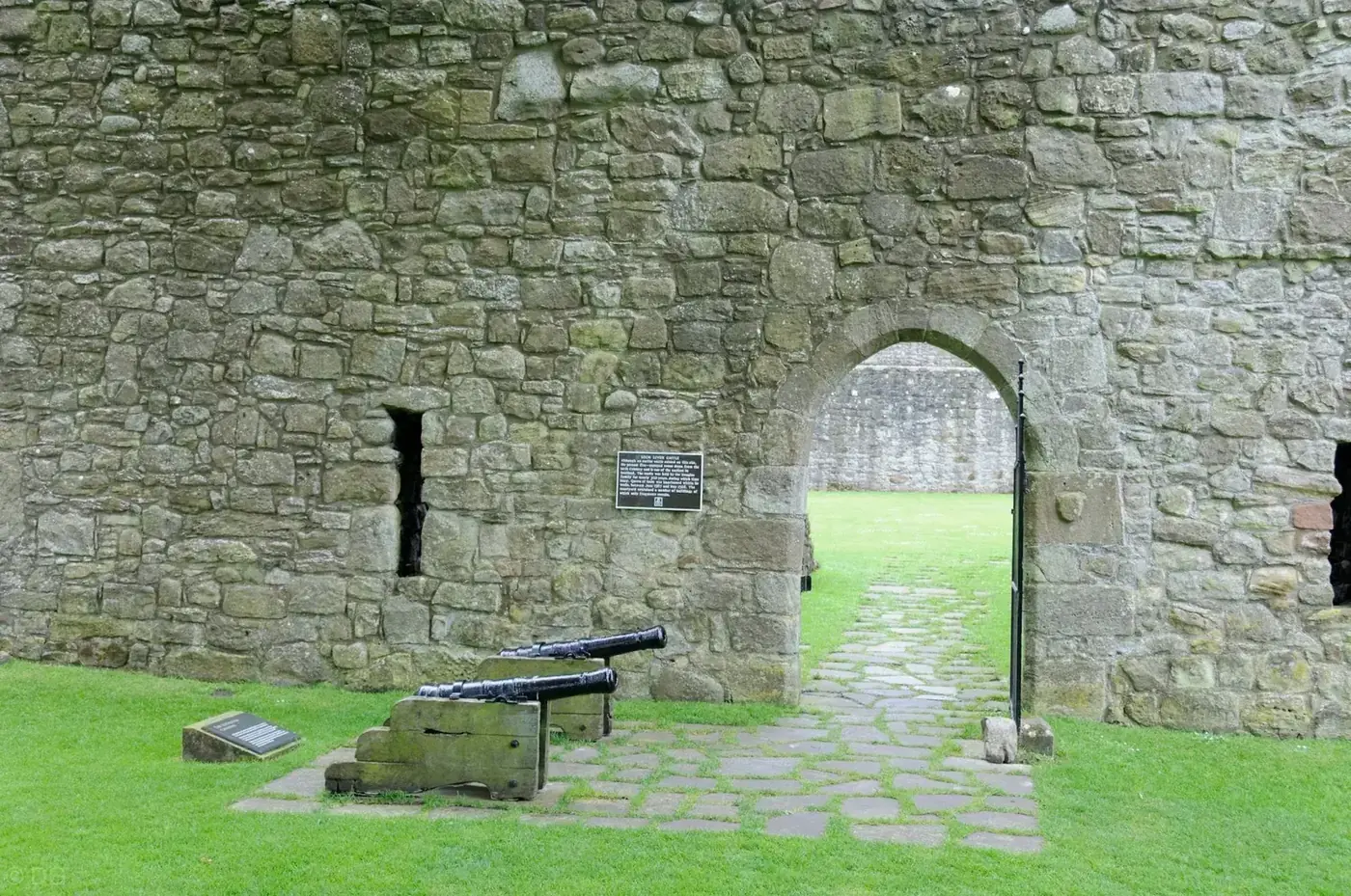
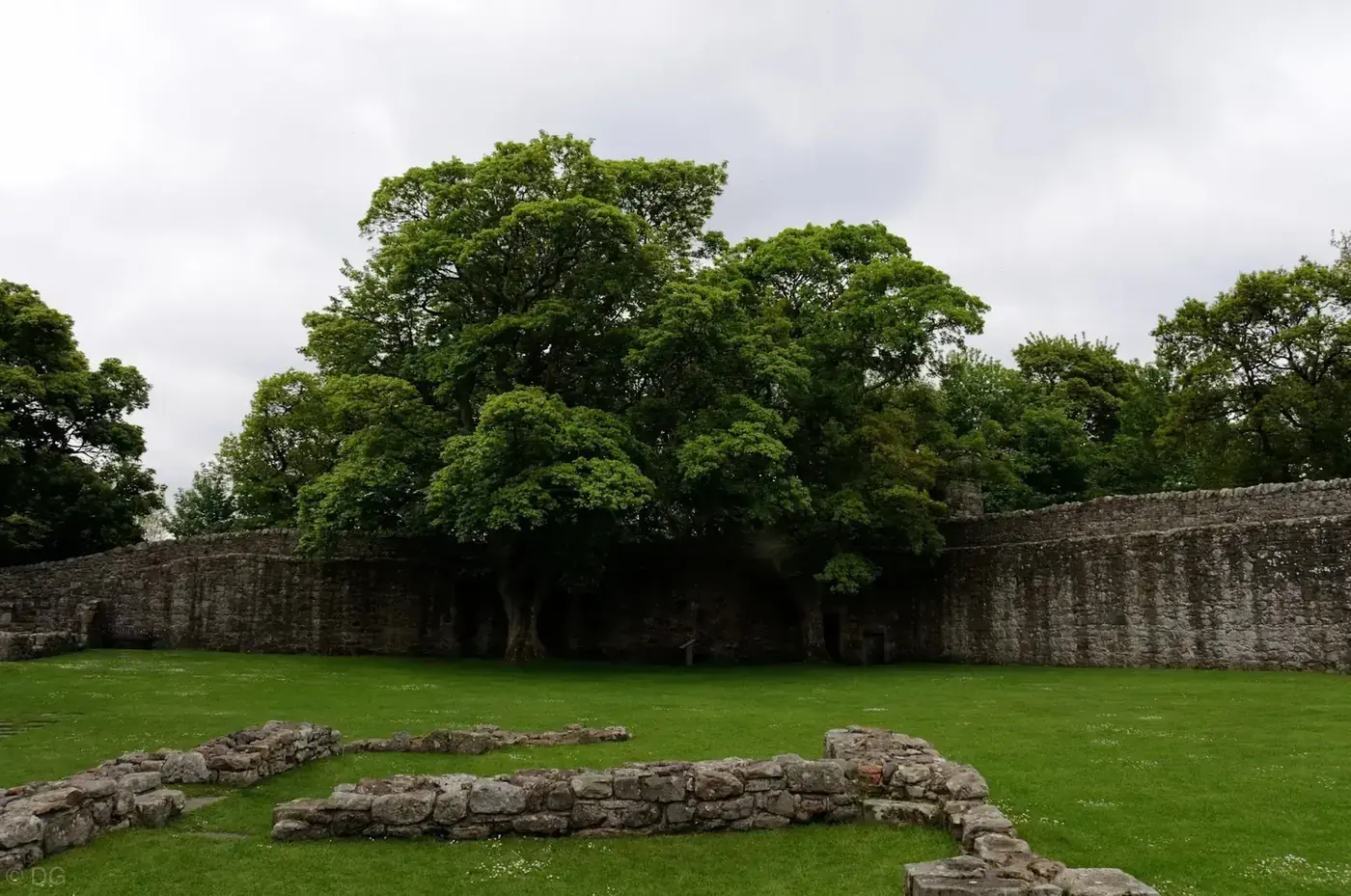
Inside the enclosure, where access permits, consider the relationship between the tower and the surrounding walls. A fortified residence could offer accommodation while controlling movement. The same physical features might serve a household, a royal visitor or a prisoner under guard, depending on political circumstances. Architecture alone does not tell us how freely a particular individual could move on a particular day.
For a thoughtful photograph, include enough shoreline to show that this is an island setting rather than an isolated tower in a garden. Leave the final image open to both histories: the long life of the residence and the brief but consequential captivity that made it famous. Check current boat arrangements before travelling, and give the quieter architectural story time alongside Mary’s more dramatic episode.
 Castle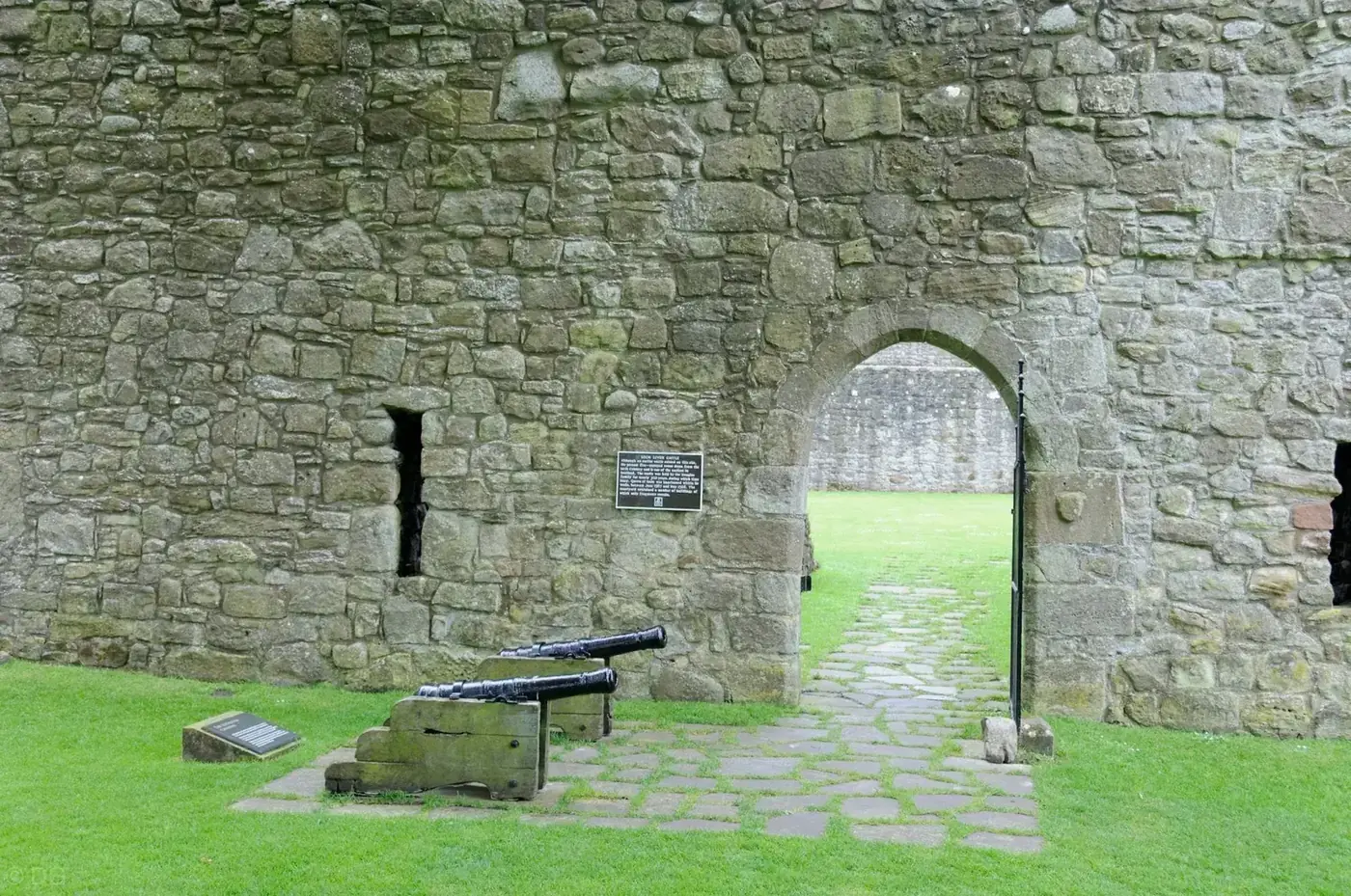
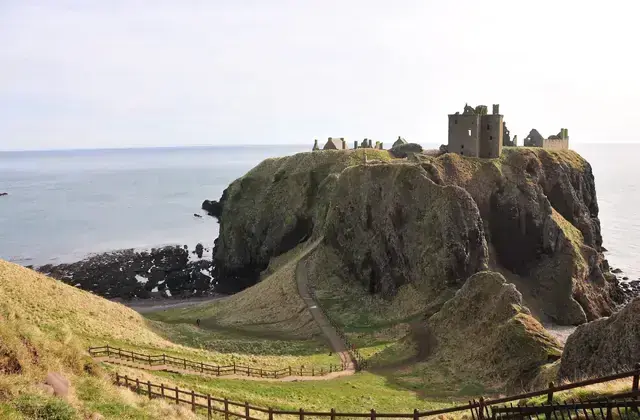 AberdeenshireDunnottar Castle
 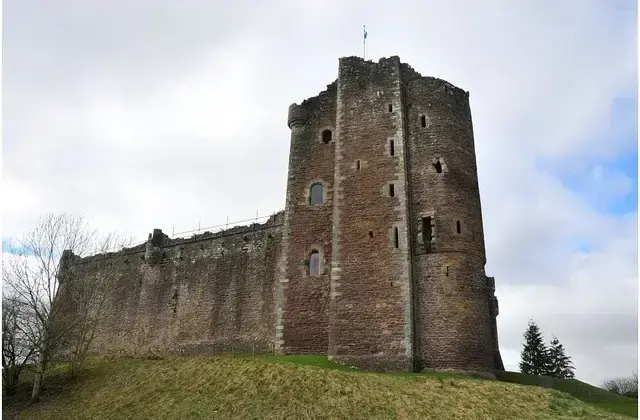 Stirling & Forth ValleyDoune Castle
 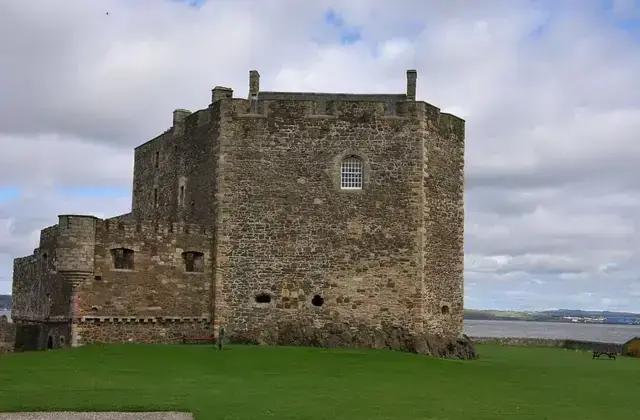 West LothianBlackness Castle