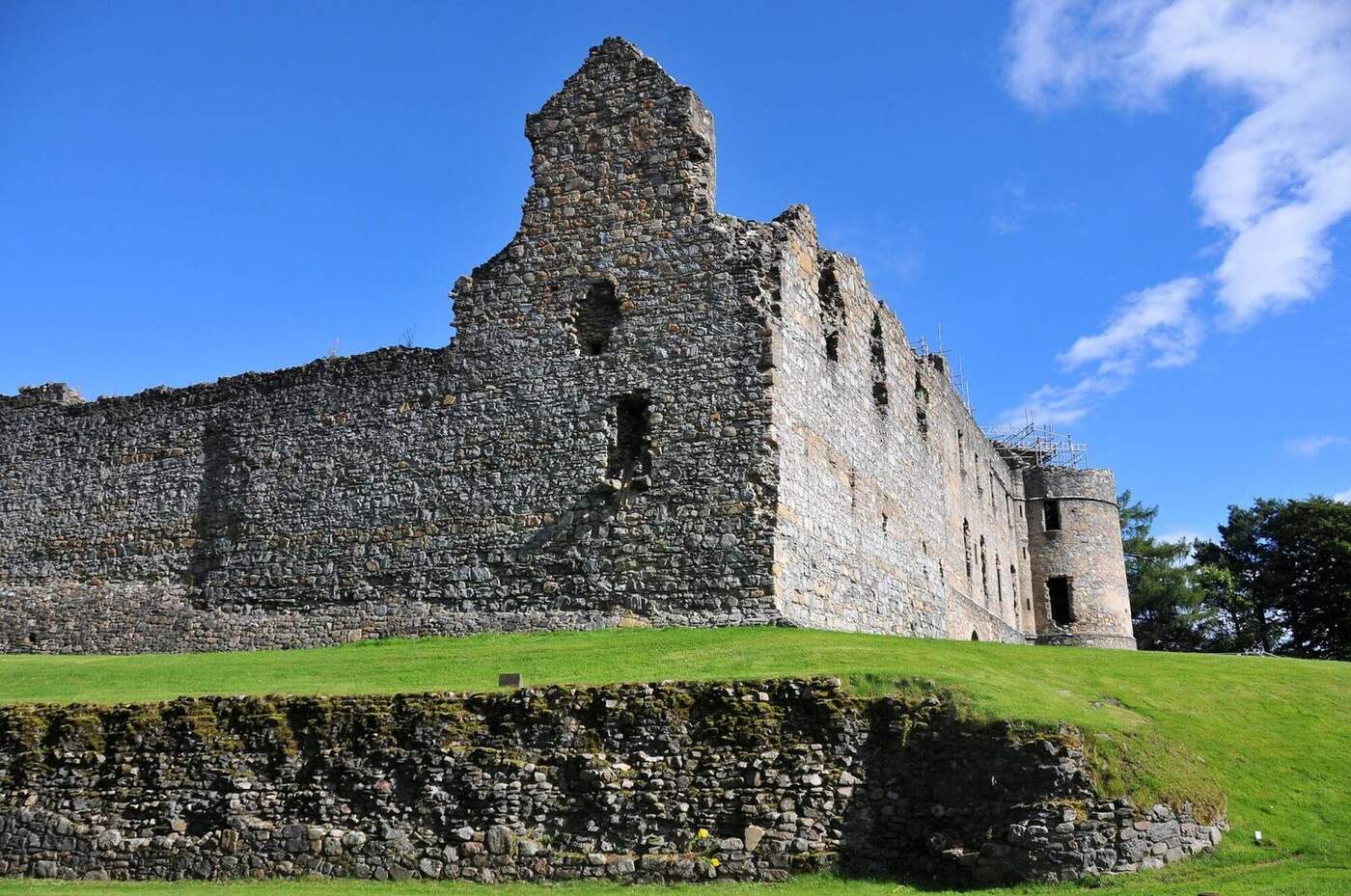
In 1308 Robert Bruce broke the Comyns' power in the north. HES's short visitor account attributes the capture of Balvenie to him, while its detailed Statement of Significance leaves deliberate damage to the castle uncertain and notes a subsequent gap of about a century in its historical record. A capture, damage to the fortifications and a change of ownership are separate questions; the gap in the record does not establish their precise sequence.
By 1408 Balvenie is documented among the Black Douglases' possessions. Their forfeiture in 1455 brought another transfer of power, and the estate subsequently passed to John Stewart, later Earl of Atholl. These changes explain the sequence of families without requiring every damaged wall to be assigned to a battle. Political defeat, legal forfeiture and physical destruction are separate events and do not necessarily leave the same evidence.
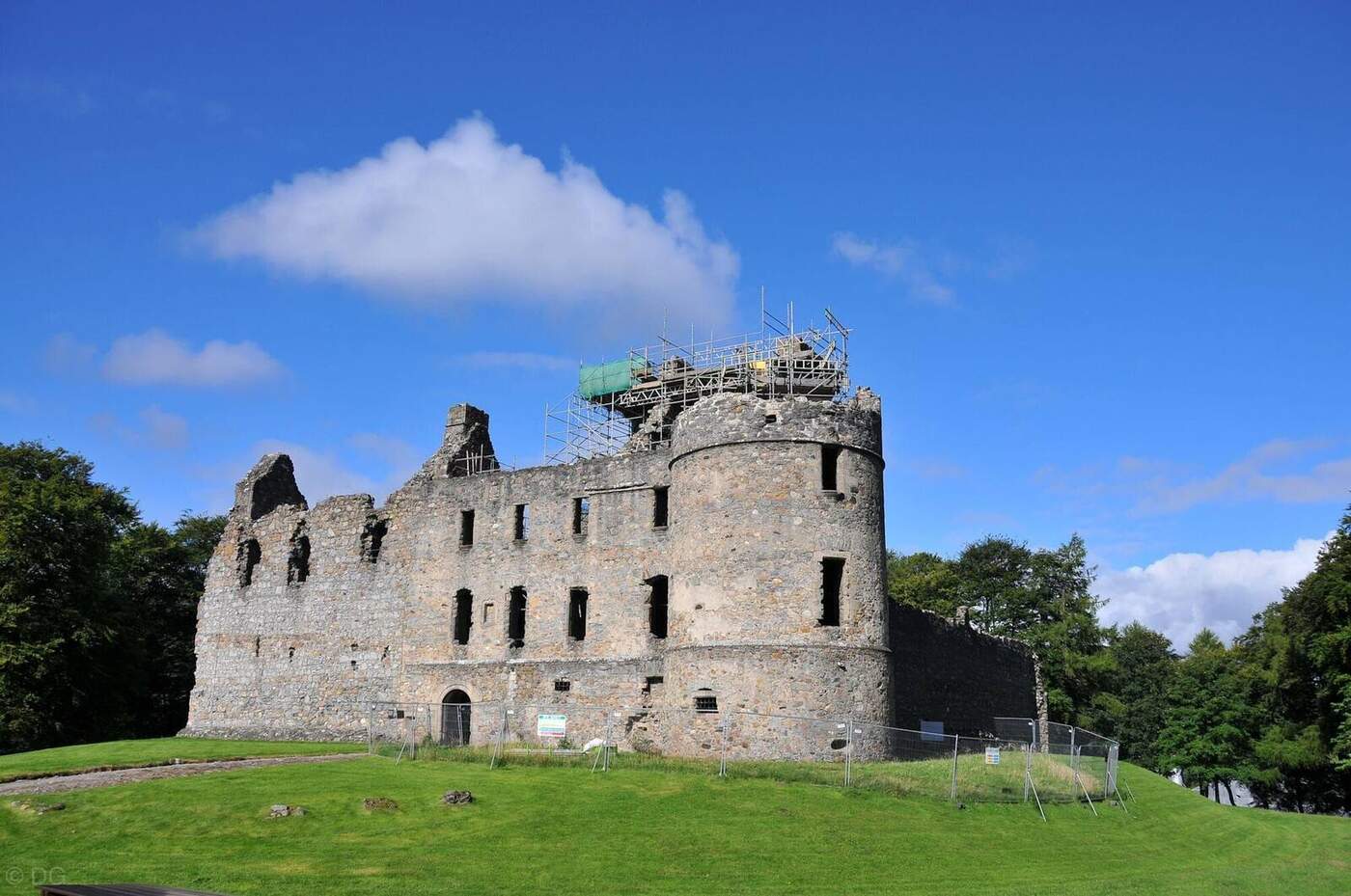
Around the middle of the sixteenth century John Stewart, fourth Earl of Atholl, and his wife Elizabeth Gordon added the Atholl Lodging. The new range altered the older enclosure rather than replacing the whole castle. Its round corner tower, heraldic decoration and projecting window features announced status as well as providing accommodation. The surviving double-leaf iron yett reminds us that a more comfortable house could still control entry carefully.
Mary, Queen of Scots, stayed at Balvenie in September 1562 during her northern journey. HES records two nights at the castle, then the residence of the fourth Earl of Atholl. This is a documented royal association, not a reason to identify a particular surviving chamber as Mary's bedroom without further evidence. It places a provincial residence within the movements and political relationships of the royal court.
Balvenie's residential history continued beyond the seventeenth century. After changes of ownership, the Duffs were associated with its final period as a house. In the early eighteenth century a new Balvenie House replaced the old castle as the principal residence. Government troops briefly used the castle again in 1746. Abandonment as a family home therefore did not mean that all activity at the site ceased immediately.
The castle entered state guardianship in 1925 and is protected as scheduled monument SM90028. Early clearance disturbed archaeological deposits, but did not remove every trace of earlier occupation. Limited work in 1990 identified a kiln interpreted as possibly connected with brewing, along with pits earlier than the adjoining range. That possible function belongs to the evidence for daily work here; it is not proof of a medieval whisky distillery.
Begin outside, where the enclosure and surviving ditch make the defensive arrangement easier to understand. Inside, compare the older walling with the Atholl Lodging and the traces of domestic ranges. Some structures survive only as foundations, and their proposed functions remain interpretations. Check current access before travelling and follow conservation notices. Balvenie's strongest story is the adaptation of an inherited stronghold across centuries, with gaps in its written record honestly left visible rather than filled with an invented sequence of conquests.
 Castle
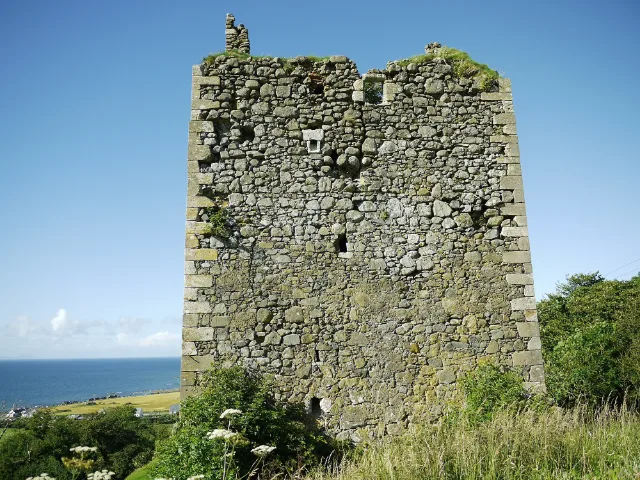 Ayrshire & ArranCarleton Castle
 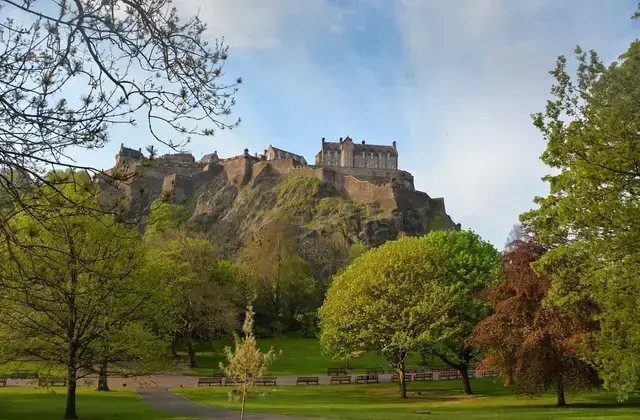 Edinburgh & The LothiansEdinburgh Castle
 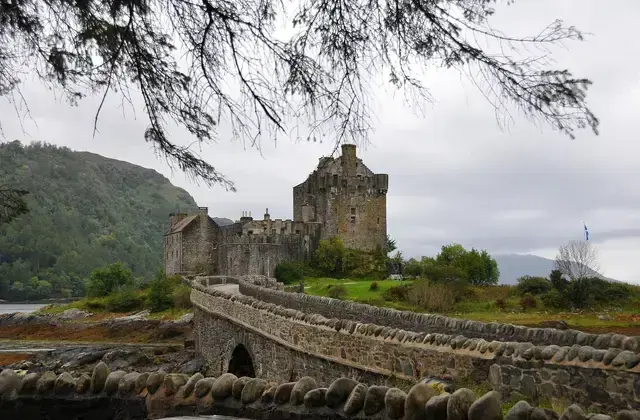 The HighlandsEilean Donan Castle