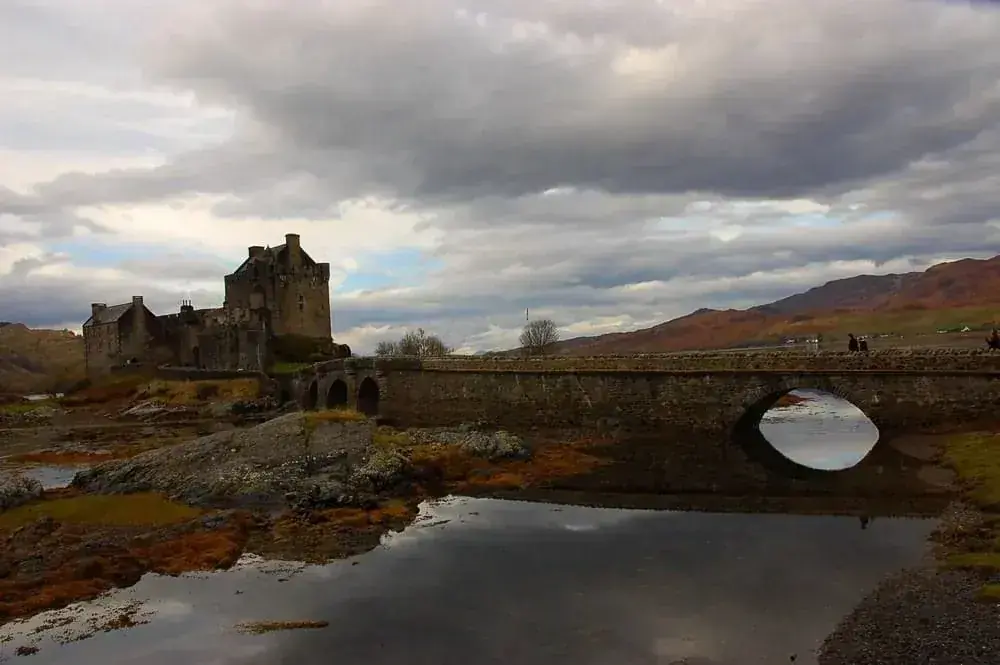
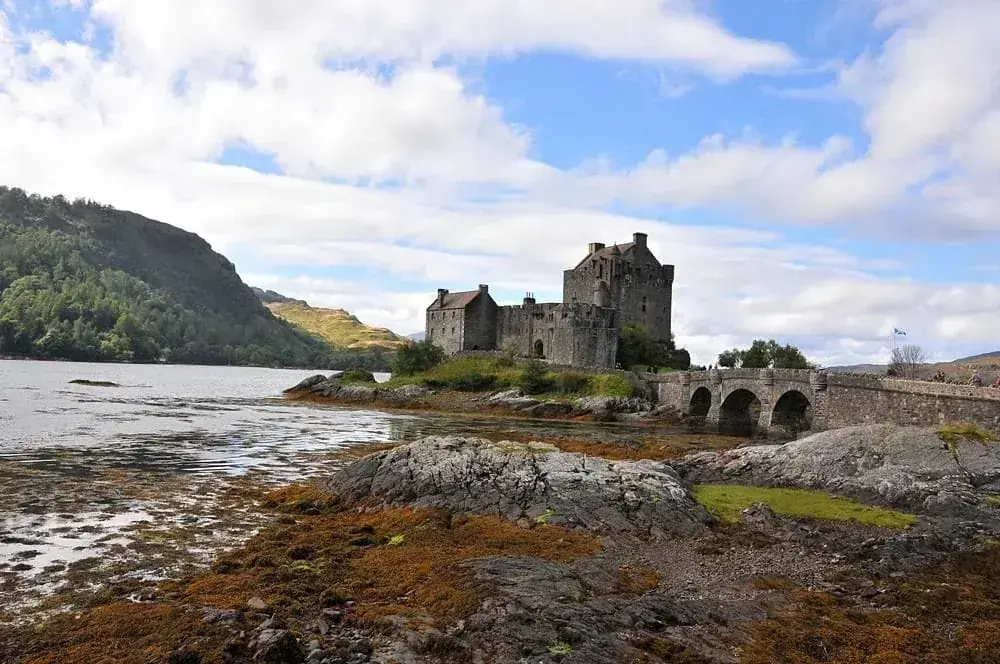
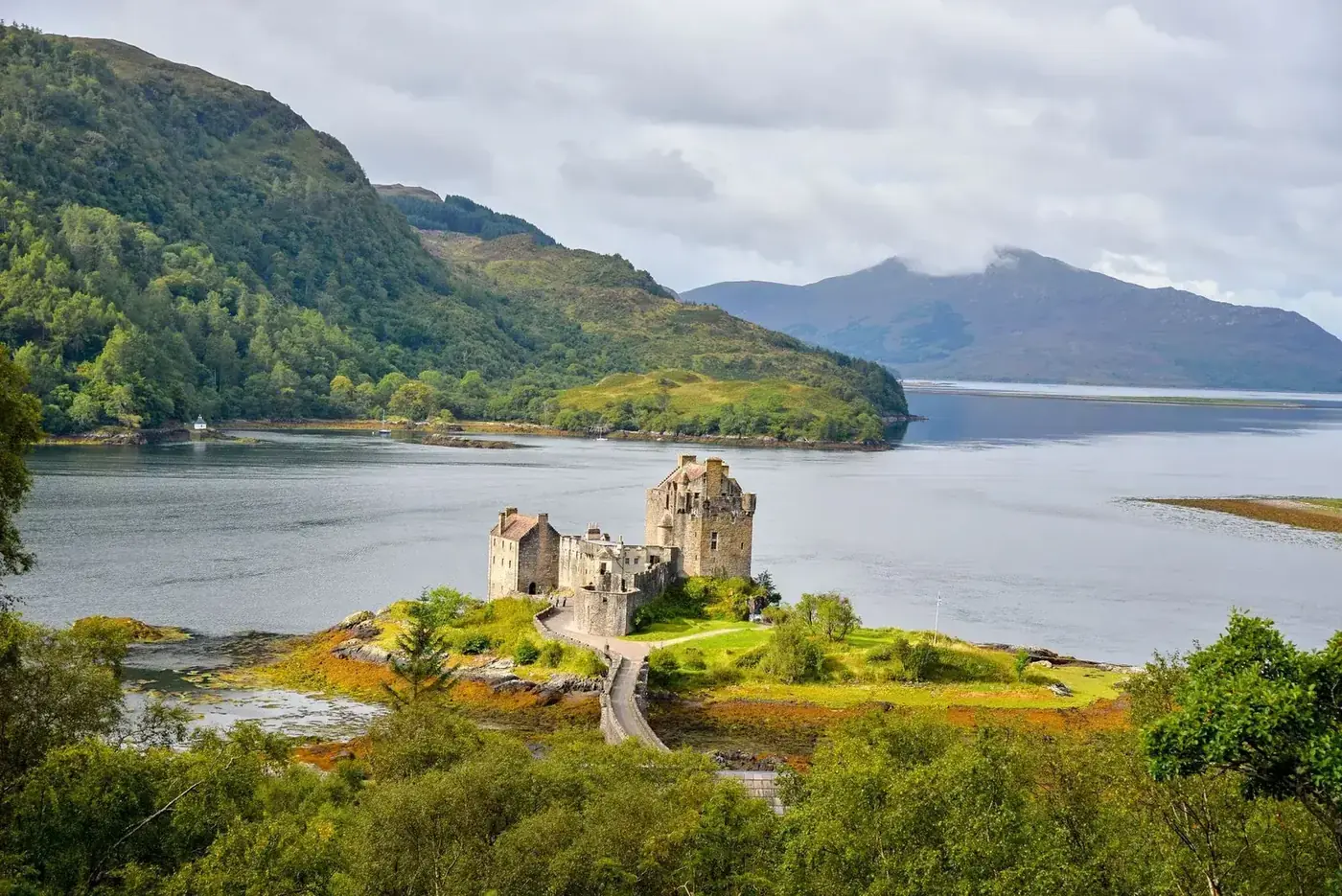
The visitor centre and the exterior viewpoint can be used without entering the castle. Check current admission and opening hours before travelling.
View current prices
Adult£13.00
Concession (60+)£12.00
Child (5–15)£6.50
Under 5Free
Castle
THE ICON · KINTAIL
A small island. A stone bridge. The image of the Highlands.
PLAN YOUR VISIT
Dornie, Kyle of Lochalsh, IV40 8DX
The visitor centre and the exterior viewpoint can be used without entering the castle. Check current admission and opening hours before travelling.
Adult£13.00
Concession (60+)£12.00
Child (5–15)£6.50
Under 5Free
Opening times change during the year. Use the official visitor page for the current last-entry time.
Parking information
Paid visitor parking surrounds the visitor centre. Accessible spaces are about 20 m from the centre, with a level approach. Follow the signed parking entrance.
Parking sources checked · 11 October 2026
Accessible spaces are approximately 20 metres from the visitor-centre entrance. The castle has uneven steps, narrow stairs and different floor levels.
Worth a stop for the setting alone, and more rewarding when you know the story behind the rebuilding. This is a castle to approach slowly, not just tick off from the car park.
WHAT TO EXPECT
01 / THE STORY
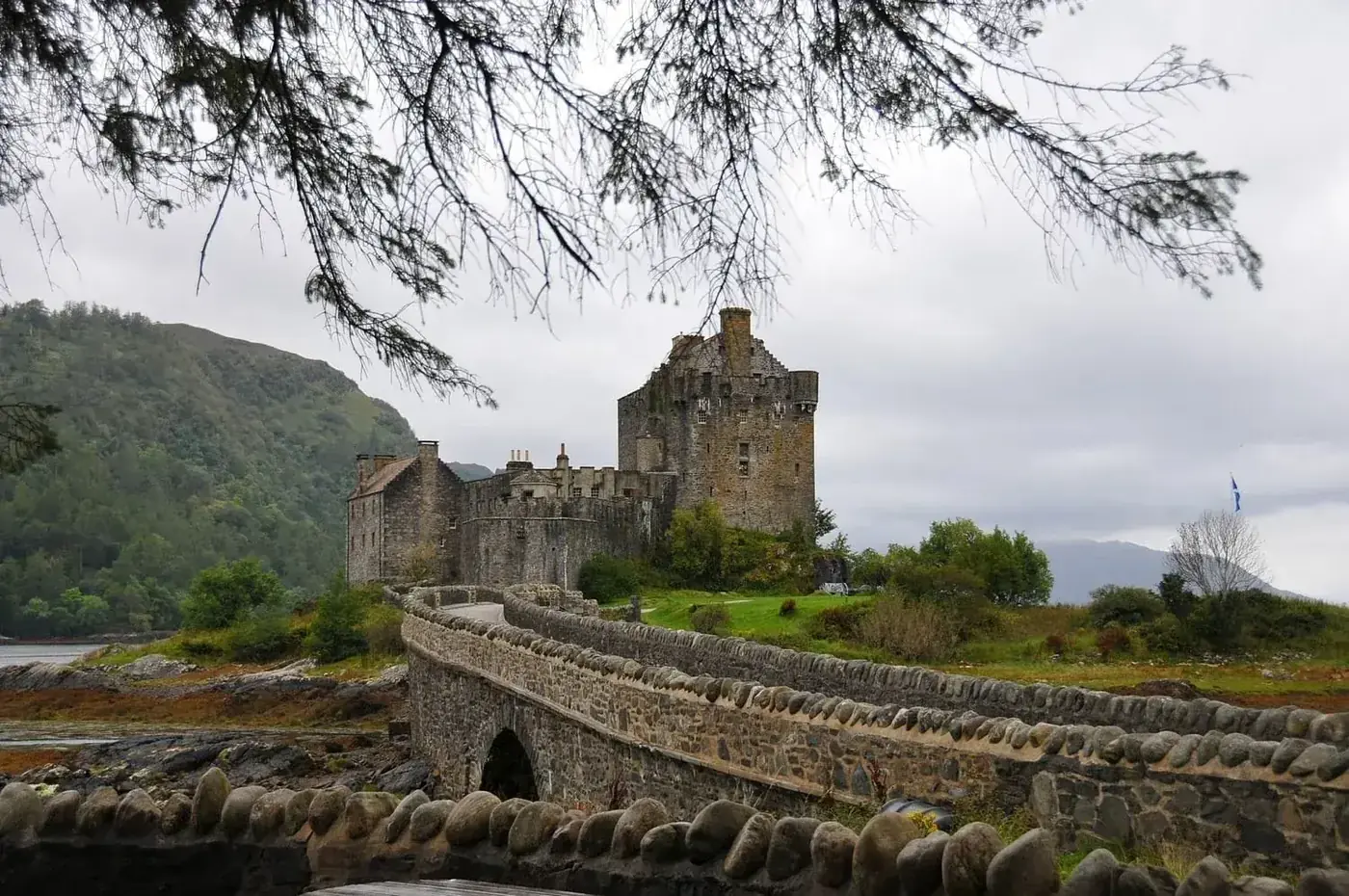
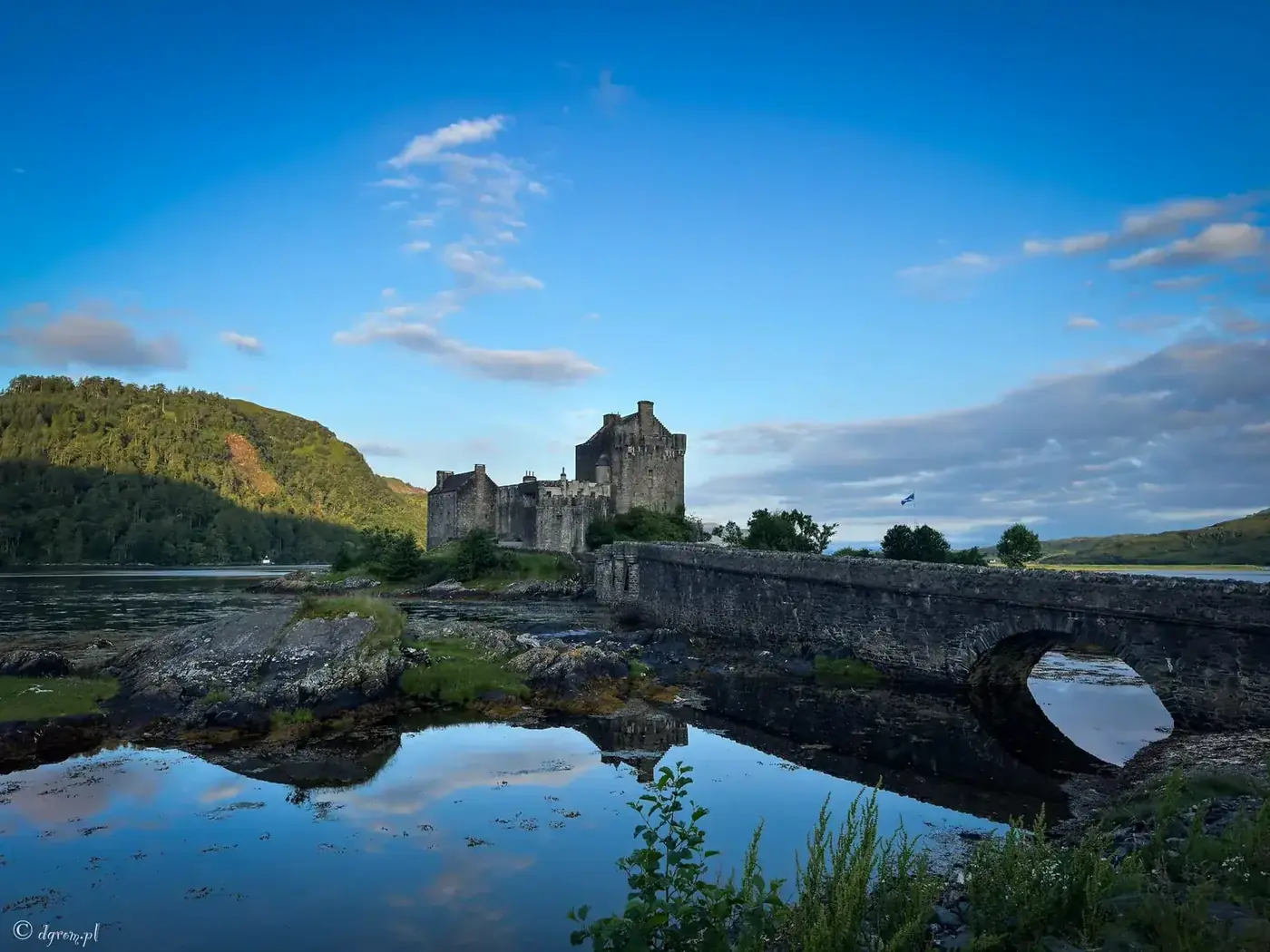
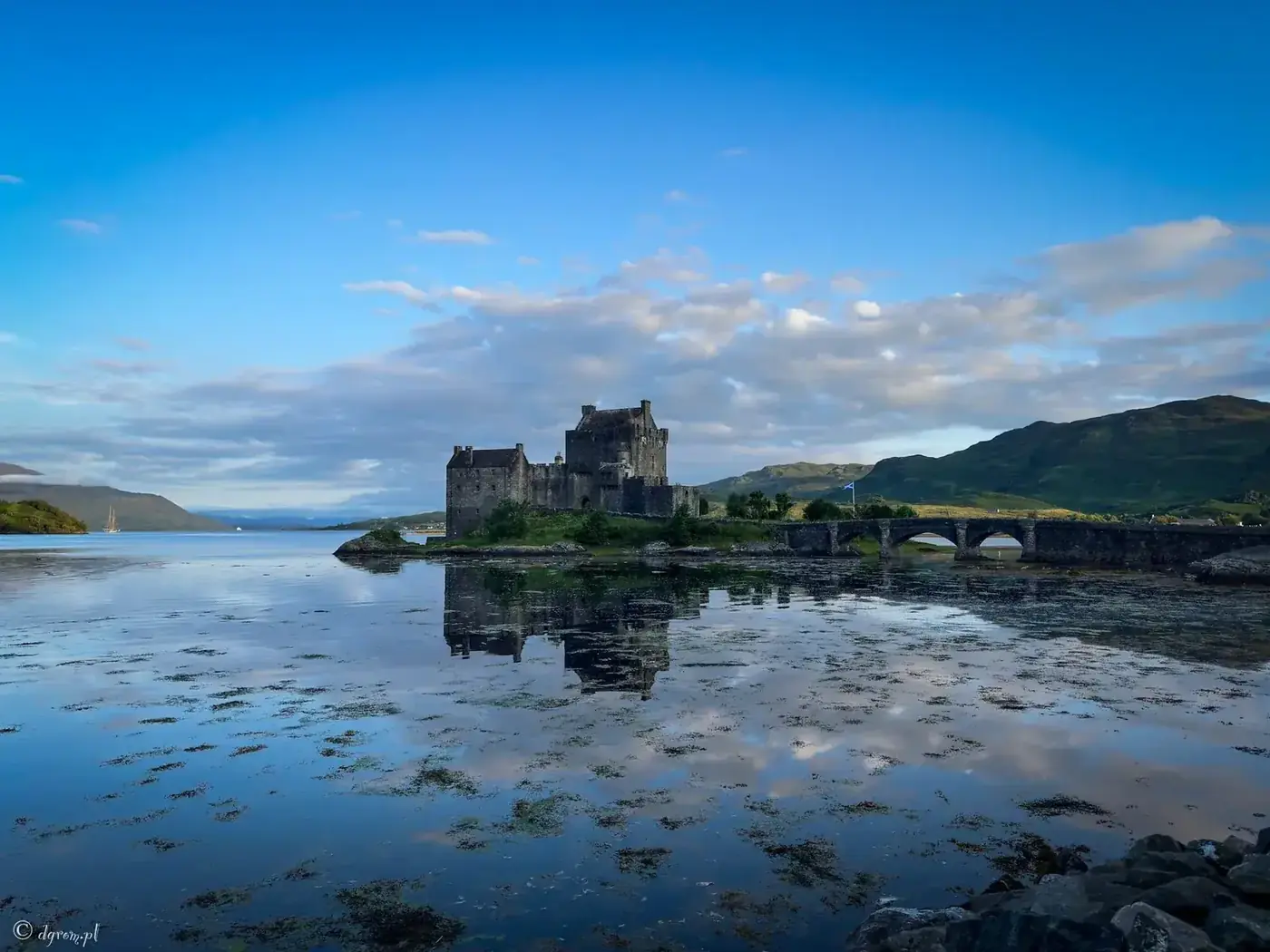
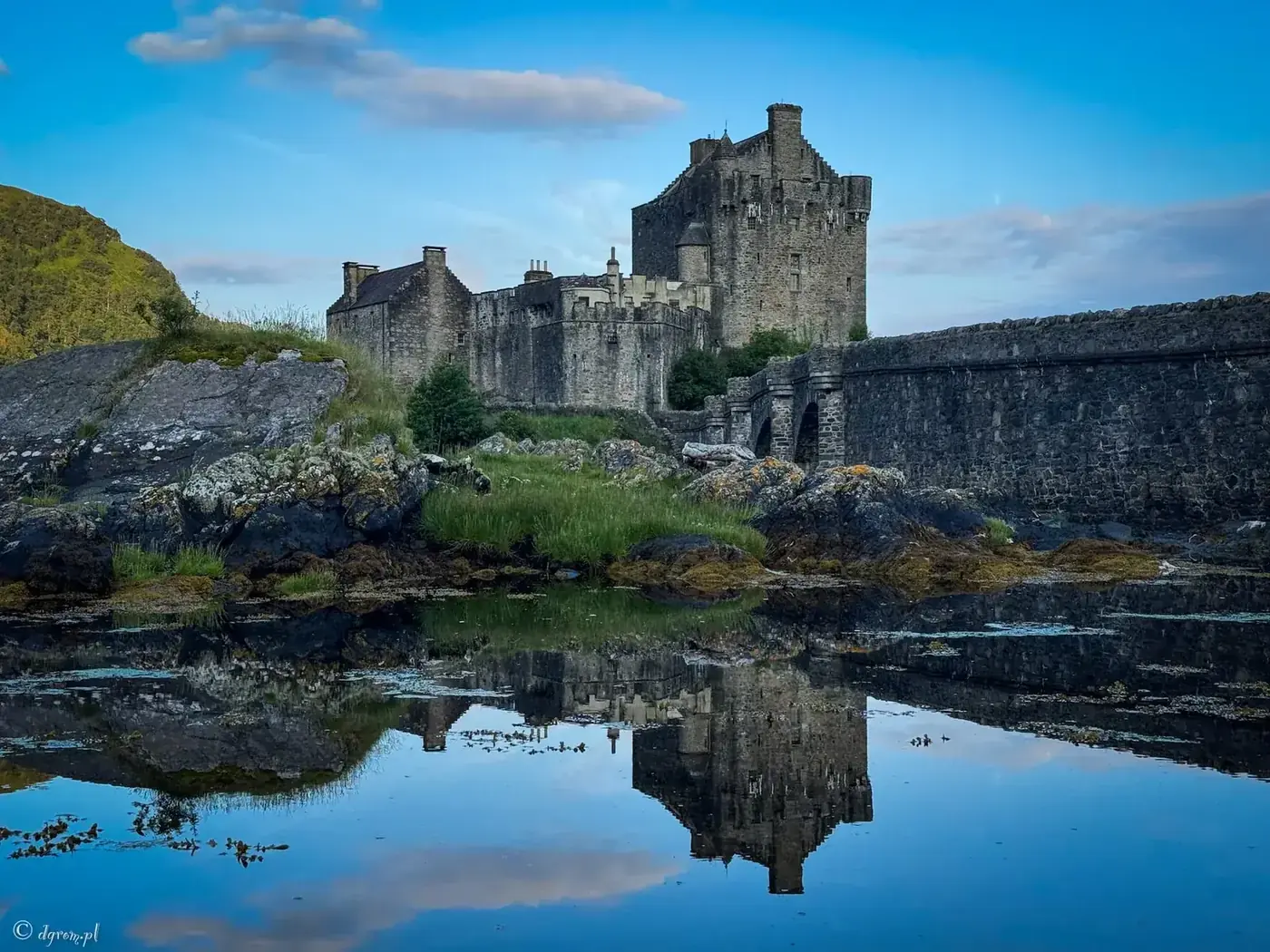
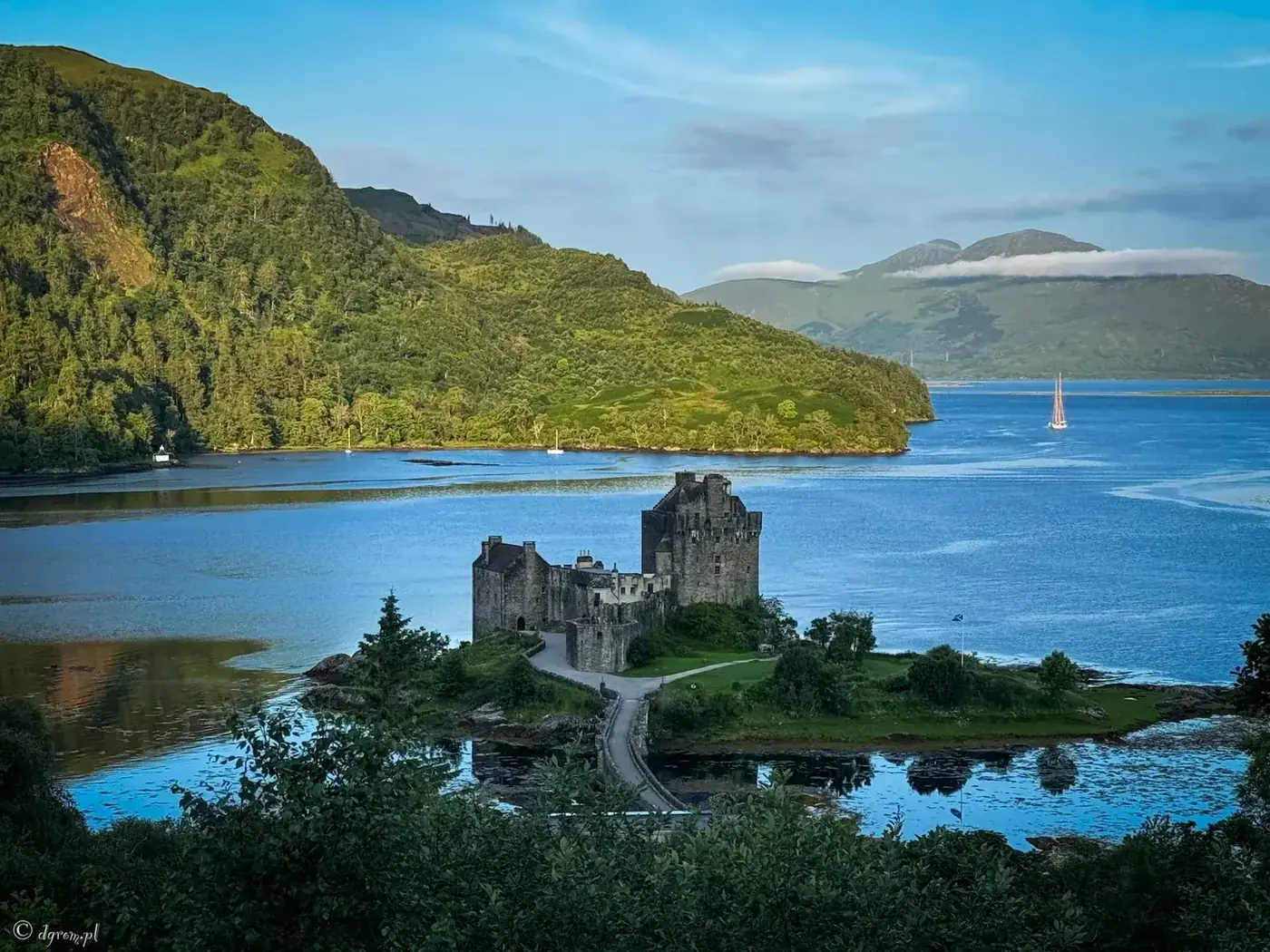
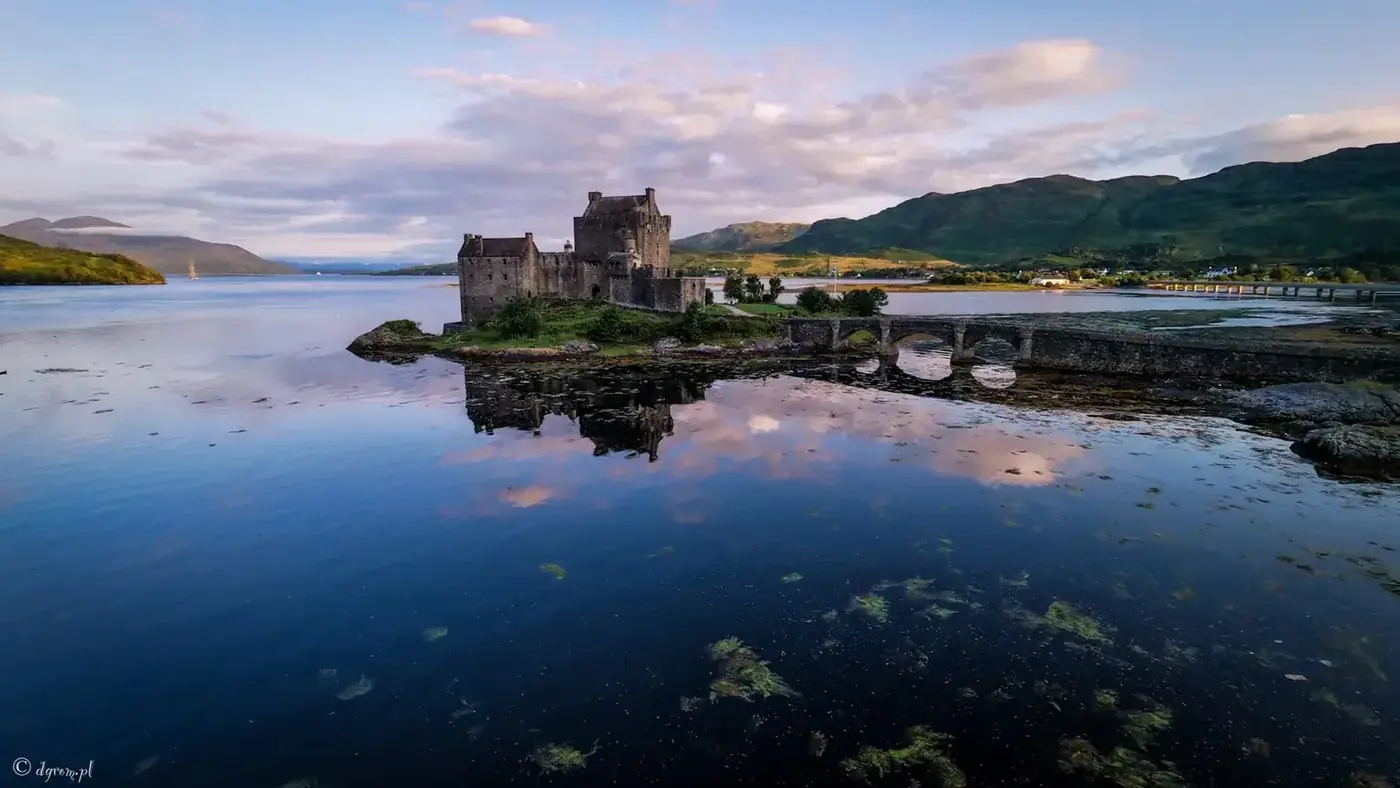
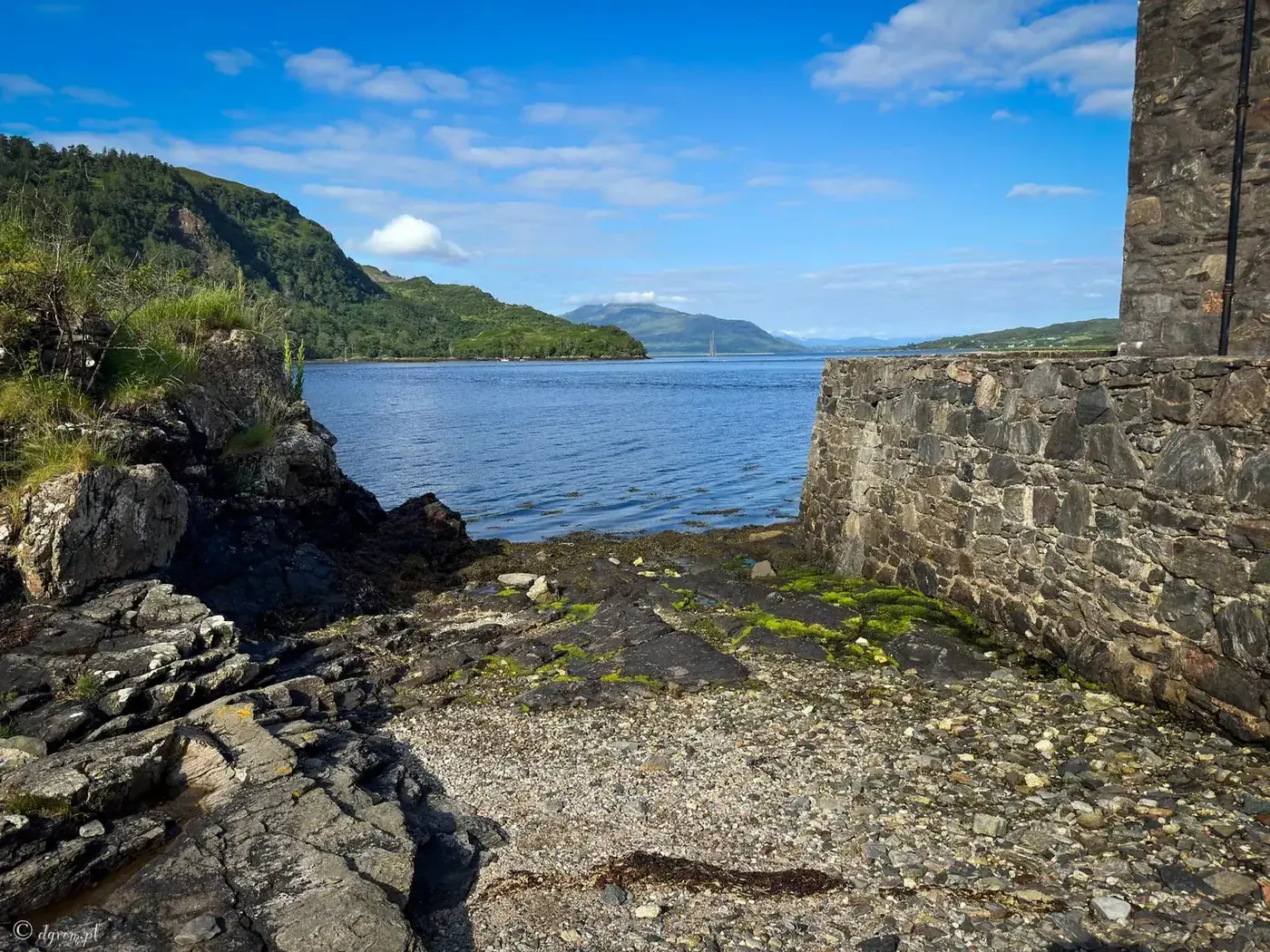
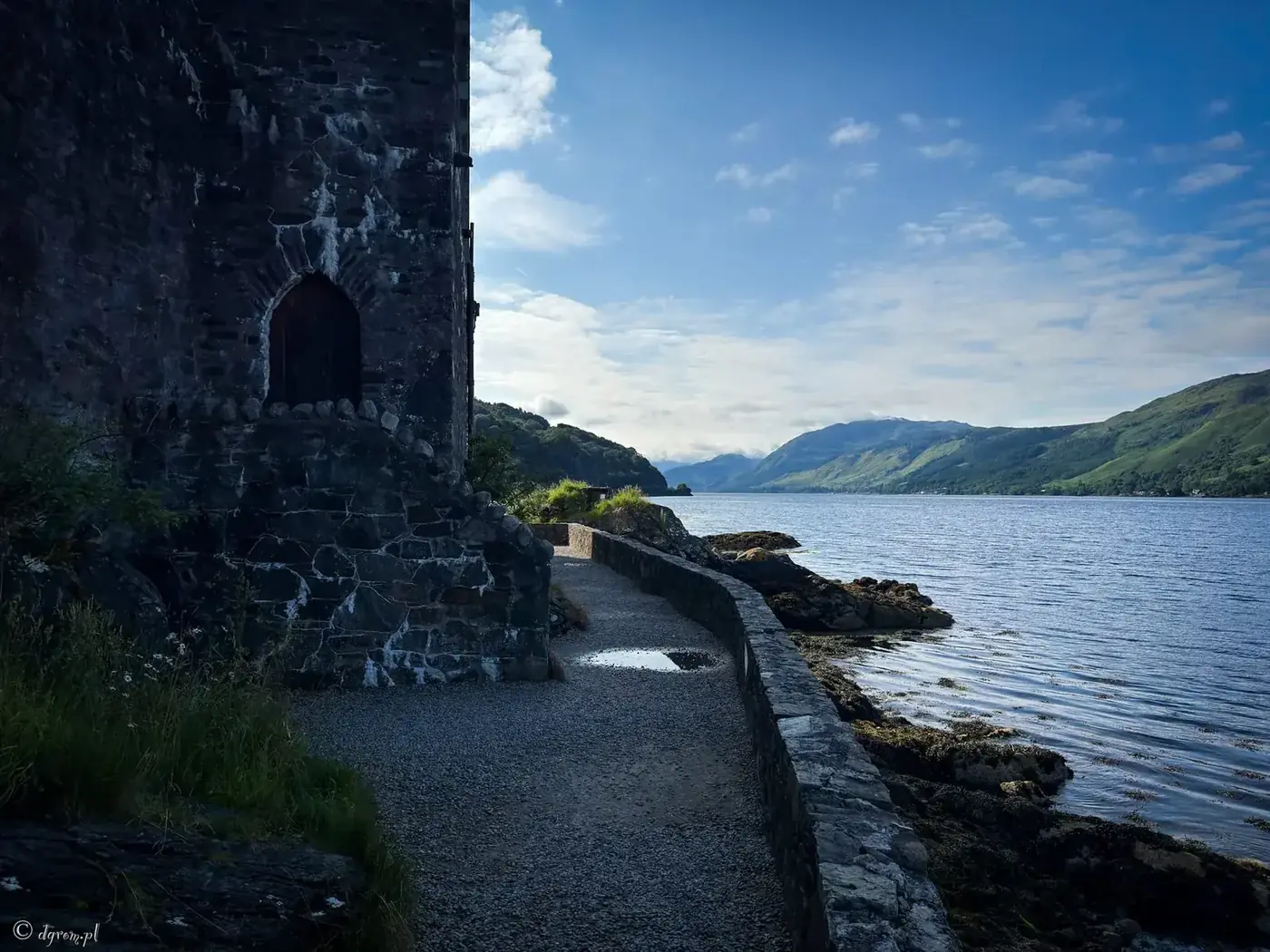
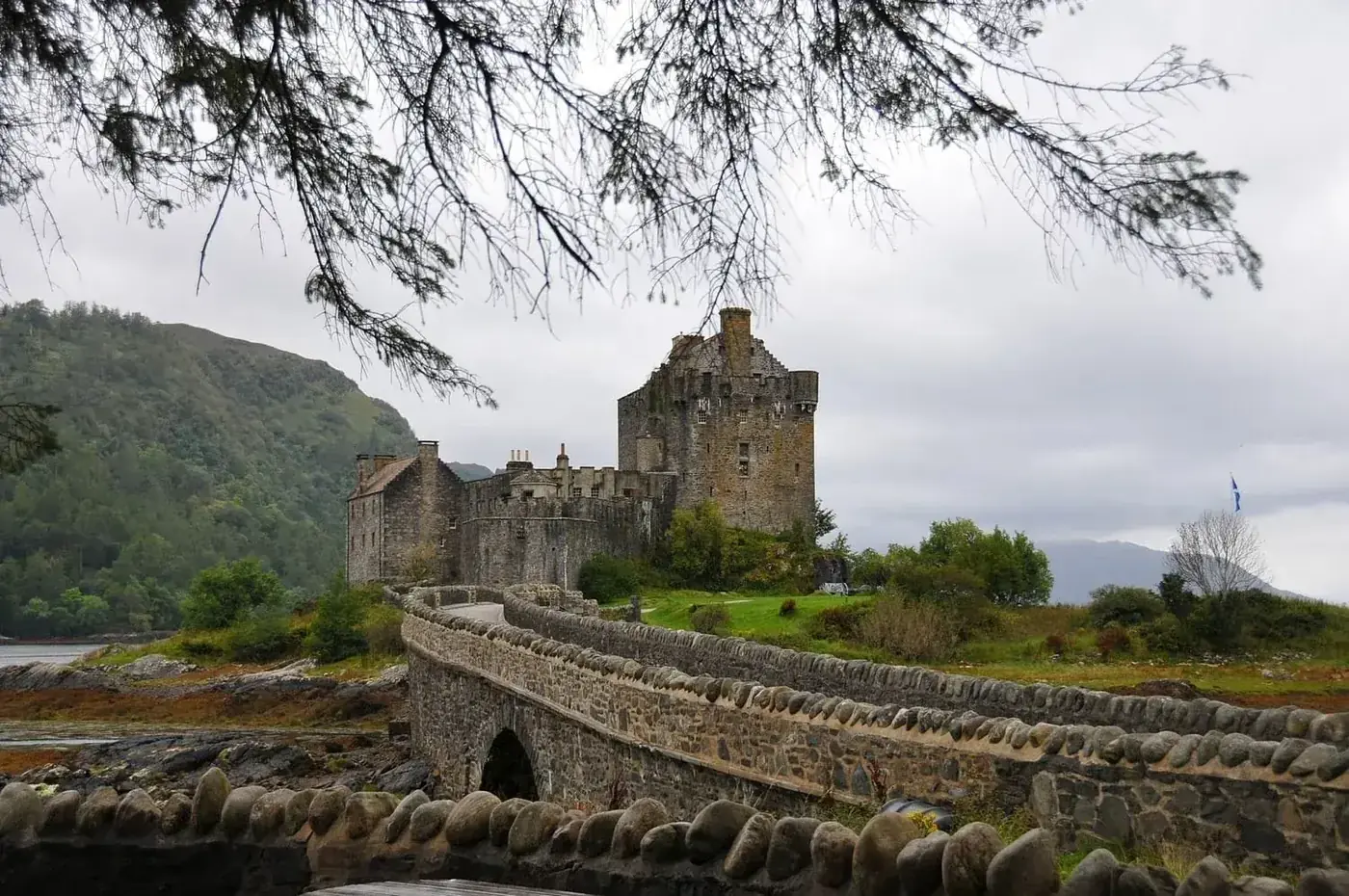
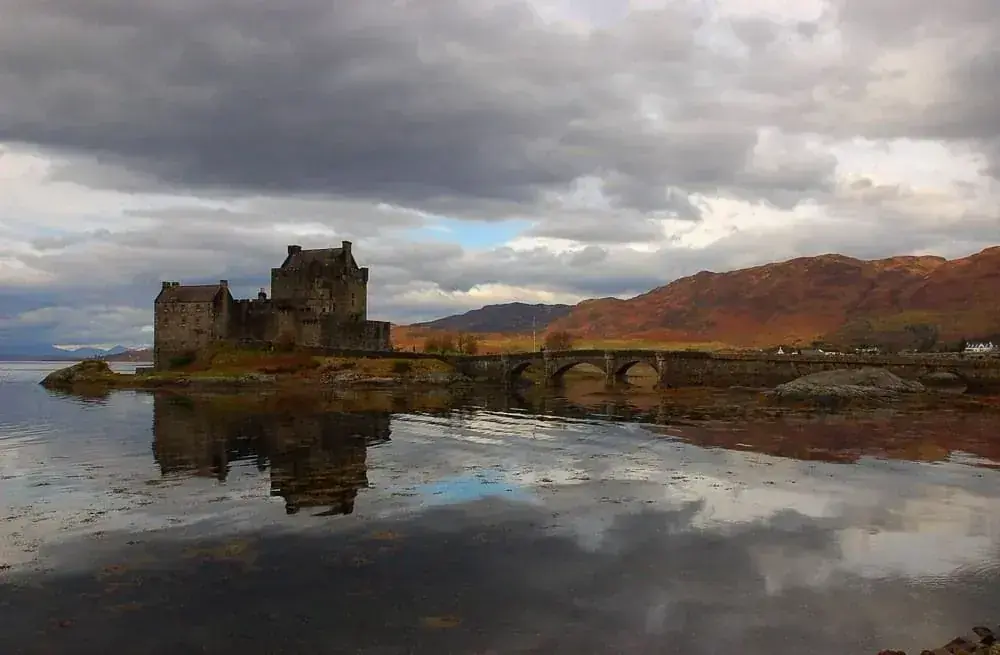
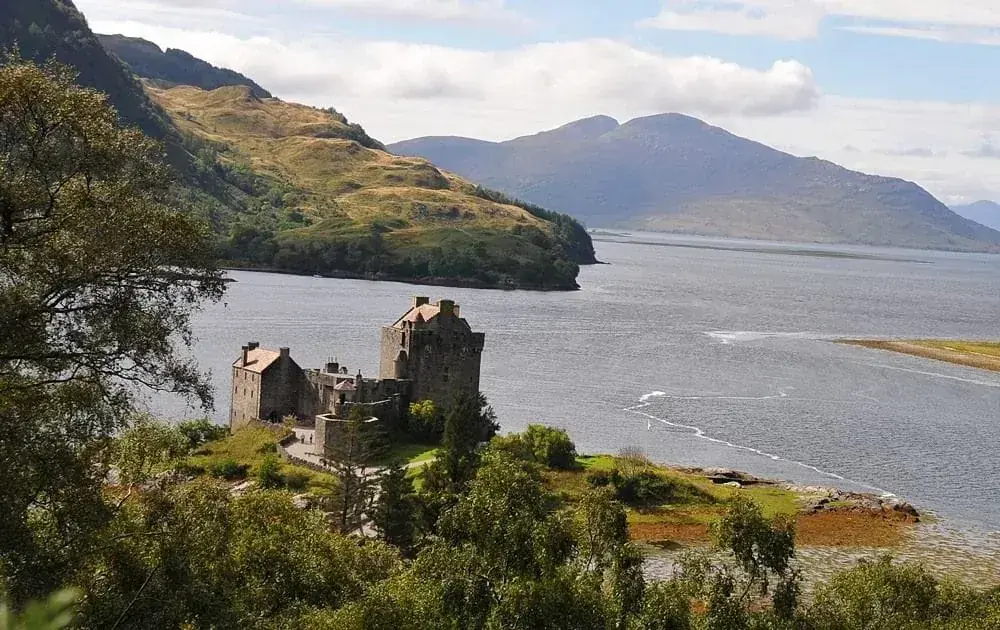
Before you cross the bridge, stop by the water. Eilean Donan sits between sea lochs and mountains, small enough to take in at a glance and dramatic enough to hold your attention long after the first photograph.
The surprise is not how old it looks. It is how recently this familiar silhouette returned to the island. Behind the postcard is a story of gunpowder, abandonment and an extraordinary rebuilding project.
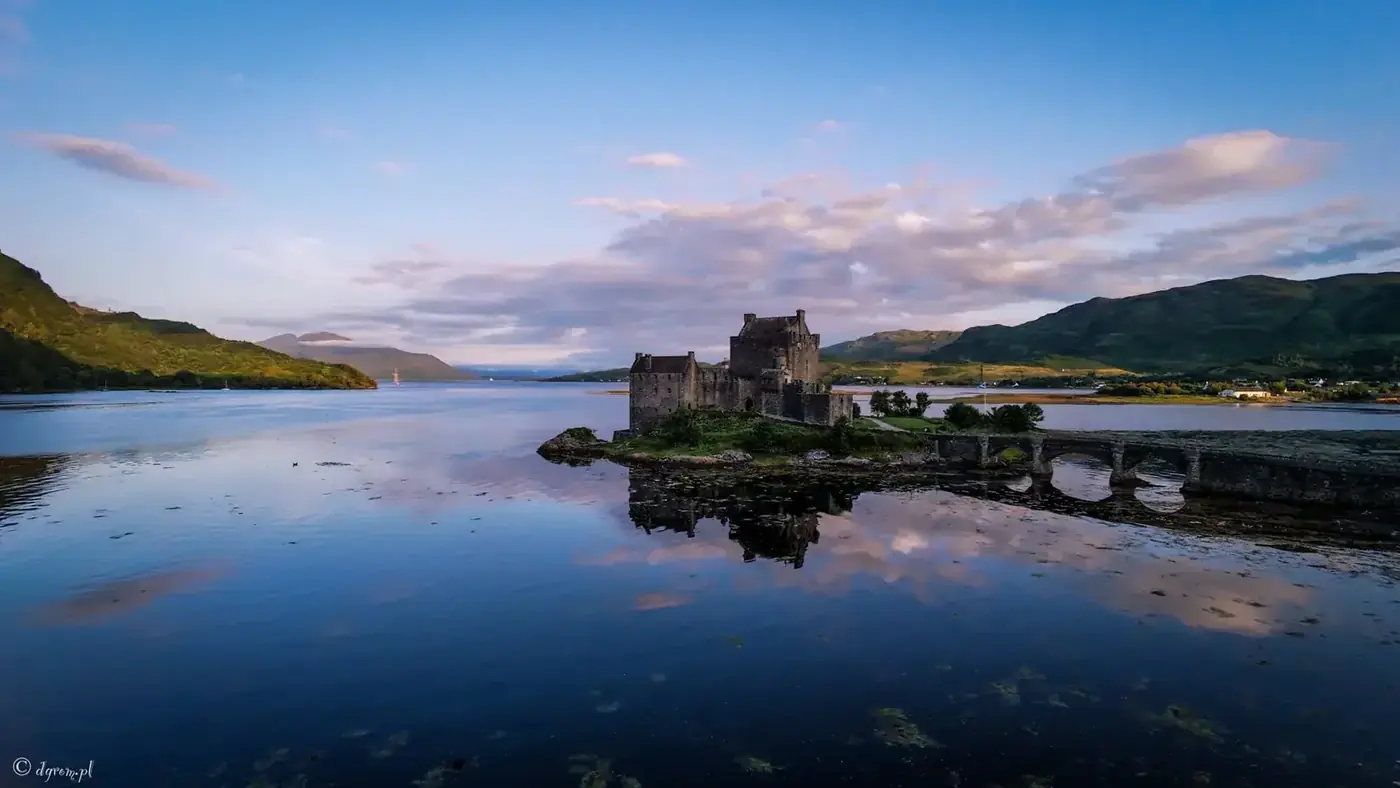
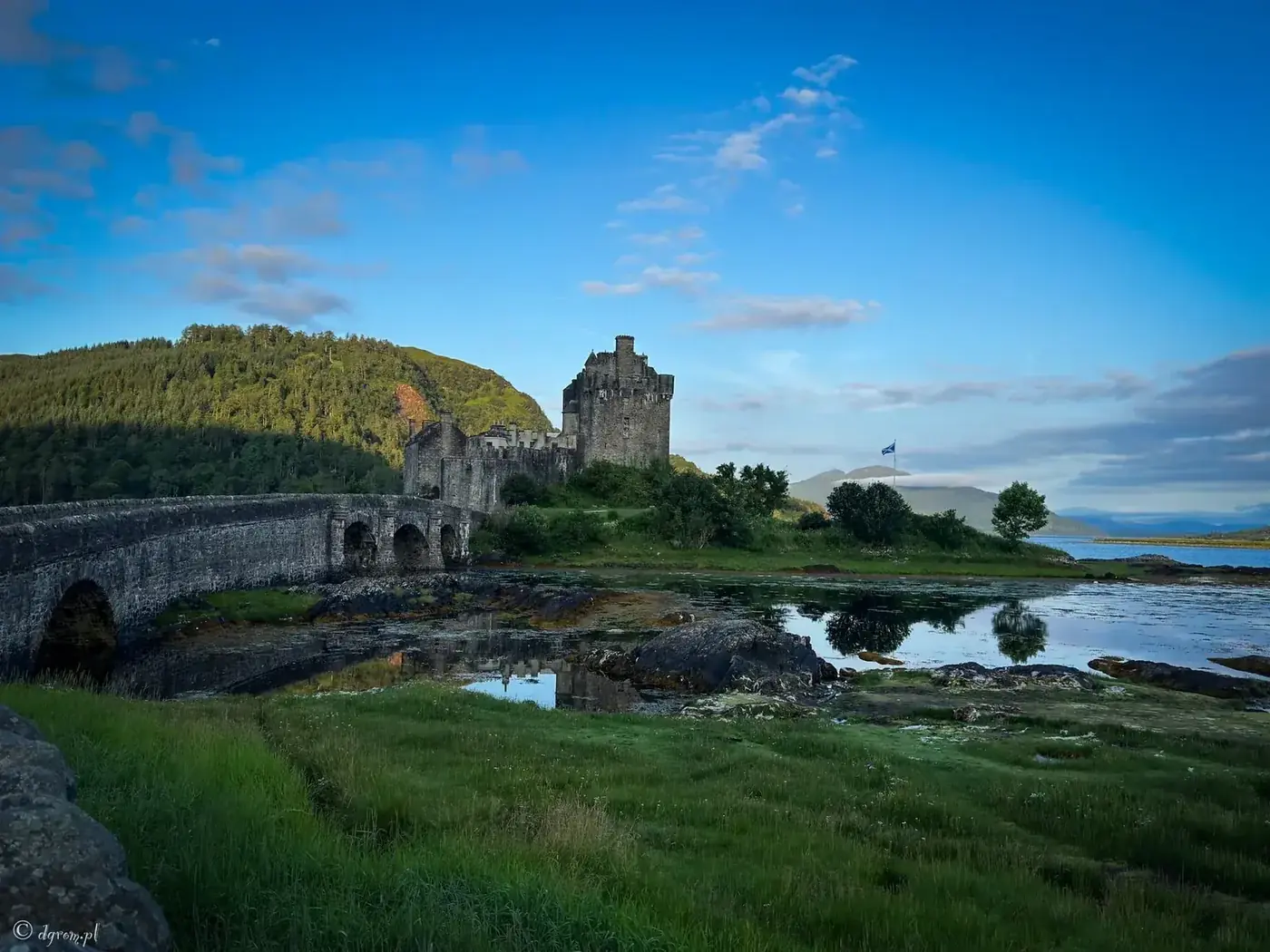
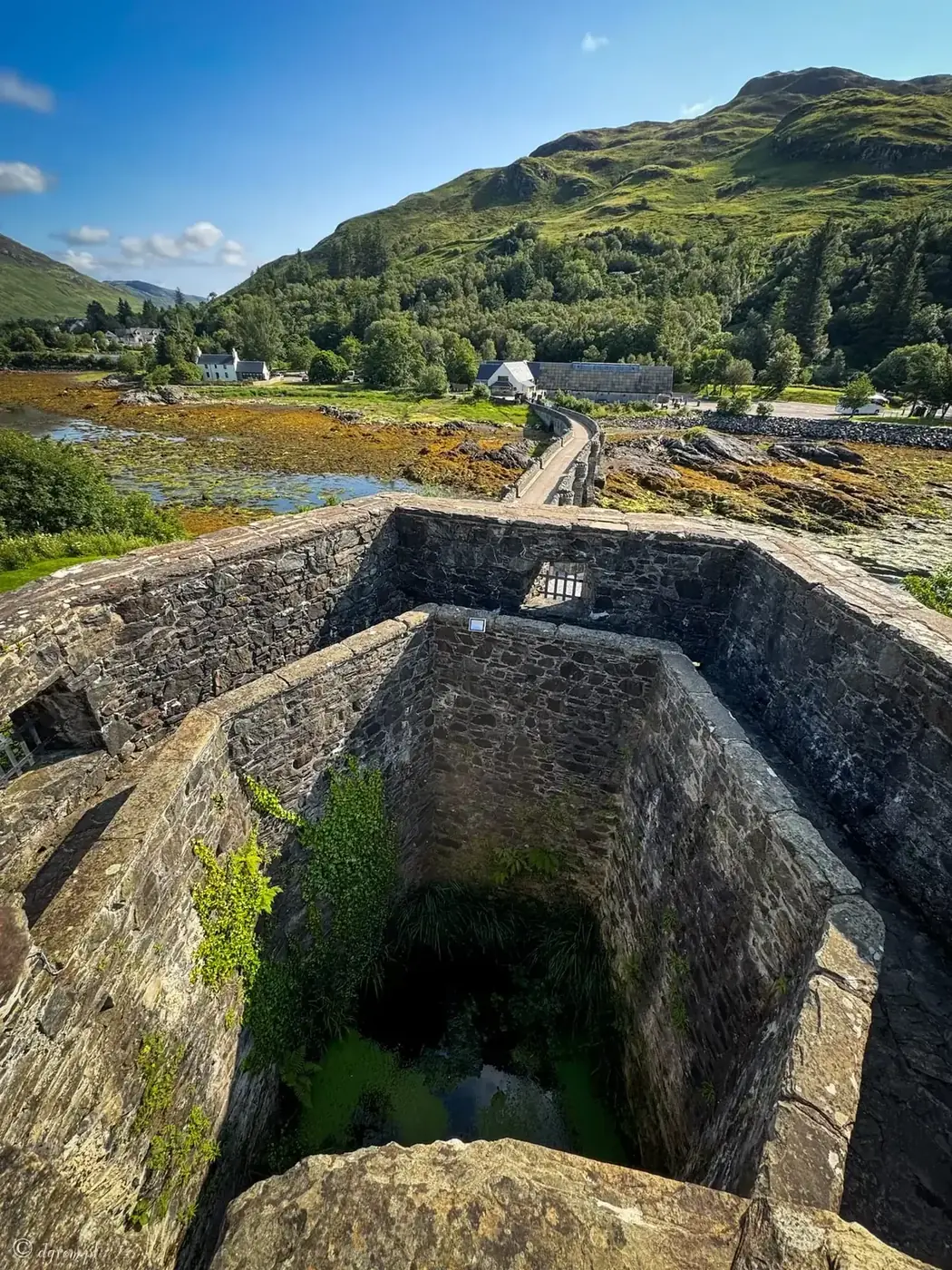
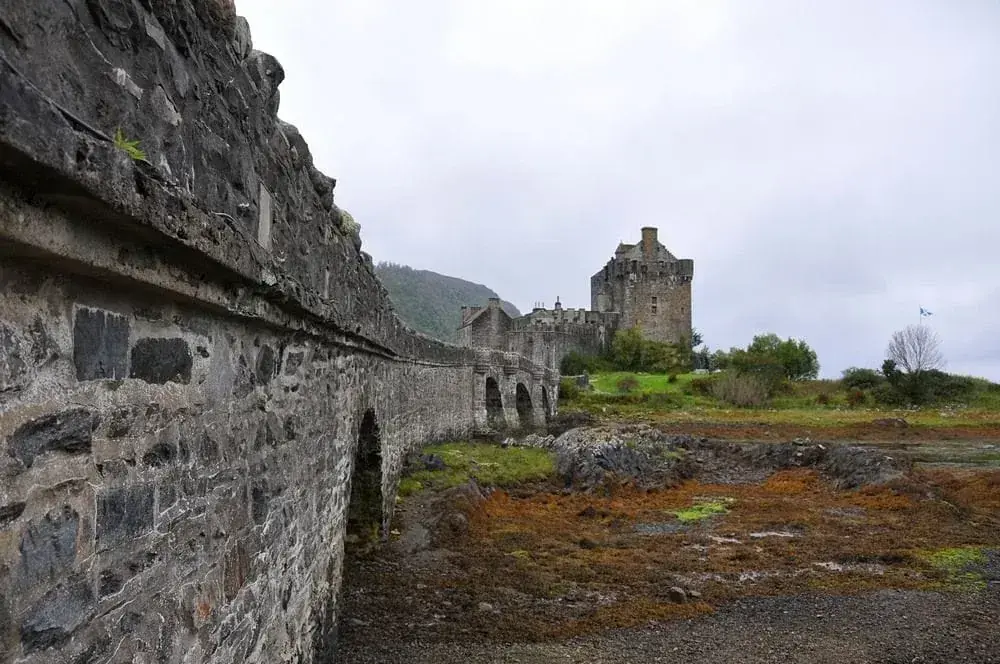
Come for the setting: the bridge, the island and the mountains beyond. Even if you have seen the photograph a hundred times, the changing water and weather give the scene something a photograph cannot hold.
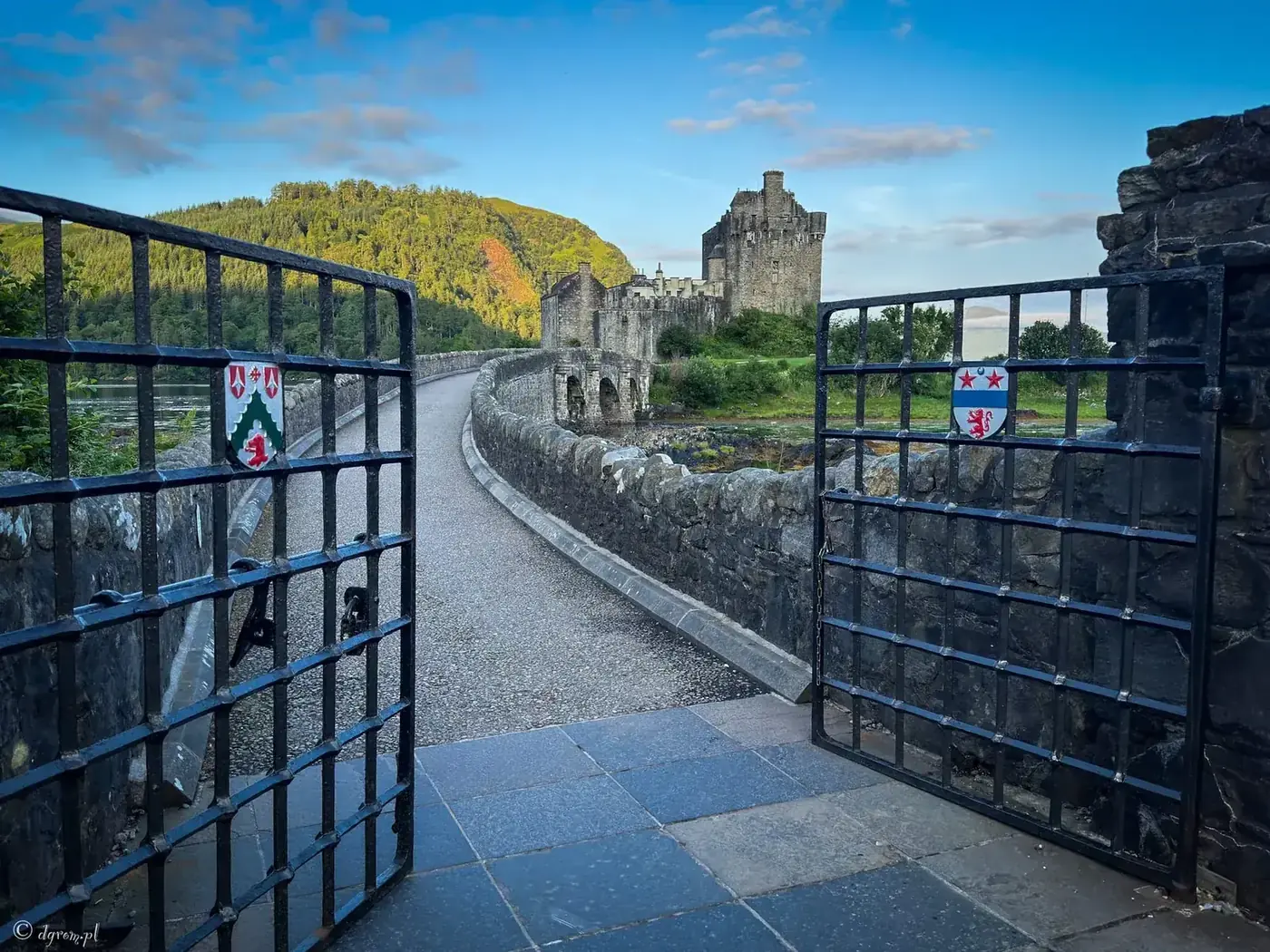
Plan your visit in two parts. First enjoy the shore and the approach. Then explore the castle if you want to look beyond its famous outline.
A castle on a little island can look remote from a modern car park. In a world of boats, however, water connected places rather than simply separating them. Eilean Donan’s position helped it watch the routes through Kintail.
A medieval stronghold stood here from the thirteenth century. It changed shape over time; the island did not always carry the compact castle familiar today.
In 1719, Spanish soldiers supporting the Jacobites occupied the fortress. Government warships attacked, troops came ashore and the defenders surrendered.
The attackers then used the gunpowder stored inside to destroy what remained. The broken walls stayed exposed for almost two centuries. Imagine that roofless island when you look at the complete building today.

02 / VISUAL JOURNAL
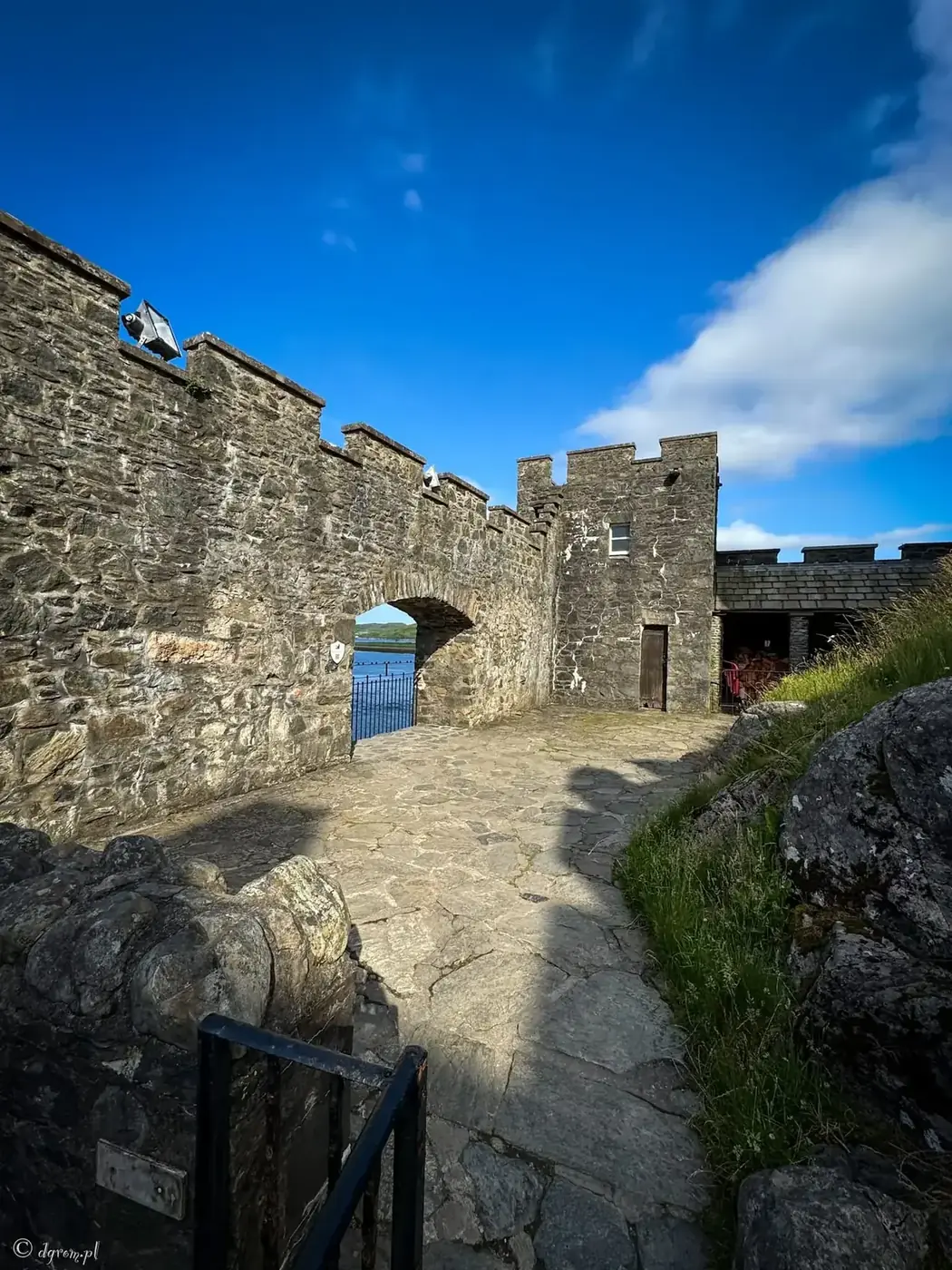
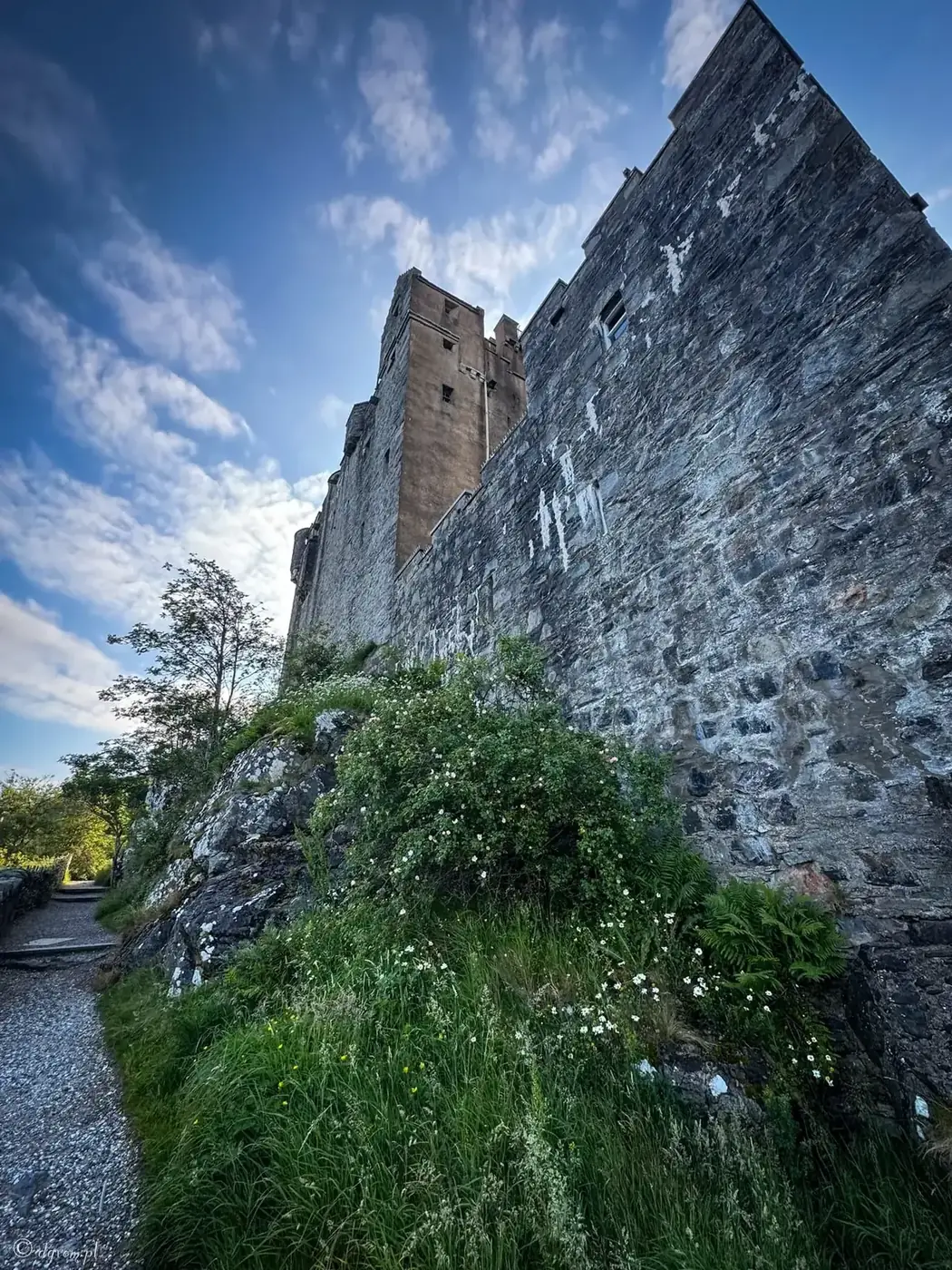
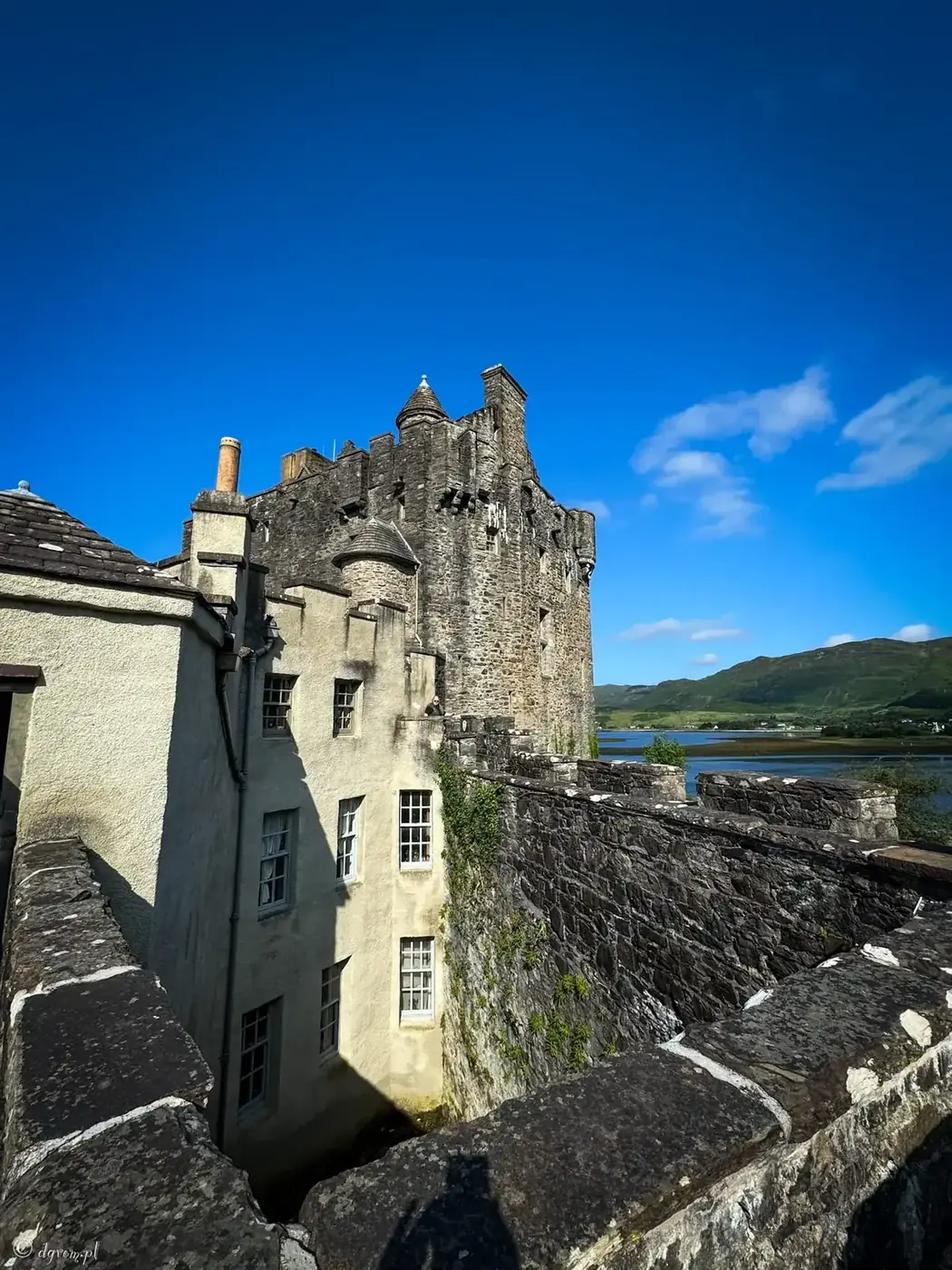
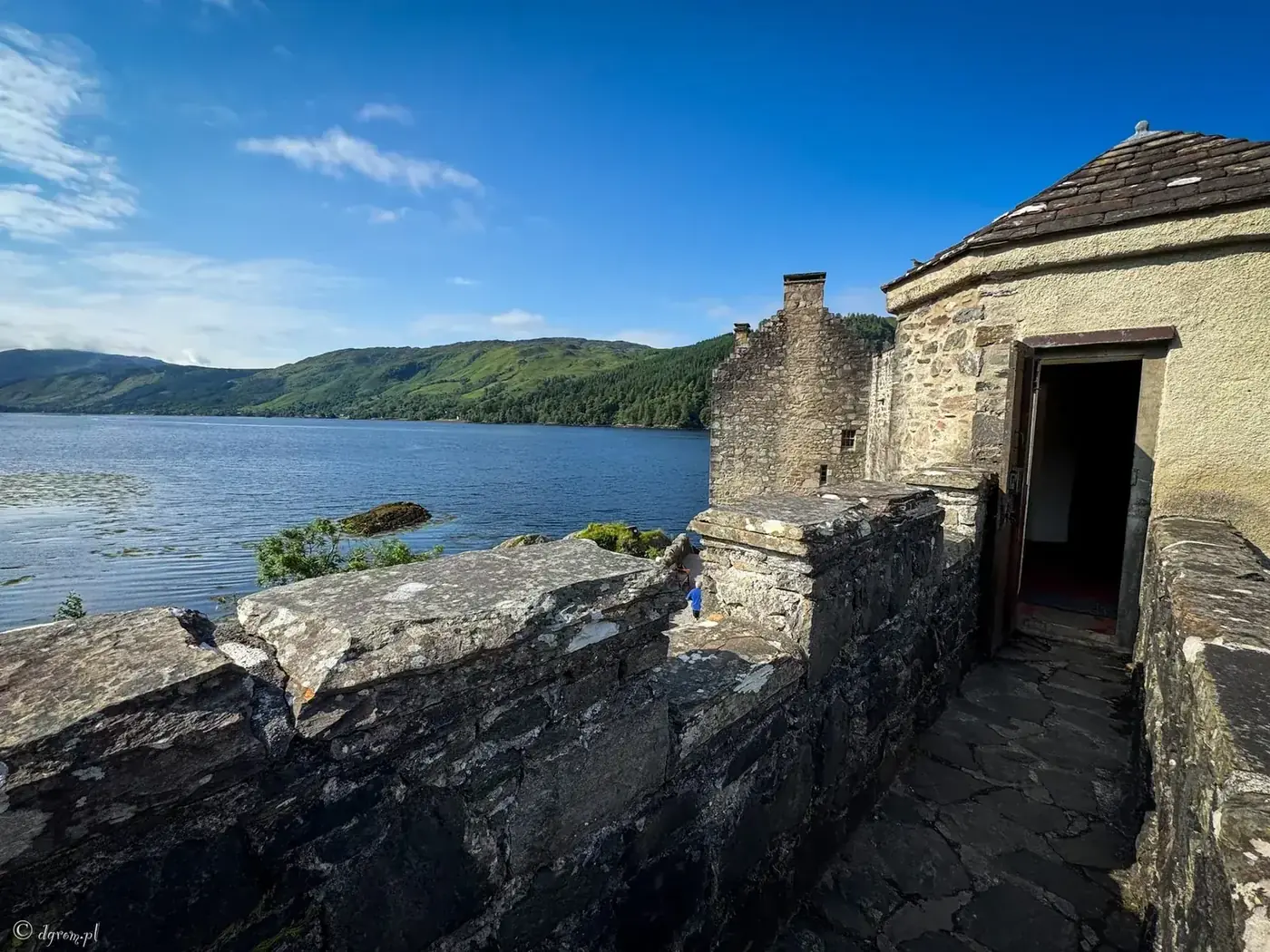
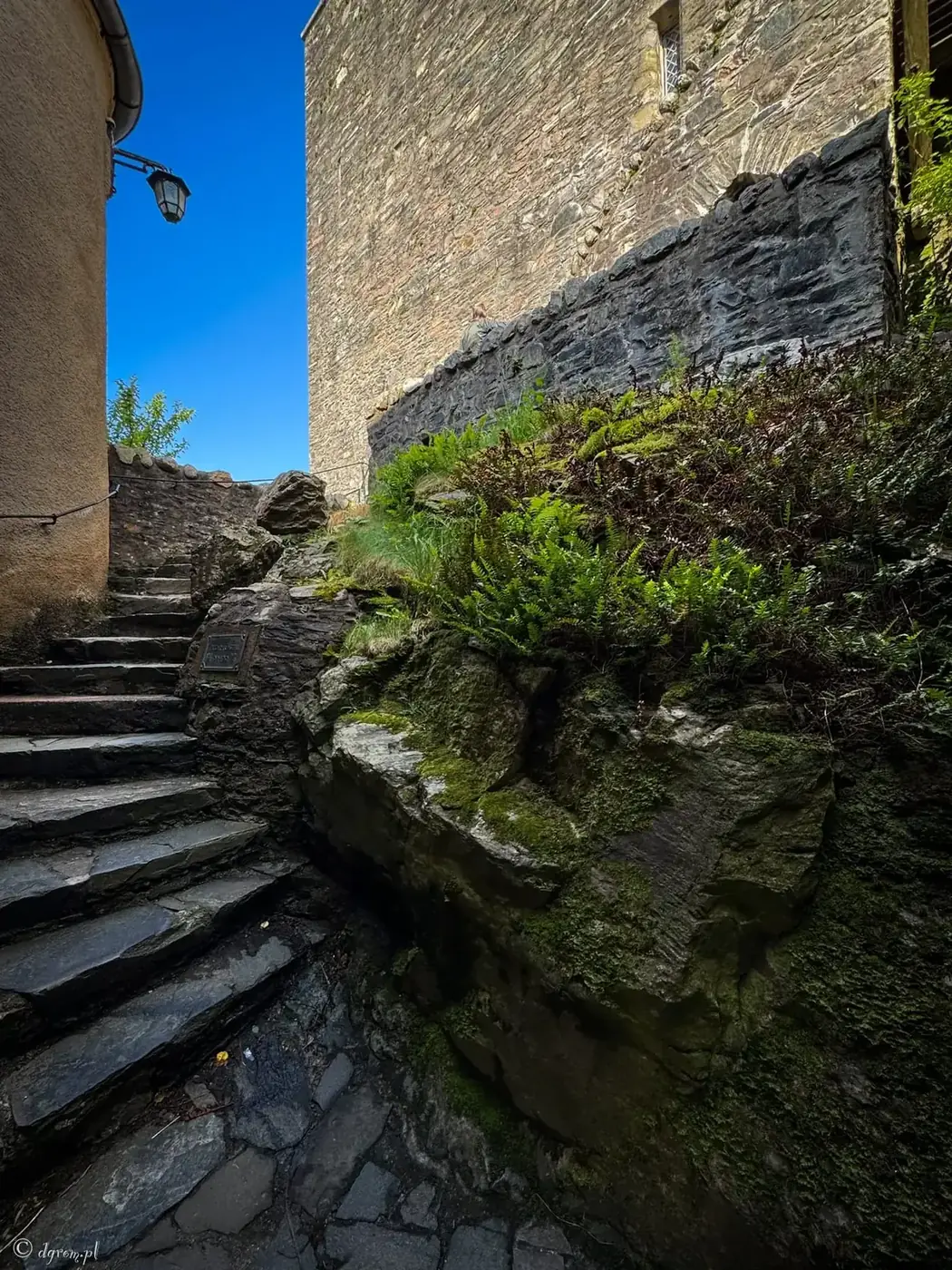
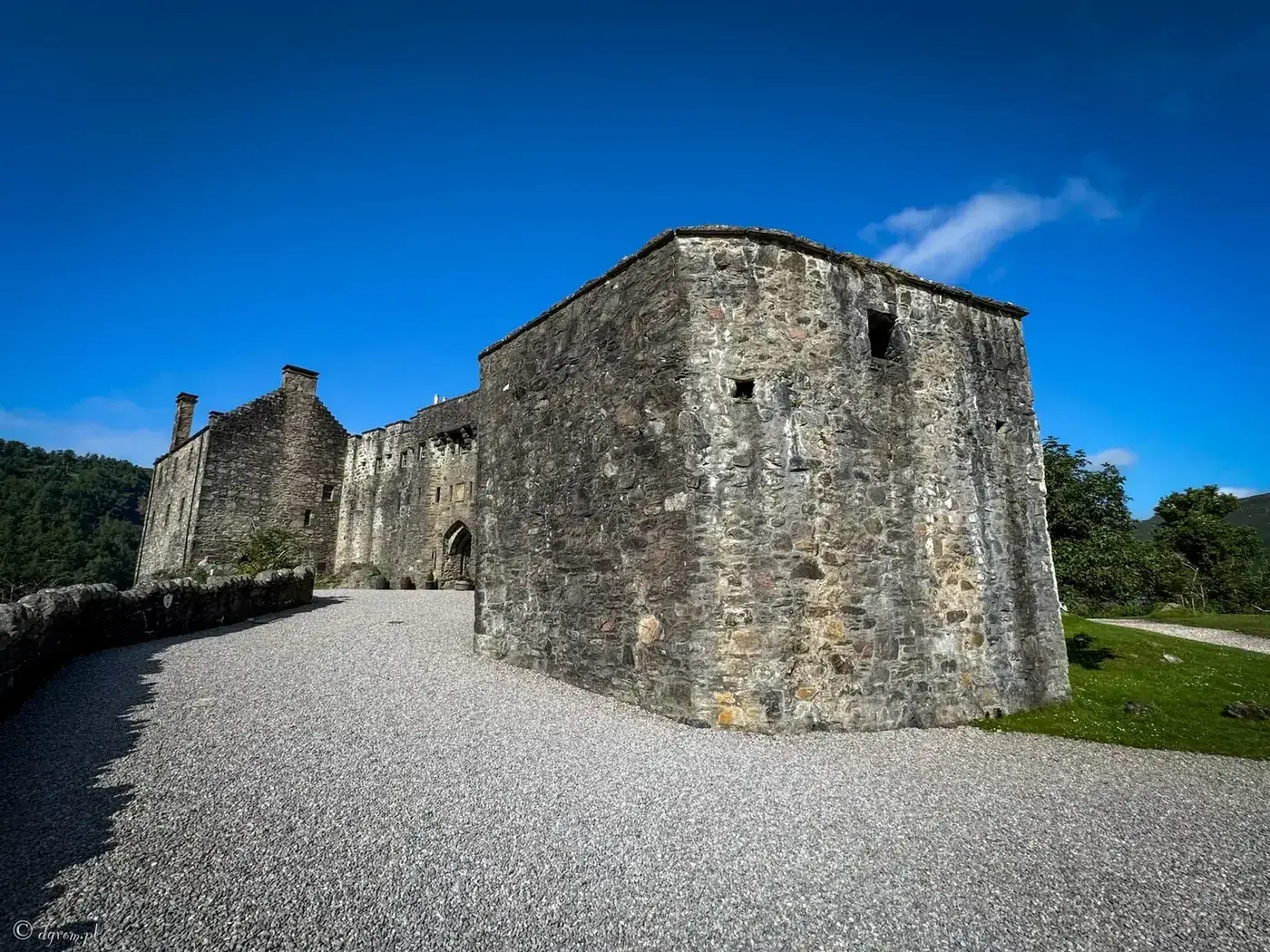
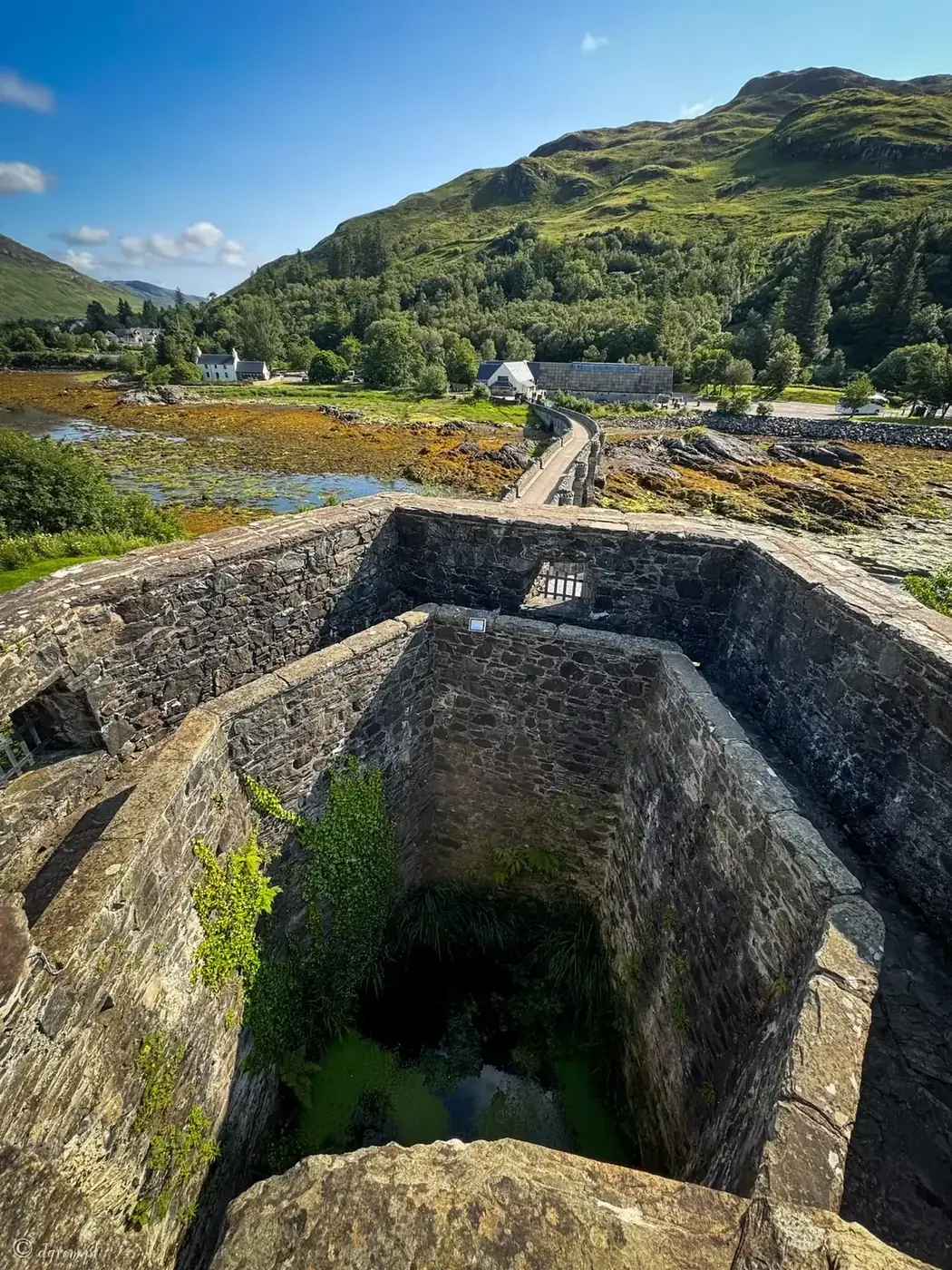
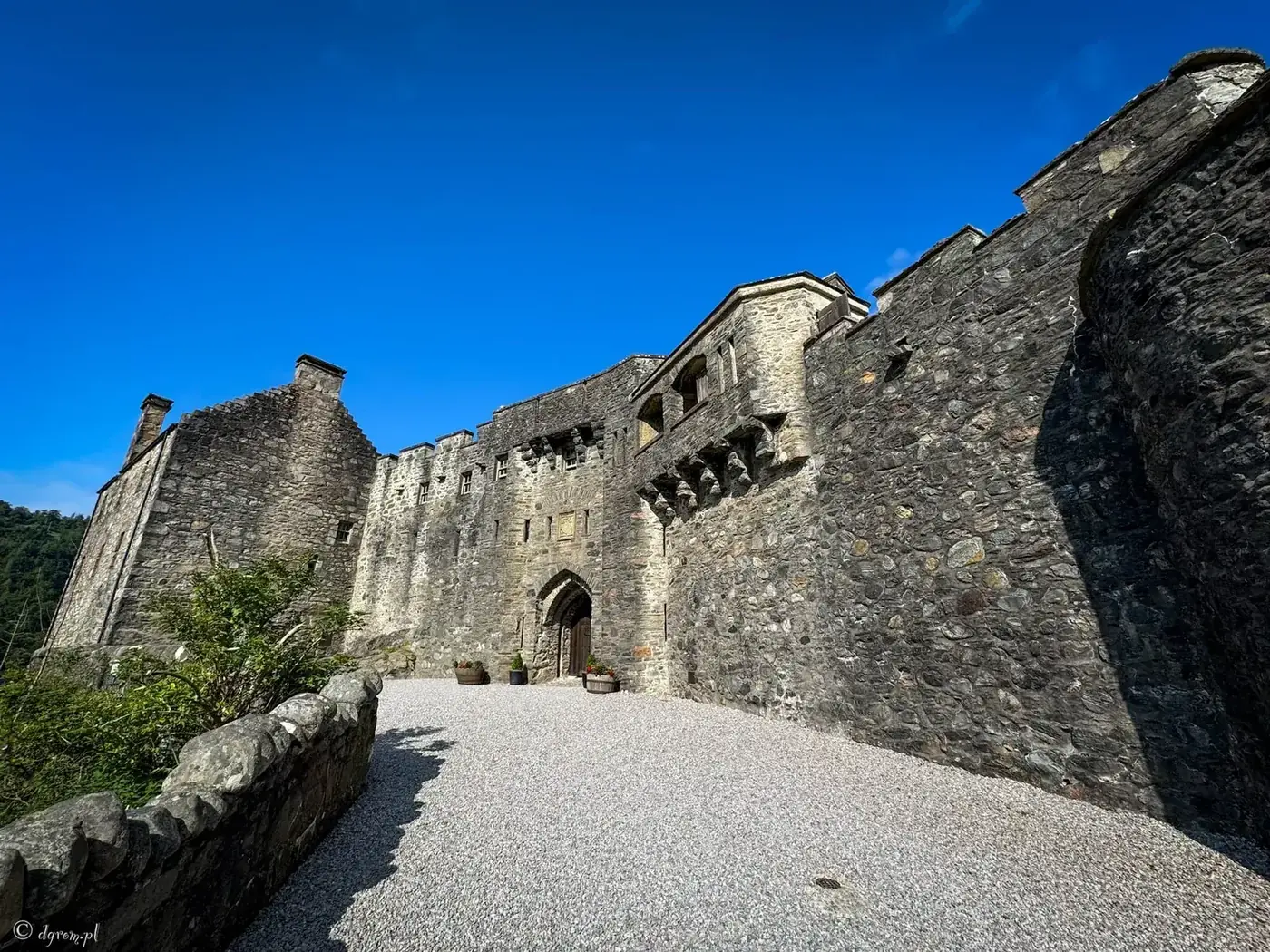
Every photograph on this page was taken by CastleScotland during visits to the site.
10 of 32 photographs
01 / THE STORY CONTINUES
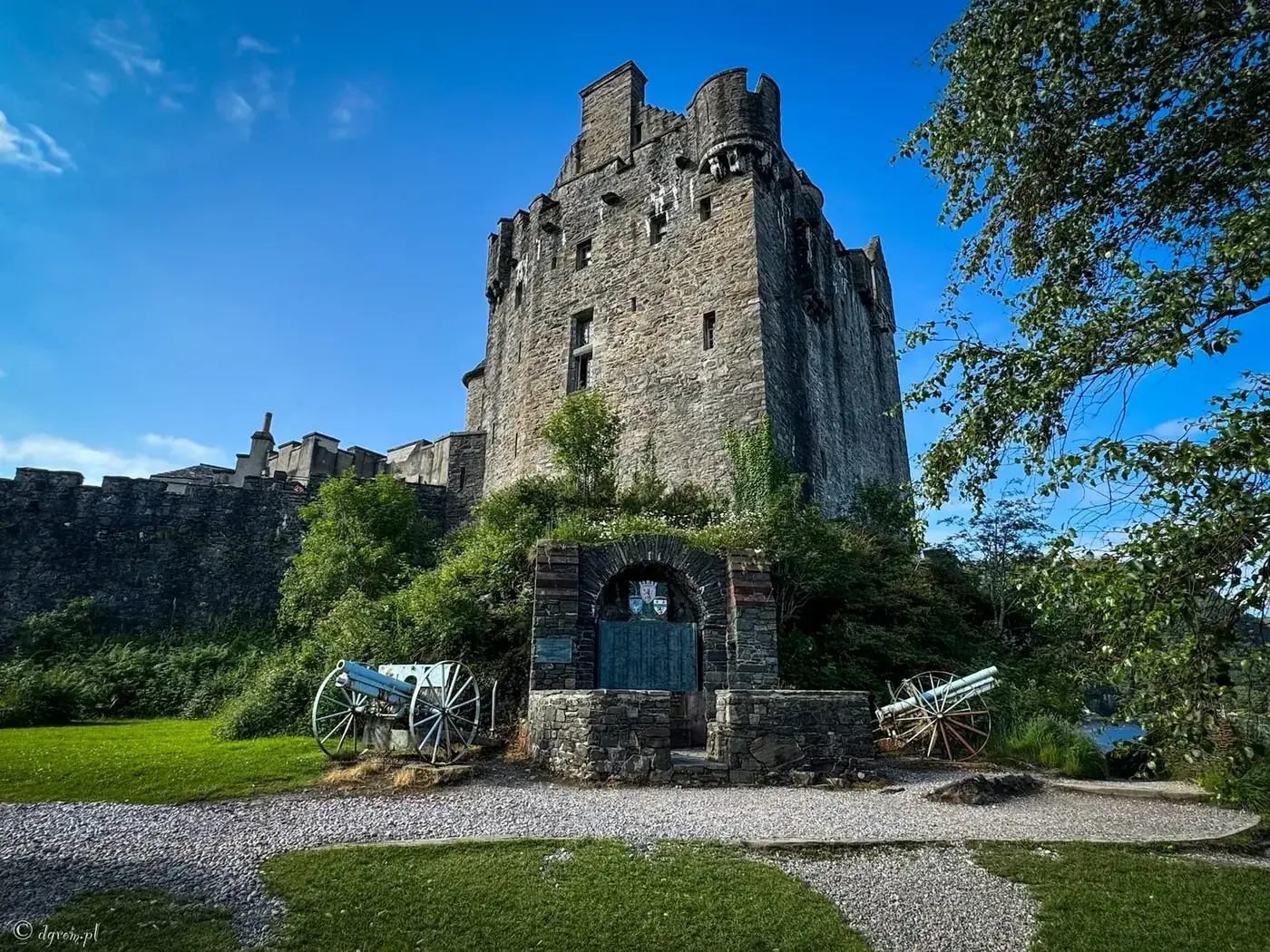
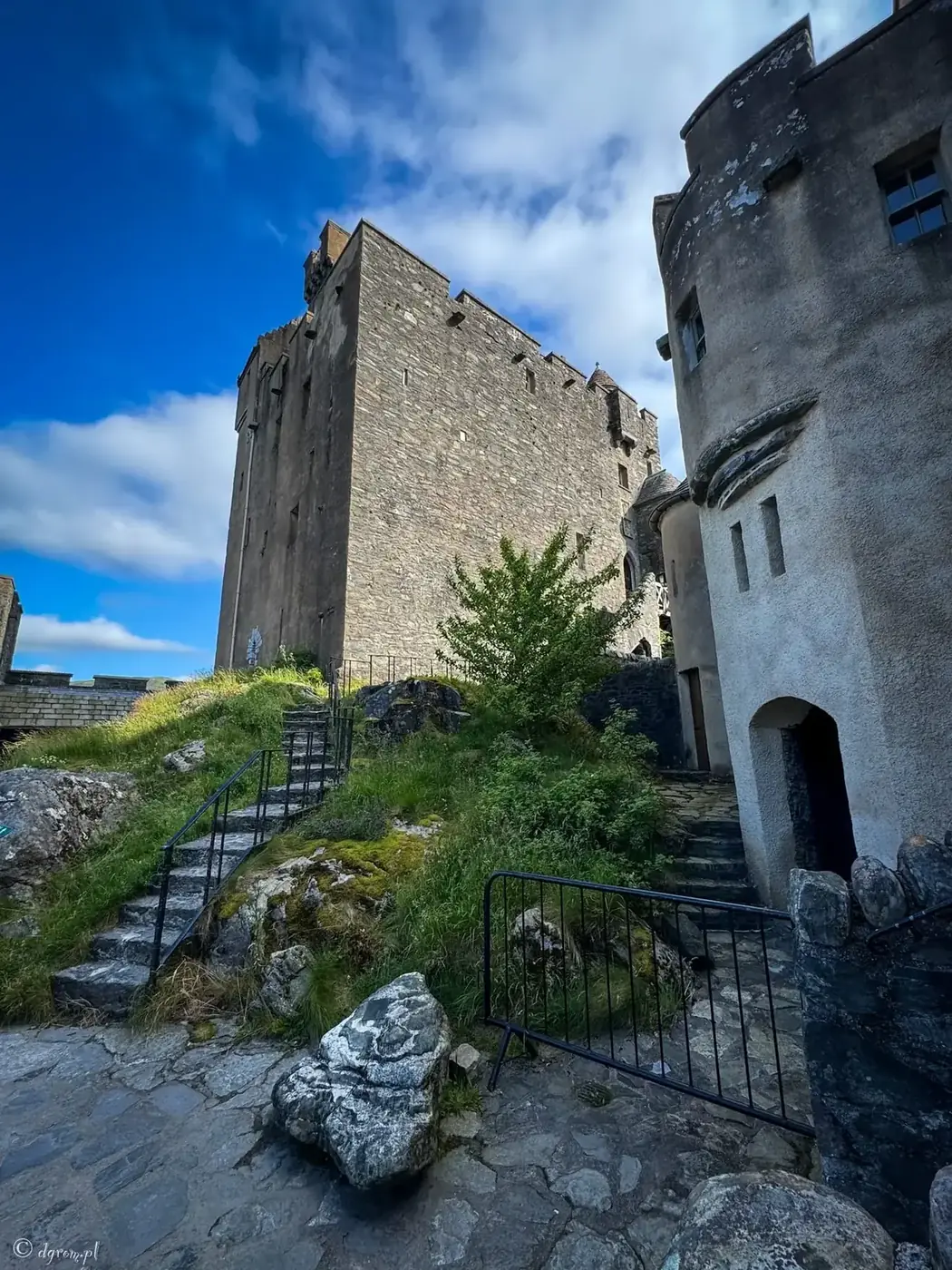
John MacRae-Gilstrap and his clerk of works, Farquhar MacRae, led the twentieth-century reconstruction, completed in 1932. The work drew on surviving remains, but the result should not be mistaken for an untouched medieval castle.
That does not make the place less interesting. It gives it another story: someone saw more than a ruin here and committed years to bringing a castle back.
Try a wide view before zooming in on the towers. Keep some water in the frame and let the bridge lead towards the island. A low bank of cloud can be just as effective as blue sky.
Before setting off, check the official opening and access information. Give yourself time to pause beside the loch rather than treating the castle as one hurried photograph on the way to Skye.
In 1331, Thomas Randolph, Earl of Moray and Guardian of Scotland, had Eilean Donan prepared for his arrival. People described in the surviving account as ‘misdoers’ were arrested, and fifty of them were executed. Their heads were then displayed on the castle walls.
The official castle timeline confirms the executions and the grim display. It is a stark reminder that a medieval stronghold could serve not only as a residence and defence, but also as a highly visible stage for authority and punishment.
Think you have seen this castle before? You may have. Eilean Donan appears in Highlander (1986) and the James Bond adventure The World Is Not Enough (1999). Its film credits also include Loch Ness (1996).
Pause on the shore before crossing the bridge. With stone towers rising above the water and mountains behind them, the setting hardly needs a film crew to feel cinematic.
03 / MOMENTS IN STONE
A fortified island stronghold is established. The building seen today is an ambitious reconstruction based on archaeological evidence and a vision of the island fortress.
Government ships bombard the Jacobite-held castle. Loch Duich, Loch Long and Loch Alsh meet here. The location made the island defensible and inseparable from the western Highlands.
John MacRae-Gilstrap directs the long reconstruction. The classic approach is best in early morning or late afternoon, when the bridge leads the eye into the castle.
The medieval enclosure extended farther across the island than the compact castle suggests today. Archaeological work has revealed substantial curtain-wall foundations and evidence for buildings and activity outside the reconstructed rooms. The occupied area later contracted, but the precise sequence is not entirely settled. A walk around the permitted viewpoints is therefore also a reminder that visible walls do not mark the full extent of the earlier stronghold.
The castle became closely associated with the Mackenzies and MacRaes. Its later clan identity is familiar, but archaeology brings other inhabitants into view: people cooking, working metal, playing games and maintaining the household. Excavated objects show that the island supported much more than a garrison. Such evidence gives substance to the spaces that are now difficult to imagine beneath the finished visitor attraction.
One remarkable find is a carved hair-styling implement made from red deer antler known as a gravoir. It reflects a fashion circulating in medieval Europe, and its hooded figure holds a book. The figure’s identity is uncertain. It should not be confidently named as a particular saint or owner. Gaming pieces and metalworking remains offer complementary glimpses of recreation and skilled labour, showing different aspects of life in a place often reduced to a single romantic photograph.
By the early eighteenth century the old castle was already in poor condition. In 1719 Jacobite supporters used it as a supply base, with Spanish troops present. British warships bombarded the position, and troops then captured and blew up the stronghold. The destruction belonged to the rising of 1719, not the later campaign ending at Culloden. The ruins remained an important landmark long before their transformation into the roofed castle recognised today.
Between 1912 and 1932 Lieutenant-Colonel John MacRae-Gilstrap led a major rebuilding campaign, with architect George Mackie Watson and Farquhar MacRae involved. Historic Environment Scotland describes the result as a free interpretation incorporating surviving medieval fabric. The bridge and causeway form part of the modern approach. Stories linking the reconstruction to a dream or personal vision belong to its romantic tradition; they should not imply that the finished building reproduces every lost medieval detail with certainty.
Today the Conchra Charitable Trust owns the castle, and the reconstructed building is listed at Category A. Its heritage value includes both the earlier remains and the later effort to reimagine them. Take in the wider island before concentrating on the bridge photograph, and distinguish the landscape’s continuity from the changing architecture. The most rewarding visit holds three histories together: medieval lordship, the violent episode of 1719, and a modern reconstruction that helped create one of Scotland’s defining images. The archaeological discoveries add a quieter fourth perspective, the daily lives behind the walls.
Find Scottish castles by region, landscape or the stories that bring them to life.