TICKETSFree
Access status checked on the official HES visitor page; this is not a substitute for the live closure notice.
View current prices
Exterior settingFree
InteriorCurrently closed for conservation
ParkingAvailable nearby
 Castle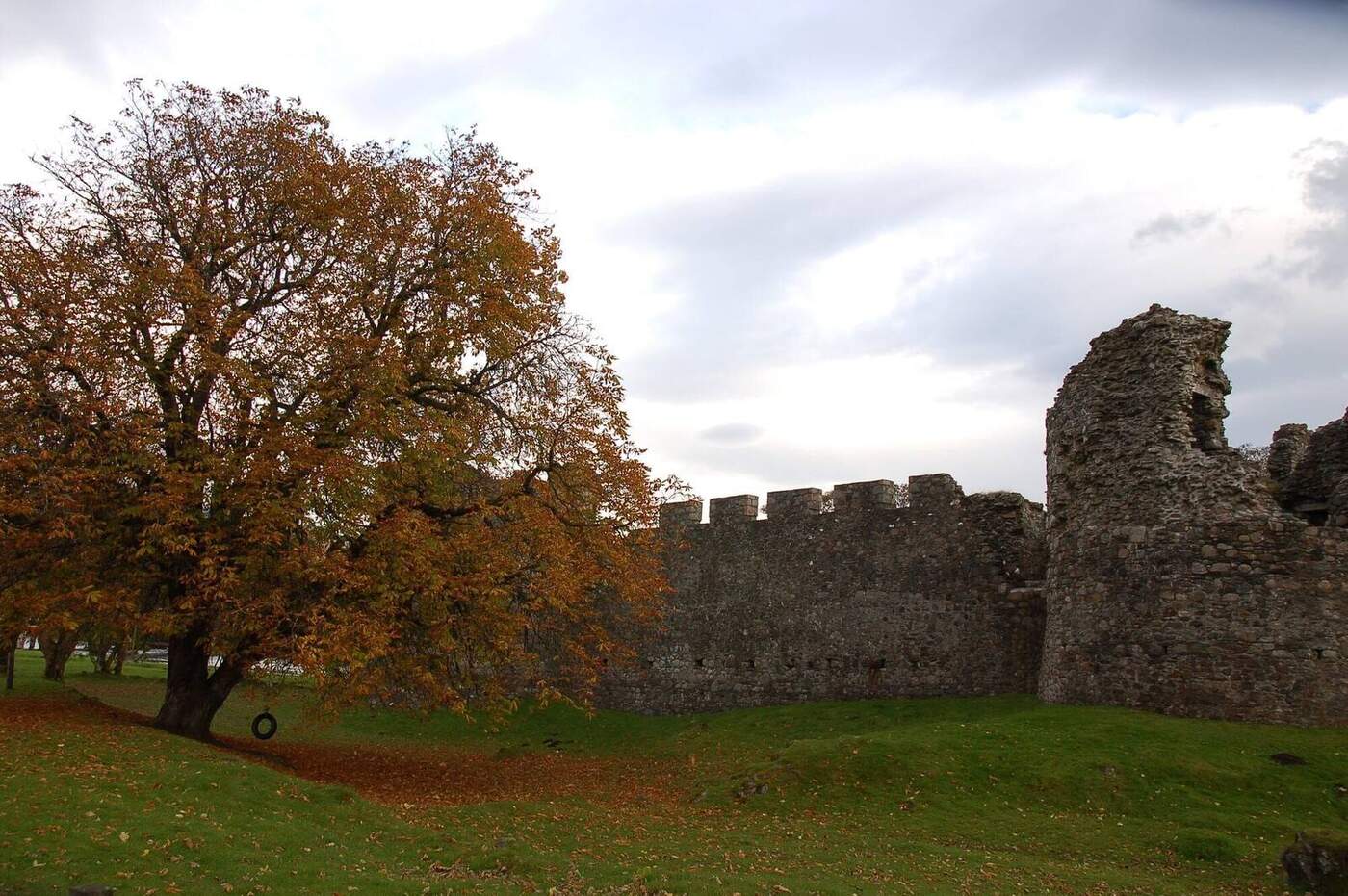
COMYN FORTRESS · FORT WILLIAM
A square of towers. At the foot of Ben Nevis.
PLAN YOUR VISIT
Near Fort William, Highland
Access status checked on the official HES visitor page; this is not a substitute for the live closure notice.
Exterior settingFree
InteriorCurrently closed for conservation
ParkingAvailable nearby
Historic Environment Scotland states that some grounds are open, but the castle itself is currently closed for conservation and is viewed through protective fencing. There is no standard admission charge for the exterior setting.
Parking information
Visitor parking is available beside the old castle. A small lay-by opposite the ruins is reached from the signed access road. This is separate from Highland Soap Company's customer car park. Check current signs.
Parking sources checked · 11 October 2026
Parking is available near the site. Stay on permitted ground and do not treat the fencing as an obstacle to bypass; conditions can change at short notice.
A valuable Fort William detour for its readable four-tower plan and layered afterlife, best approached as a respectful exterior visit.
WHAT TO EXPECT
01 / THE STORY
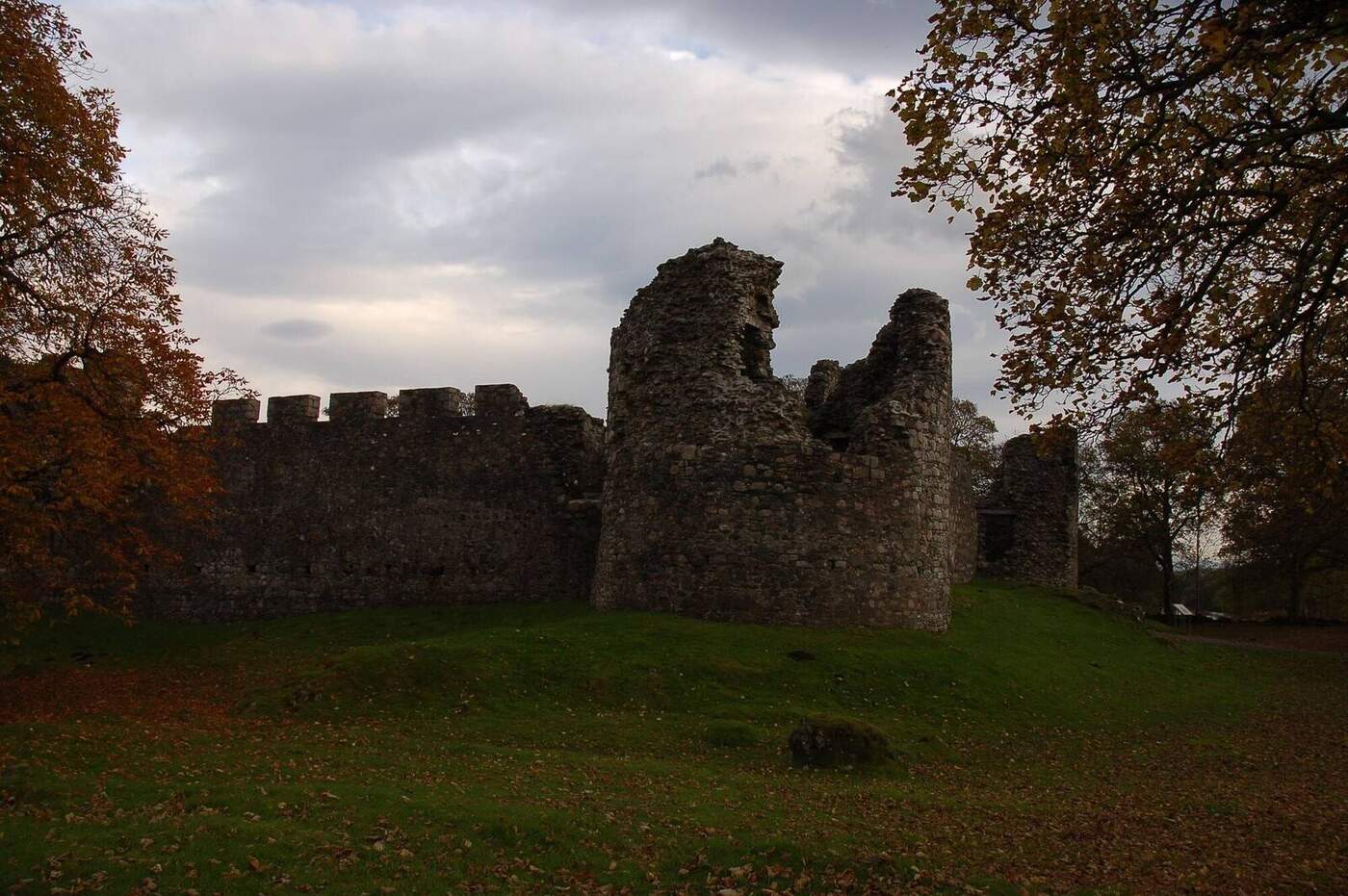
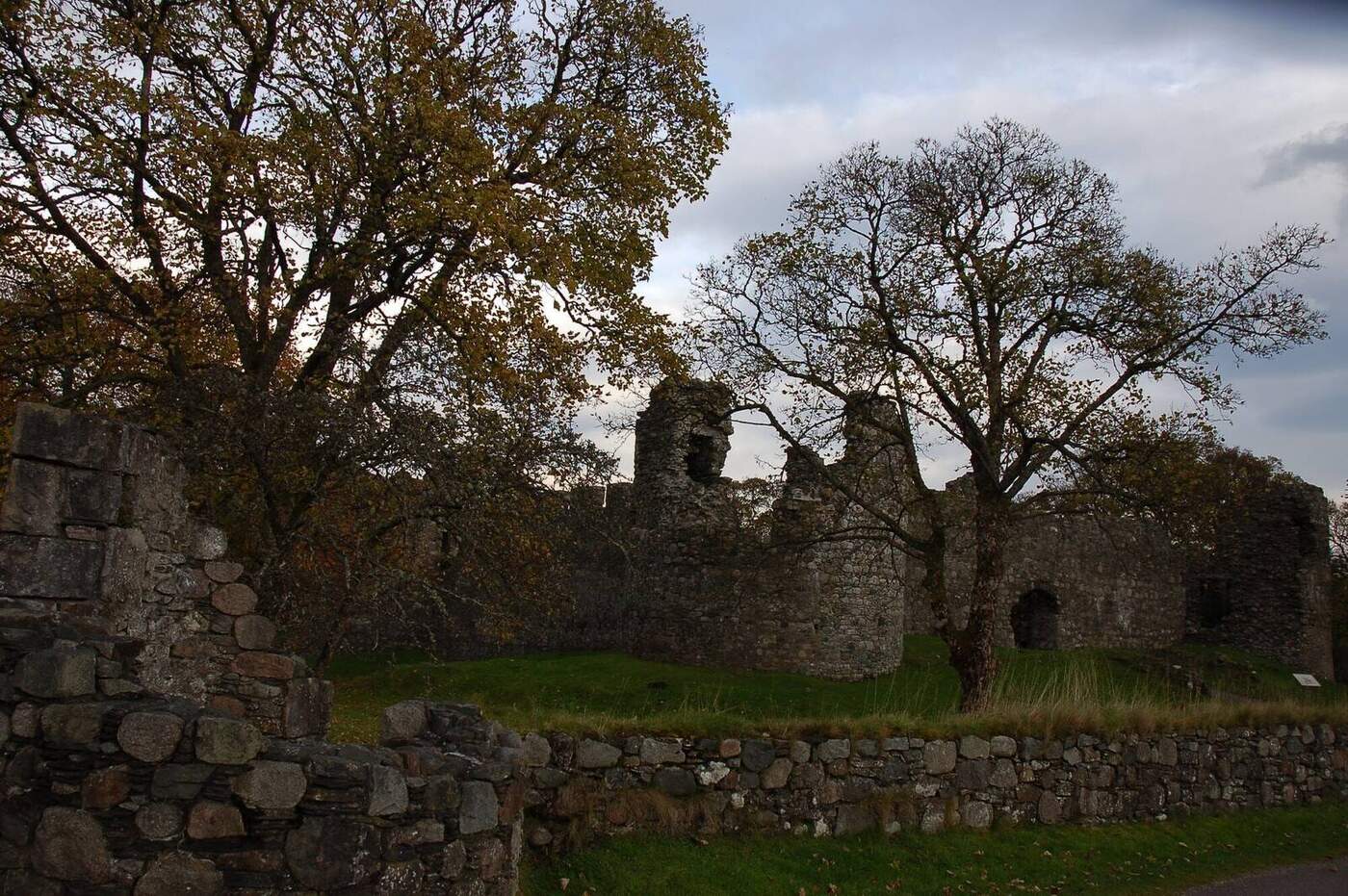
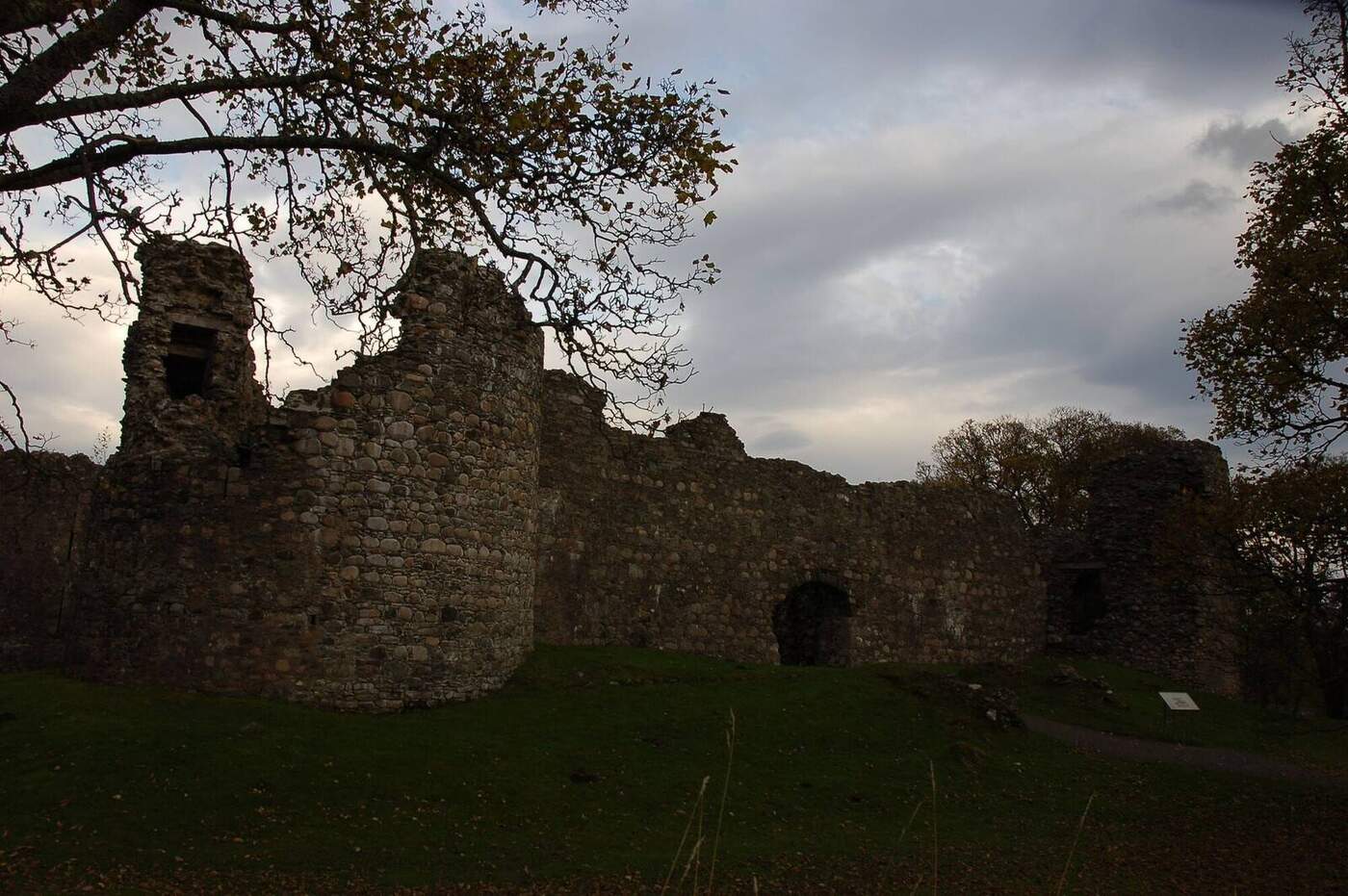
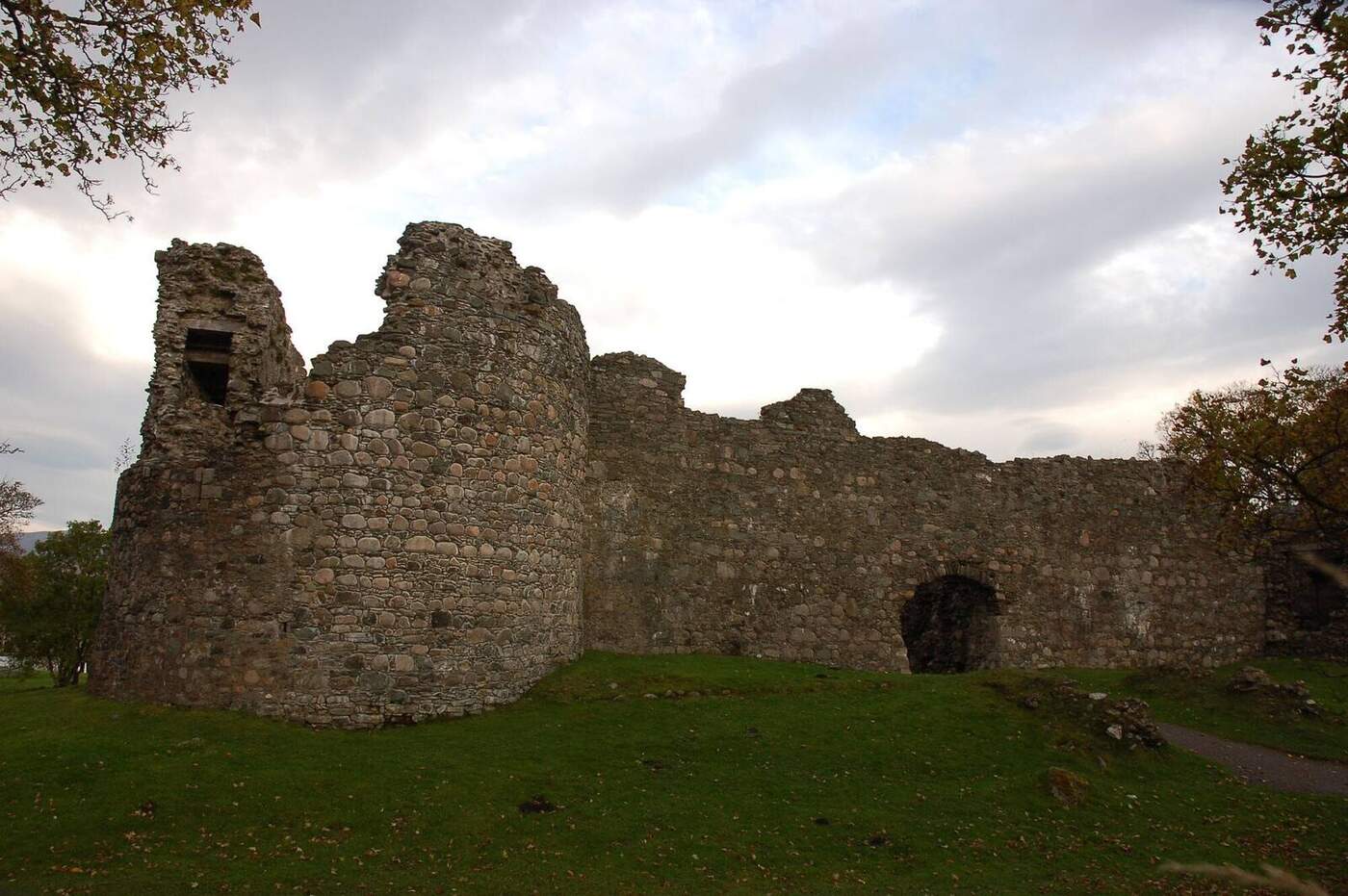
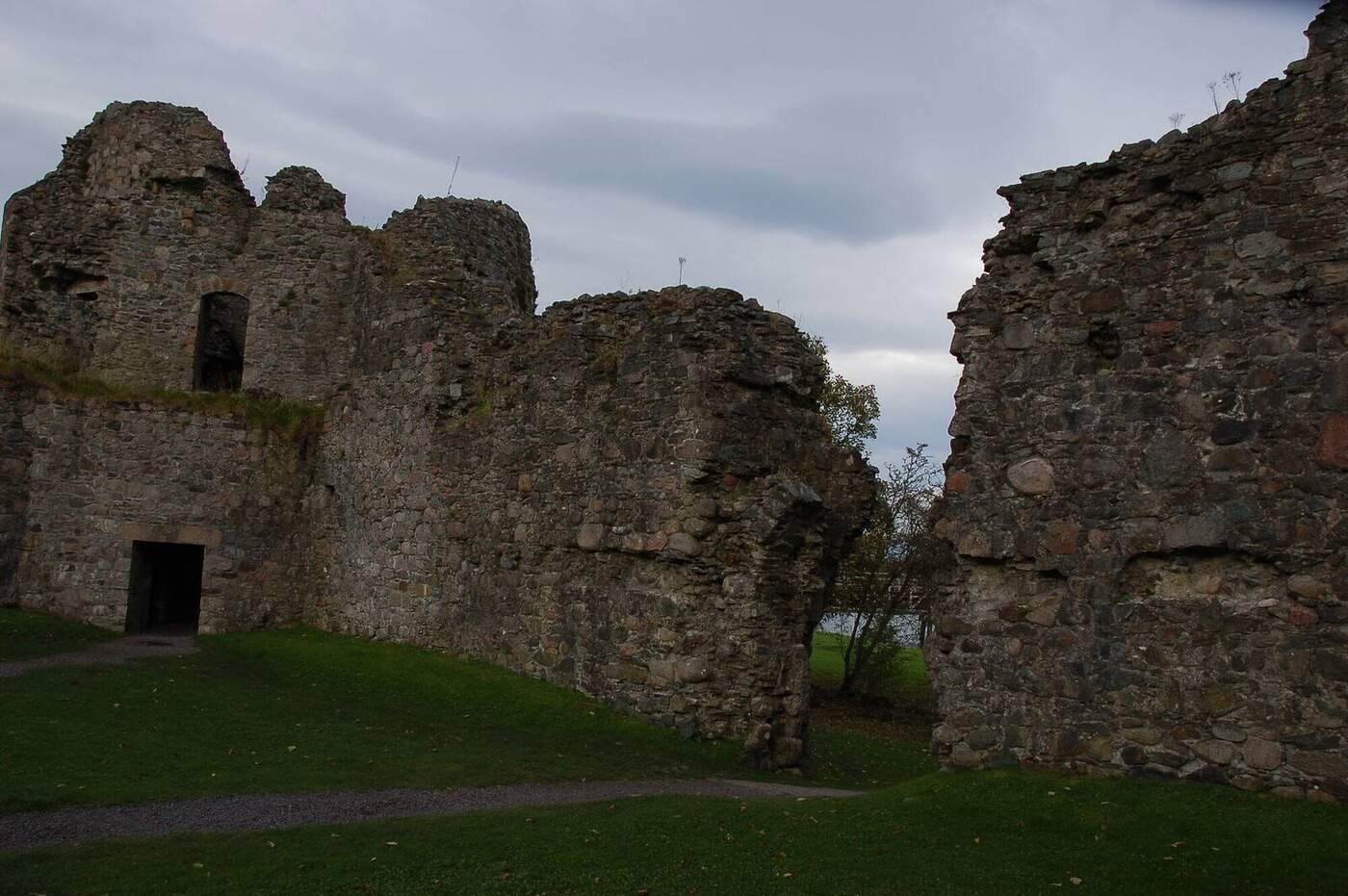
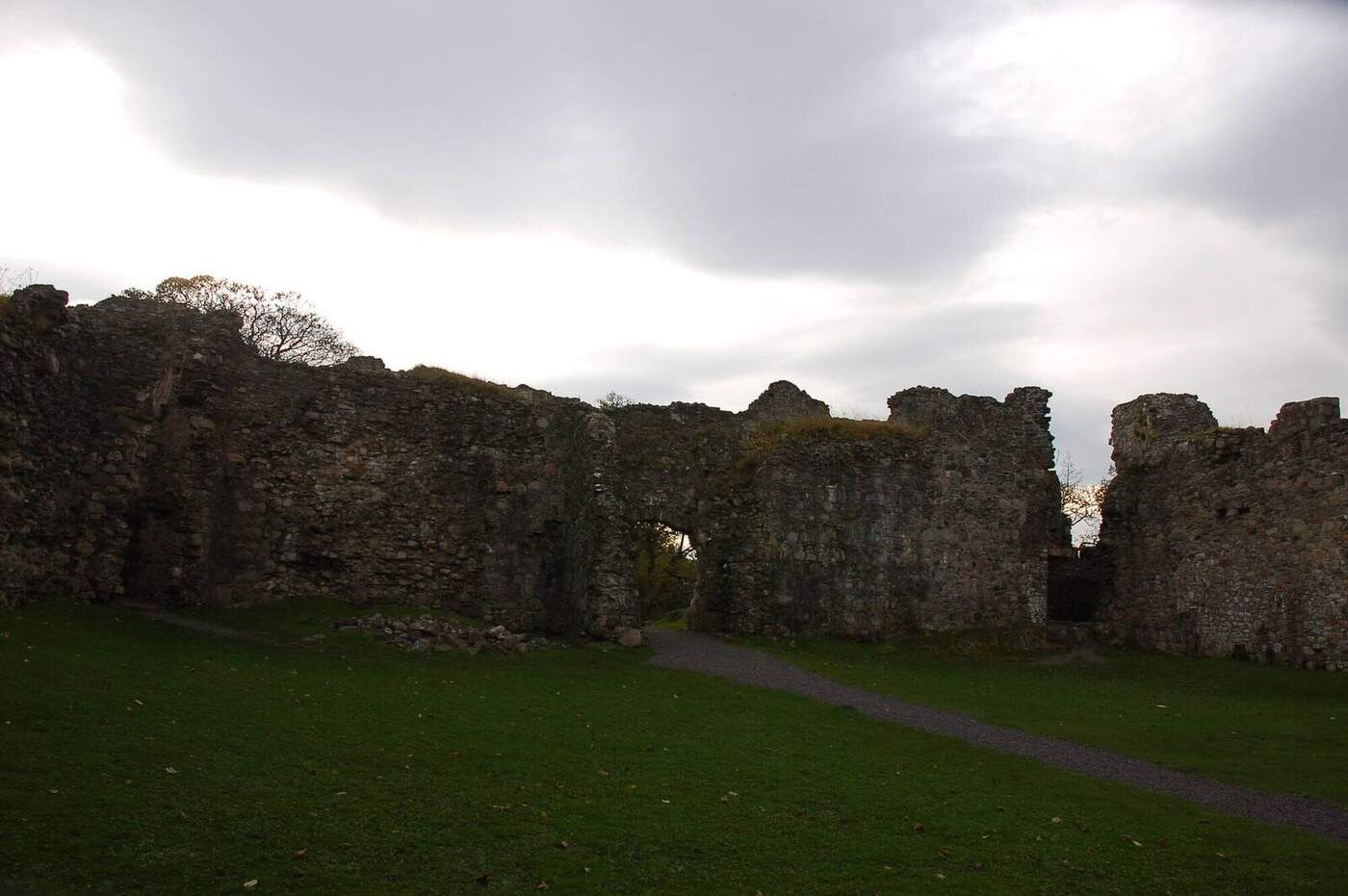
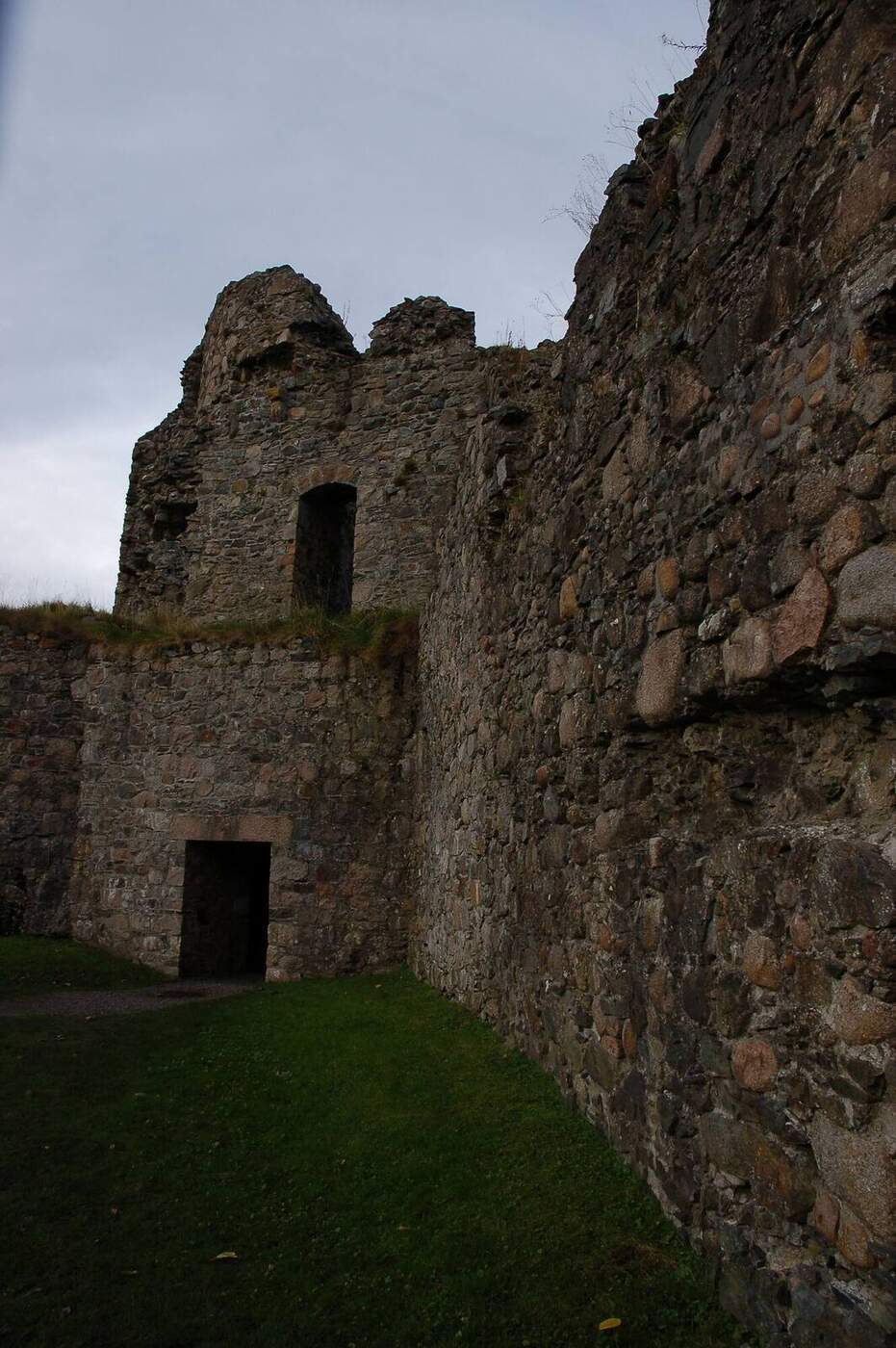
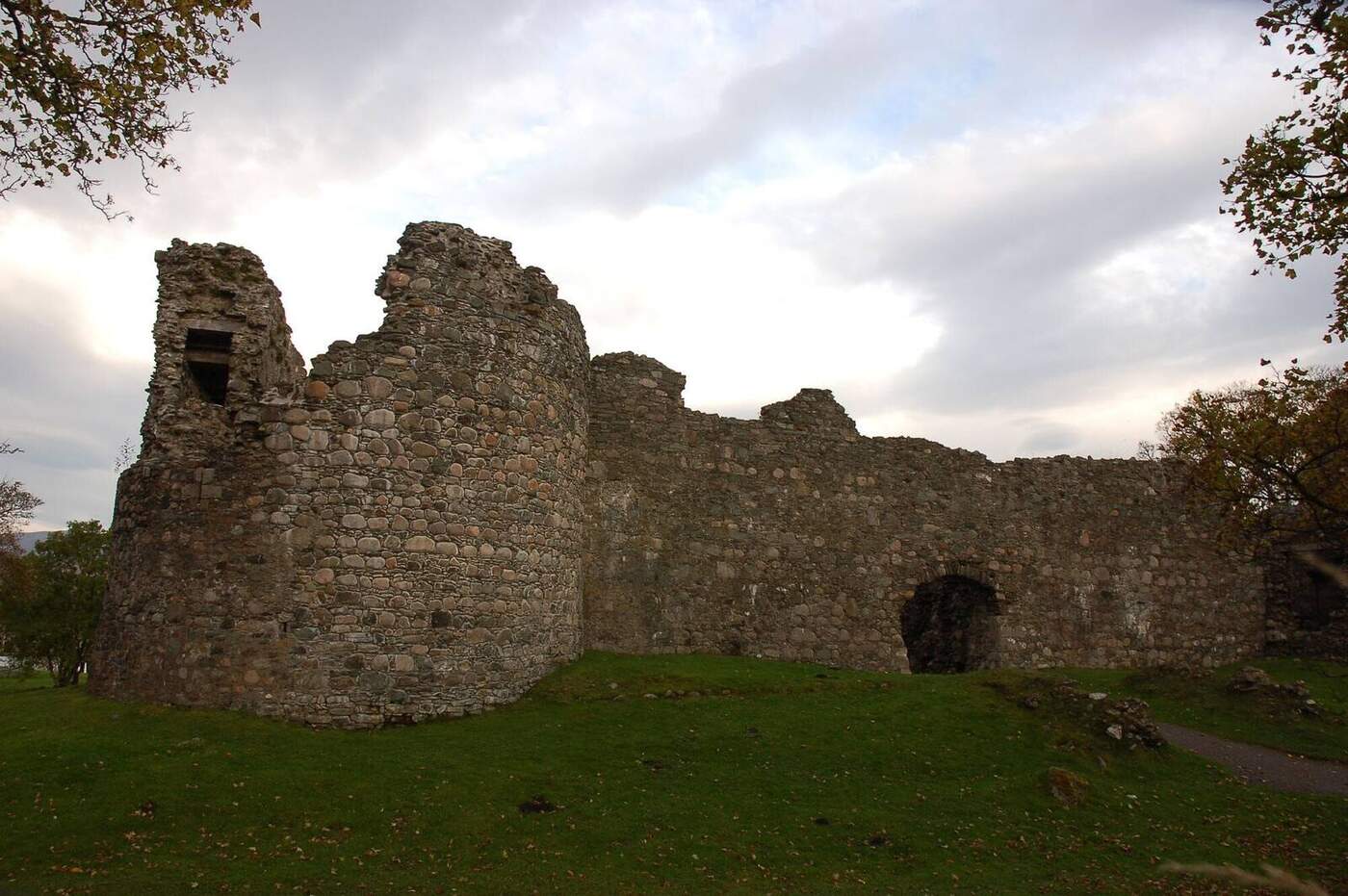
Old Inverlochy is a remarkably clear medieval quadrangle beside the River Lochy. Four round towers still mark the corners, making the military plan readable even when conservation limits access.
Two battles carry the Inverlochy name, but neither should be turned into a simple siege of these walls. The castle's quieter careers as a court and even an iron store are just as revealing.
From permitted exterior viewpoints, the corner towers and connecting curtains form an unusually coherent outline. The river entrance recalls a world in which water carried people and supplies.
Follow current closure notices and fencing. A clear view of the plan is worthwhile without entering unstable areas.
The Comyn lords built the fortress around 1280, controlling routes at the southern entrance to the Great Glen. The largest corner block is known as Comyn's Tower.
Robert the Bruce's defeat of Comyn power later brought the castle under royal control. Its decline was a process, not one visibly proven act of destruction.
Forces of the Lord of the Isles won the first Battle of Inverlochy nearby in 1431. In 1645 Montrose and Alasdair MacColla won a major Royalist victory against the Covenanters.
The open ground was strategically important, but the two battles were distinct events. Neither is evidence that every broken wall was battered during combat.
02 / VISUAL JOURNAL
Every photograph on this page was taken by CastleScotland during visits to the site.
01 / THE STORY CONTINUES
From the early sixteenth century the Gordon Earl of Huntly used Inverlochy while serving as sheriff, and the castle functioned as a court of justice.
Power here could mean hearings and judgments as well as portcullises. Later the old enclosure even stored pig iron, an unexpectedly industrial afterlife.
The Victorian Inverlochy Castle, now a hotel, is a separate building. Old Inverlochy is the roofless medieval fortress near the river.
The shared name creates an easy travel mistake. Check the map before expecting turrets, afternoon tea or a hotel reception inside these thirteenth-century walls.
03 / MOMENTS IN STONE
John Comyn builds the quadrangular fortress. The castle belongs to the political geography behind the Wars of Independence.
The first Battle of Inverlochy is fought nearby. The open ground makes Inverlochy a battlefield as well as a fortress.
The second battle brings a major Royalist victory. Conservation limits the visit, but the exterior plan remains remarkably powerful.
Robert the Bruce’s defeat of Comyn power brought Inverlochy under royal control in the early fourteenth century. It appears to have been little used for a considerable period afterwards. The standing ruin should not automatically be read as the result of one identifiable siege or fire: archaeology and the fabric record a longer sequence of occupation, alteration and neglect. The history of political control and the history of individual walls do not always run in exact parallel.
The military plan deserves close attention. The largest corner tower, usually called Comyn’s Tower, served as the principal tower of the enclosure. A landward entrance faced south, and another opening linked the castle to the river on the north. A ditch protected the other sides. Portcullises and heavy doors controlled passage through the walls, while buildings within the courtyard provided the accommodation and services needed to sustain the household.
Inverlochy is associated with two distinct battles. In 1431 forces supporting the Lord of the Isles defeated a royal army led by the Earl of Mar near the castle. In 1645 the royalist army of the Marquess of Montrose and Alasdair MacColla defeated Covenanting forces. These events should not be merged into a continuous siege of the fortress. The surrounding ground was a battlefield because the location remained strategically significant, even when the castle’s own role had changed.
Between those battles the building also served a less spectacular purpose. From the early sixteenth century the Gordon Earl of Huntly used Inverlochy in his role as sheriff, and it functioned as a court of justice. This administrative chapter matters: a castle could exercise power through hearings and decisions as well as armed defence. The enclosure was a place where authority was performed, not simply a defensive shell waiting for the next attack.
The construction of a Cromwellian fort in 1654 contributed to the old castle’s abandonment. That newer military site belonged to the development of Fort William, not a rebuilding of the four-towered medieval enclosure. Later, the old castle was used for storing pig iron, and nineteenth-century conservation altered parts of its surroundings and presentation. The nearby Victorian Inverlochy Castle, now a hotel, is also a separate building; the shared name can otherwise obscure the difference between them.
Excavations undertaken between 1983 and 1995, and published by John Lewis and Helen Smith, provide an archaeological basis for understanding the site alongside older architectural descriptions. Today it is a scheduled monument in the care of Historic Environment Scotland. Check the current access notice before travelling, and follow any conservation fencing or restricted routes. From permitted viewpoints, compare the towers, the river entrance and the open courtyard. The strongest impression is of a compact medieval seat whose geographical importance outlasted its original owners, and whose history includes law, storage and conservation as well as warfare.
Compare Castle Tioram on Loch Moidart with Old Inverlochy Castle near Fort William. These are separate journeys with their own access restrictions. Check the map of Scottish castles and current visitor notices before setting out.
08 / EXPLORE NEXT
Find Scottish castles by region, landscape or the stories that bring them to life.
 The HighlandsSinclair Girnigoe Castle
  The HighlandsCaisteal Maol
  The HighlandsCastle of Mey