TICKETS£7.50
Prices and seasonal opening checked on the official visitor page; confirm before travel.
View current prices
Adult online£7.50Gate £8.50
Concession online£6.00Gate £6.80
Child 7–15 online£4.50Gate £5.00
Historic Scotland membersFree
 Castle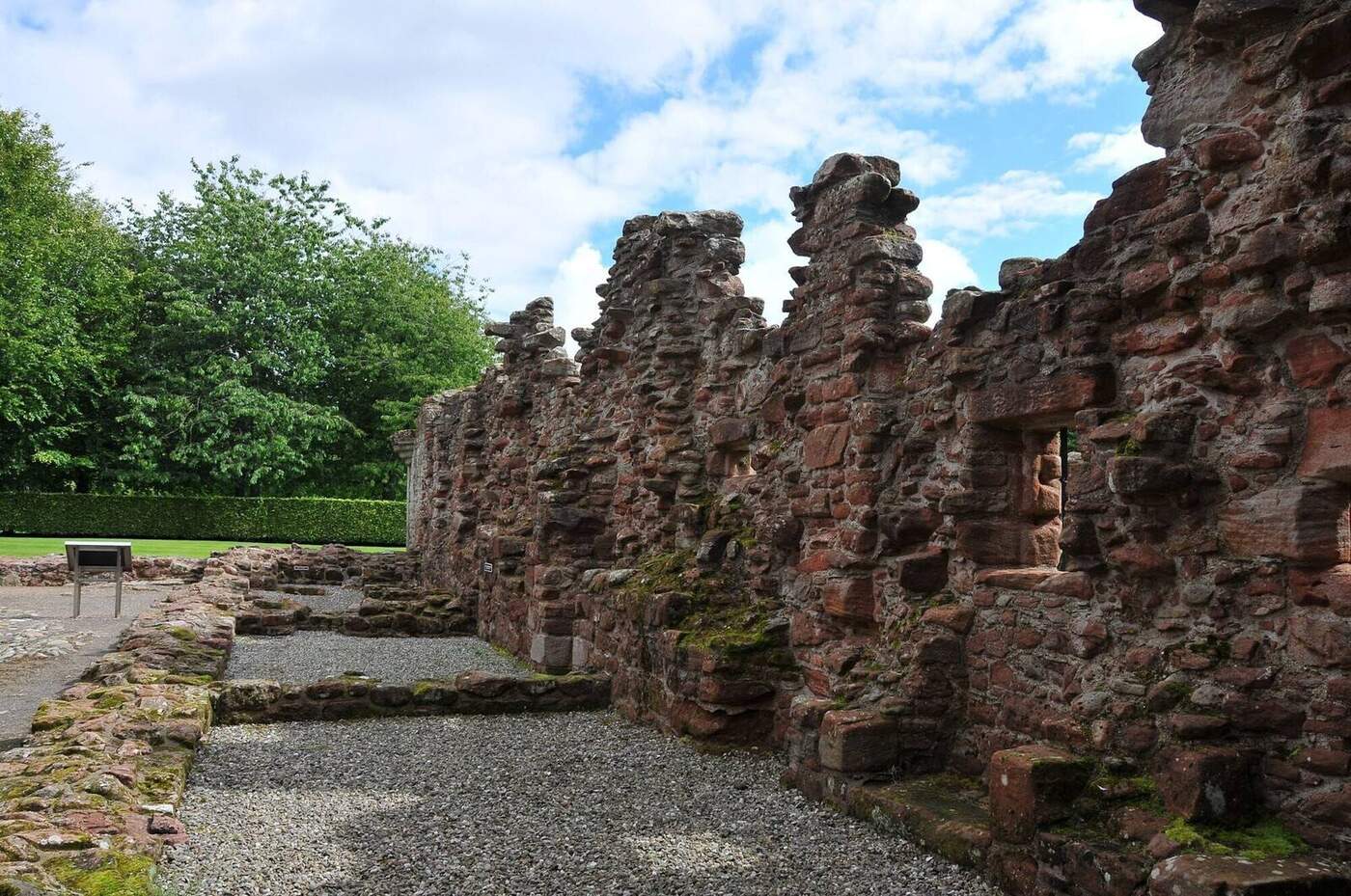
RENAISSANCE GARDEN · ANGUS
A red sandstone house. A garden of ideas.
PLAN YOUR VISIT
Edzell, by Brechin, Angus, DD9 7UE
Prices and seasonal opening checked on the official visitor page; confirm before travel.
Adult online£7.50Gate £8.50
Concession online£6.00Gate £6.80
Child 7–15 online£4.50Gate £5.00
Historic Scotland membersFree
Historic Environment Scotland lists seasonal opening from April to September. The address is Edzell by Brechin, Angus, DD9 7UE.
Parking information
Tarmac car park with one accessible space. The approach is about 150 m over gravel and grass.
Parking sources checked · 11 October 2026
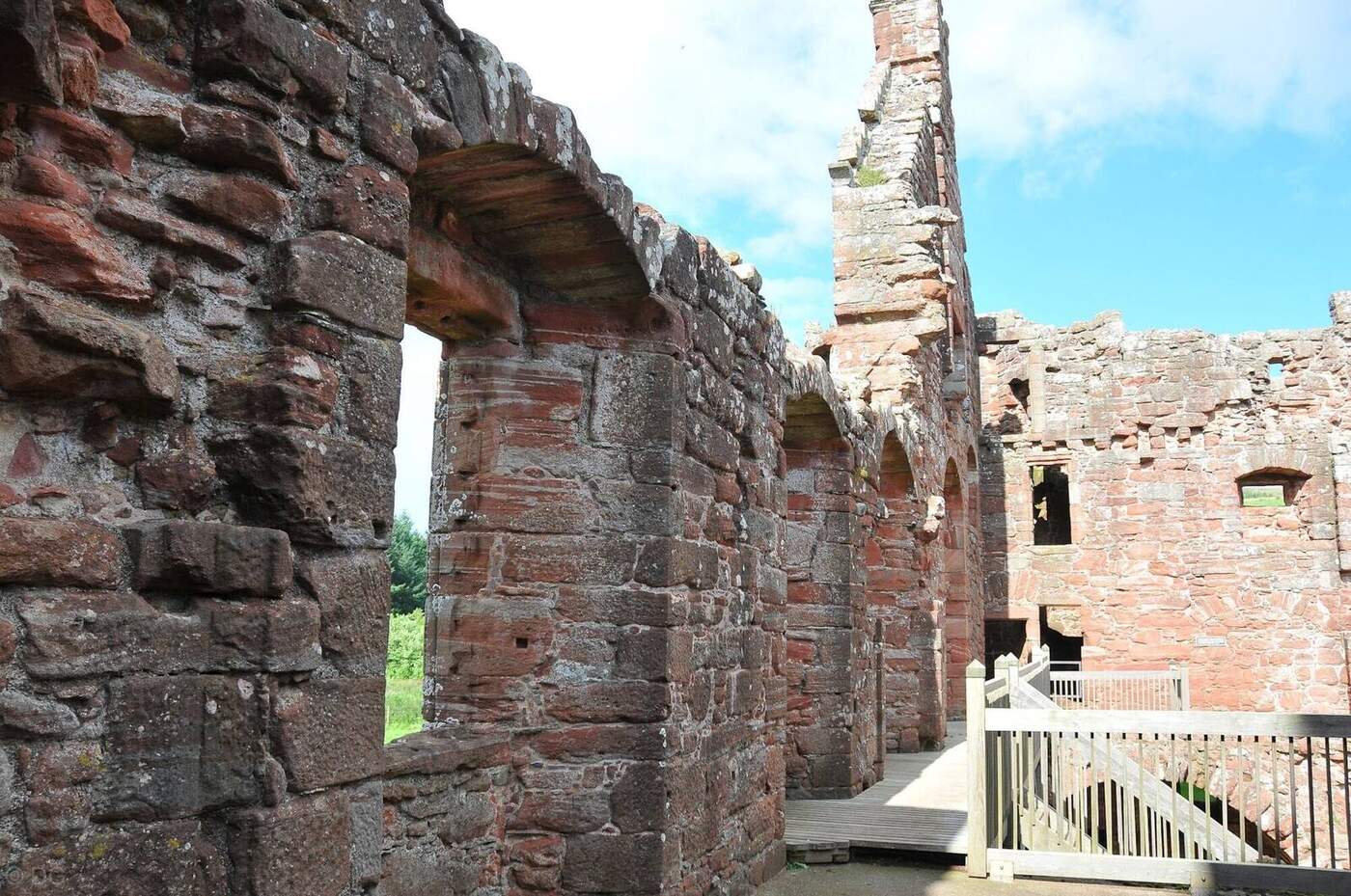
Historic steps and uneven surfaces occur in the ruins. The garden is the most straightforward part of the visit, but check the live access notice before travelling.
One of Scotland’s most rewarding smaller castle visits, especially for the remarkable garden carvings and the contrast between martial tower and cultivated display.
WHAT TO EXPECT
01 / THE STORY
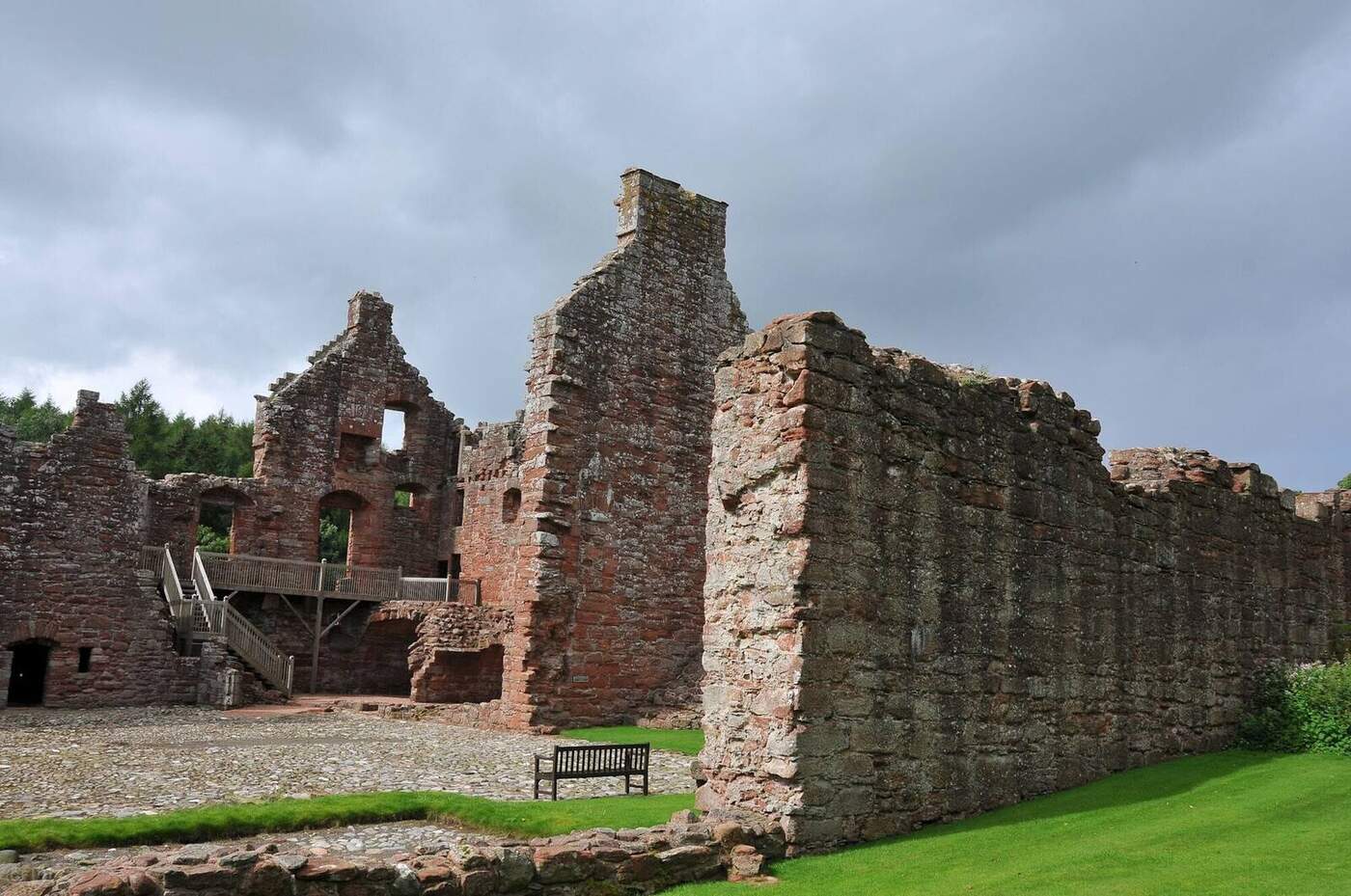
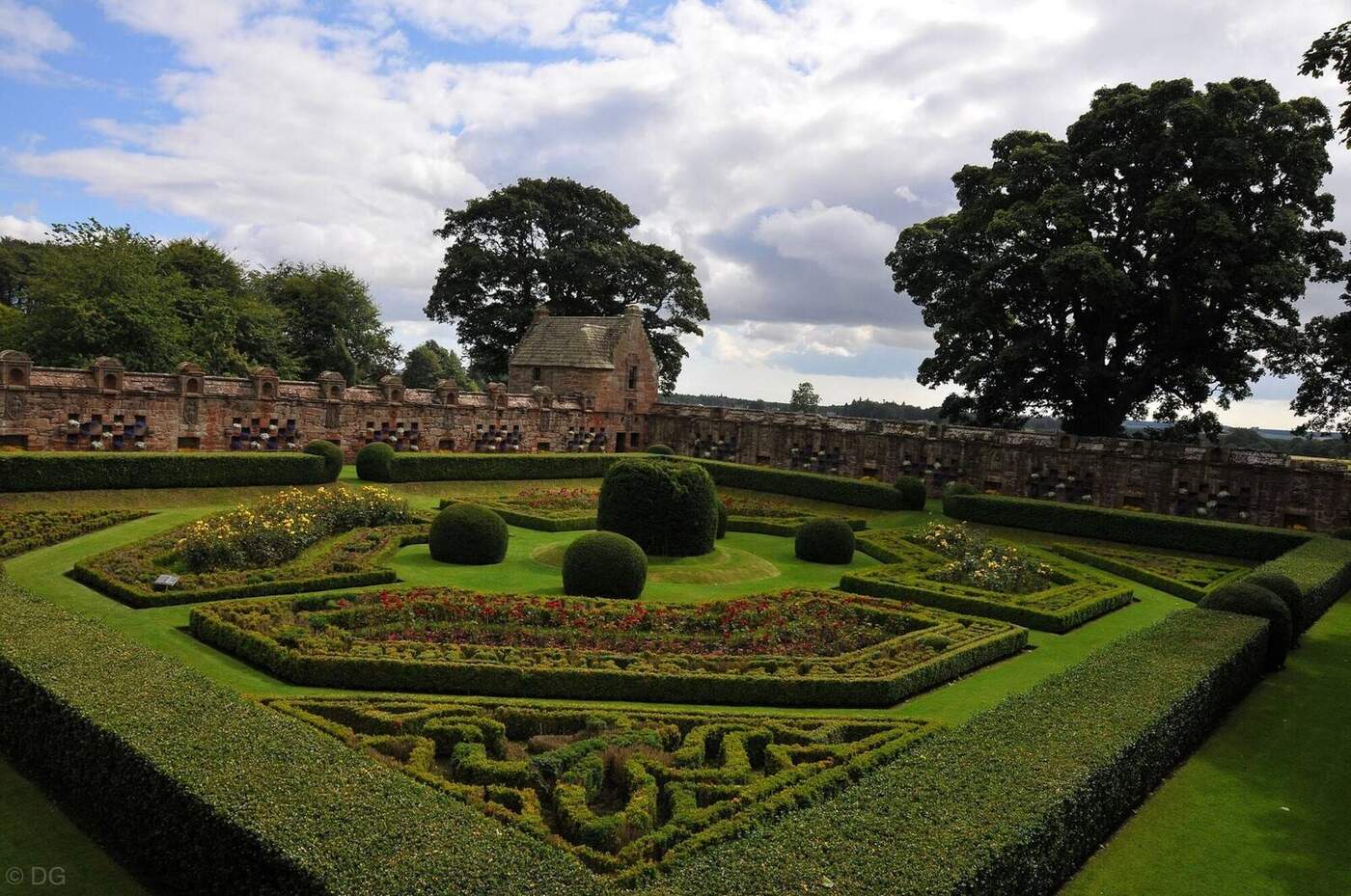
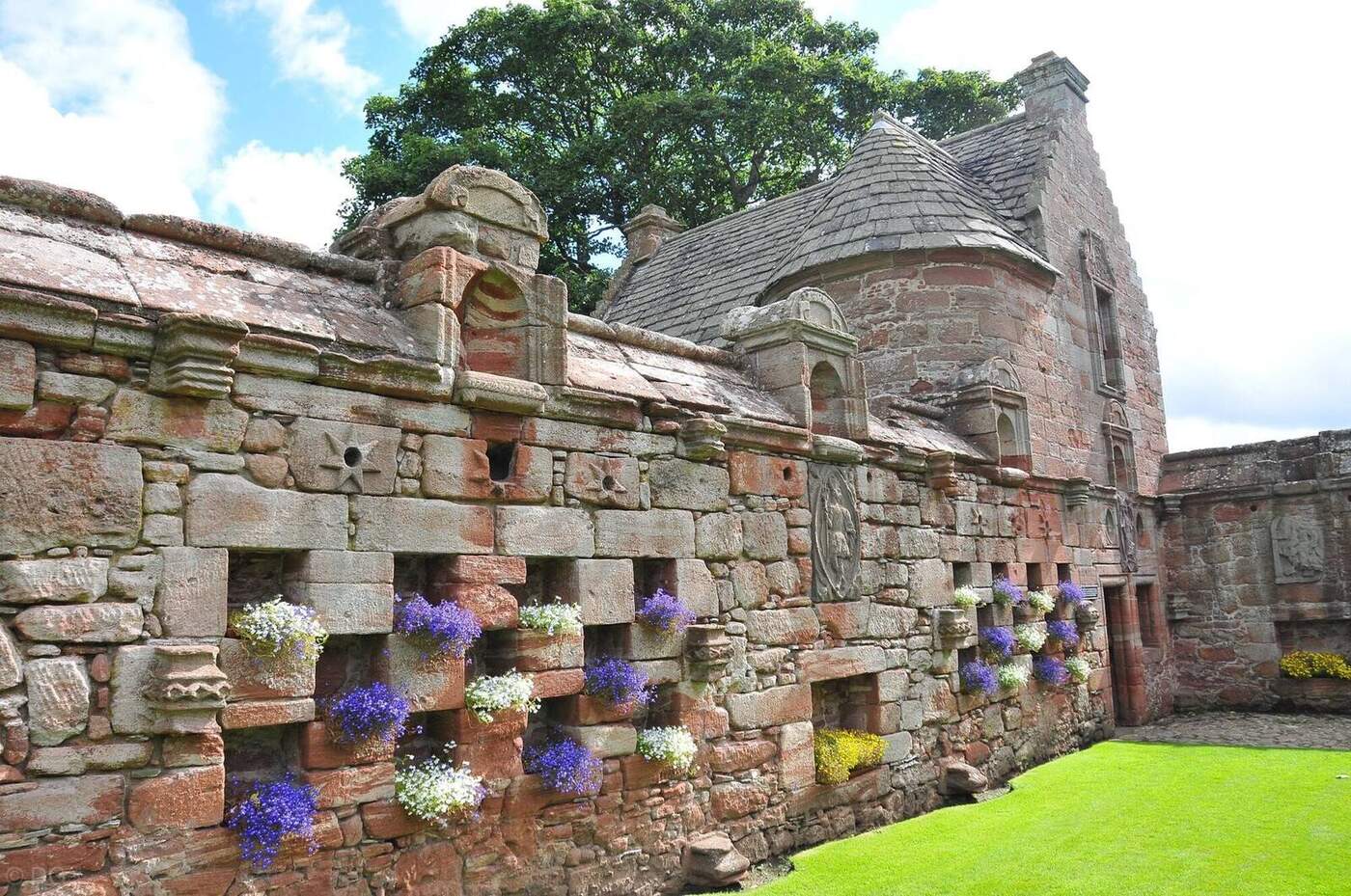
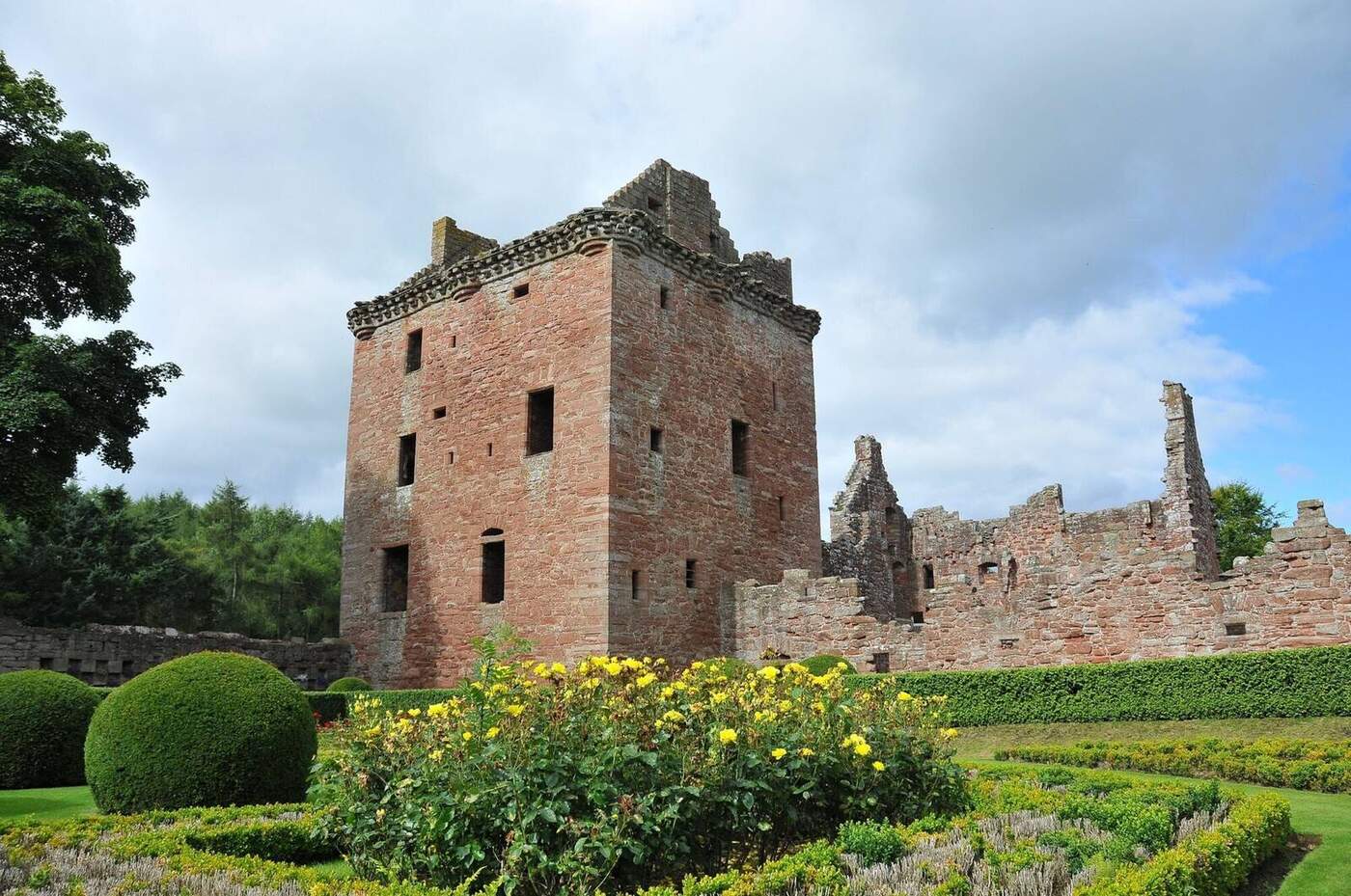
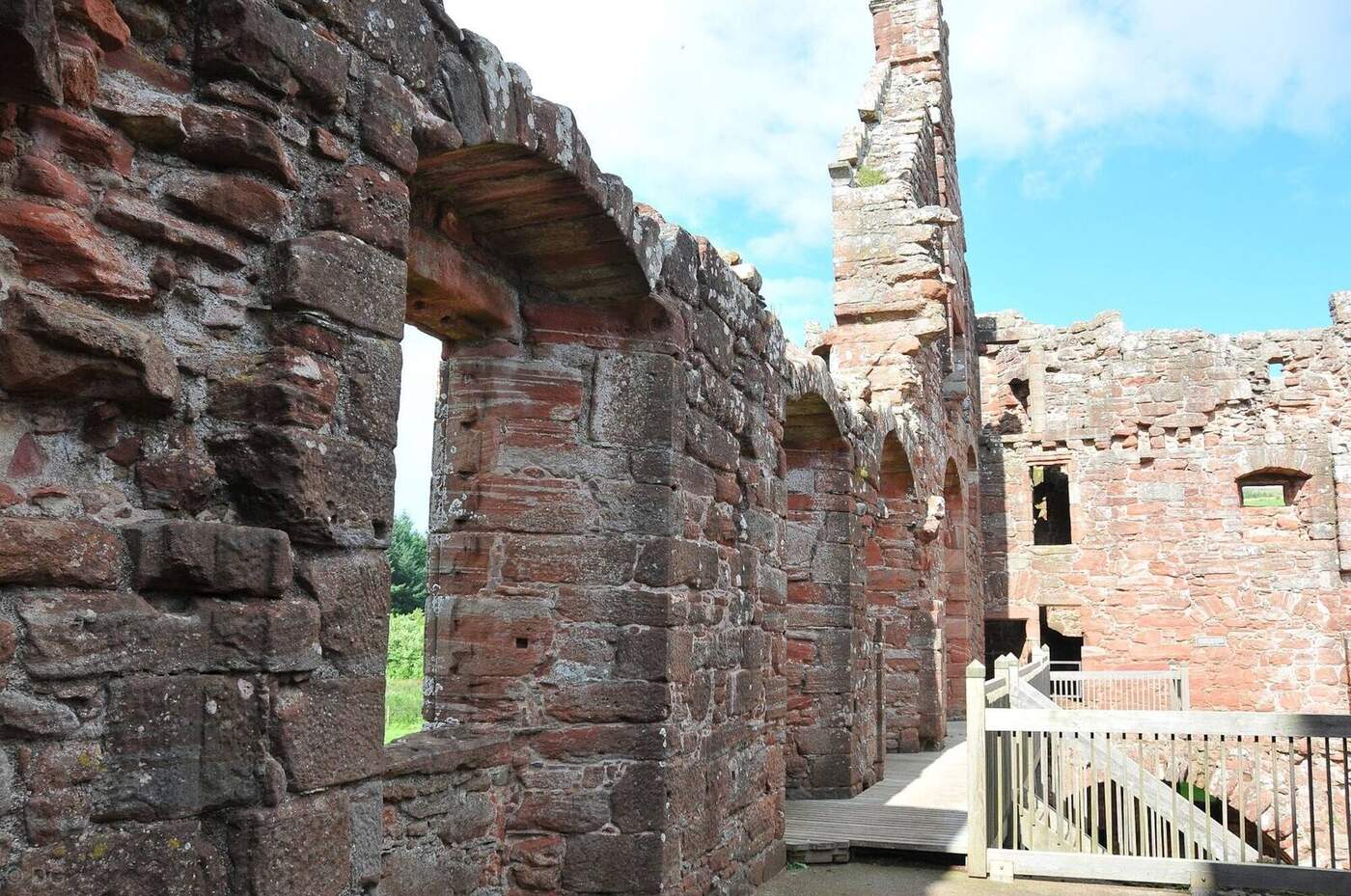
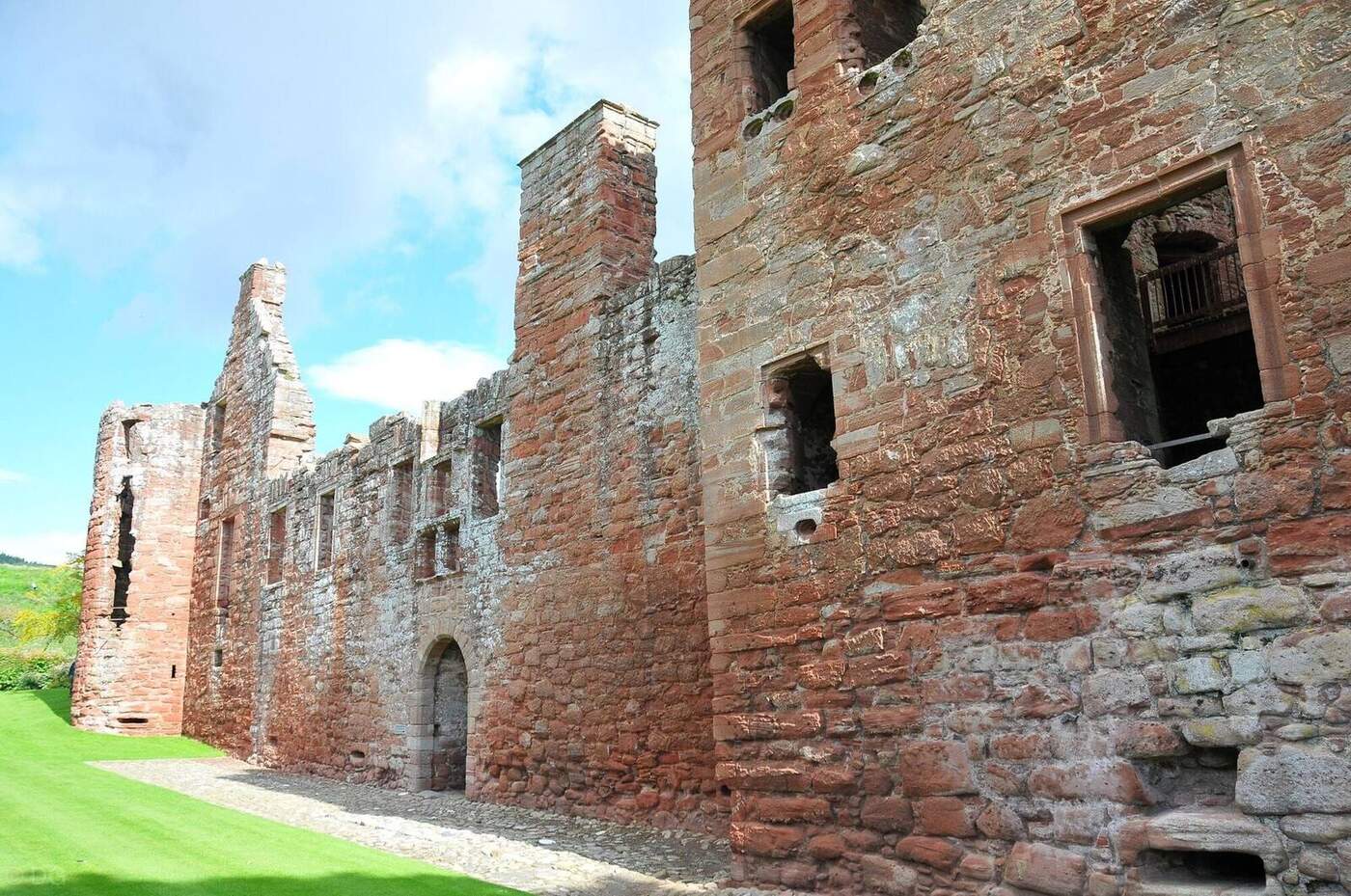
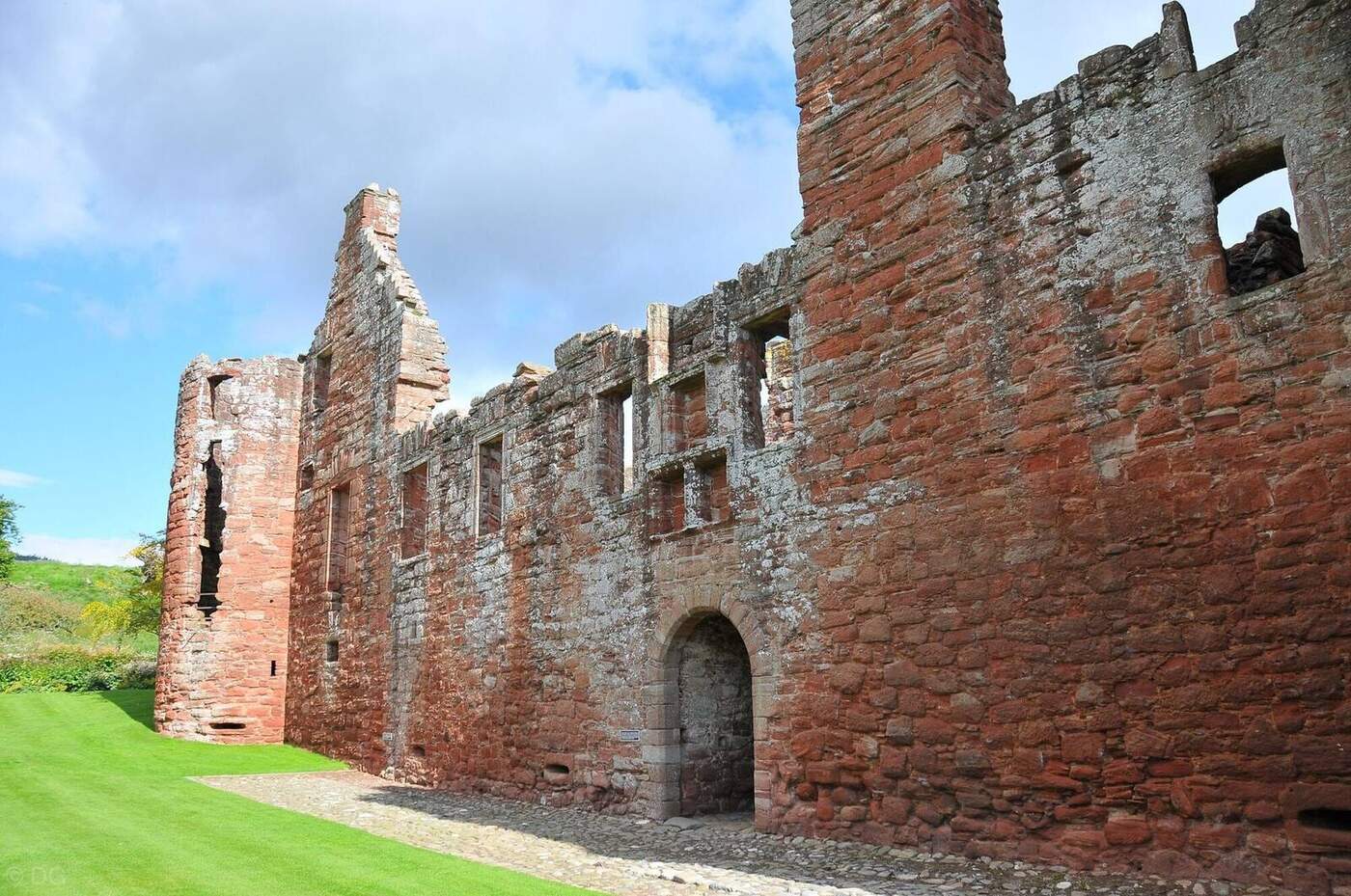
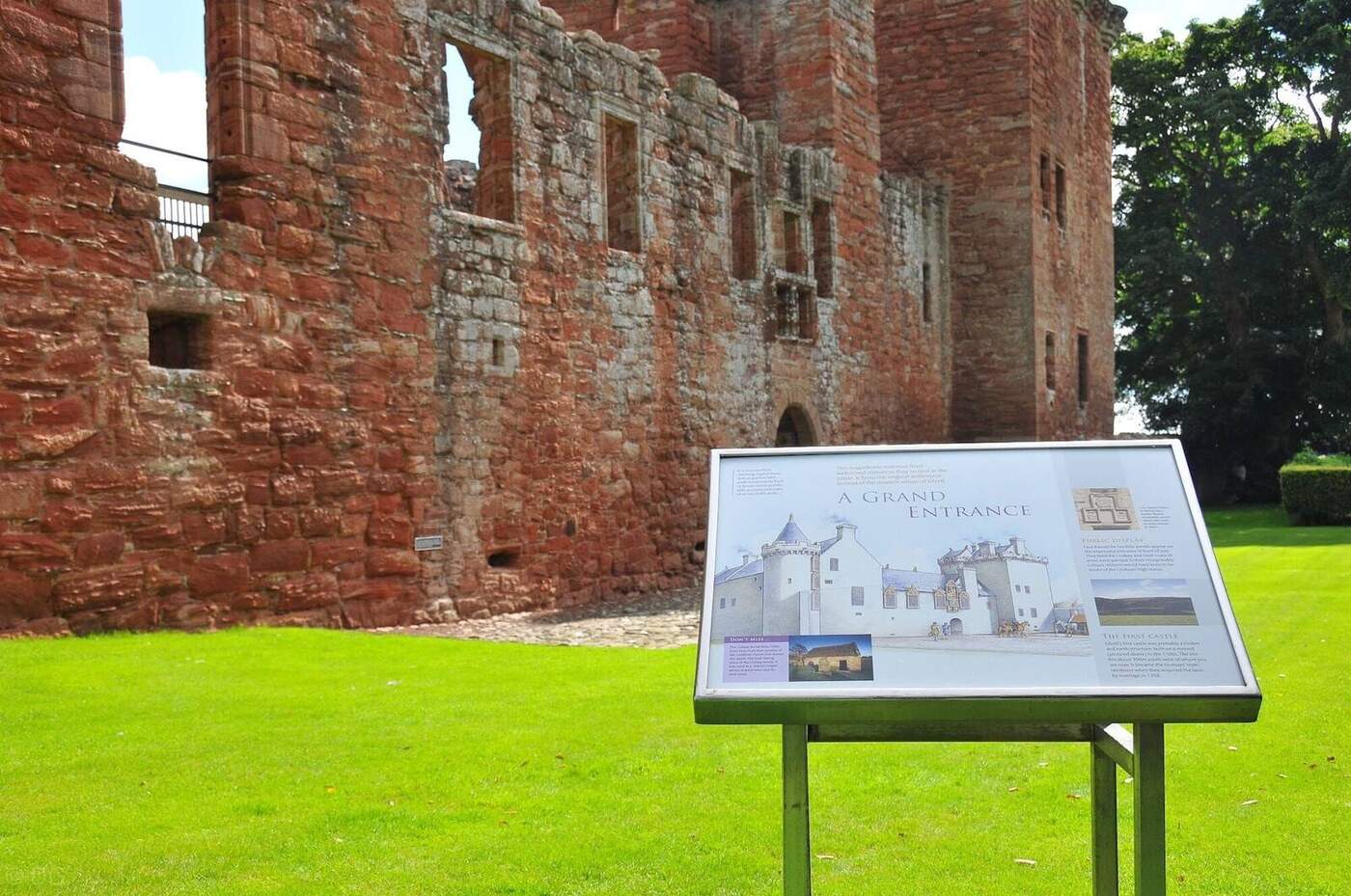
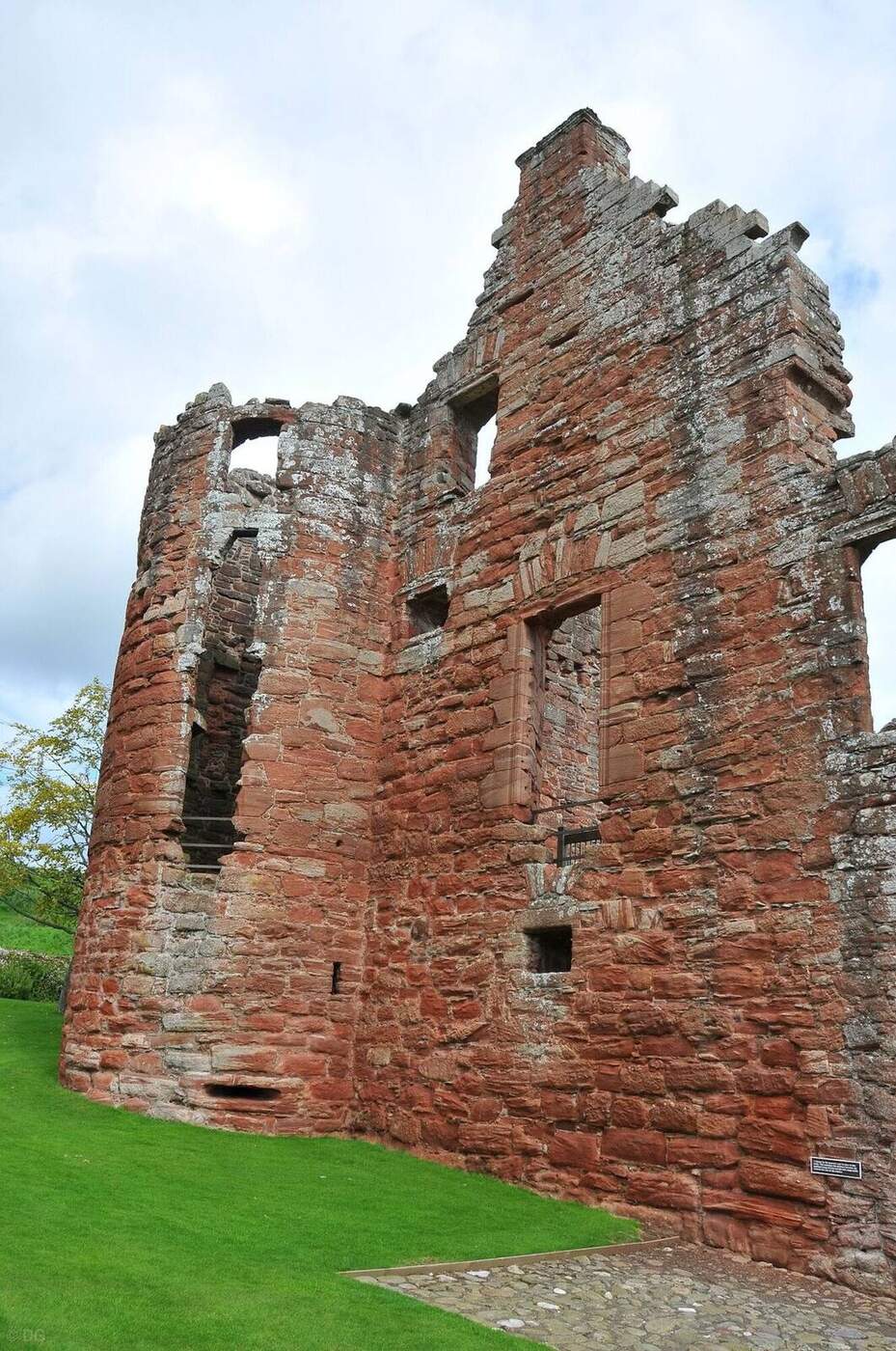
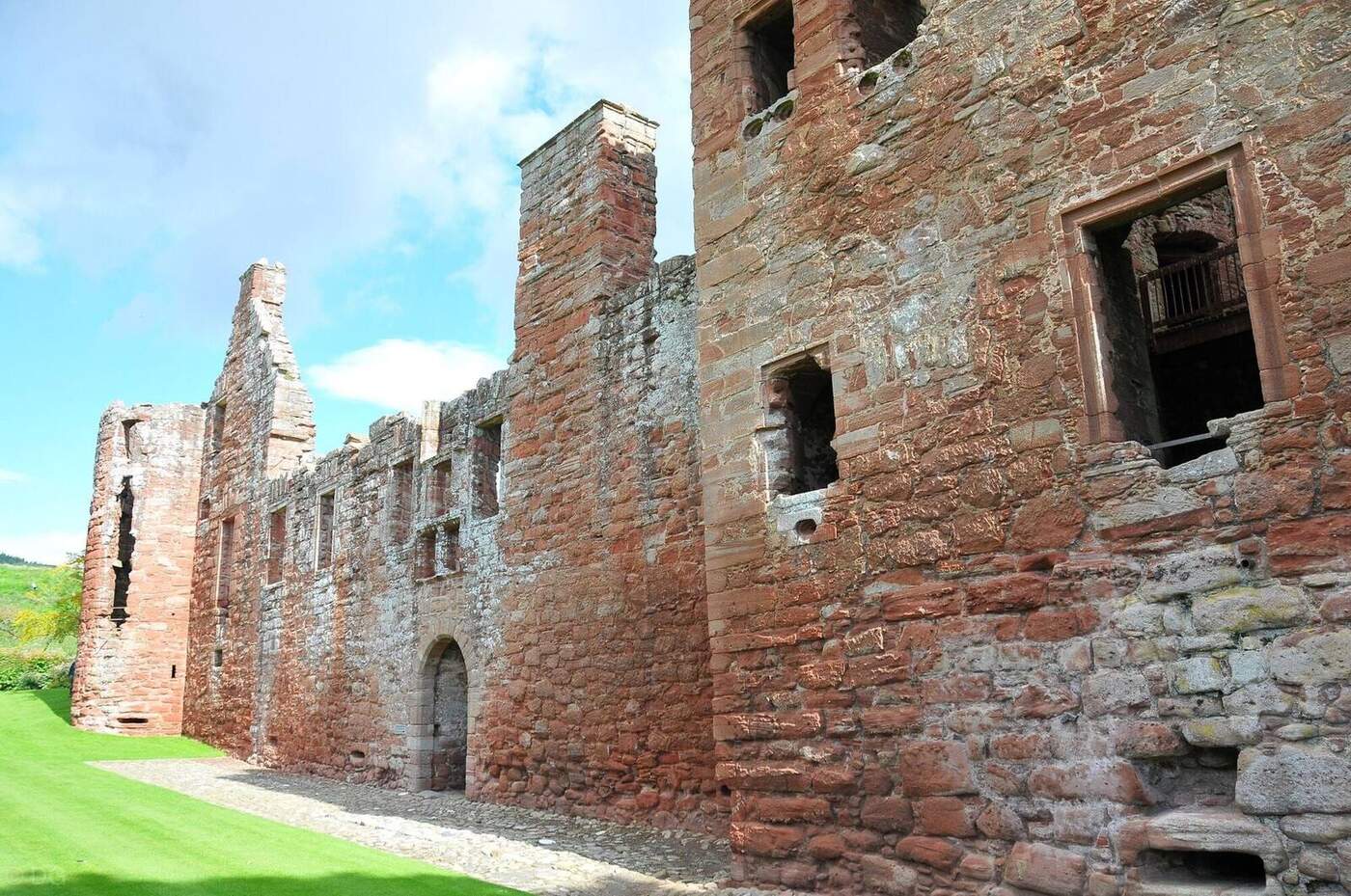
Edzell begins as a handsome red-stone ruin and then reveals its great surprise: a Renaissance garden designed to be read. Carved gods, arts and virtues turn a walk around the walls into a coded lesson.
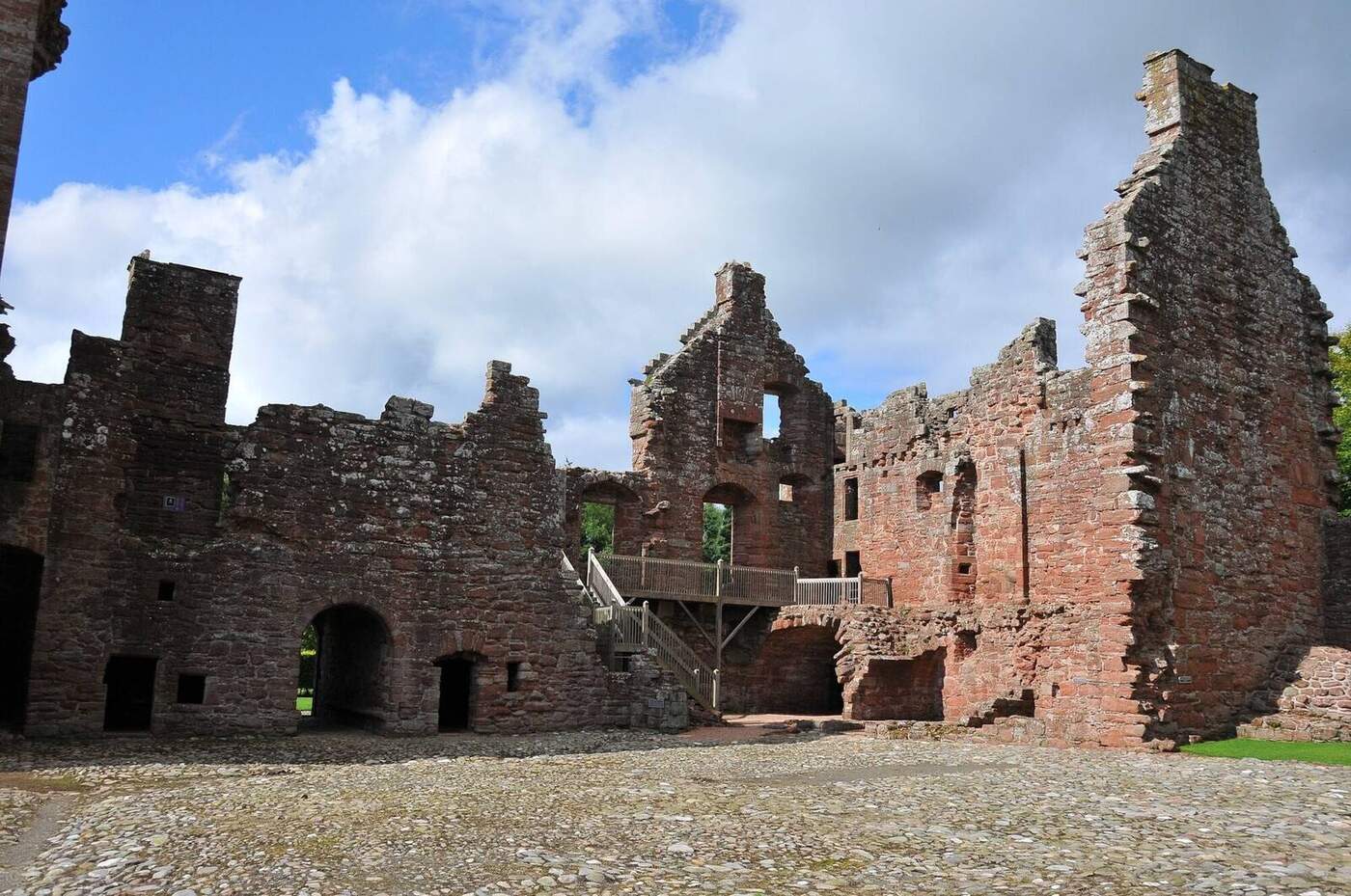
The Lindsays wanted comfort and status as much as defence. Their house and garden make Edzell one of the most distinctive castle visits in Angus.
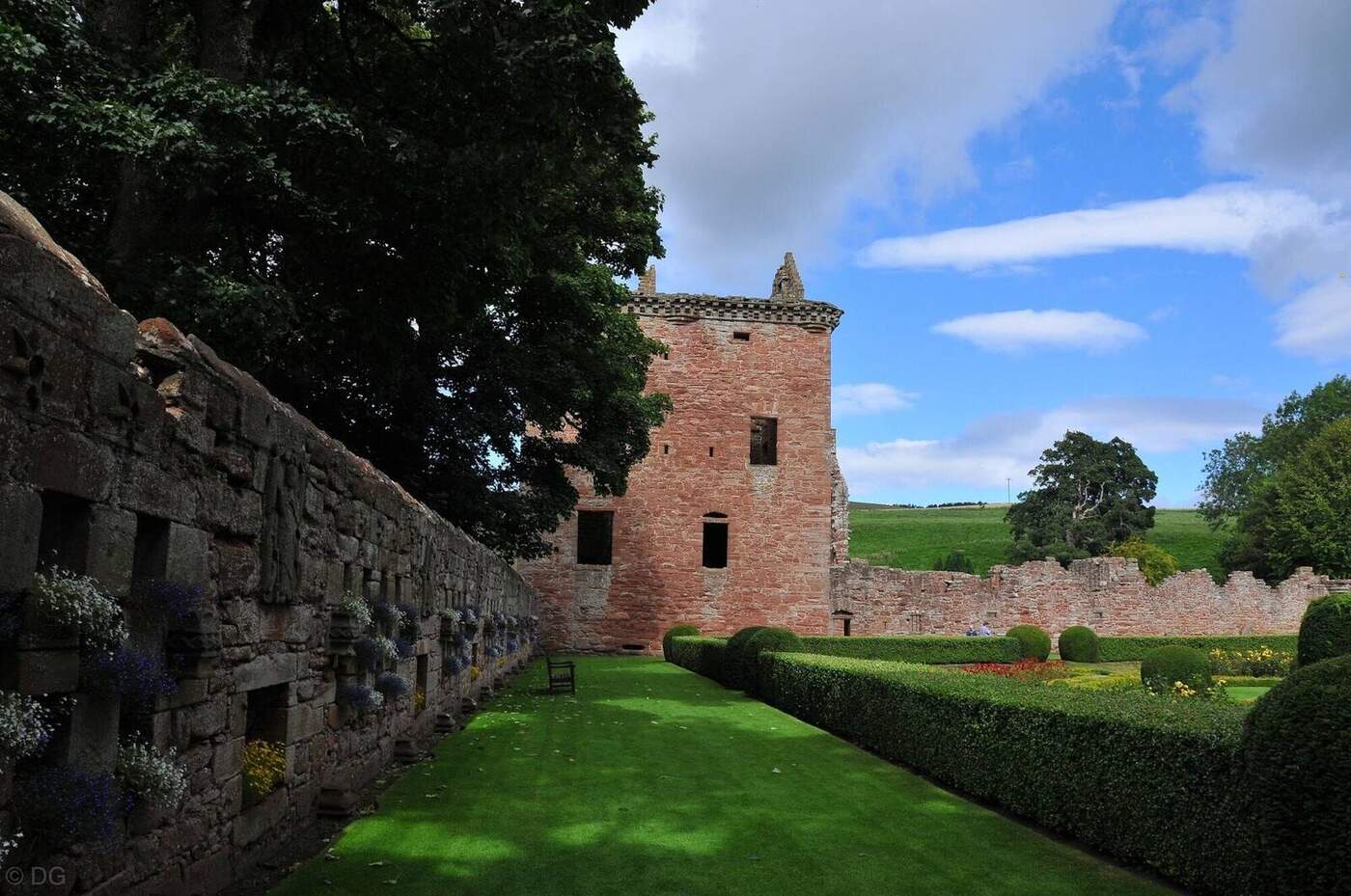
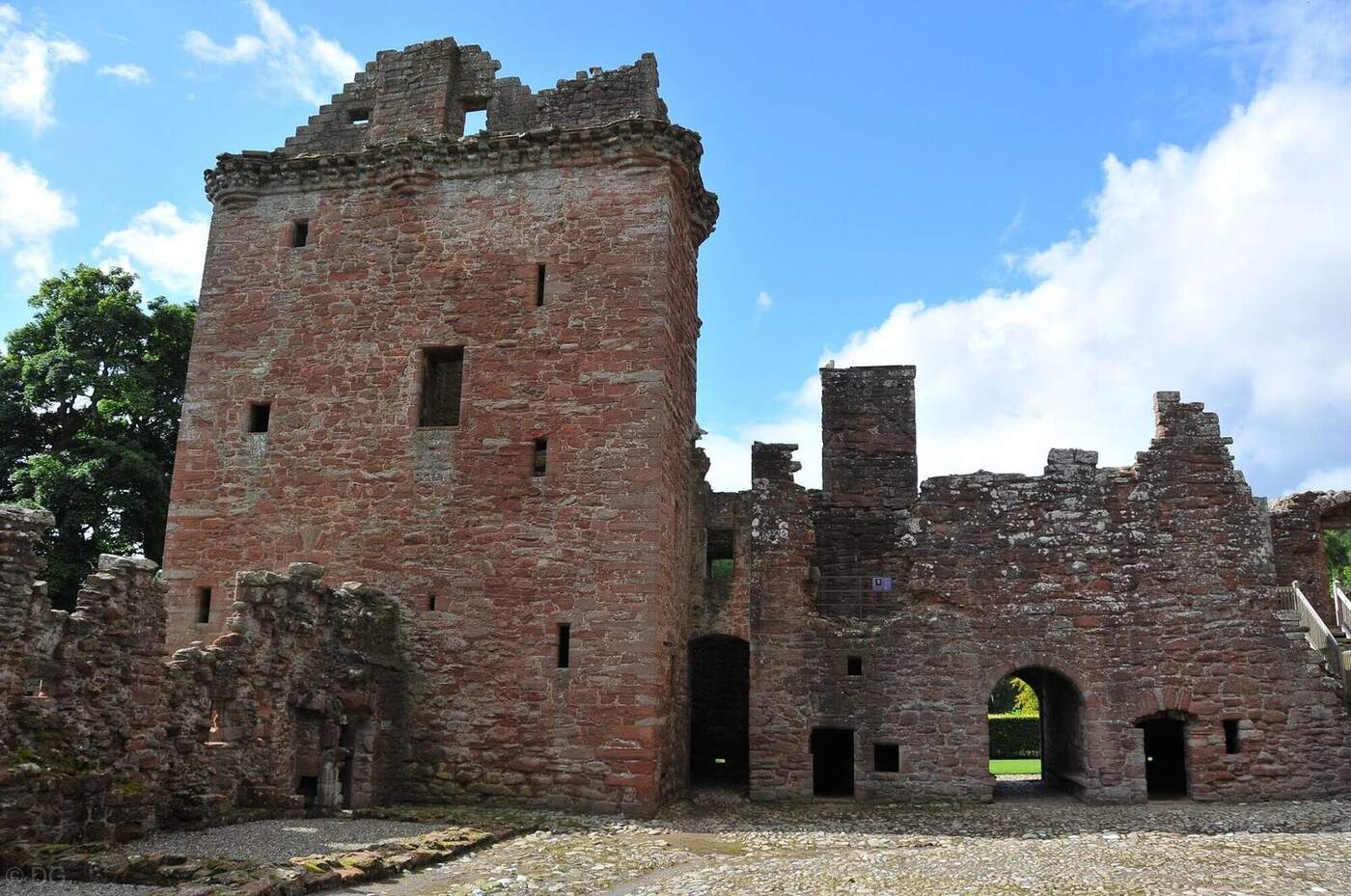
Come for the combination. The tower and residential ranges explain how the household grew, while the garden shows how its owners wanted learning and taste made visible.
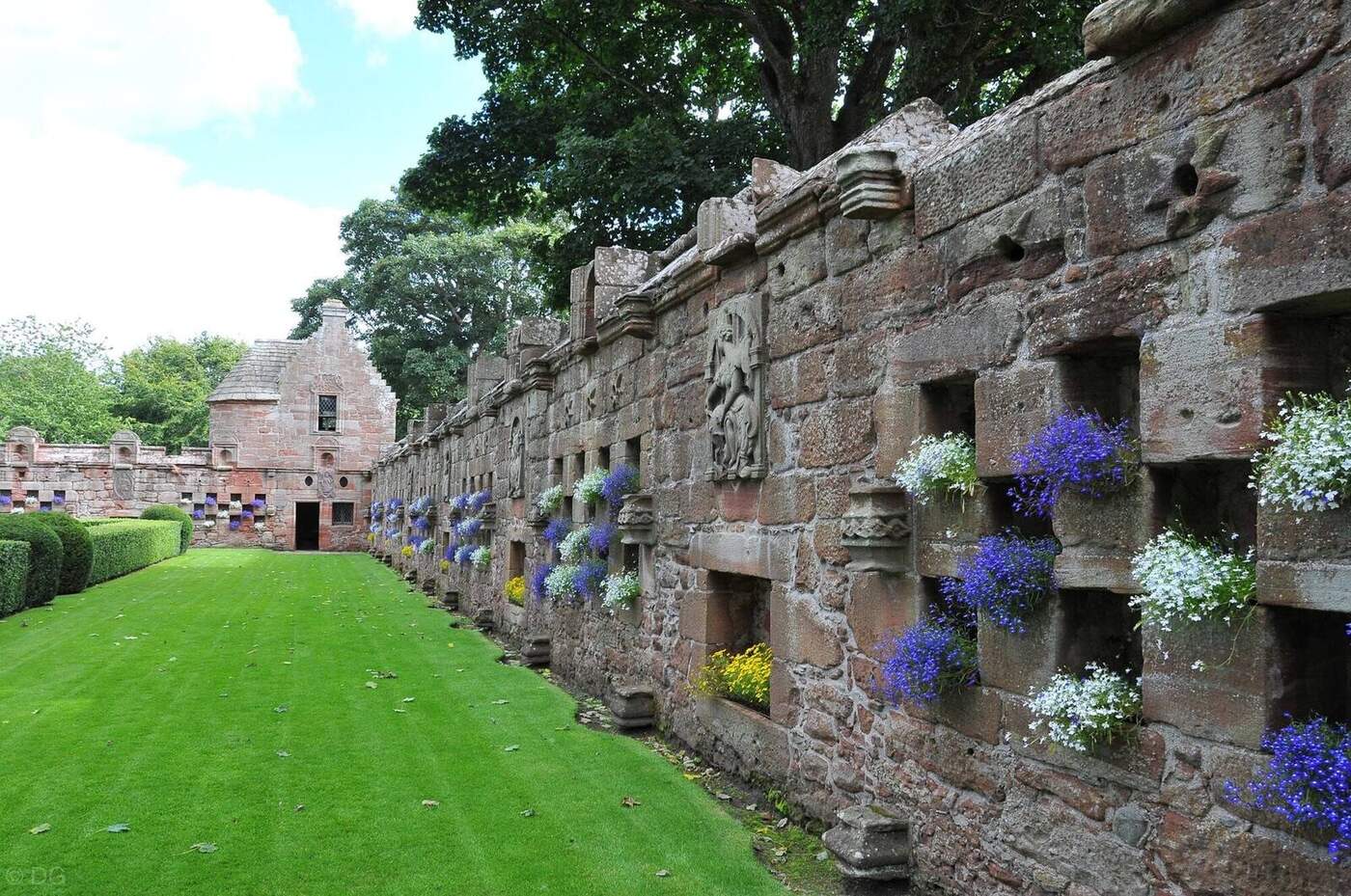
Look closely rather than rushing the circuit. Small carved panels carry much of the personality that a distant photograph misses.
An earlier stronghold occupied the nearby earthwork called Castle Hillock. The surviving tower was established on a different site around 1500, though its exact start remains debated.
That distinction prevents two castles from collapsing into one origin story. The old earthwork and later masonry belong to separate stages.
Mary stayed here in August 1562 during her northern progress. The visit places Edzell within royal travel and Lindsay hospitality, without requiring an invented speech or favourite room.
By then the house had already expanded beyond its first tower. Receiving a queen demanded a residence able to perform as well as protect.
02 / VISUAL JOURNAL
Every photograph on this page was taken by CastleScotland during visits to the site.
10 of 22 photographs
01 / THE STORY CONTINUES
Sir David Lindsay commissioned the walled garden in 1604. Sets of carved panels represent the planetary deities, the liberal arts and the cardinal virtues.
The present planting reflects twentieth-century restoration, while the stone programme preserves the Renaissance idea. Read the carvings as architecture first and a modern garden second.
The Lindsay estate was sold in 1715, and the castle's domestic life faded. State care in the twentieth century gave the garden a new planting scheme.
Edzell therefore survives through both original ambition and later interpretation. The restoration did not recreate every lost flower from 1604.
03 / MOMENTS IN STONE
The Lindsays establish the surviving tower house on a new site. Virtues, arts and planets turn a walk into a Renaissance lesson.
The west range is probably added under the ninth Earl of Crawford. The family used architecture to make status and education visible.
Mary, Queen of Scots, stays in August. The garden is the castle’s most complete surviving statement.
Sir David Lindsay, Lord Edzell, commissions the walled garden.
The last Lindsay laird sells the estate to the Earl of Panmure.
State care and a new planting scheme give the garden its modern form.
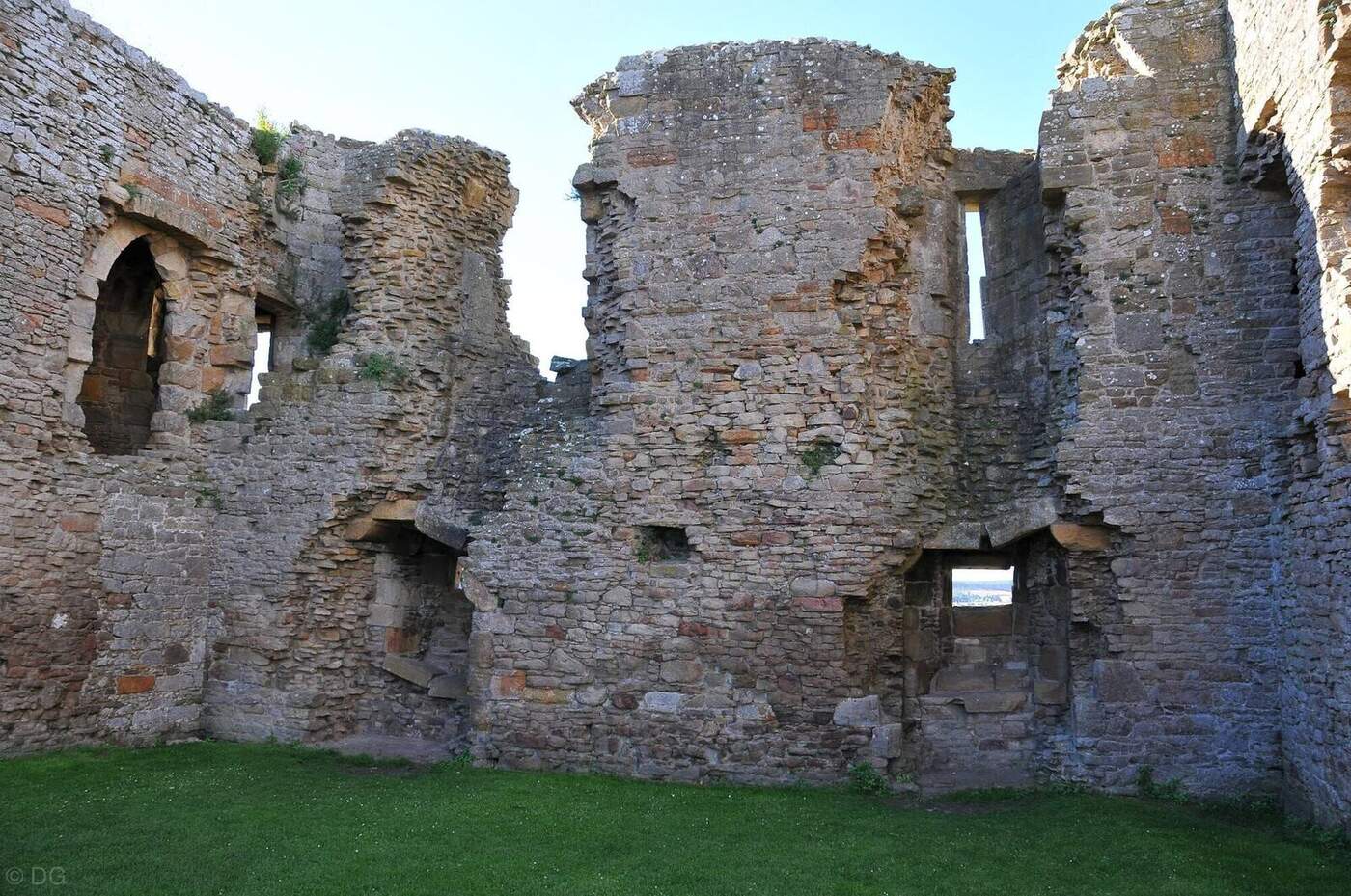
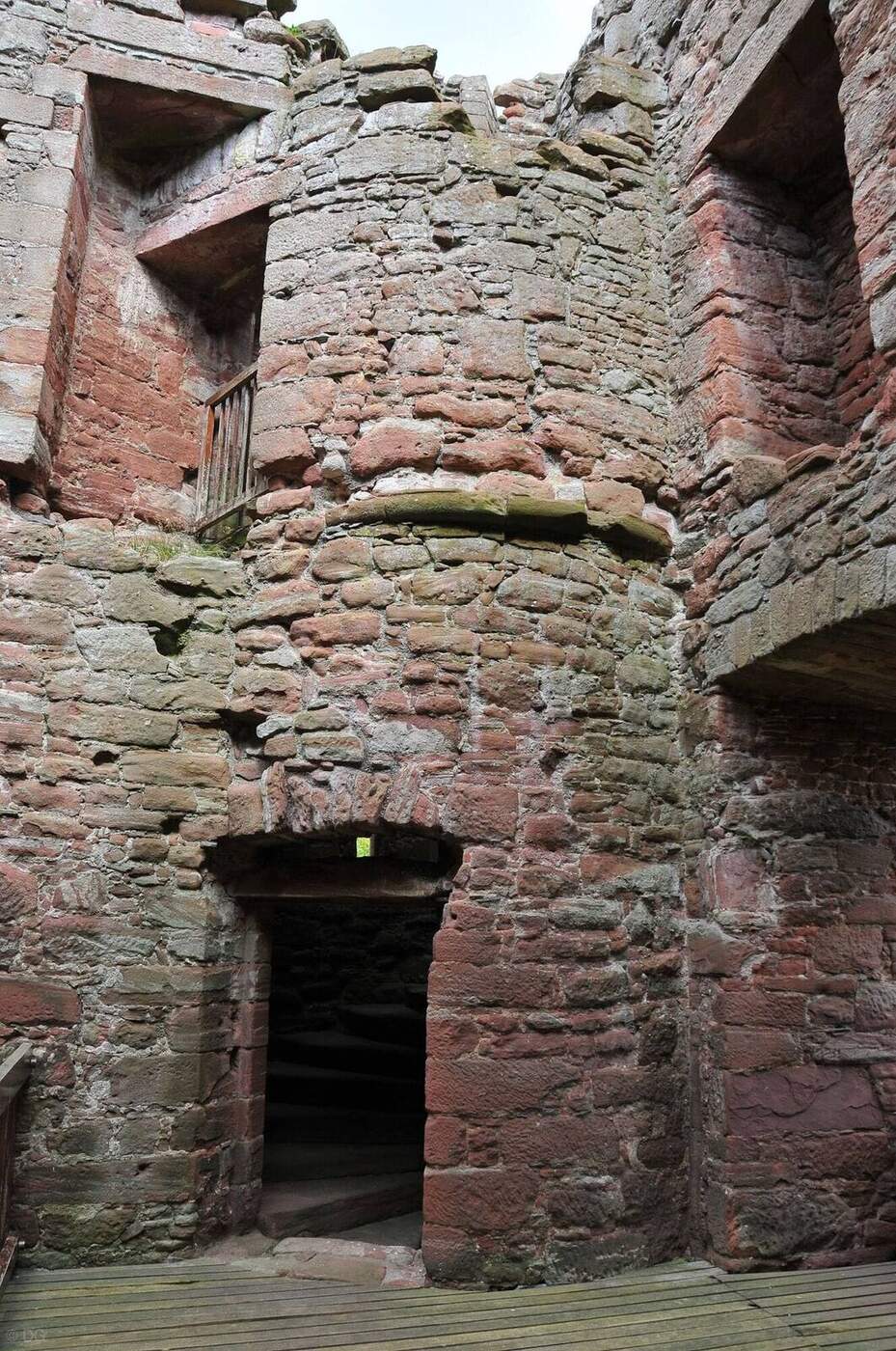
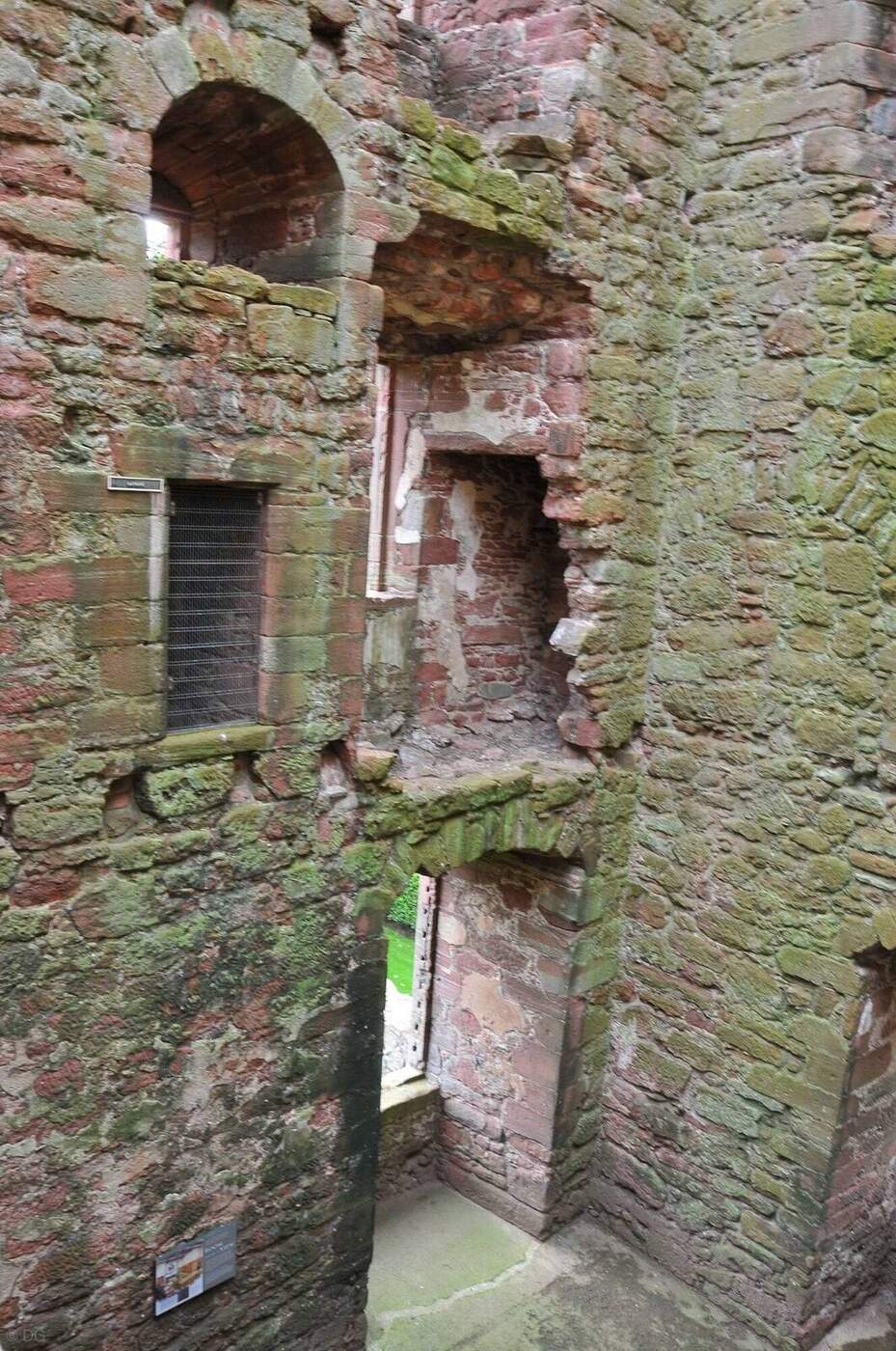
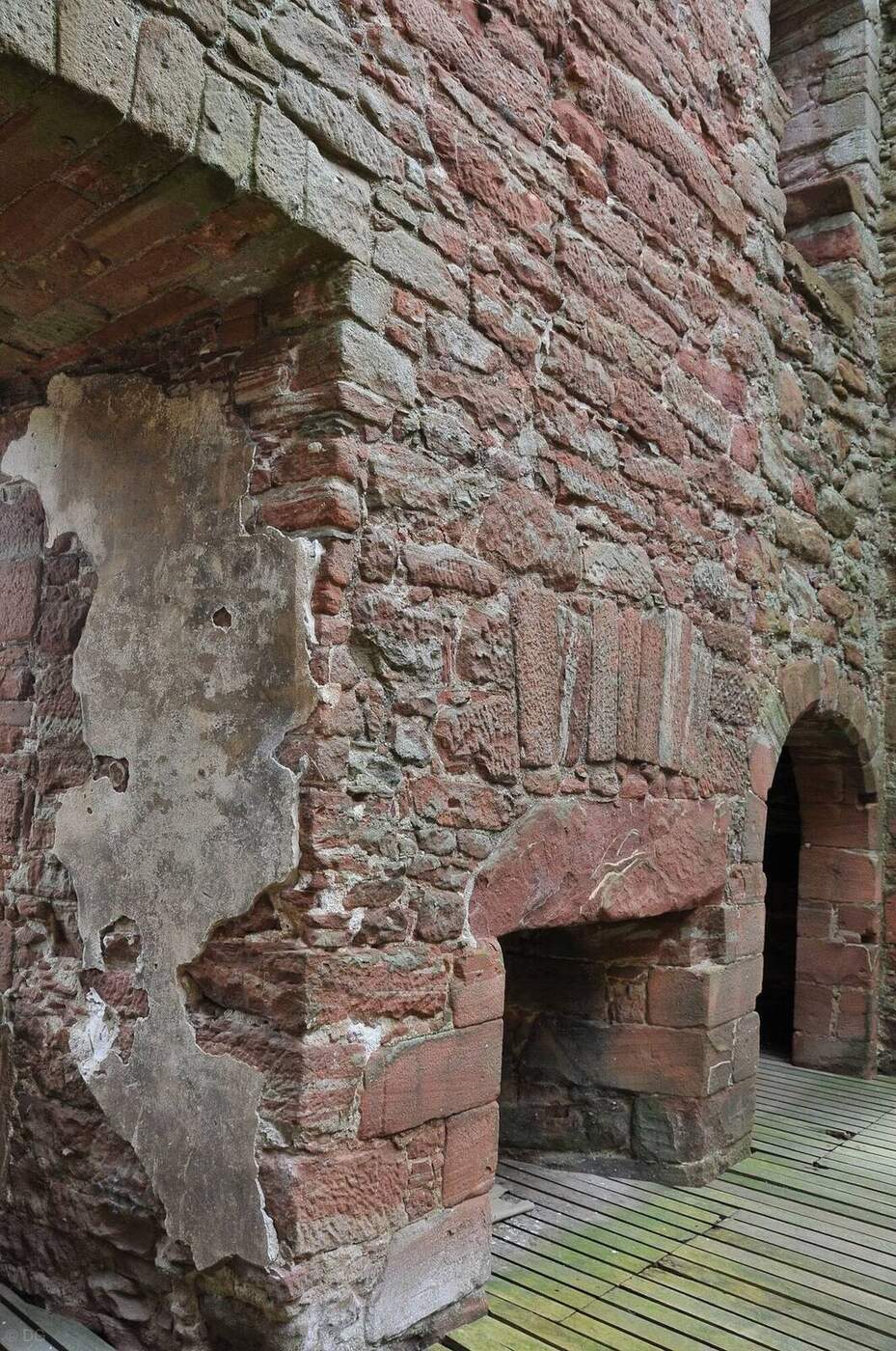
The estate passed into Lindsay hands through Catherine Stirling’s marriage to Sir Alexander Lindsay around 1358. The surviving tower is sometimes called the Stirling Tower, but HES regards that name as misleading evidence of its builders. The masonry belongs to the later Lindsay residence. Its vaulted lower rooms, staircase and upper accommodation made it a substantial home before the courtyard ranges expanded the household around it.
Successive men named David Lindsay require careful distinction. David, ninth Earl of Crawford, probably added the west range around 1553. His son, Sir David Lindsay, inherited in 1558 and later took the judicial title Lord Edzell. This same Sir David developed the later residence and commissioned the famous garden in 1604. The garden was not the work of a separate son following a different Lord Edzell’s building campaign.
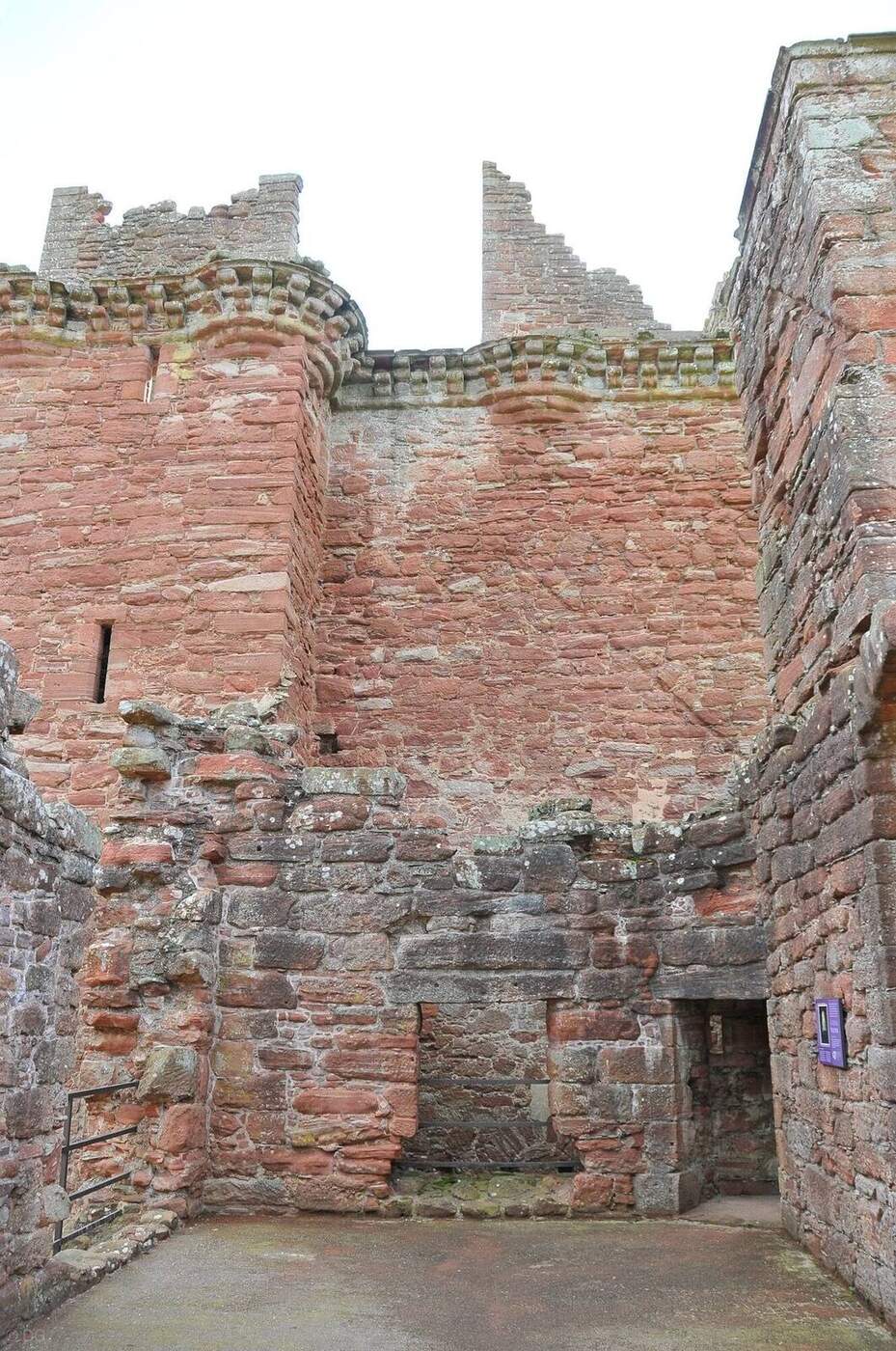
Mary, Queen of Scots, stayed here on 23 and 24 August 1562 during her northern progress. A meeting of her Privy Council followed on 25 August. James VI also visited the castle. These royal connections are documented in HES’s historical assessment, but they should not overshadow the evidence of ordinary aristocratic life: additional kitchens, halls, private rooms and an unfinished lodging range reveal both ambition and practical organisation.
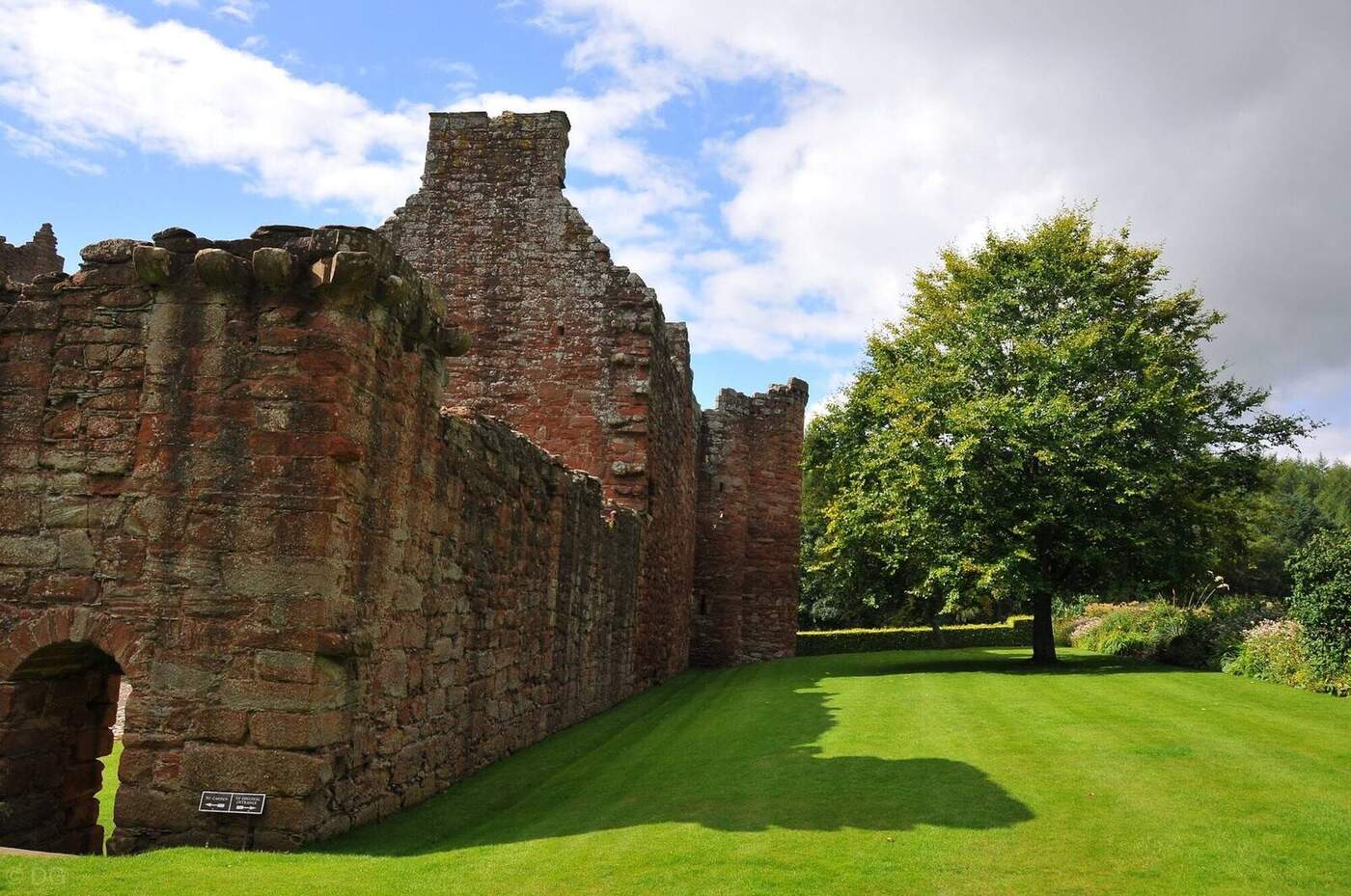
The garden walls organise sculpture into sequences of planetary deities, liberal arts and virtues. Heraldic patterns connect learning with family identity, while the summerhouse and bathhouse demonstrate how outdoor space could support leisure and hospitality. Some carved designs draw on continental prints. Their Renaissance imagery brings the household’s cultural interests into the open air, making learning part of the visitor’s passage around the enclosed space.
Sir David died in 1610 with projects unfinished and substantial debts. Cromwellian troops briefly occupied the castle in 1651. Financial problems eventually forced the last Lindsay laird to sell to the Earl of Panmure in 1715; forfeiture followed Panmure’s Jacobite involvement. Further dismantling under the York Buildings Company culminated in the stripping of the house in 1764. This was a long decline, rather than destruction in one great battle.
State guardianship began with the garden in 1932 and extended to the castle in 1935. The planting visitors recognise was laid out in 1936: the surviving Renaissance walls do not make every hedge or bed original. Edzell is a scheduled monument. Limited earlier excavation leaves questions about the wider settlement and uncompleted buildings, so an attractive reconstruction must not be mistaken for a fully established archaeological plan.
Take time to compare the old tower with the garden’s ordered panels. The contrast is more revealing than a quick photograph. Check current HES access notices before travelling, since conservation can restrict entry; the historical description does not guarantee that every room or path is available.
08 / EXPLORE NEXT
Find Scottish castles by region, landscape or the stories that bring them to life.
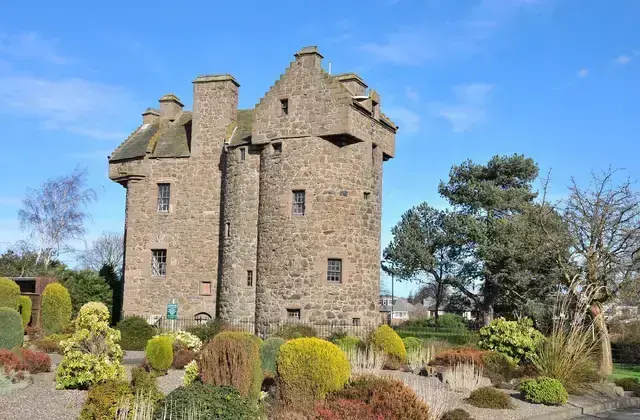 Dundee & AngusClaypotts Castle
 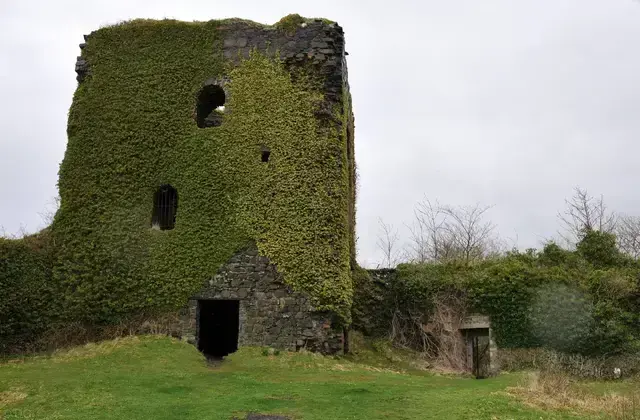 Argyll & the IslesDunollie Castle
 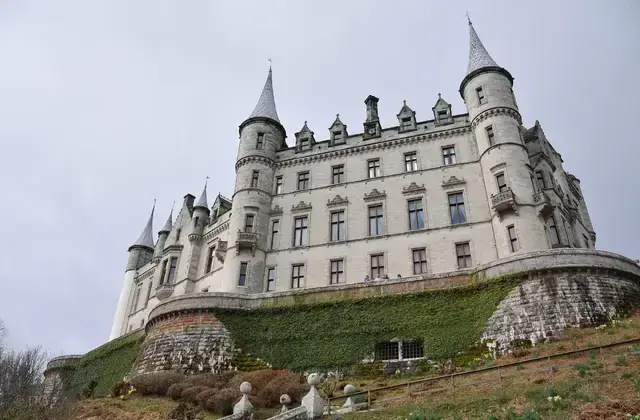 The HighlandsDunrobin Castle