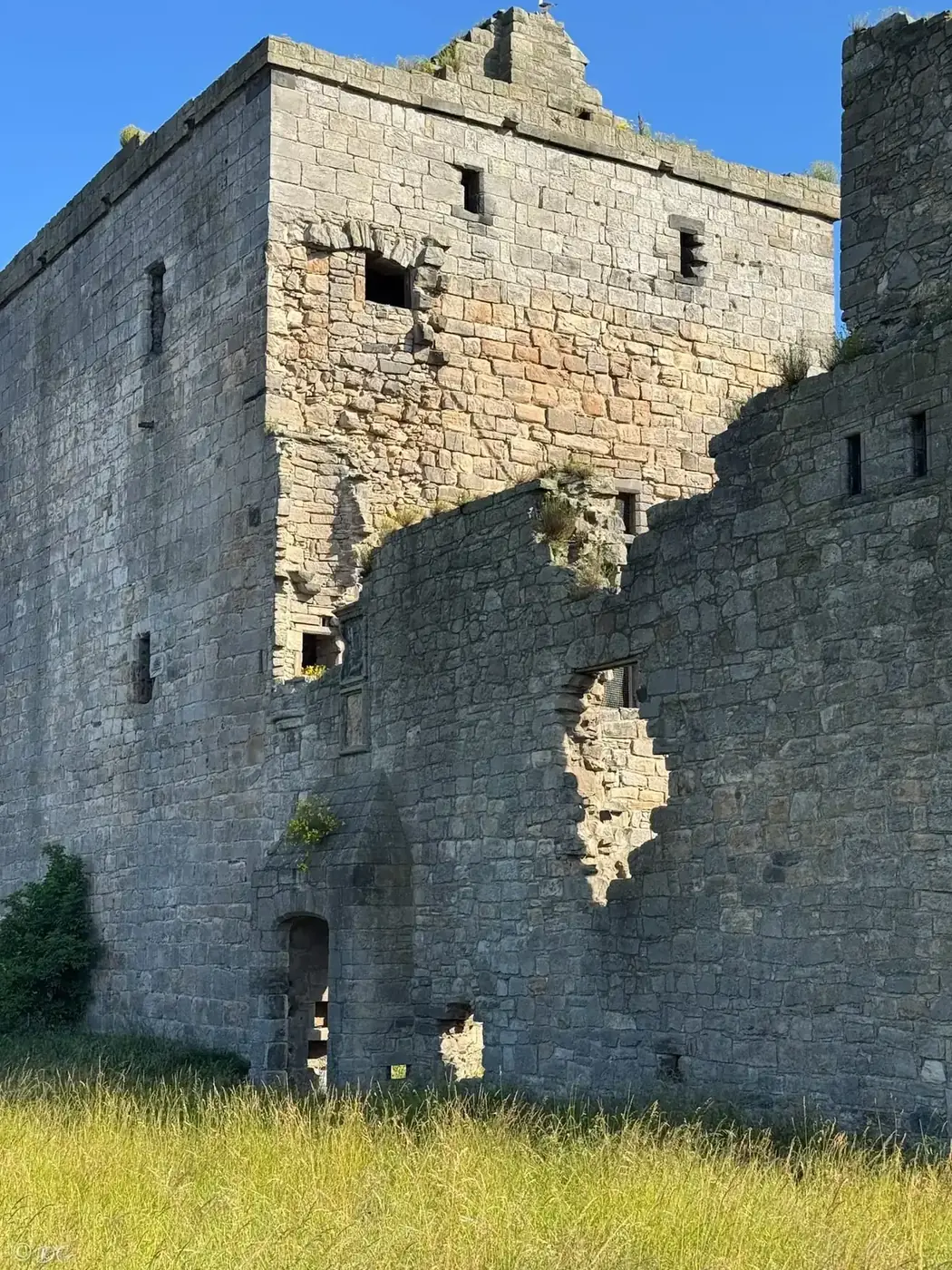
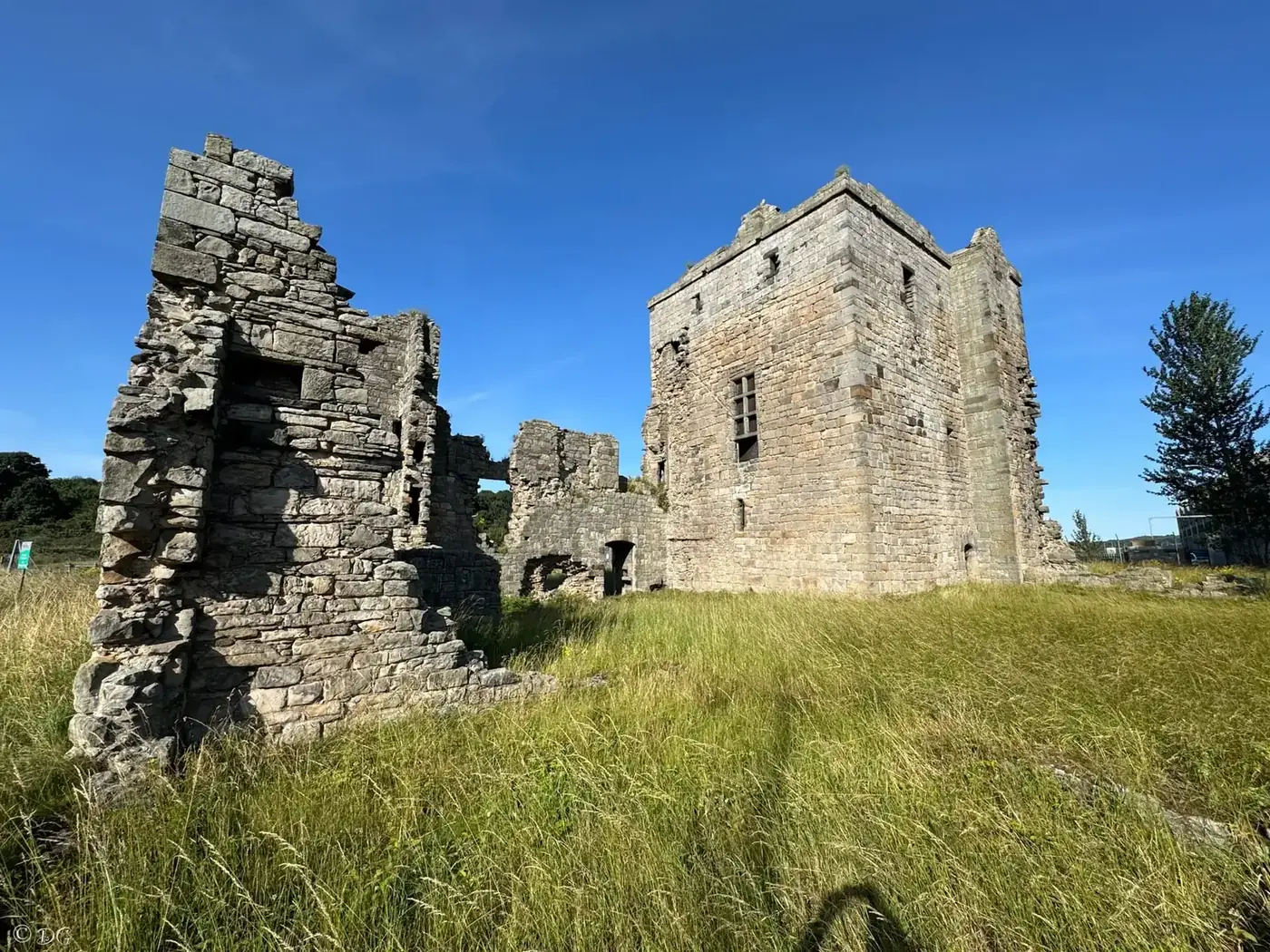
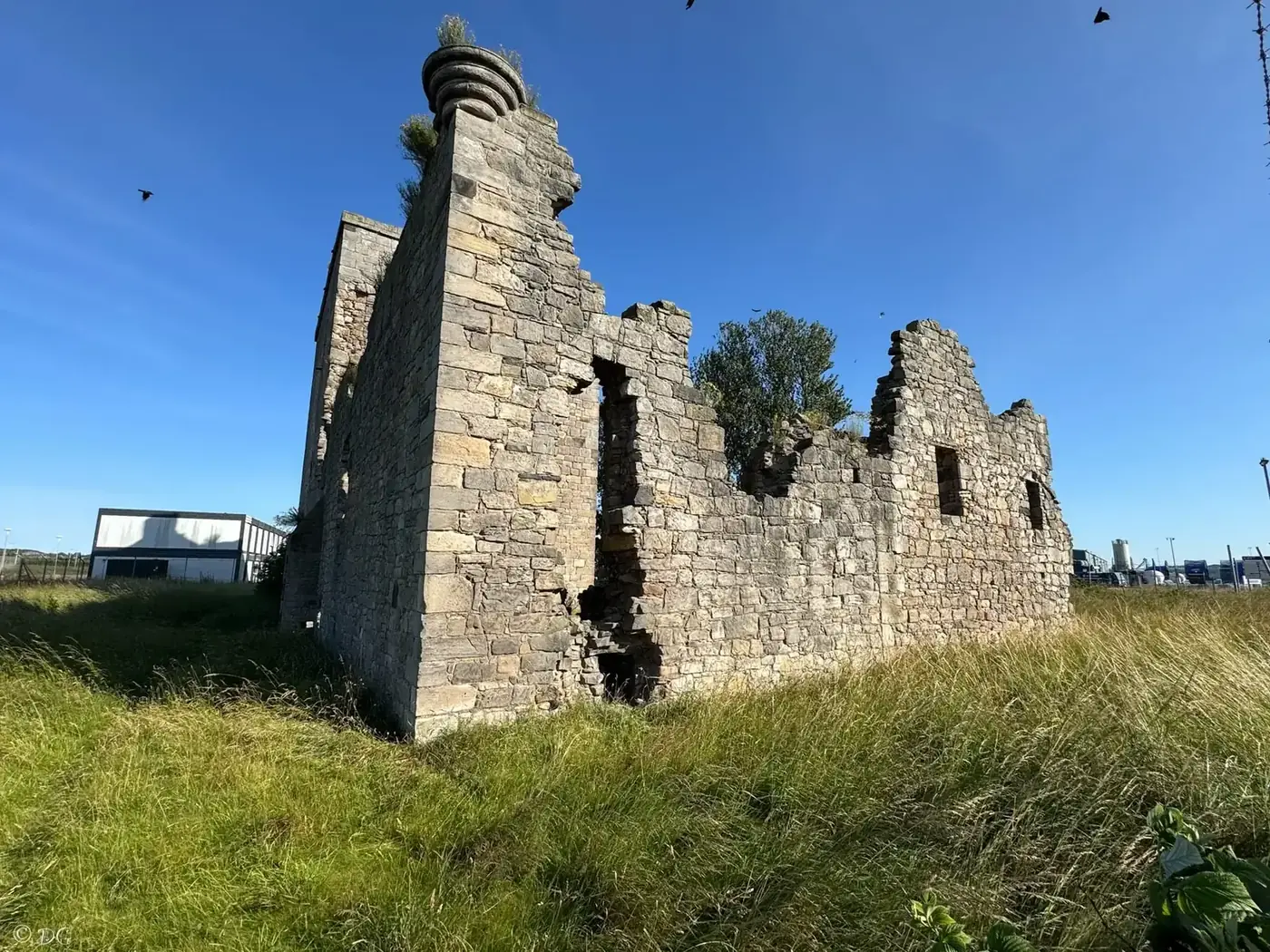
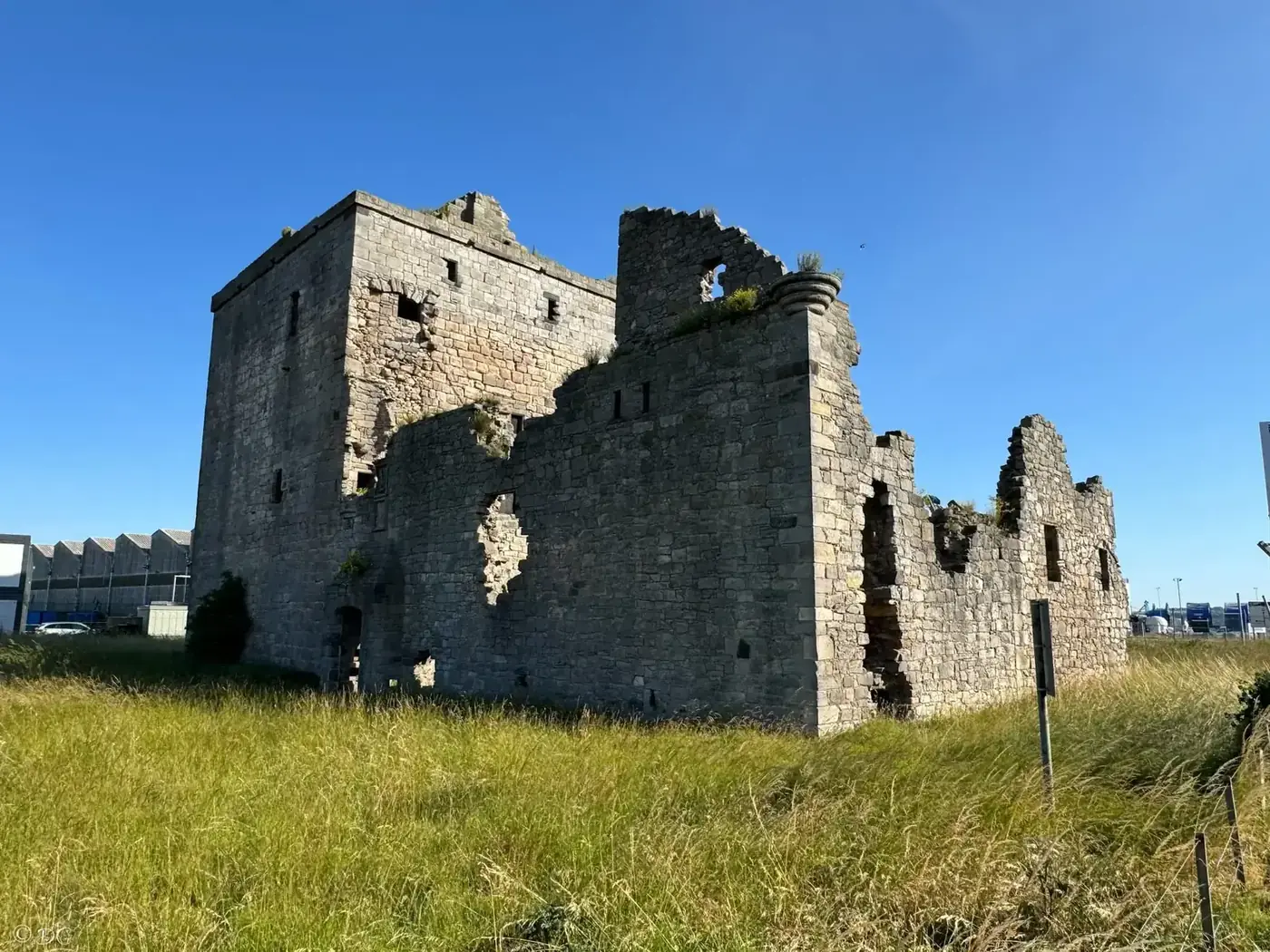
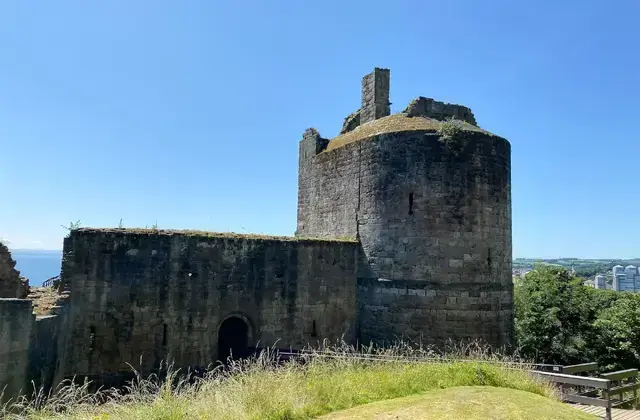
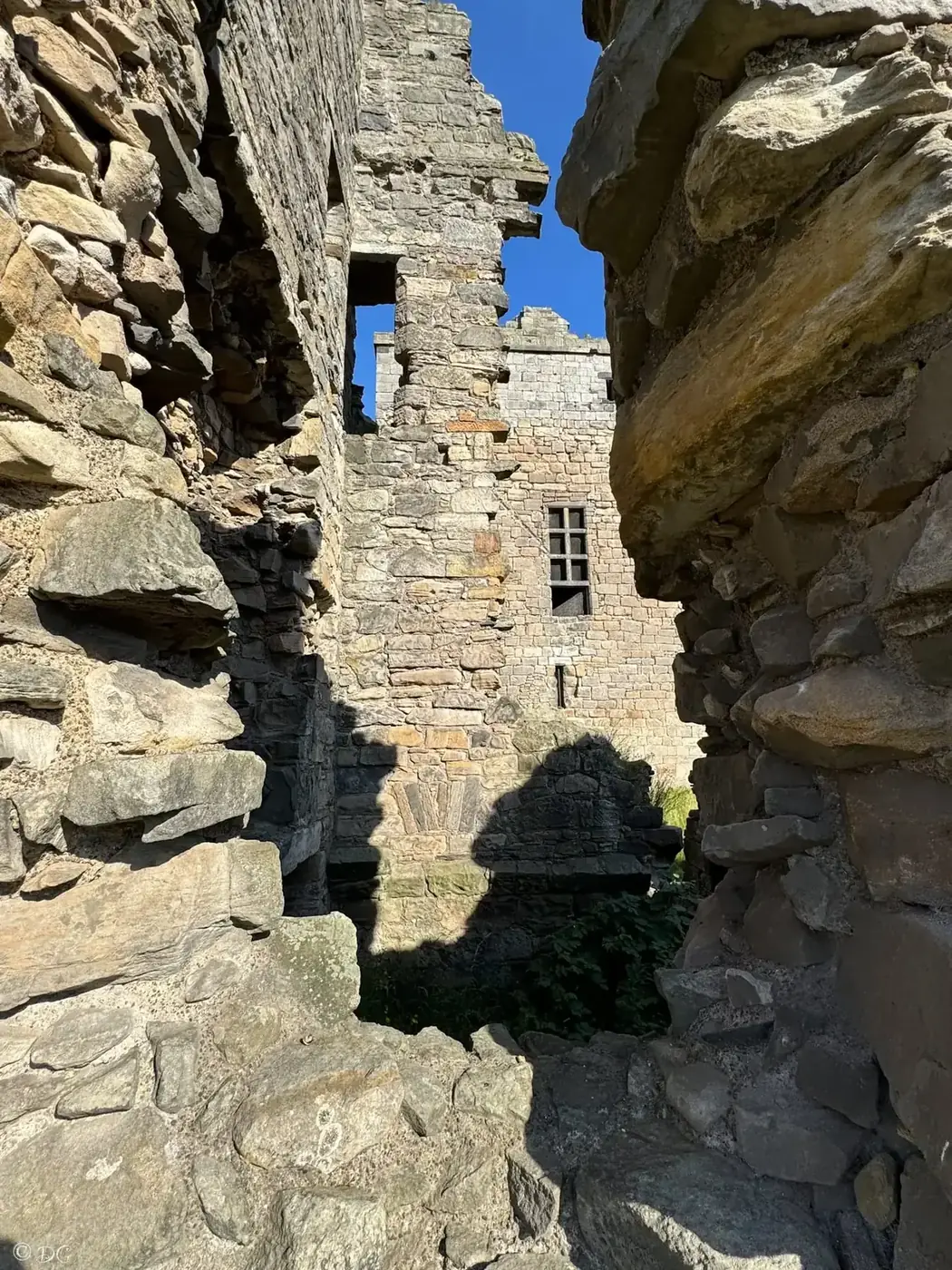
Sunlight and shadows on Rosyth Castle's tower and broken adjoining wall

FIELD GUIDE · THE KINGDOM OF FIFE

Rosyth Castle

A Scottish castle story. Read through its landscape.

CASTLESCOTLAND

Share this castle

Rosyth Castlecastlescotland.app

Share this guide or save the link.


Get directionsPhotos

PLAN YOUR VISIT

Tickets, opening hours & parking

Check current access before travelling

Rosyth, Fife, KY11 2XA

TICKETSNo standard daily ticket; check current opening or heritage-event information.

Visitor information follows official or local guidance. Always confirm the latest arrangements before travelling.

View current prices

Managed access variesNo standard daily ticket; check current opening or heritage-event information.

OPENING & ACCESSOpening and tickets

No standard daily ticket; check current opening or heritage-event information.

PARKING & ARRIVALParking options

Parking information

Parking charge not confirmed

No legal visitor parking near the castle has been confirmed. Do not drive towards dock gates or park beside the security fence.

A precise parking map location is not yet available.

Parking not confirmed

Parking sources checked · 11 October 2026

ACCESSIBILITYAccessibility

The building is protected and access is controlled; do not assume the interior is open.

HONEST VERDICTIs it worth visiting?

A specialist exterior stop whose appeal lies in the extraordinary change from tidal residence to castle within a dockyard landscape.

MANAGED BYConservation-managed historic site

WHAT TO EXPECT

  • Photography
  • Former tidal promontory at Rosyth
  • Managed access varies

01 / THE STORY

Rosyth Castle: history and highlights

Rosyth Castle has been left behind by its own coastline. The late-medieval tower once stood on a tidal promontory; dockyard reclamation placed it inside a radically different industrial landscape.

That clash is the reason to look twice. Medieval residence, vanished courtyard and modern naval surroundings occupy the same view.

Why does Rosyth look stranded?

The water once shaped access to the tower. Early twentieth-century land reclamation for the naval dockyard changed the shore, so the castle can no longer explain its setting without a little imagination.

A wide view is more revealing than a tight photograph. It records both the old residence and the later transformation around it.

A grant is not a building date

The Stewarts received the barony in 1428, but that document does not prove the present tower was completed in that year—or precisely in 1450, as often repeated.

Historic Environment Scotland dates the surviving L-plan tower to the late fifteenth century. That broader dating keeps ownership and masonry in the right relationship.

01 / THE STORY CONTINUES

More stories from this castle.

Dates written into later changes

A gateway panel records 1561, while enlarged windows are associated with work in 1635. The family kept adapting the old stronghold instead of freezing it in its first form.

Larger openings are clues to a house seeking more light and comfort. They tell a domestic story more convincingly than an invented siege.

The missing castle around the tower

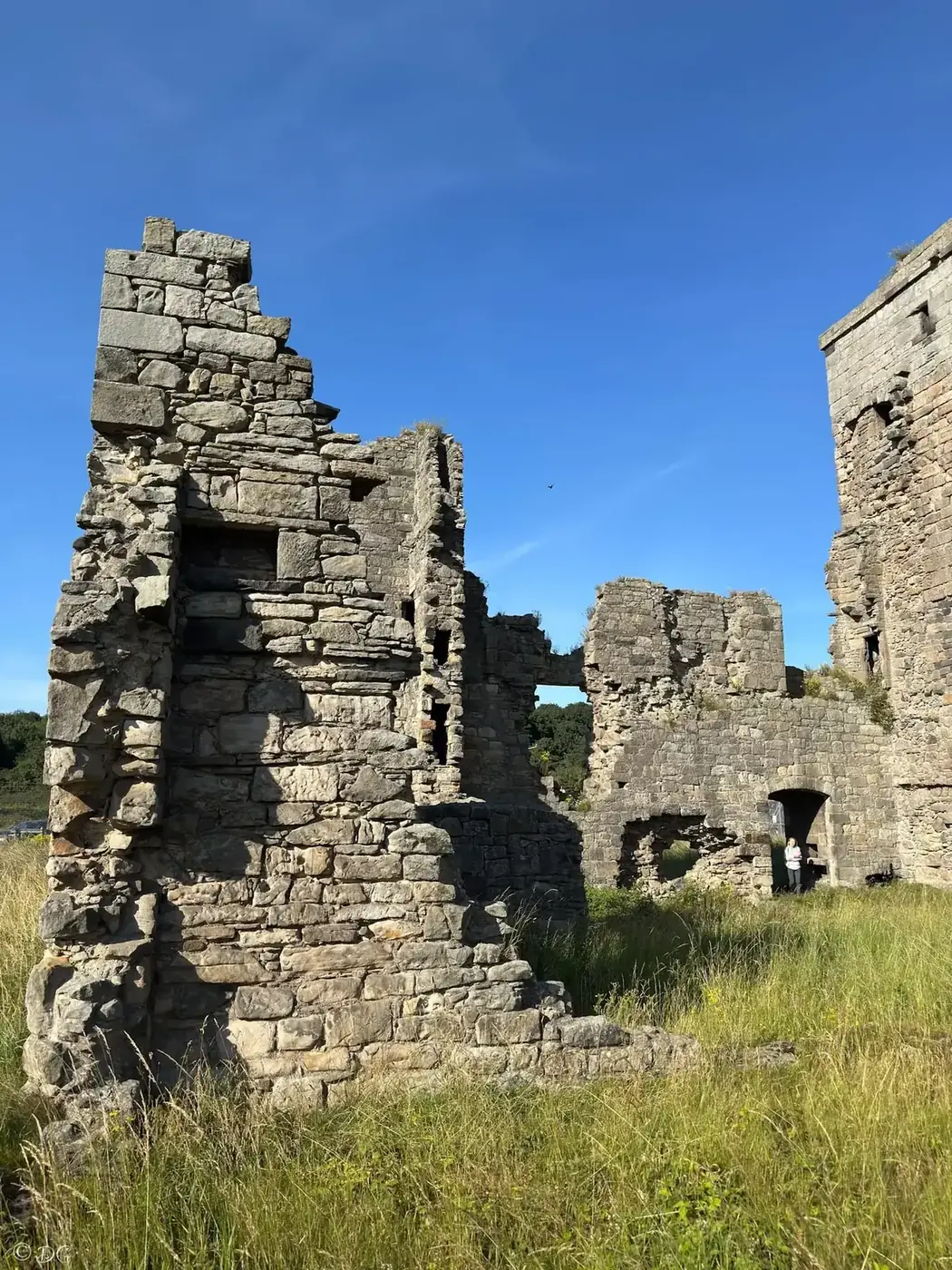
Sixteenth- and seventeenth-century buildings once enclosed a courtyard. Archaeology has traced walls where very little now stands above ground.

The empty space is therefore part of the evidence. Rosyth was a household complex, not always the solitary tower seen today.

03 / MOMENTS IN STONE

Stories worth carrying with you.

1428

Why the setting matters

The Stewarts acquire the barony; this is not a secure building date. Reclamation transformed the shoreline around Rosyth’s medieval tower.

Late 15th century

A changing place

HES dates the surviving tower to this period. The Stewarts acquire the barony; this is not a secure building date.

1561 / 1635

Visit with care

A gateway panel and enlarged windows record later phases. Check the latest official or local access notice before making the final approach.

HISTORICAL RECORDRead the detailed, verified history

The tower has an L-shaped plan, with the main accommodation and a projecting wing forming a compact residence. Its carefully worked stone gives it a more ordered appearance than a loosely built defensive enclosure. Look at the proportions of the principal block before concentrating on individual openings. The vertical arrangement suggests a household organised across several levels, while the projection makes the outline more complex than a simple rectangular keep. These features make the building legible even when an interior visit is unavailable.

Rosyth was altered rather than left unchanged after its first construction. A gateway panel records 1561, and larger windows belong to work dated 1635. Those details are useful anchors for a chronology of domestic adaptation. They do not date every adjoining stone. A later household could retain the old tower while bringing in more light, changing routes between rooms and altering the buildings around it. The visible castle therefore combines medieval form with the expectations of subsequent residents.

Buildings around the tower formed a courtyard during the sixteenth and seventeenth centuries. Excavation has traced walls to the east and south, reminding visitors that the standing block is only part of the former residence. Try to imagine an enclosed domestic setting around the tower instead of a solitary defensive monument. Archaeology matters especially where demolished structures have left little obvious above ground. An apparently empty space may be evidence of loss, rather than proof that nothing ever stood there.

The nearby dovecot offers another way to think about the estate. HES records the dramatic change caused by early twentieth-century reclamation for the naval dockyard. The old shoreline cannot simply be reconstructed from the present edge of the water. A modern photograph records the castle’s later setting as well as its medieval fabric. That is part of Rosyth’s interest: the relationship between land and sea has itself become a historical question, not just a scenic backdrop.

The castle entered state guardianship in 1928 and is protected as scheduled monument SM9150. Guardianship is a conservation relationship; it should not automatically be described as a transfer of ownership. The distinction is useful here because a historic building can sit within a complicated modern landscape. Check current access arrangements before travelling, and use permitted routes and viewpoints. Do not assume that a visible tower within a working area has the same visiting arrangements as a staffed attraction.

For a thoughtful visit, hold three images together: the late medieval tower, the later courtyard residence and the reclaimed shore. Each explains something the others cannot. Details such as a dated panel or enlarged window reward a closer photograph, but a wider view explains why Rosyth feels so unusual today. Its story is not simply that a castle survived. It is that a residence built beside tidal water remained while both its household and the surrounding coastline changed.

Sources & further reading

08 / EXPLORE NEXT

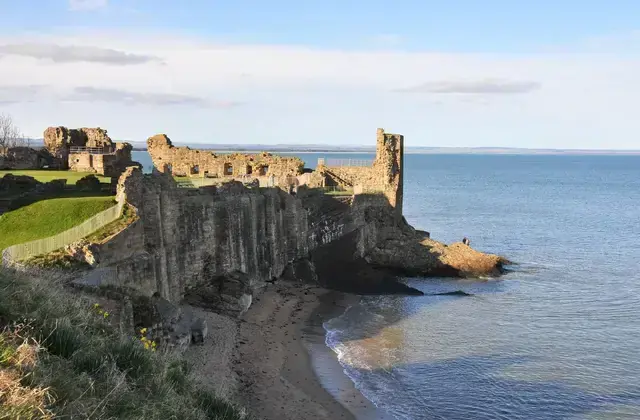
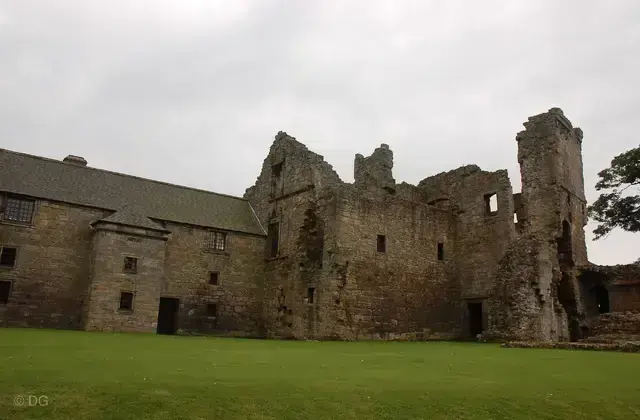
St Andrews Castle · The Kingdom of FifeThe Kingdom of FifeSt Andrews Castle Aberdour Castle and Gardens · The Kingdom of FifeThe Kingdom of FifeAberdour Castle and Gardens Ravenscraig Castle · The Kingdom of FifeThe Kingdom of FifeRavenscraig Castle
Explore Scotland

Find Scottish castles by region, landscape or the stories that bring them to life.