TICKETS£7.50
Prices checked against the official visitor page; opening is seasonal.
View current prices
Adult online£7.50Walk-up £8.50
Concession online£6.00Walk-up £6.80
Child 7–15 online£4.50Walk-up £5.00
Historic Scotland membersFree
 Castle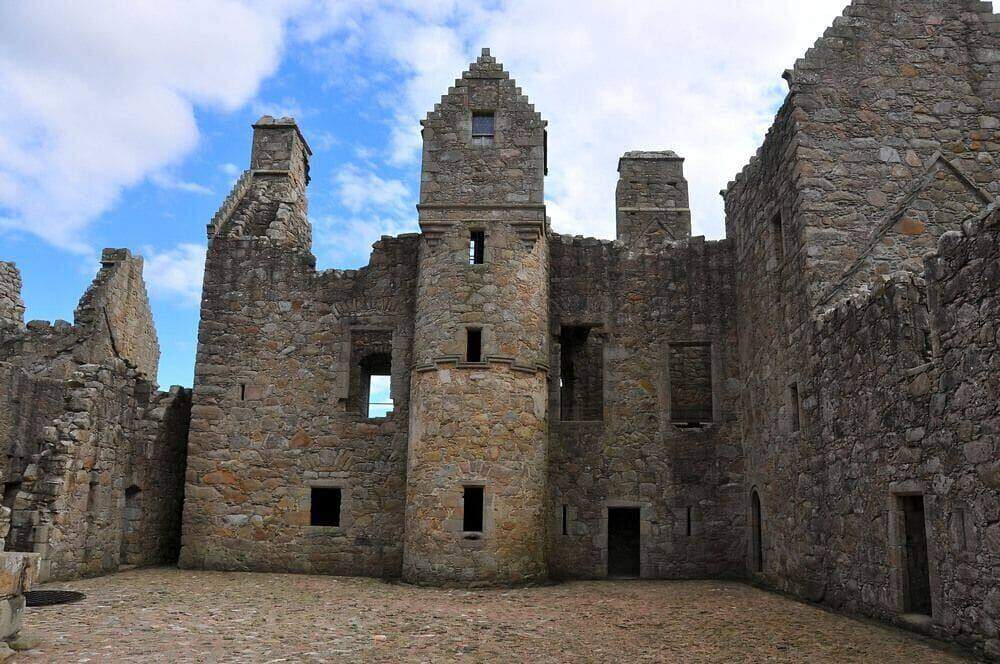
RENAISSANCE COURT · TARVES
A country palace. A gateway made for arrival.
PLAN YOUR VISIT
Tarves, Ellon, AB41 7LP
Prices checked against the official visitor page; opening is seasonal.
Adult online£7.50Walk-up £8.50
Concession online£6.00Walk-up £6.80
Child 7–15 online£4.50Walk-up £5.00
Historic Scotland membersFree
Tolquhon is a seasonal Historic Environment Scotland site.
Parking information
Main tarmac car park with about 80 m of level gravel approach. A smaller gravel car park is beside the visitor centre.
Parking sources checked · 11 October 2026
The historic courtyard has uneven surfaces and steps. It is an outdoor ruin, so weather and ground conditions matter.
A beautifully readable Aberdeenshire ruin where a carved gateway, possible family portraits and a precisely dated rebuilding turn architecture into a personal story.
WHAT TO EXPECT
01 / THE STORY
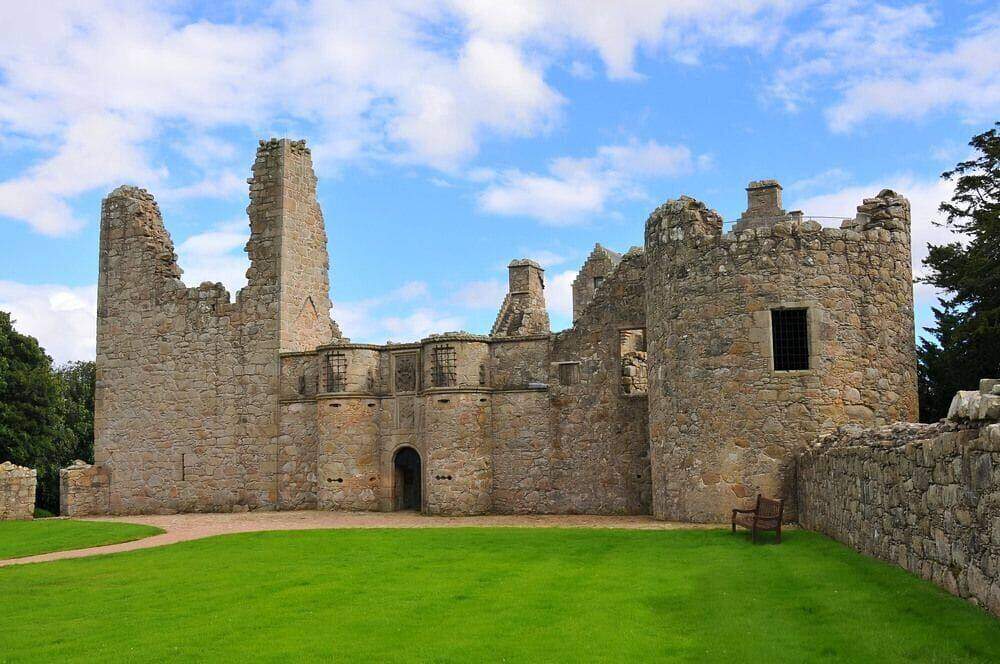
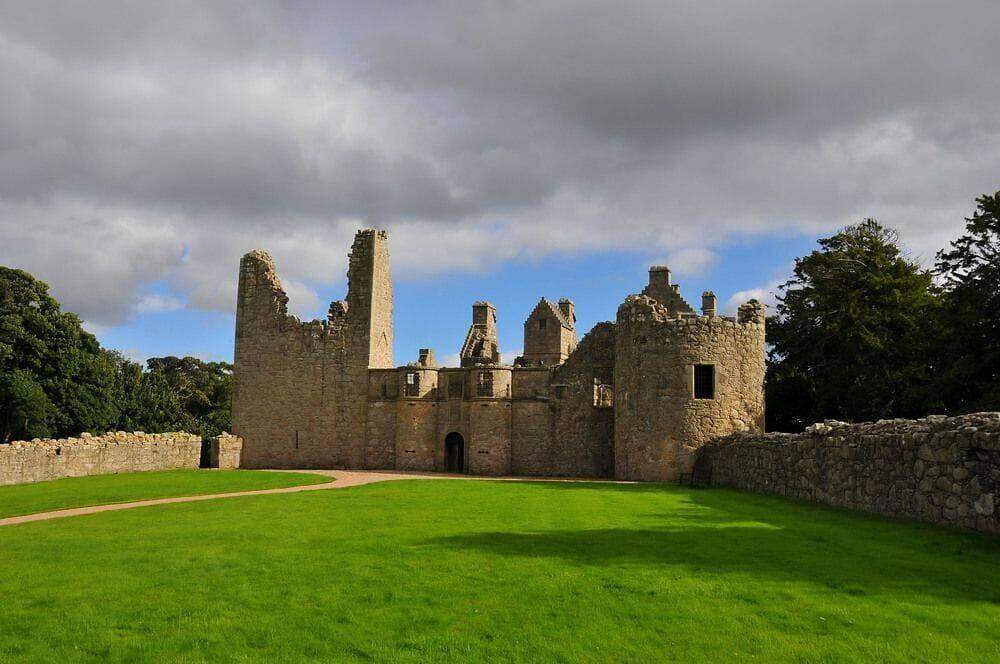
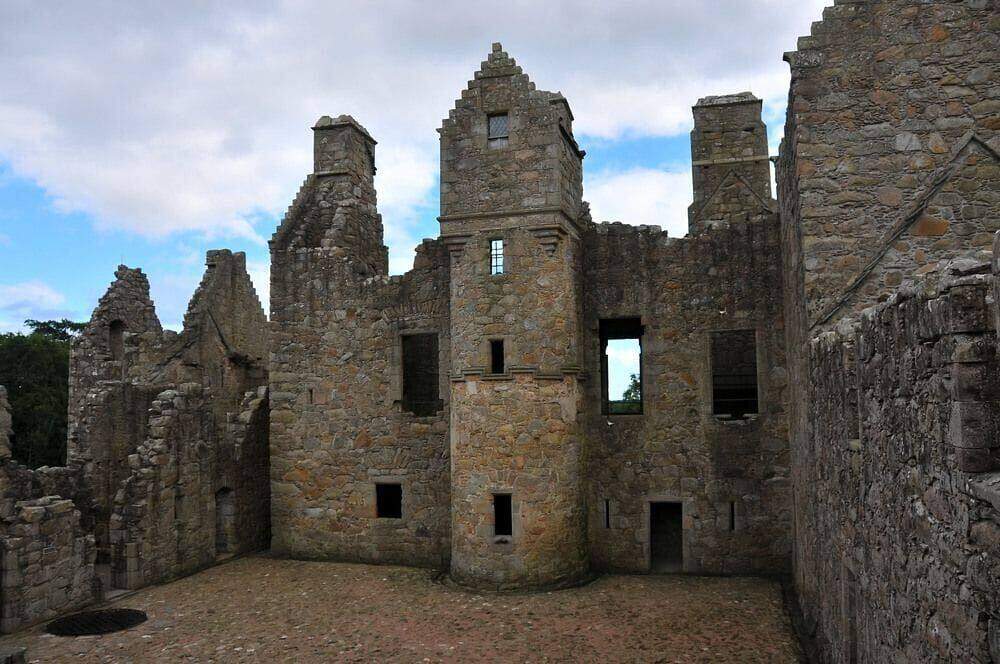
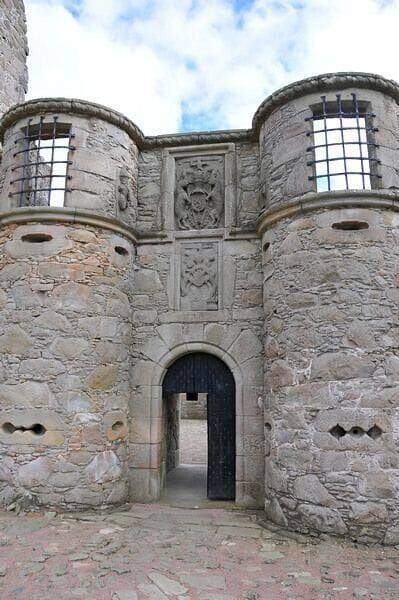
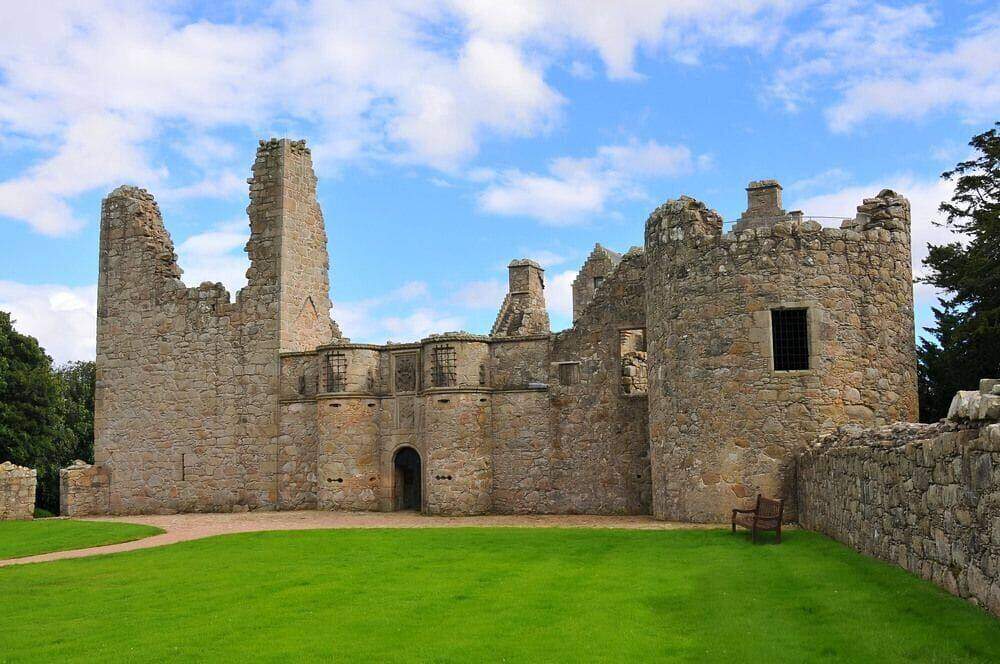
Tolquhon knows how to make an entrance. Its decorated gate opens into a courtyard where an older tower and a much more ambitious Renaissance home face one another.
You do not need to memorise a dynasty to enjoy it. The fun lies in comparing inherited stone with a laird's six-year building project—and meeting the weathered faces still watching from the gateway.
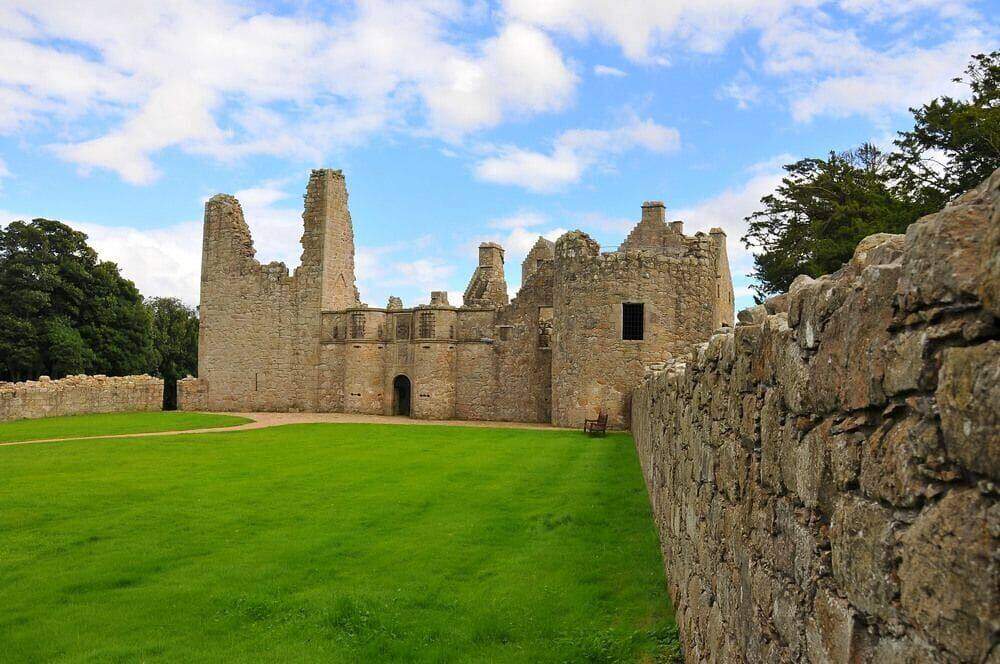
The ruin is compact enough to understand and detailed enough to explore slowly. Begin outside, let the gate frame the courtyard, then turn back to see how carefully the arrival was staged.
Check the current Historic Environment Scotland visitor notice before travelling. Access around fragile ruins can change while conservation work is carried out.
Preston's Tower is the oldest standing part, dating from the early fifteenth century. Its name does not prove who built it.
Historic Environment Scotland considers Sir John Forbes a likely patron after the lands came to him through marriage in 1420. Heraldry supports a Forbes connection, while the Preston name may preserve the link with Marjorie Preston.
William Forbes, seventh laird, rebuilt the residence between 1584 and 1589. The entrance inscription records both the start and completion of the work and explicitly leaves out the old tower.
That makes Tolquhon unusually easy to date without pretending the whole site appeared at once. Thomas Leiper is associated with the later design.
Small carved figures are often identified as William Forbes and his wife Elizabeth Gordon. The interpretation is likely, but not certain.
Whether or not each face can be named, the message is clear. Heraldry, ornament and a controlled entrance told a visitor that this was the home of a family conscious of its position.
02 / VISUAL JOURNAL
Every photograph on this page was taken by CastleScotland during visits to the site.
10 of 18 photographs
01 / THE STORY CONTINUES
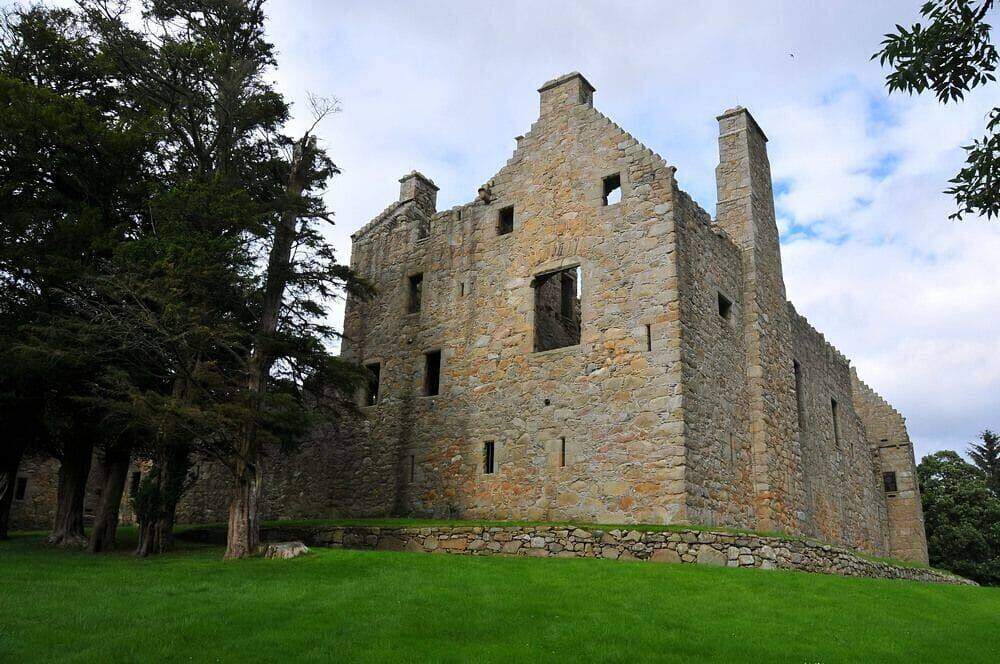
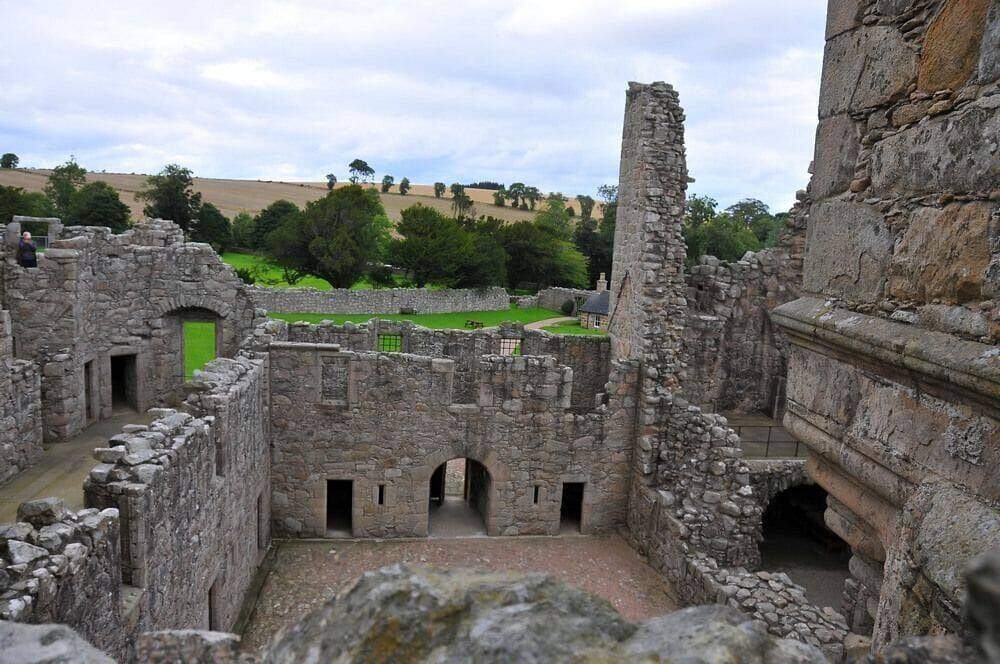
The later ranges gathered around a courtyard, with galleries, private accommodation, service rooms and a formal garden. This was more than a stronger box for surviving an attack.
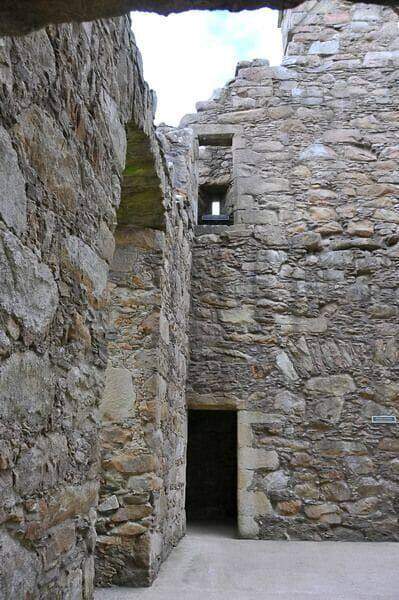
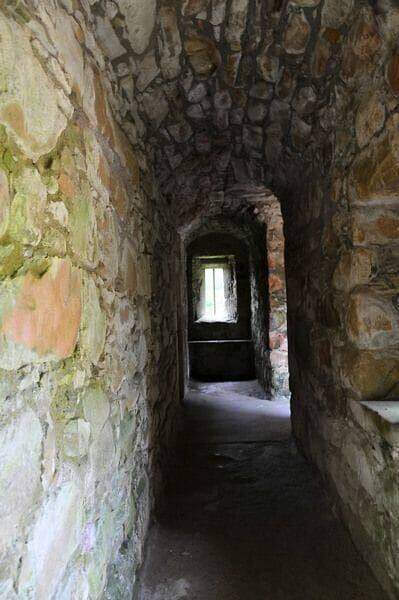
The plan separated work, hospitality and private life. Follow the doorways and stairs and imagine people moving through the house rather than armies charging the gate.
The estate was sold in 1716 and the reluctant Forbes laird was removed two years later. It is a wonderfully human end to the family's ownership, but it was not the end of everyone living here.
Occupation continued into the nineteenth century before decay took over. Ownership, eviction and abandonment belong to different chapters.
The laird's private chamber at Tolquhon contained a secret strongroom. Its entrance was concealed in the floor of the adjoining wardrobe or dressing room, where it could remain out of sight from most people moving through the house.
The space is interpreted as storage for money, jewellery and important documents. It is a small architectural detail, but it reveals that security inside a Renaissance residence depended on concealment as well as walls and gun loops.
03 / MOMENTS IN STONE
Preston’s Tower takes shape; Sir John Forbes is a probable patron. Tolquhon’s entrance makes arrival part of the architecture.
William Forbes rebuilds the residence around the old tower. Preston’s Tower takes shape; Sir John Forbes is a probable patron.
The Forbes laird is removed; some later occupation continues. The courtyard keeps domestic and ceremonial spaces unusually clear.
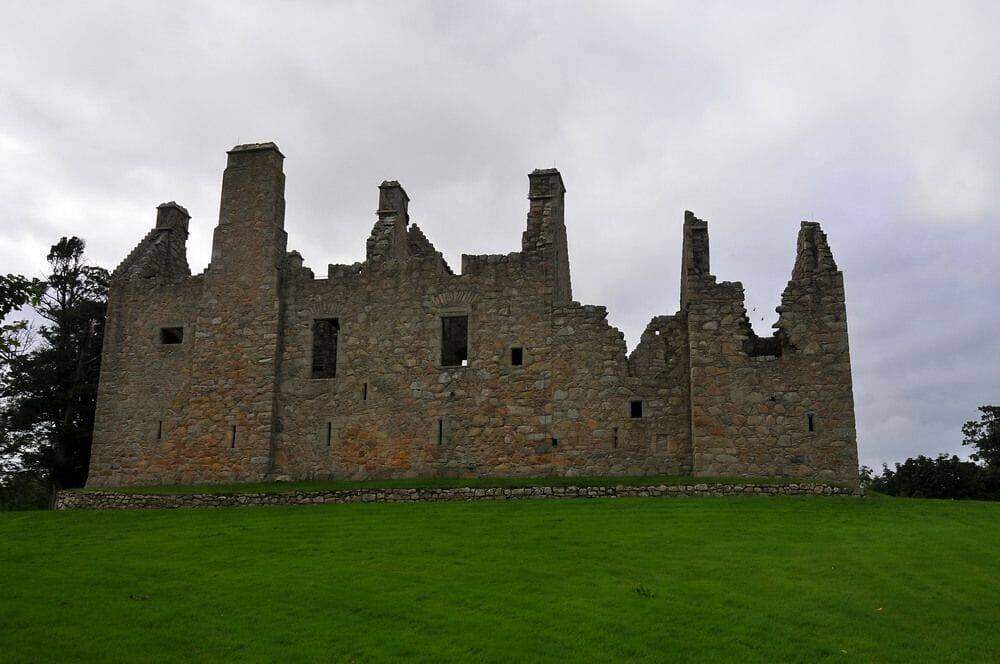
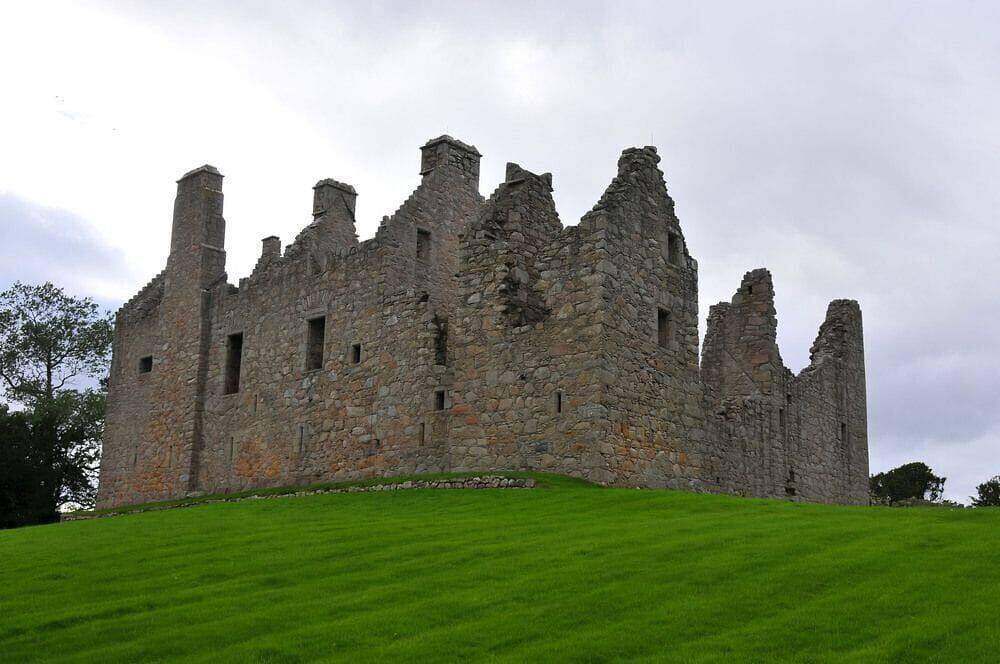
The great transformation is unusually well dated. William Forbes, the seventh laird, undertook the main rebuilding between 1584 and 1589; the entrance inscription records the beginning and completion. The inscription supplies a much firmer chronology than an approximate stylistic date alone. It explicitly excludes the old tower, so even such precise evidence should not become a construction date for every part of the site.
Thomas Leiper is associated with the new design. The ranges gather around a courtyard rather than concentrating the whole household in a single tall block. HES describes galleries connected with private accommodation, alongside service spaces and a formal garden. These are clues to the social organisation of the house. The owners could entertain, withdraw and move through different parts of the residence without every activity sharing the same room.
At the gate, small carved figures are often identified as William Forbes and his wife Elizabeth Gordon. HES presents that identification as likely, not certain. Look at them as possible portraits rather than treating every weathered face as securely named. The heraldry and ornament make the entrance a statement of identity even where the meaning of an individual carving remains open to interpretation.
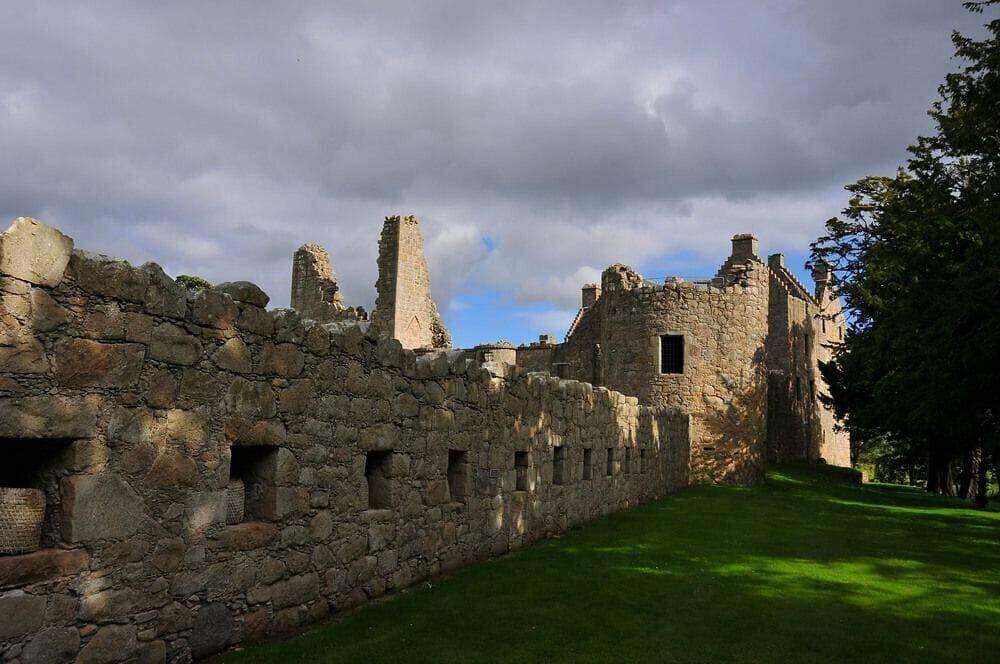
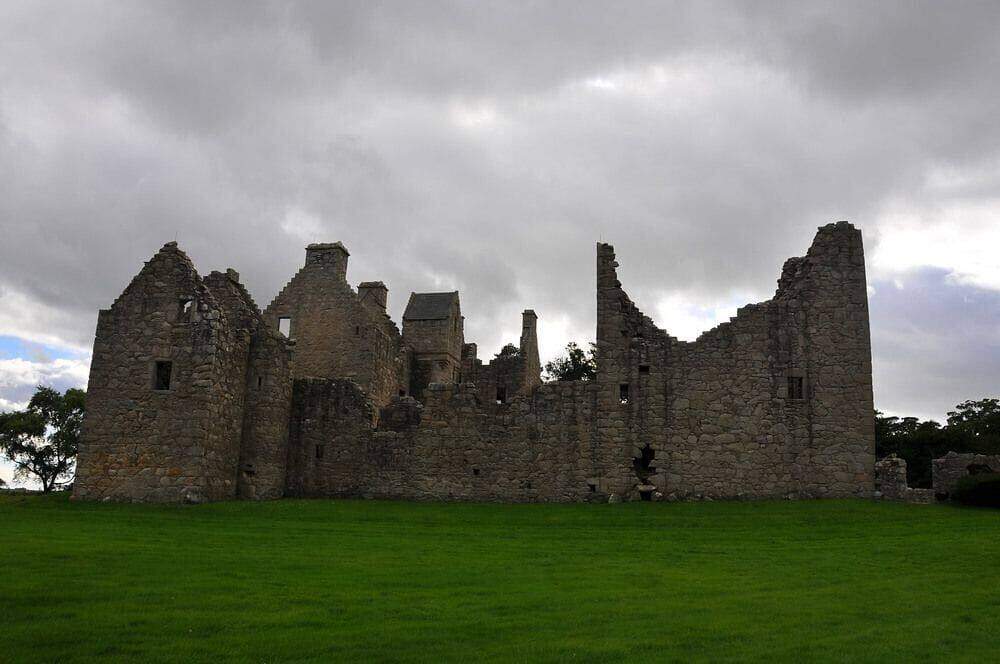
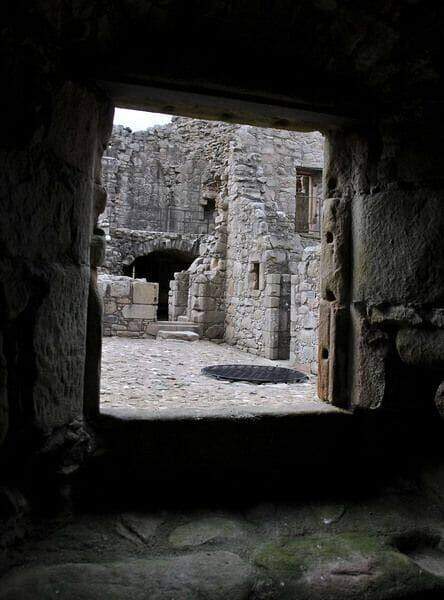
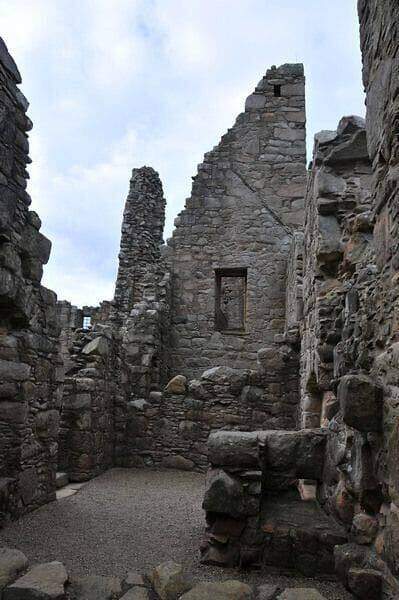
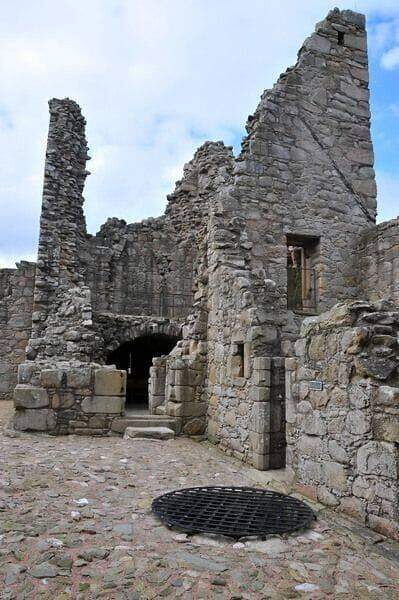
Compare the old tower with the surrounding ranges. The different scale of walls and openings can help distinguish inherited defensive fabric from later residential priorities. That contrast does not mean the newer house abandoned security altogether. It suggests a combination of practical protection and cultivated display. Take the courtyard slowly, and use the positions of entrances and stairs to think about how a large household might have occupied it.
The Forbes family’s loss of the property was not the immediate end of all habitation. The estate was sold in 1716, and the unwilling laird was removed in 1718. The HES monument record says occupation continued into the nineteenth century before decay followed. It is therefore misleading to make the entire castle an abandoned ruin at the moment the Forbes household lost possession. Changes of ownership and physical abandonment are different events.
The entrance deserves a photograph from both sides, where access permits. Comparing the outward display with the courtyard beyond reveals how arrival and domestic space belong to one carefully organised composition.
Tolquhon is protected as scheduled monument SM90302. The designation includes more than the most photogenic gateway: buried remains and the relationship with surrounding spaces also matter. For the visitor, the reward is a clear architectural conversation between an older tower and an ambitious later house. Start outside with the approach, then compare the courtyard as a whole before studying details. Nearby Tarves Tomb provides another connection with the Forbes family and Leiper’s work, but the castle itself already makes their concern with memory and status tangible. Check current access before setting out.
08 / EXPLORE NEXT
Find Scottish castles by region, landscape or the stories that bring them to life.
 AberdeenshireDunnottar Castle
  AberdeenshireHuntly Castle
  AberdeenshireKildrummy Castle