TICKETSNo public admission confirmed
The estate publishes a castle closure notice following structural damage. No reopening has been confirmed.
 Castle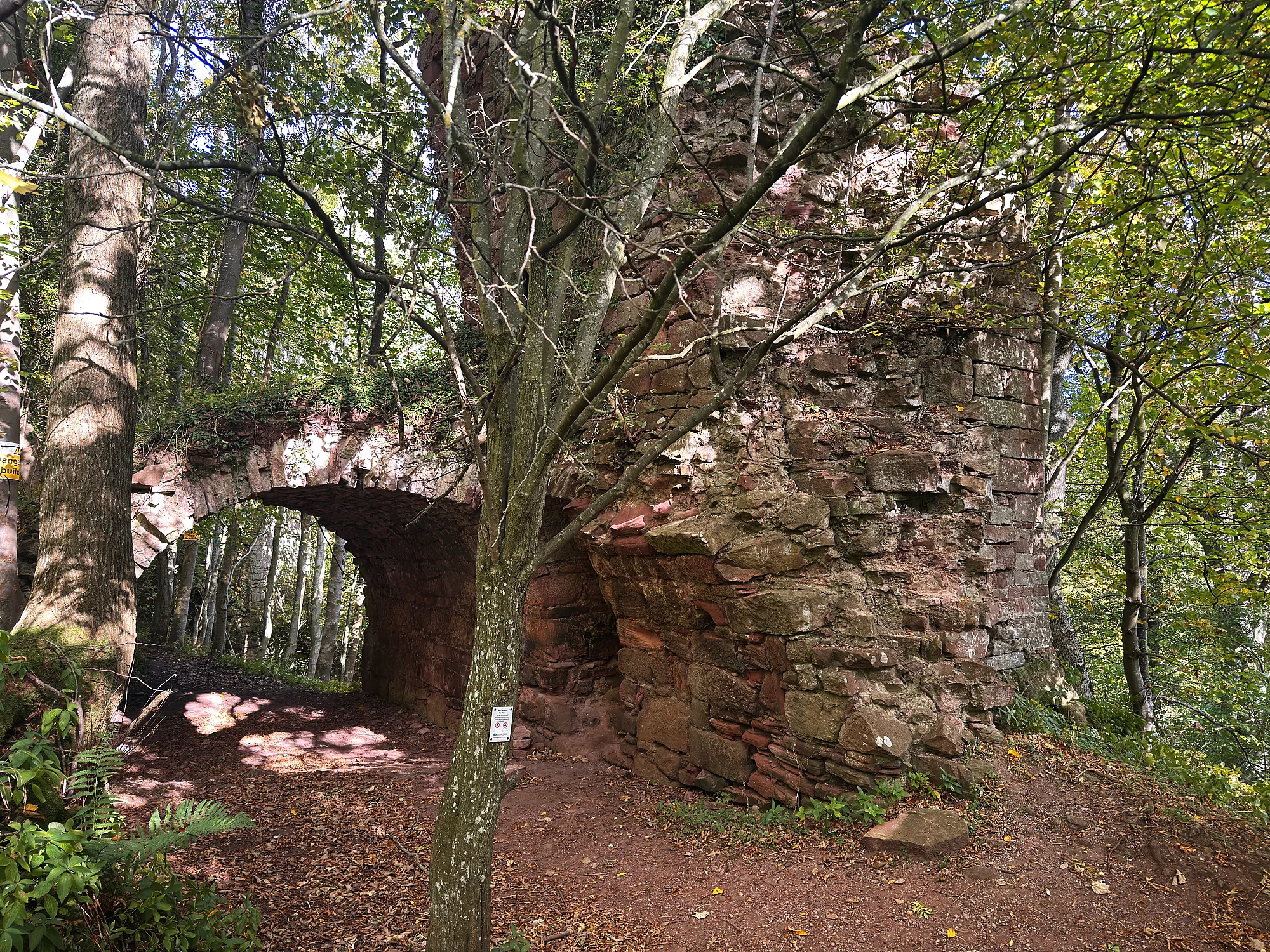
EAST LOTHIAN · GIFFORD
A medieval stronghold in the woods. The hall that inspired tales of goblins.
PLAN YOUR VISIT
Yester Castle, near Gifford, East Lothian
The estate publishes a castle closure notice following structural damage. No reopening has been confirmed.
Yester Estate publishes a notice closing the castle to public access following stone theft and structural damage. We found no confirmation of reopening. Our walk describes our own visit, rather than guaranteeing present access to the ruins or Goblin Hall. Check the estate’s information and follow signs and closures on site. Wear footwear with good grip for the woodland route and bring an offline map.
Parking information
We parked in the centre of Gifford and followed Yester Path through the woods. Our walk took about an hour each way; check current parking signs.
Updated parking information
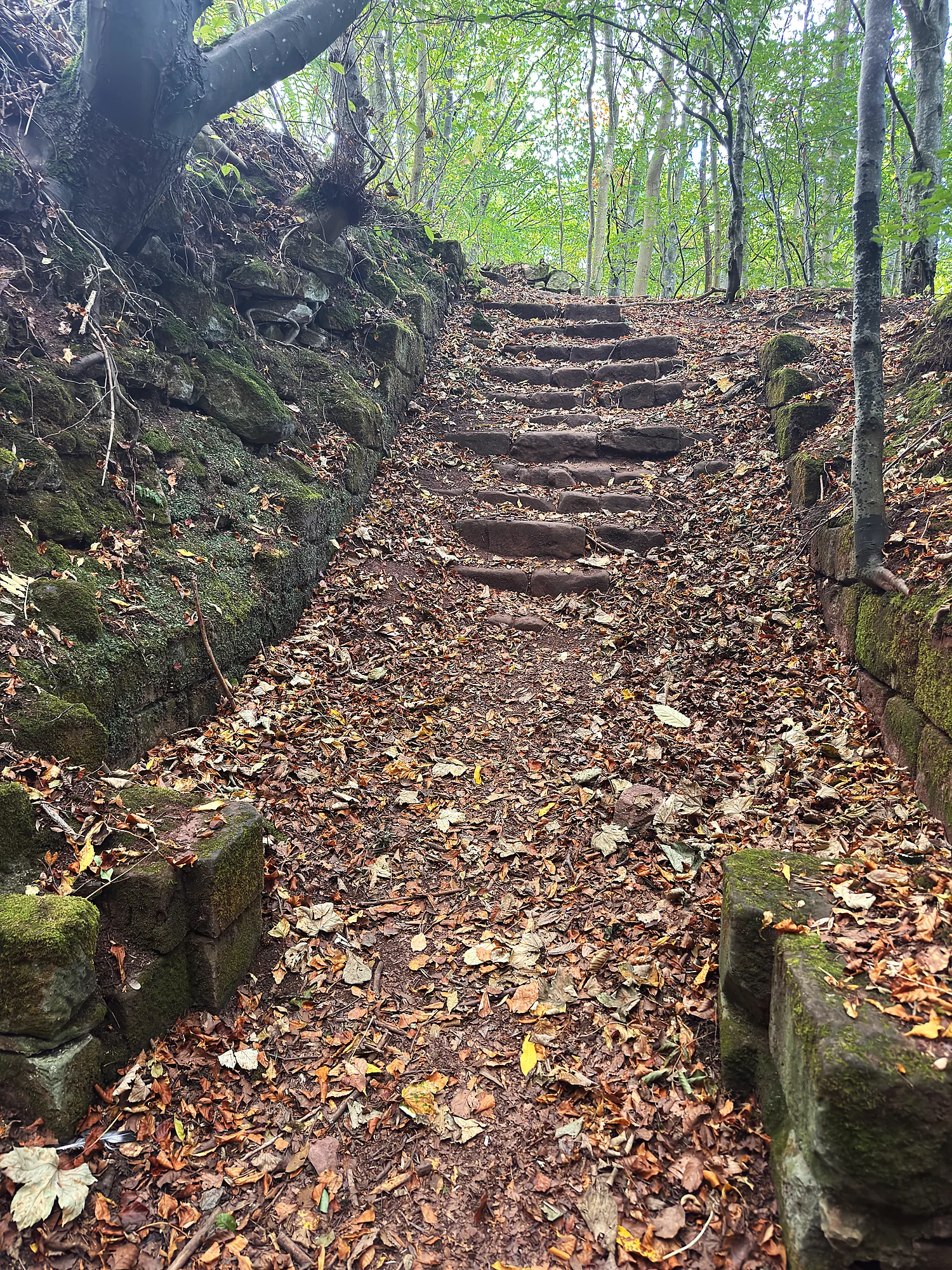
The route described from our visit includes woodland paths, slopes and historic uneven surfaces. Respect closures; no step-free access is confirmed.
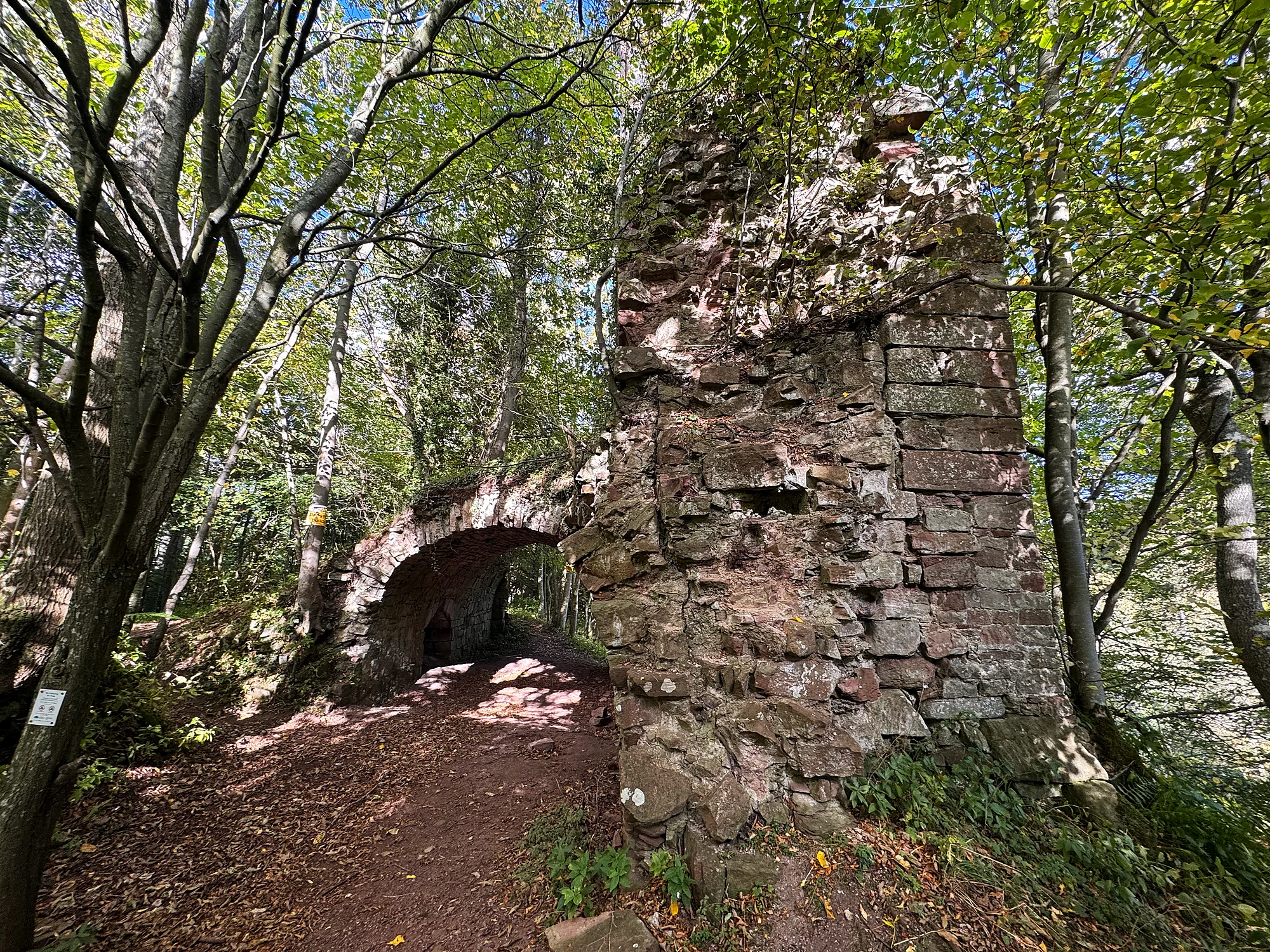
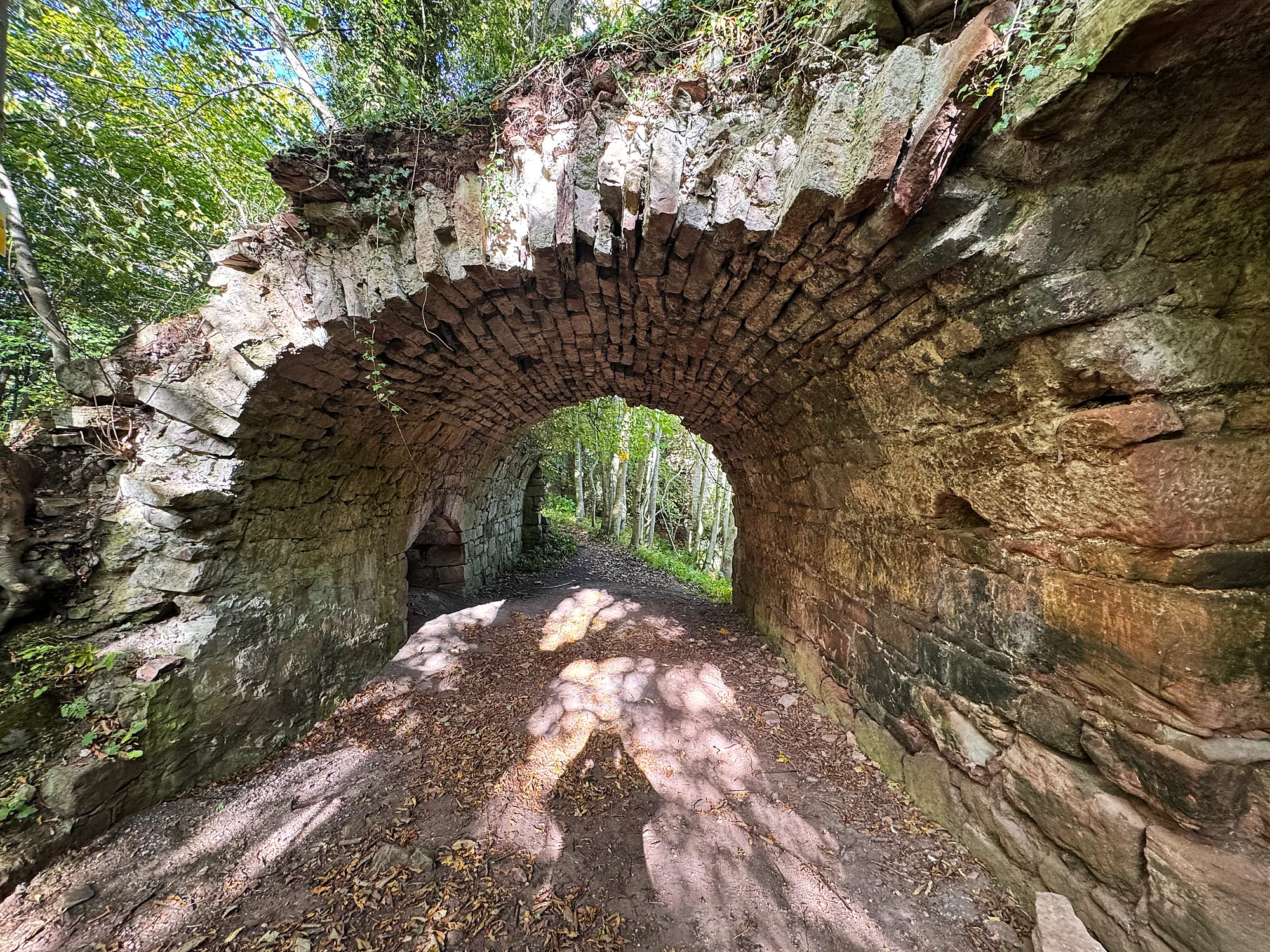
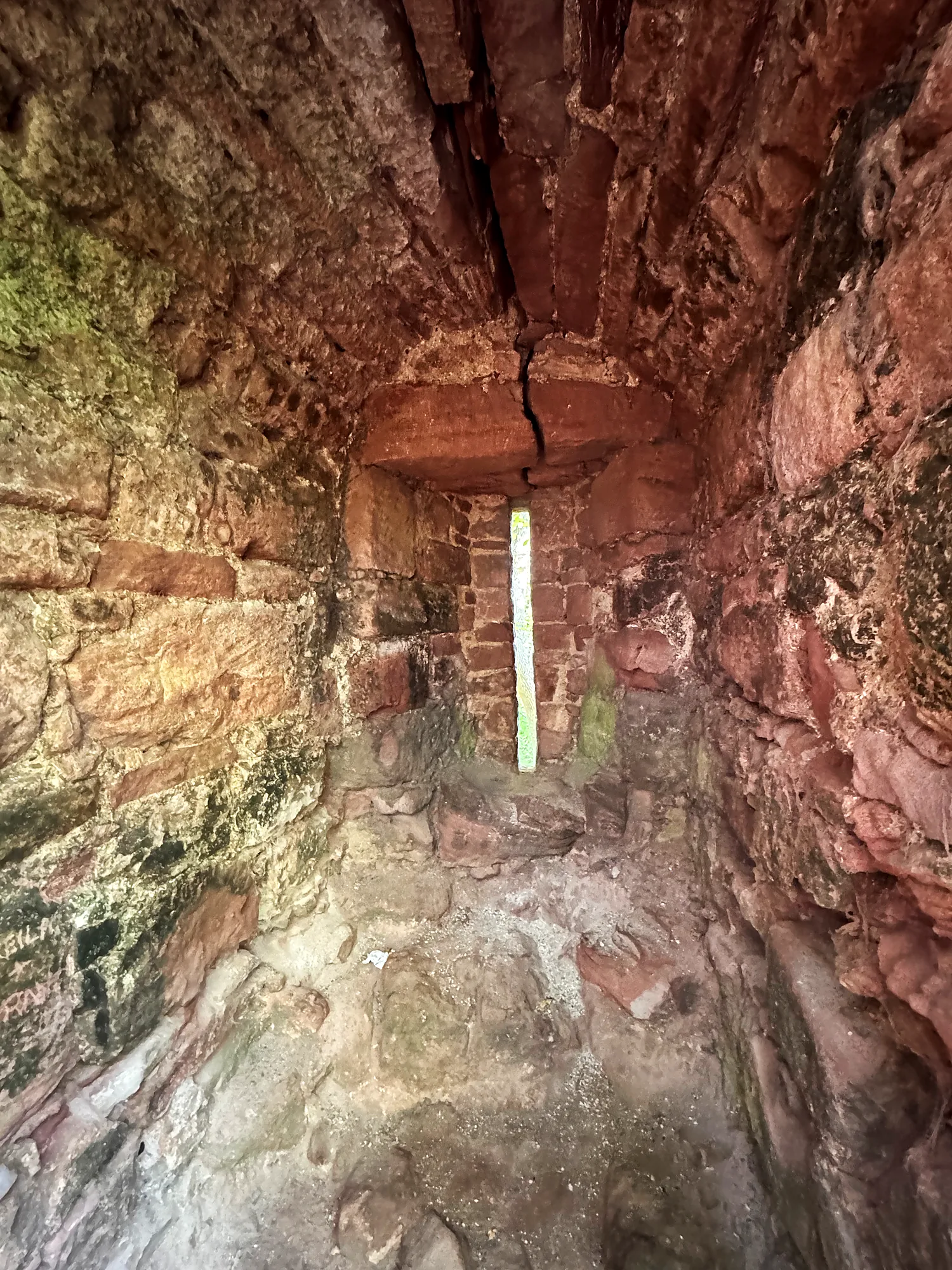
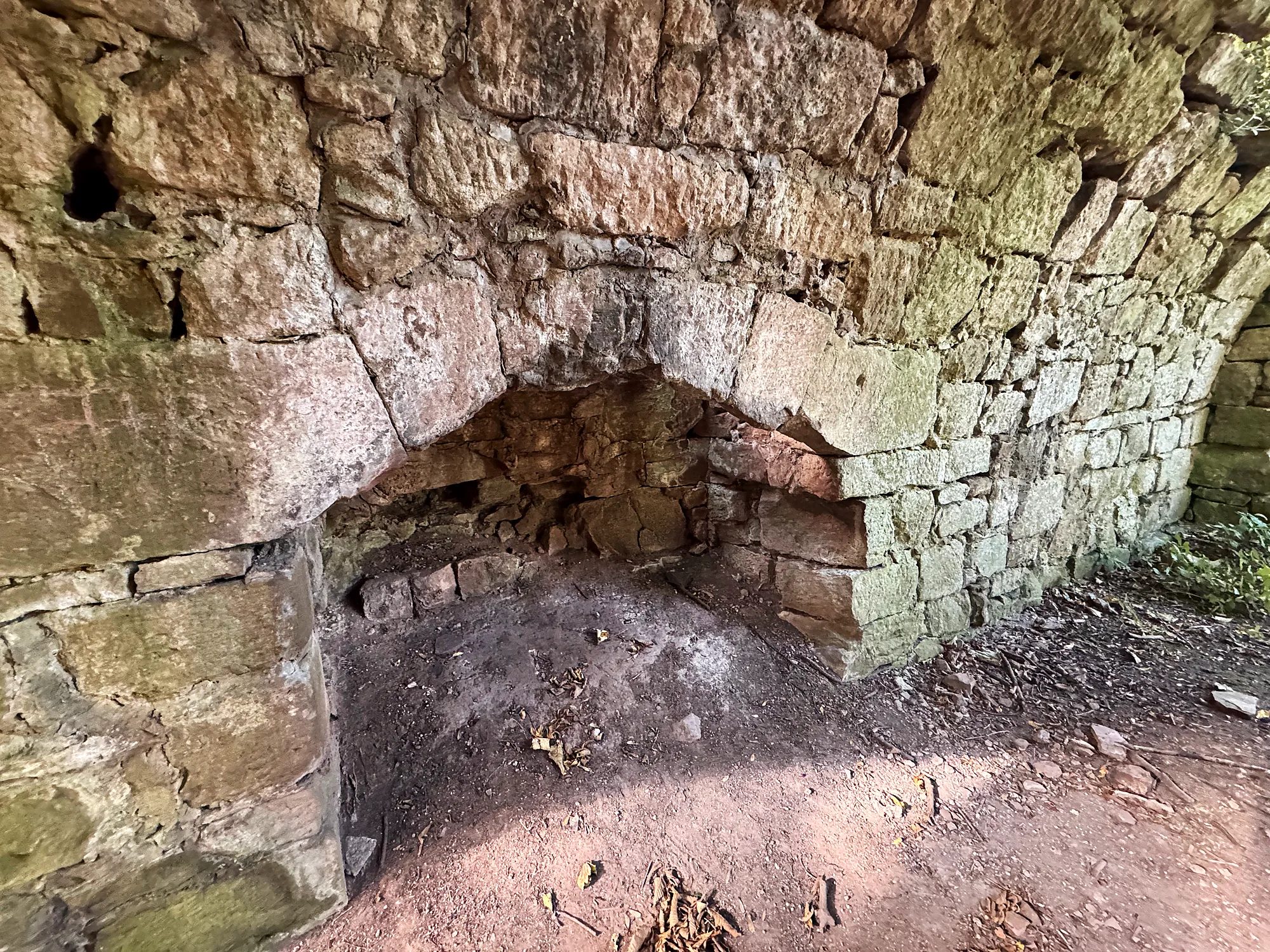
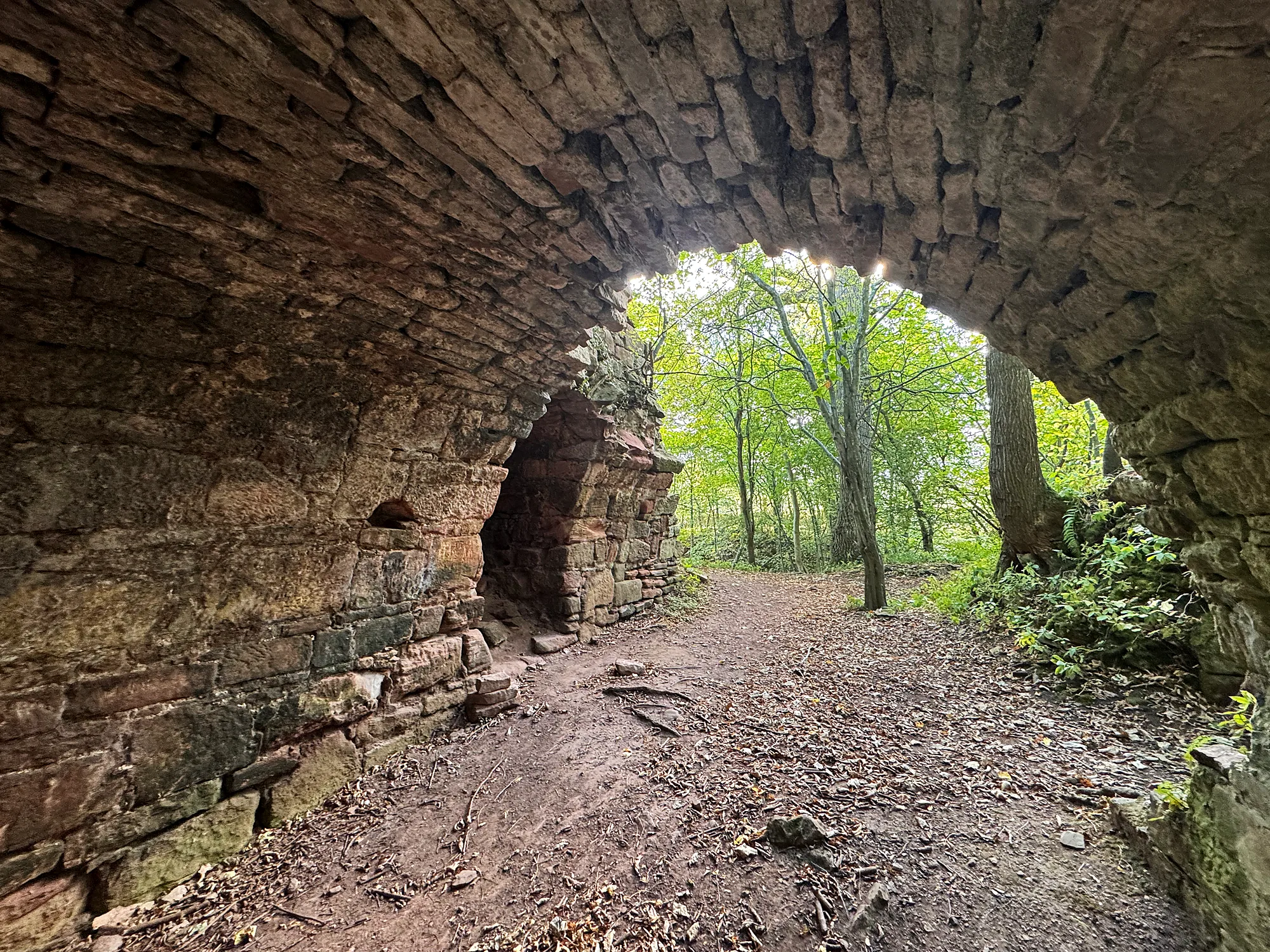
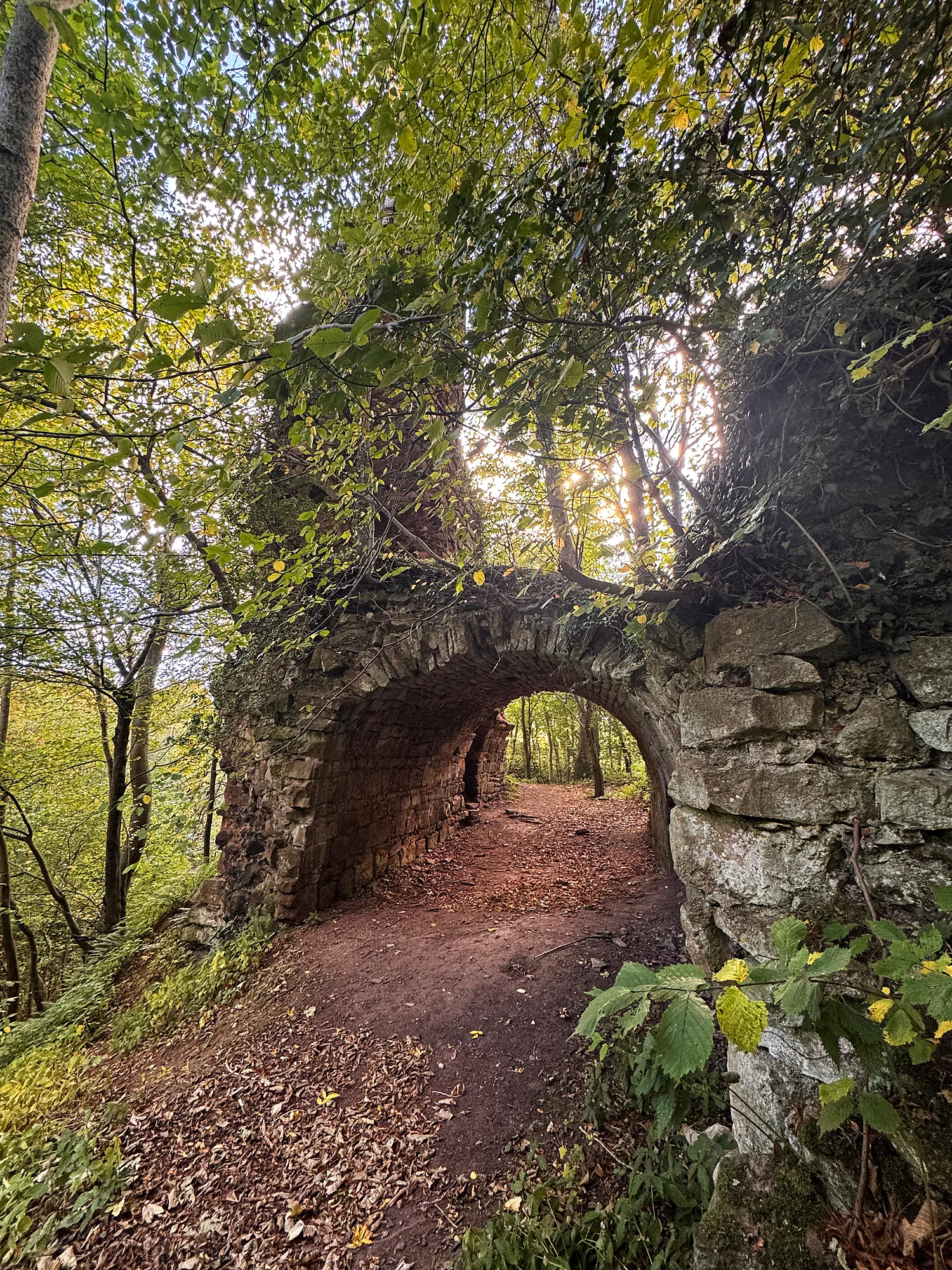
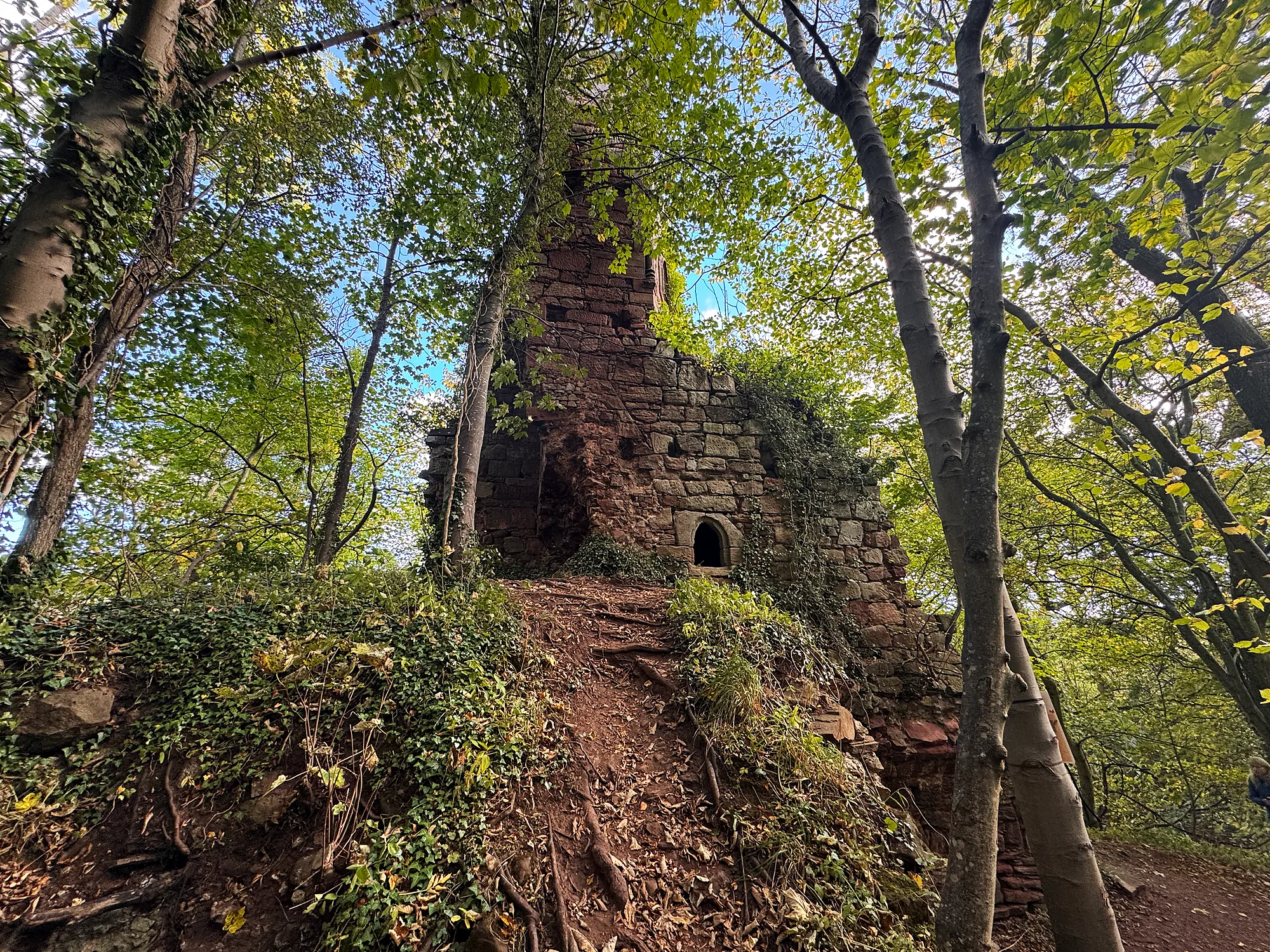
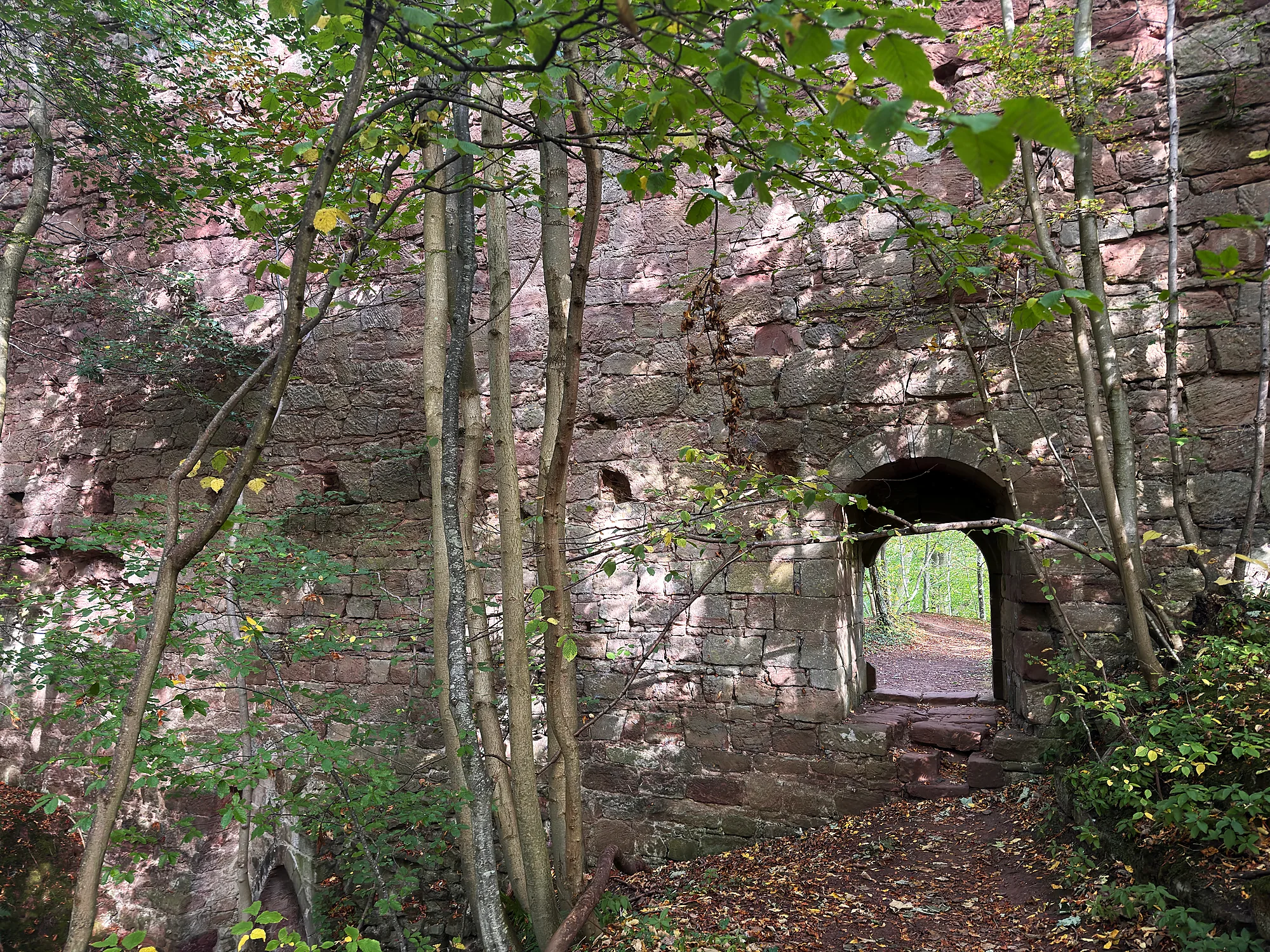
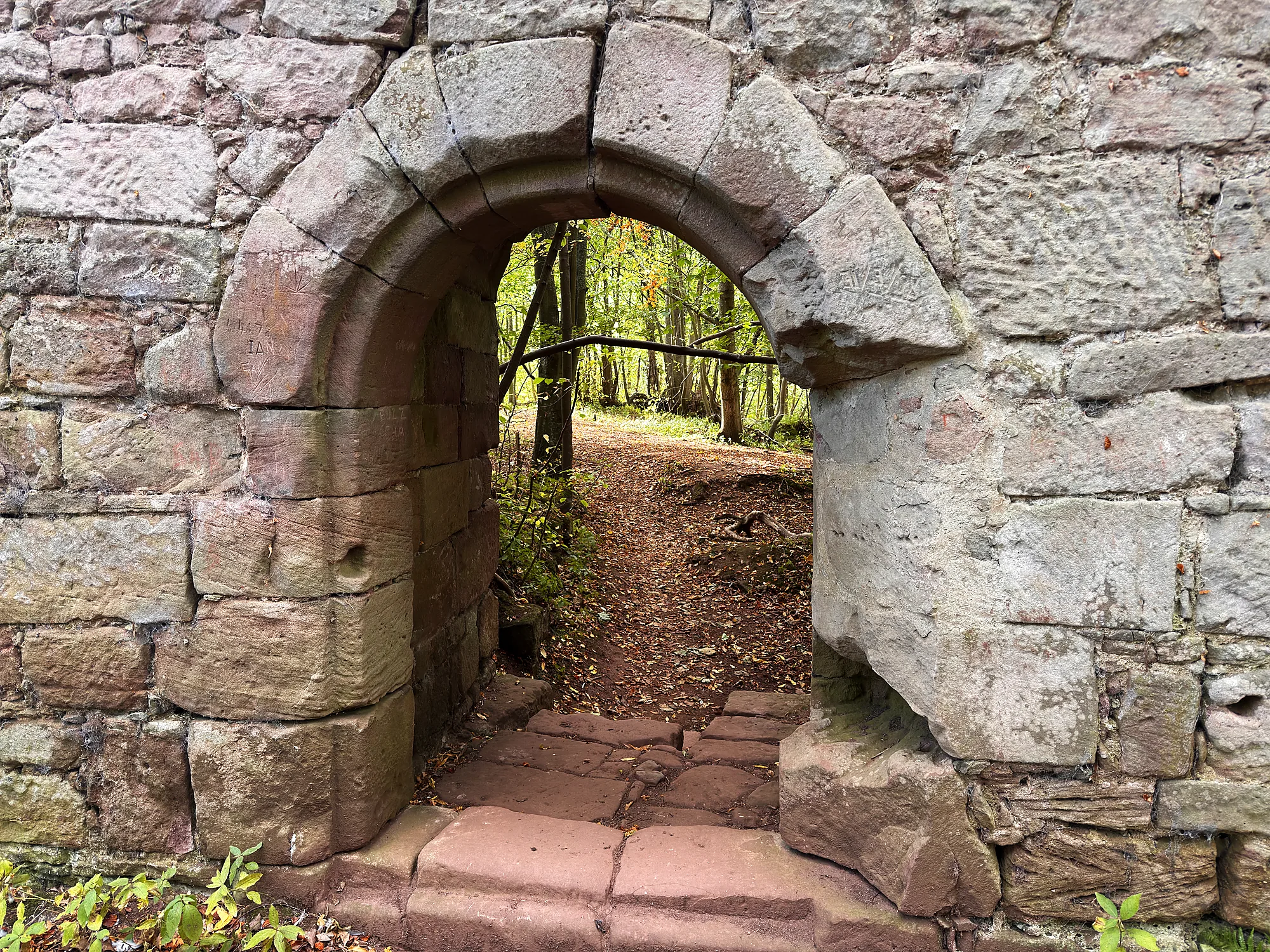
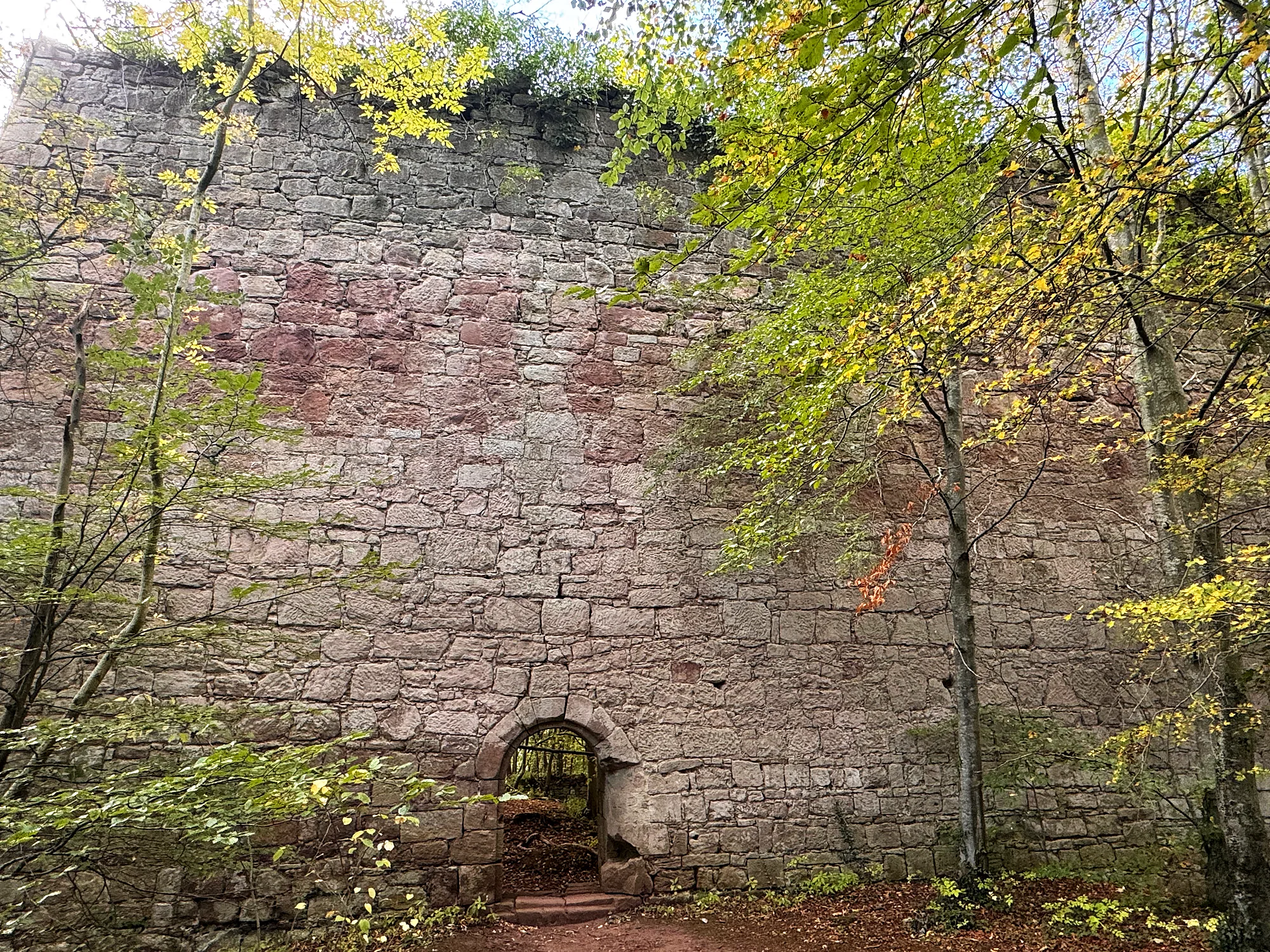
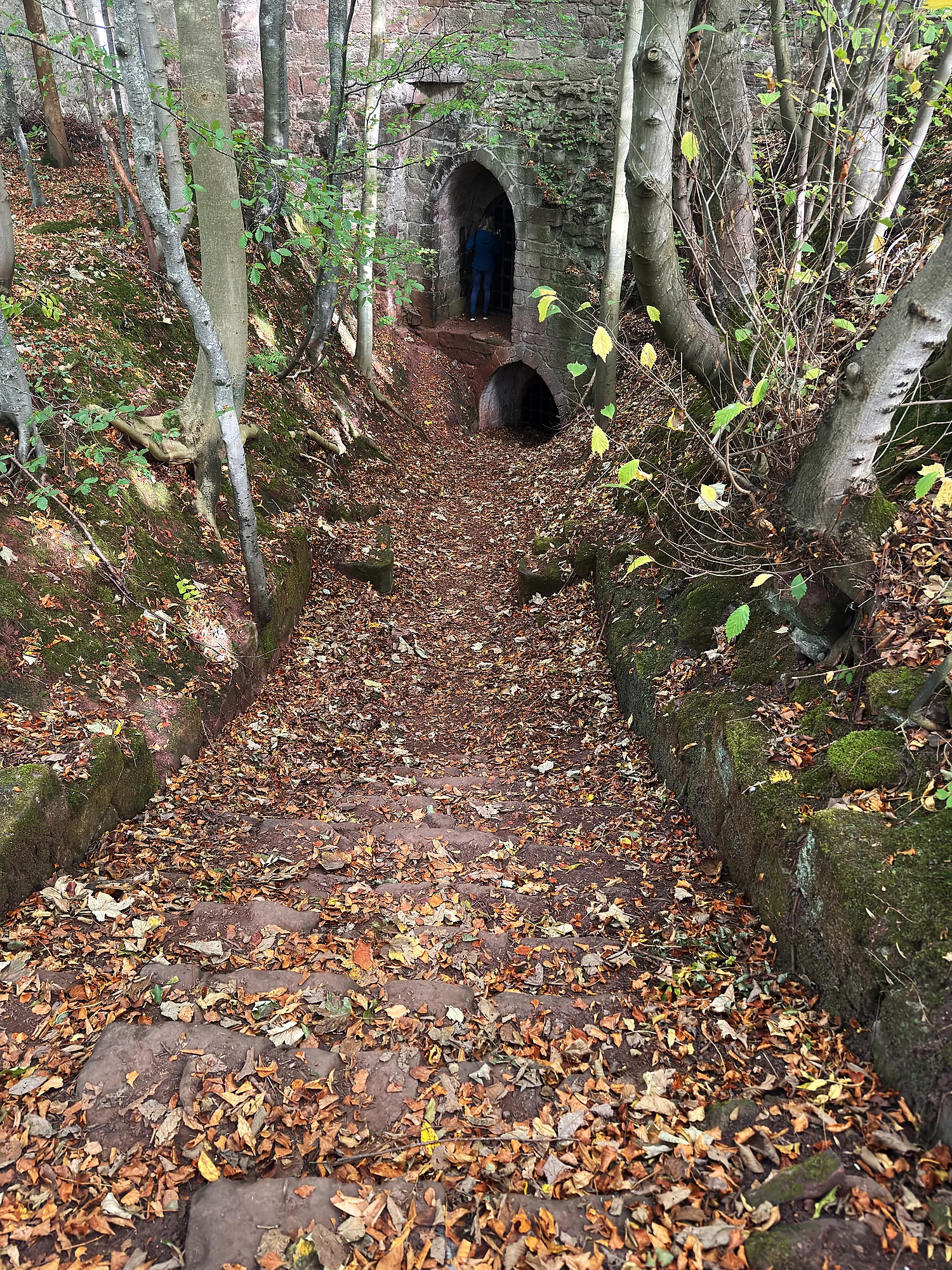
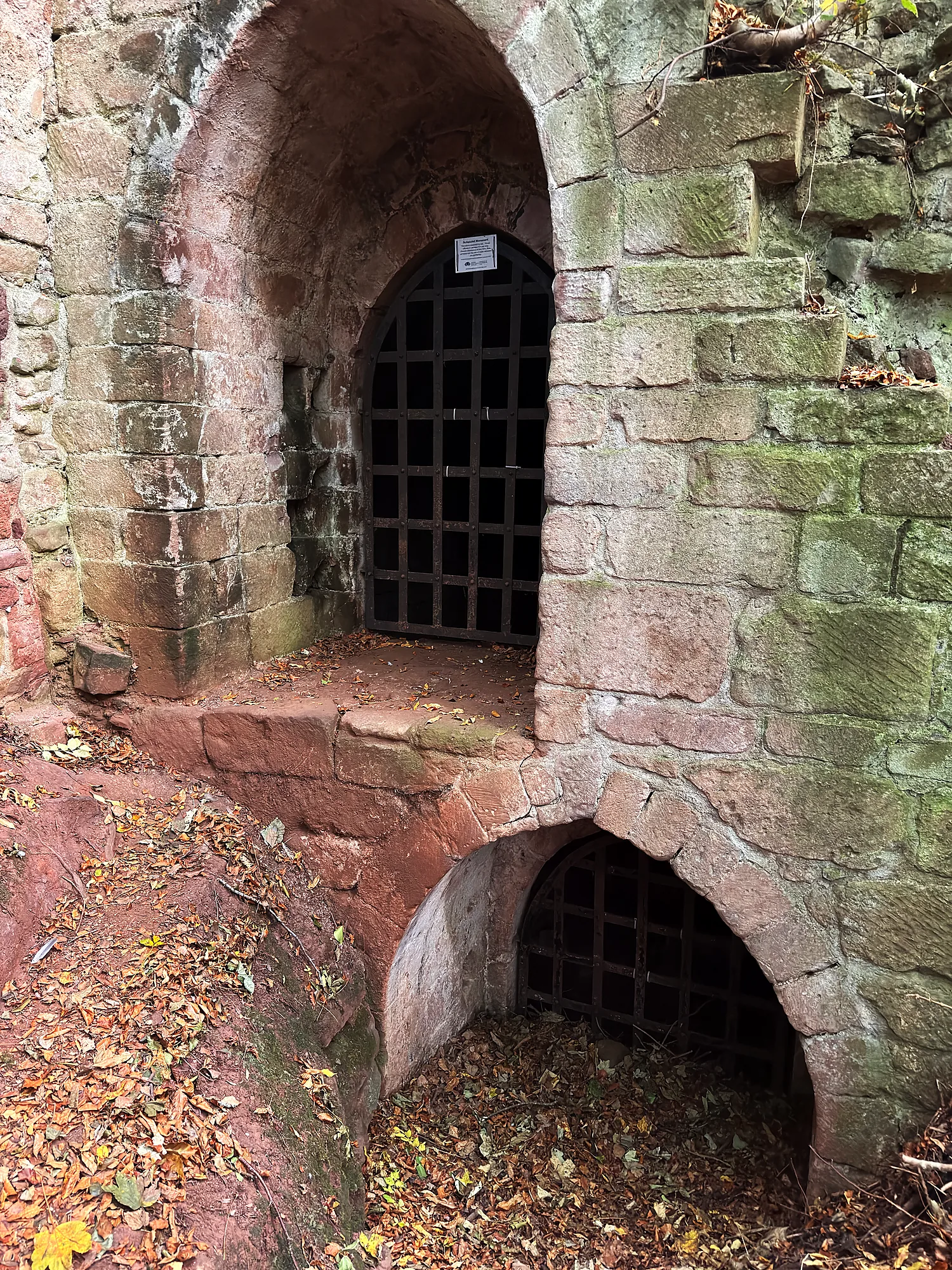
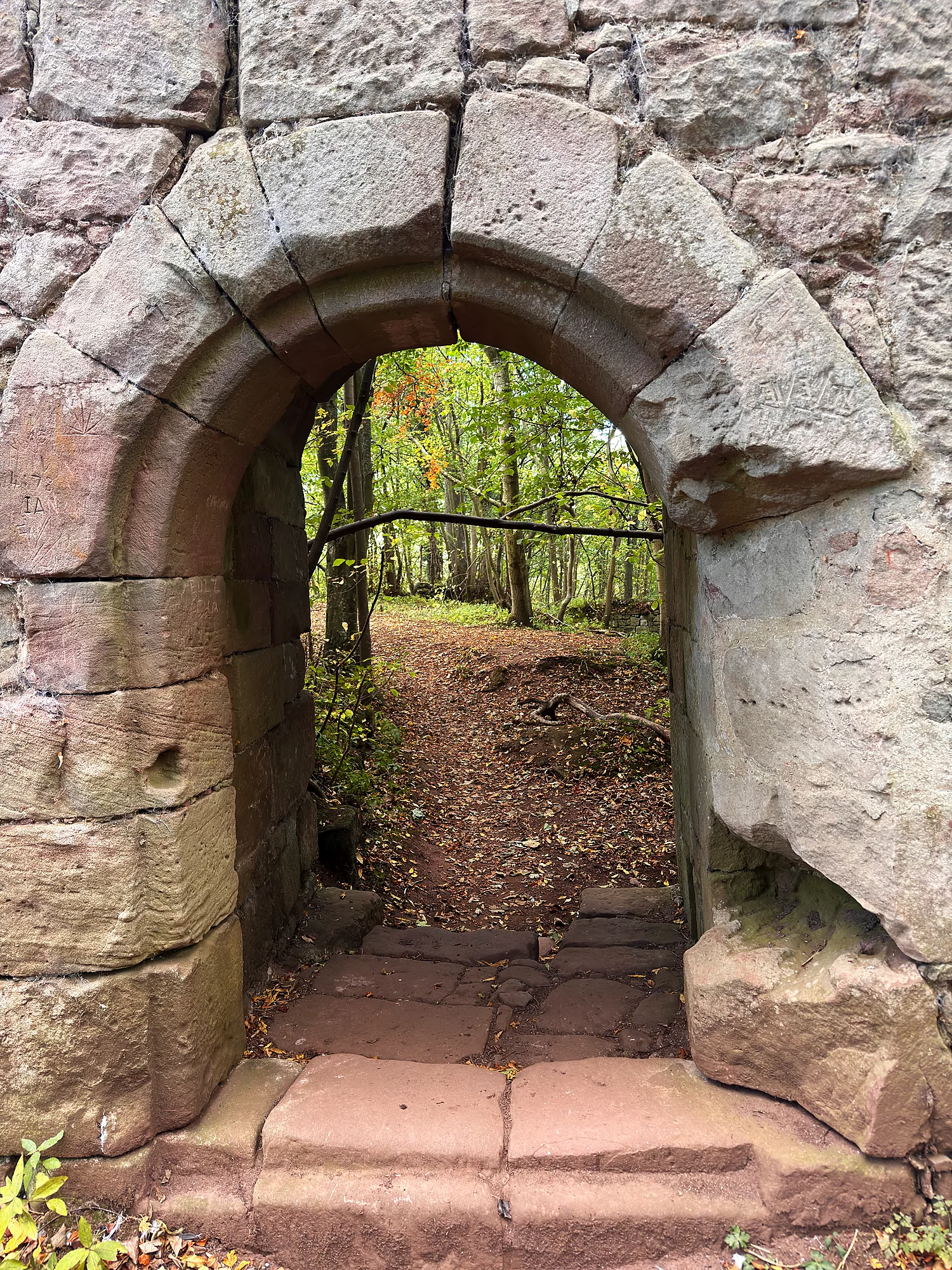
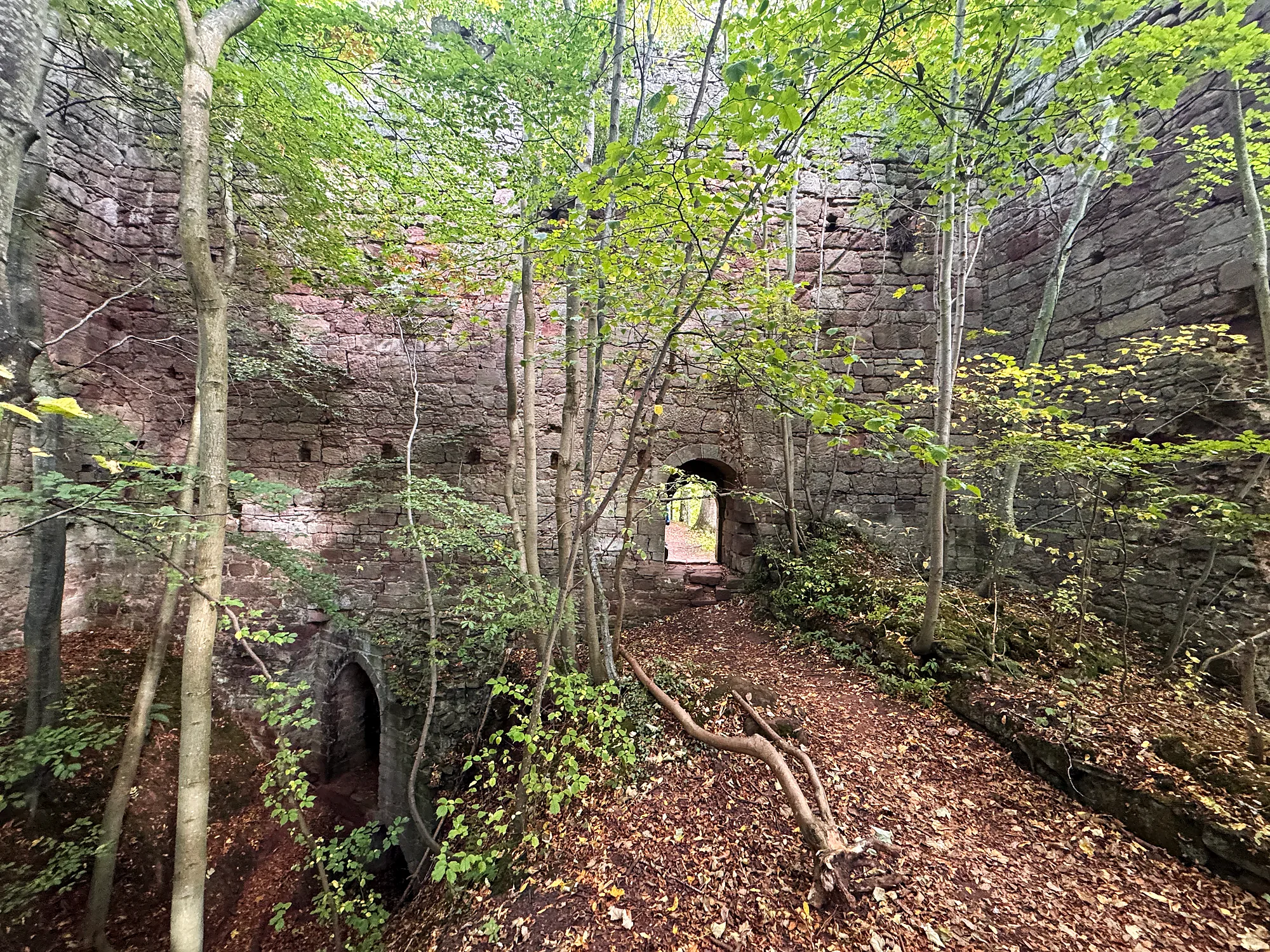
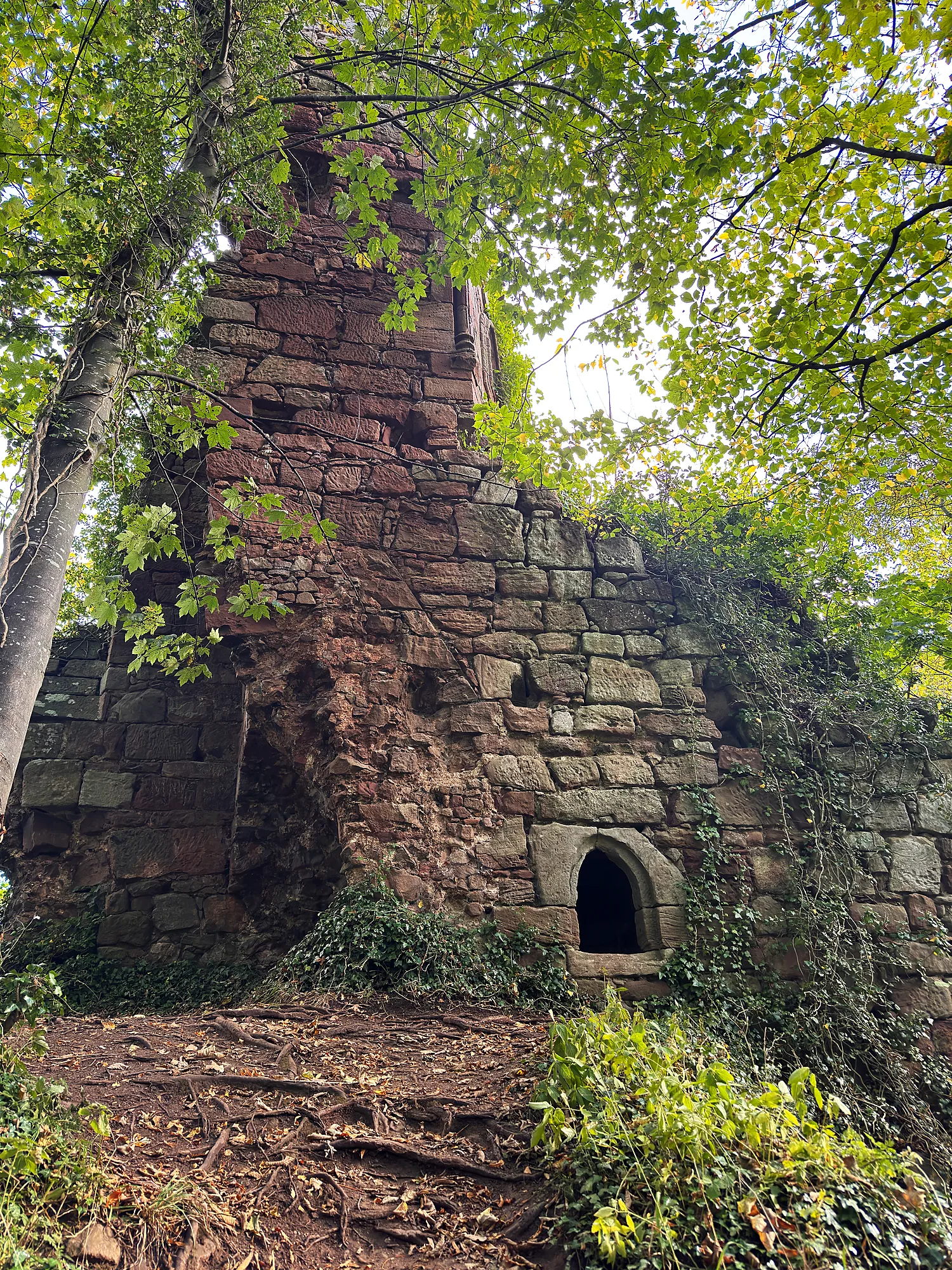
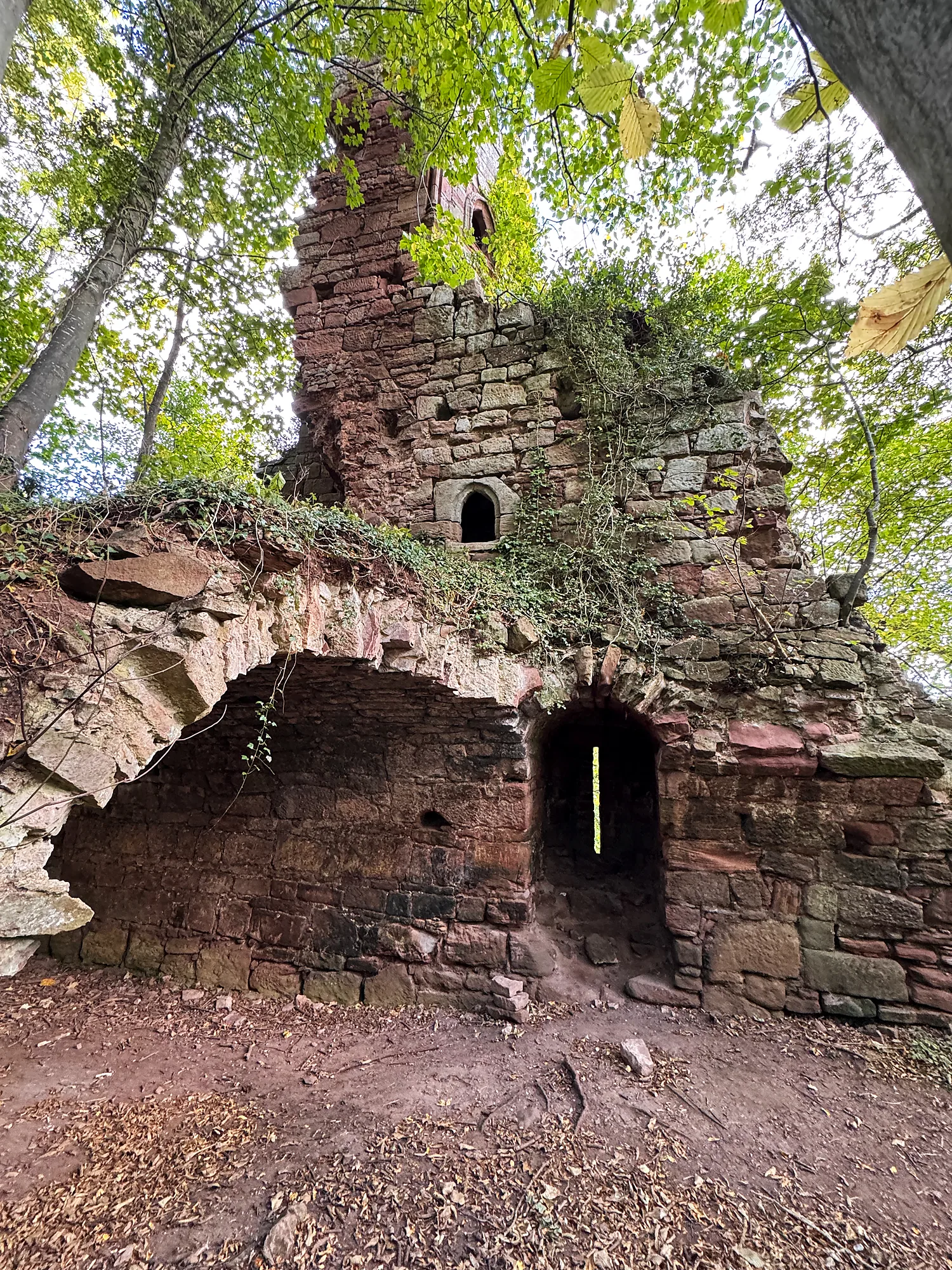
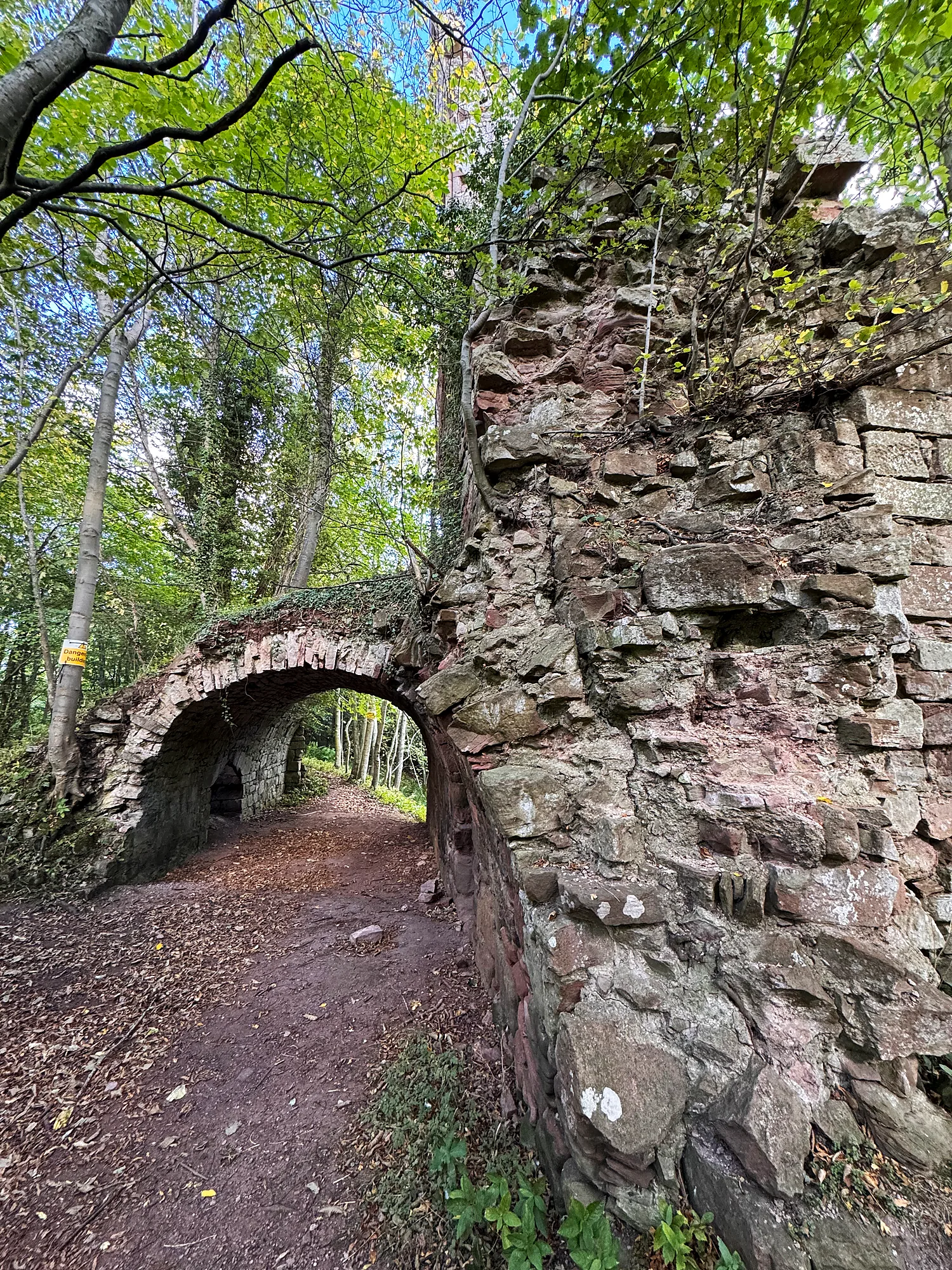
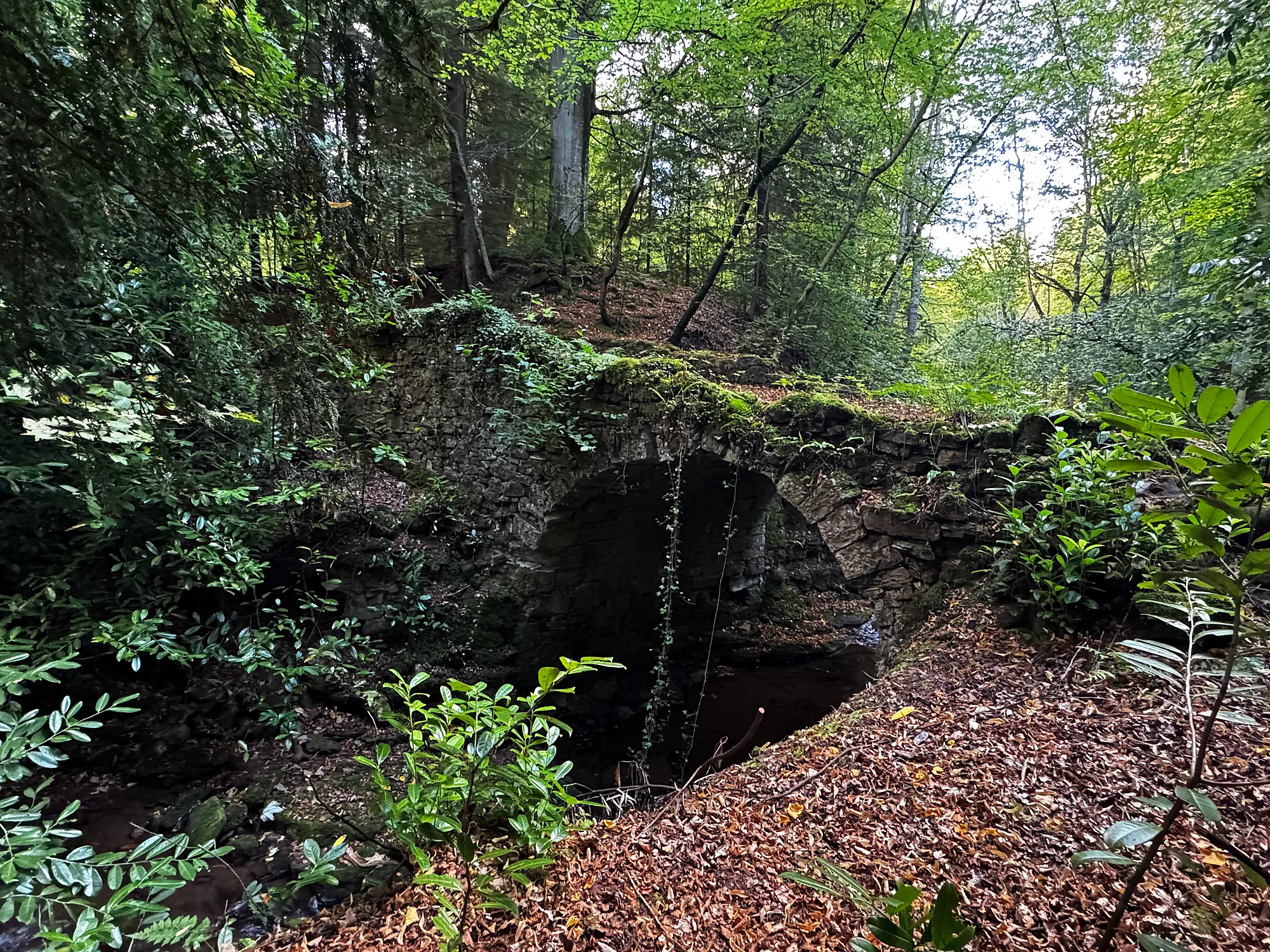
A remarkable vaulted chamber and a castle with a turbulent history. These photographs record our visit; they do not establish that the site is currently open.
WHAT TO EXPECT
01 / THE STORY
A woodland walk of around an hour, hidden ruins and a hall supposedly built by goblins. Near Gifford in East Lothian, Yester Castle brings medieval architecture together with stories of magic.
The estate’s history predates the surviving stone ruins. In 1166 William I, the Lion, confirmed a grant of the lands of Yester to Hugh Giffard. This records land ownership, rather than an exact construction date for the present castle.
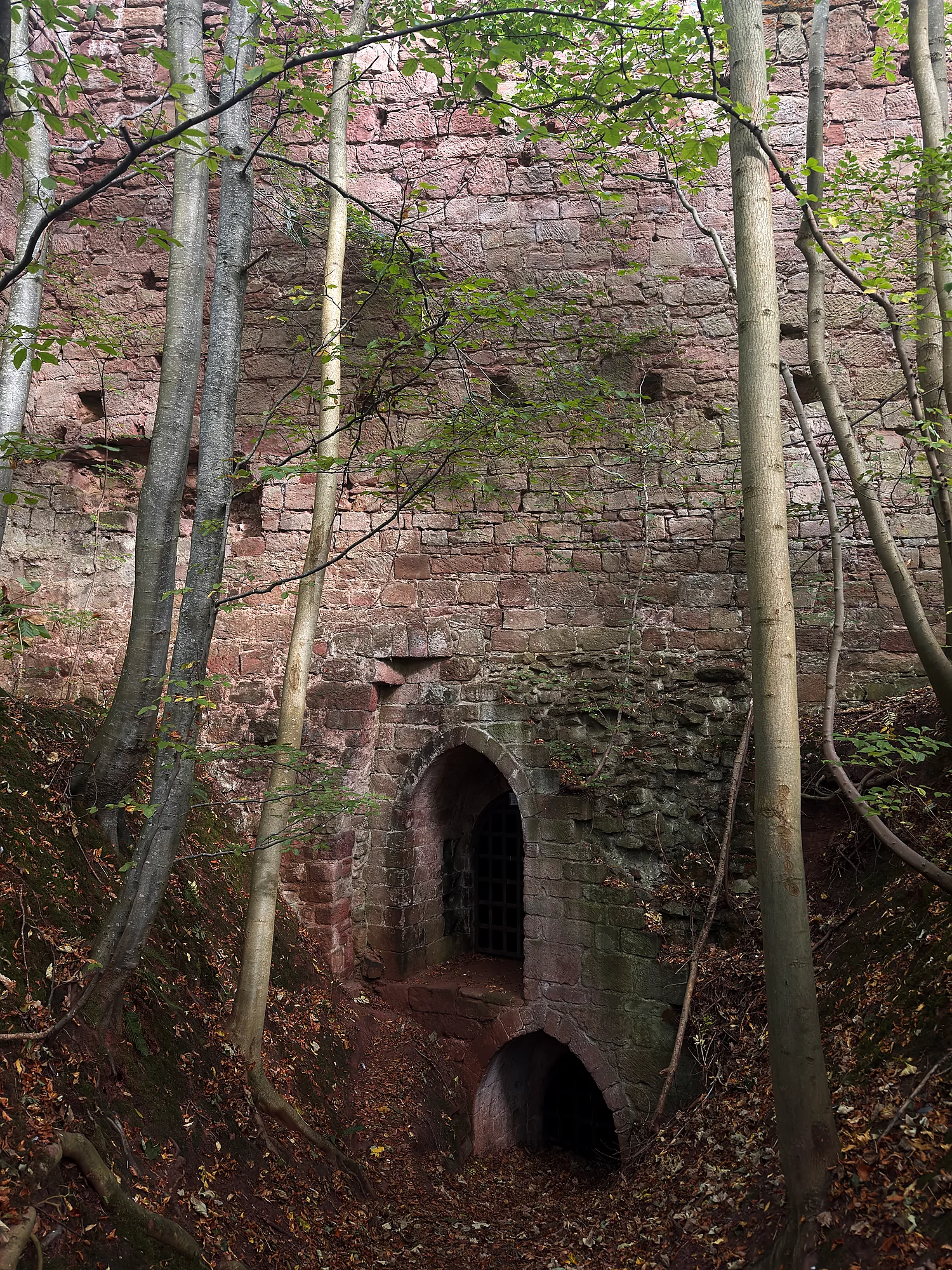
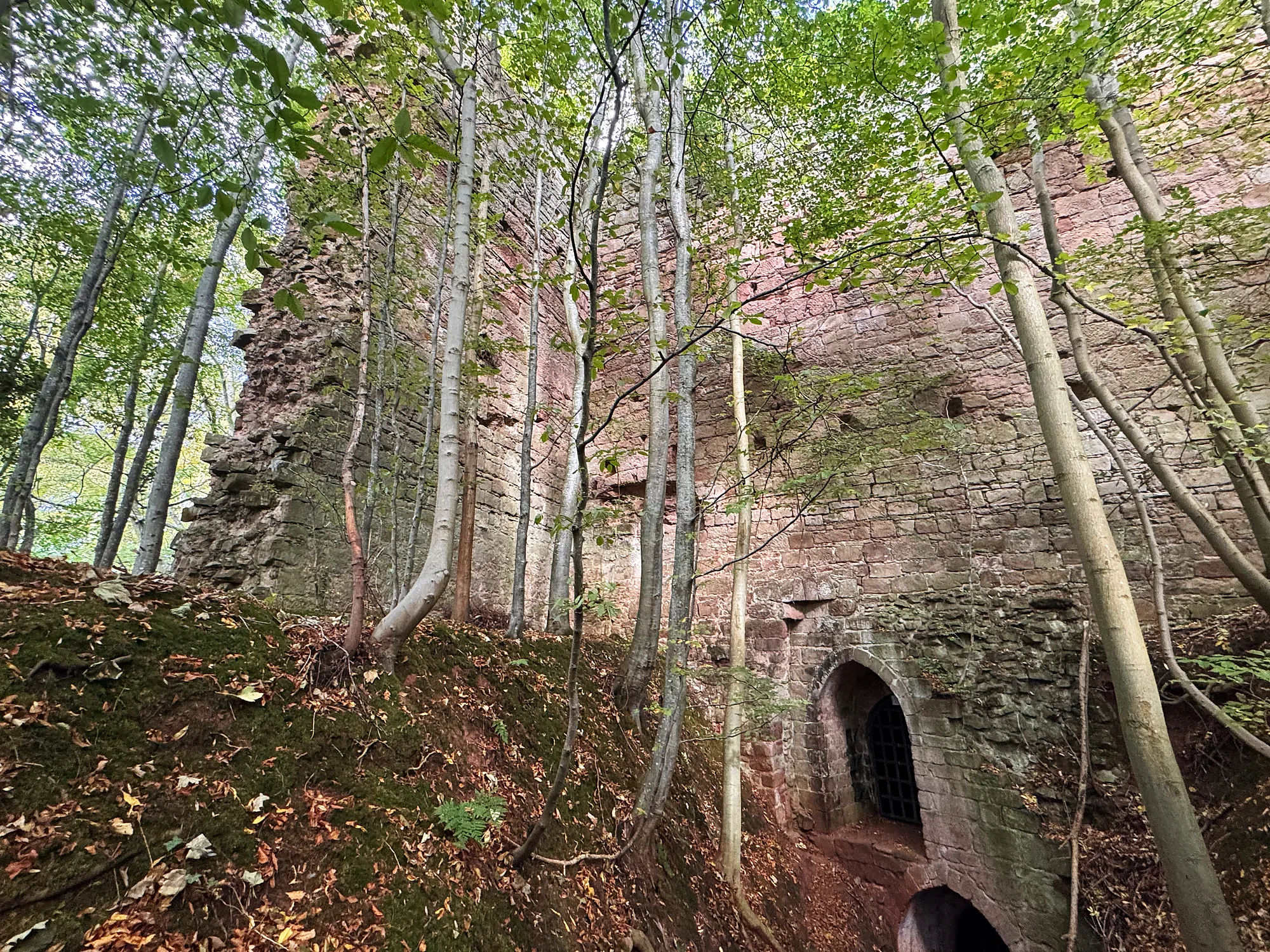
Goblin Hall is interpreted as the surviving lower storey of a 13th-century tower. During later changes to the castle, its upper structure disappeared and the chamber was covered over. The walls visible today therefore belong to more than one period: the eastern residential range is dated to the end of the 15th century.
In the 14th century the lands passed from the Giffards to the Hay family, who remained connected with Yester for centuries.
In 1311 Yester was held by a constable serving Edward II of England, a documented episode in the Wars of Scottish Independence.
The events of 1548 are recorded in greater detail. On 24 February Lord Grey of Wilton took the castle and entrusted it to Sir George Douglas with fifty men. By late April Grey reported a Spanish garrison resisting the English at Haddington: Yester had evidently been recovered by the Scottish-French forces. In June English correspondence referred to a French prisoner captured at Yester, indicating another English takeover.
This was the Rough Wooing, the war linked to attempts to impose a marriage between Mary, Queen of Scots, and the English heir. Today’s quiet ruins were then part of the struggle for control of East Lothian.
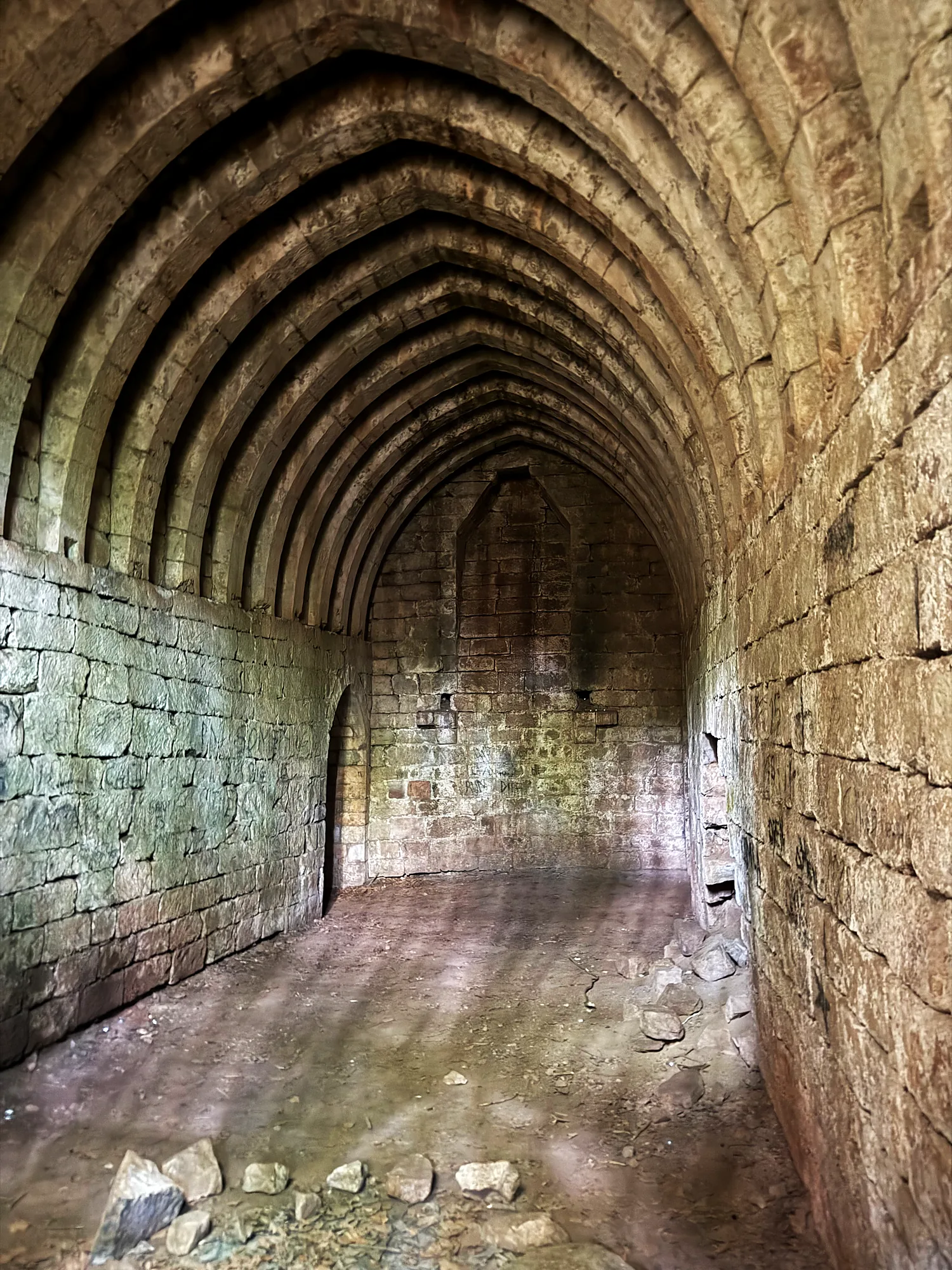
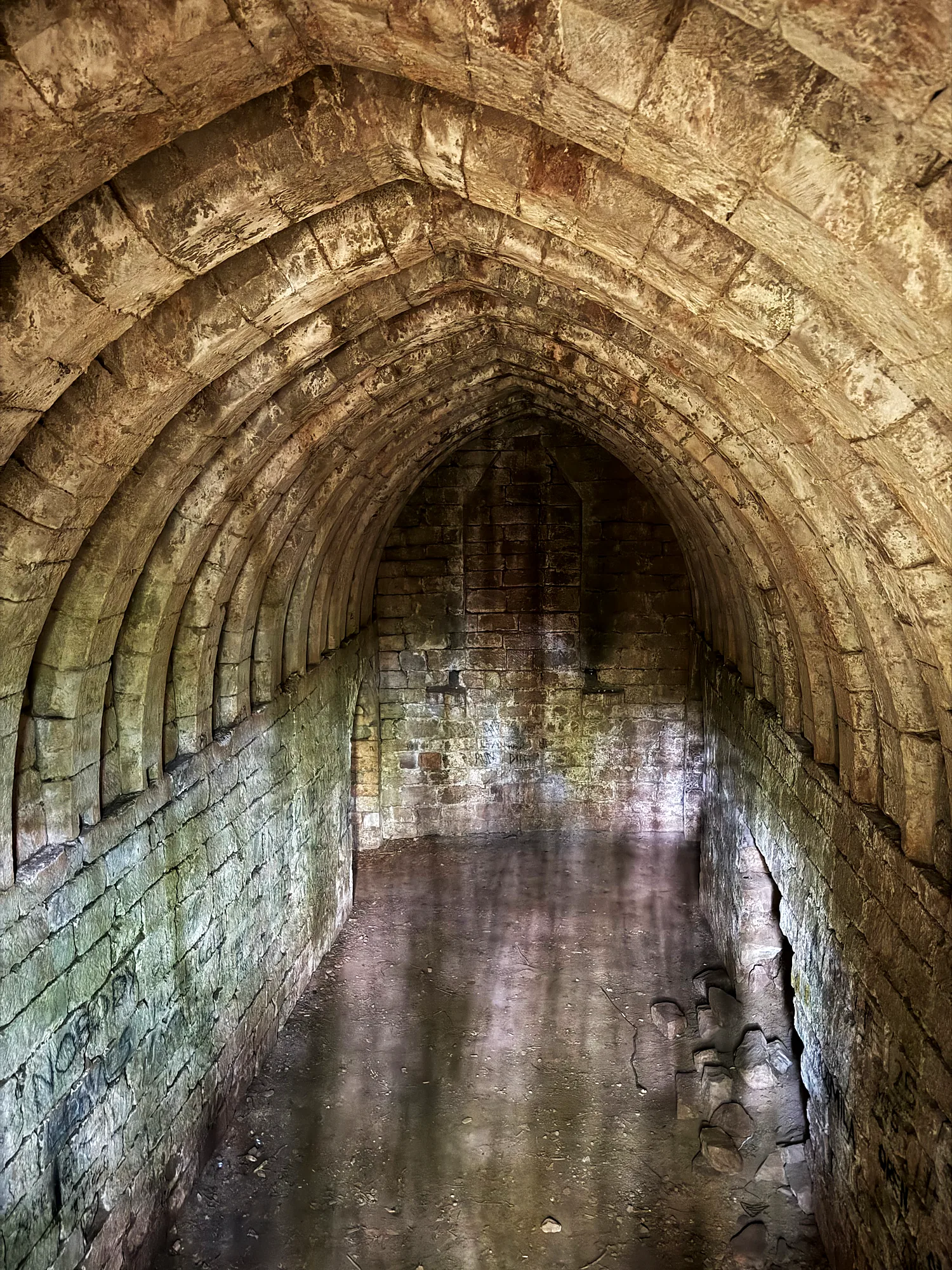
The chamber measures roughly 11.3 m by 4 m. Its pointed stone vault is reinforced by substantial ribs. Remains of a fireplace and beam sockets for a former timber floor show that the interior was used and once divided into two levels.
The purpose of some lower passages remains uncertain. Describing the lower space as a well is a historical interpretation, rather than a conclusively established function.
Yester ceased to serve as the principal residence during the 16th century, but the exact date remains uncertain. The older inventory places its abandonment as a residence after the Reformation. The later Yester House is a separate residence, rather than a restoration of these ruins.
02 / VISUAL JOURNAL
Every photograph on this page was taken by CastleScotland during visits to the site.
10 of 25 photographs
01 / THE STORY CONTINUES
Goblin Hall, also called Goblin Ha’ or Hobgoblin Ha’, is Yester’s outstanding feature. This vaulted chamber, now below ground, survives despite the loss of much of the castle. Its stone vault provides an evocative setting for the legend associated with the site.
The castle is linked with the 13th-century Hugo de Giffard, remembered in tradition as the “Wizard of Yester”. According to the legend, he summoned supernatural beings and compelled them to build the hall. Goblins laid the stones, working under his spells. This is folklore, rather than a verified account of its construction.
Another story concerns the “Staircase to Hell”. Descending steps were associated with a well, but their sinister nickname gave the place another layer of mystery. The name should not be taken as evidence of a passage to another world.
Walter Scott included the legend in the third canto of “Marmion”, describing supernatural builders working under Hugo’s spell. It is a memorable example of Yester’s folklore finding its way into Scottish literature.
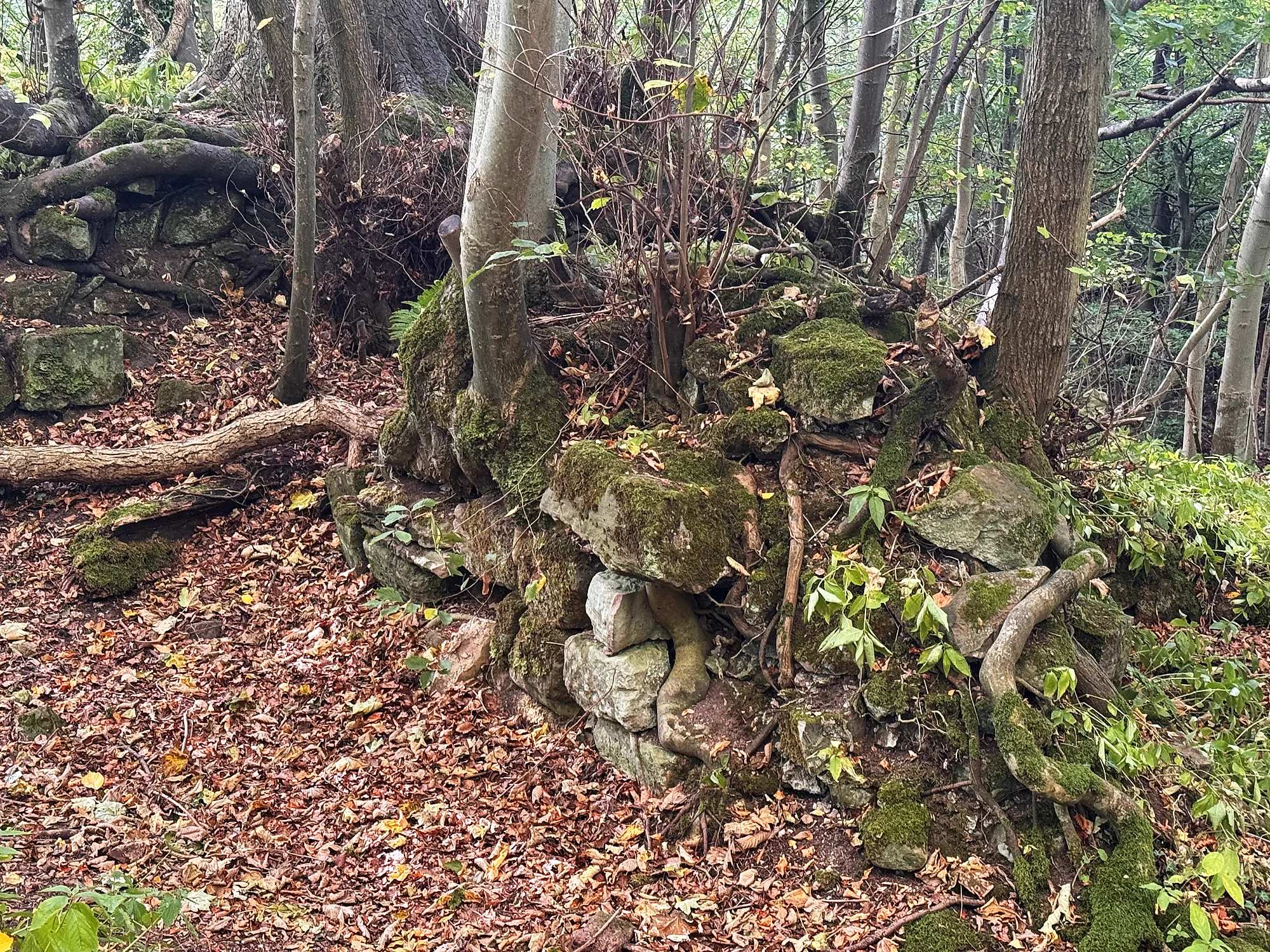
Fragments of the castle walls and buildings remain above ground. The ruins occupy a promontory at the meeting of watercourses, a setting that helps explain their defensive position. Yester Castle and its vaulted chamber are protected as a nationally important monument.
08 / EXPLORE NEXT
Find Scottish castles by region, landscape or the stories that bring them to life.
 Edinburgh and the LothiansPreston Tower
  Edinburgh & The LothiansLauriston Castle
  Scottish BordersFatlips Castle