Visitor conditions are stated conservatively from current official or local guidance; always confirm before travel.
View current prices
Exterior viewingNo public interior ticket; view only where access is permitted.
Castle
FIELD GUIDE · EDINBURGH & THE LOTHIANS
A Scottish castle story. Read through its landscape.
PLAN YOUR VISIT
Near Gullane, East Lothian
Visitor conditions are stated conservatively from current official or local guidance; always confirm before travel.
Exterior viewingNo public interior ticket; view only where access is permitted.
No public interior ticket; view only where access is permitted.
Parking information
Large, free public car park. About 15 minutes from the castle.
Updated parking information
Respect private property and keep away from unstable masonry.
A specialist but atmospheric East Lothian ruin, most rewarding when read as a courtyard home rather than a miniature military castle.
WHAT TO EXPECT
01 / THE STORY
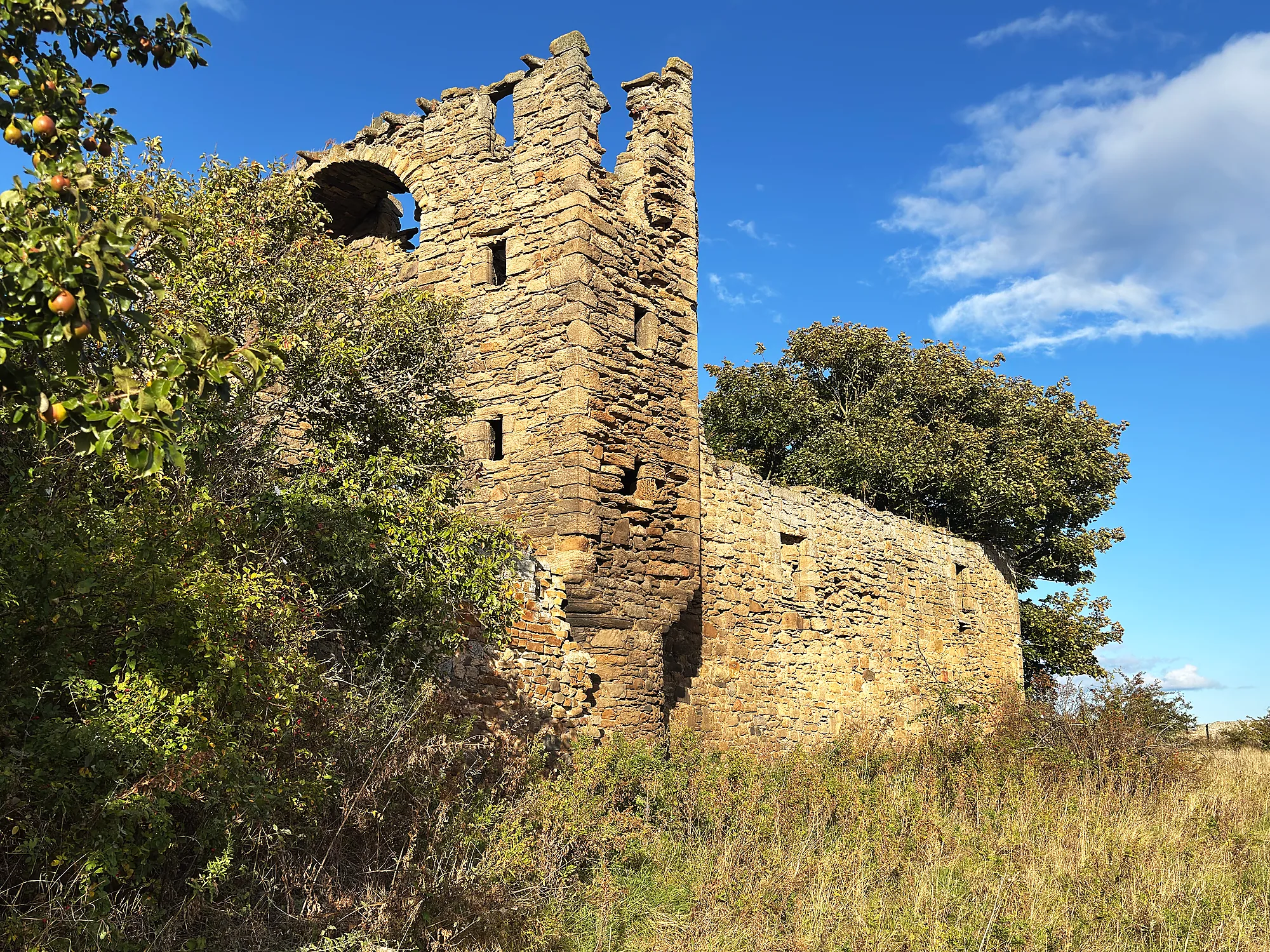
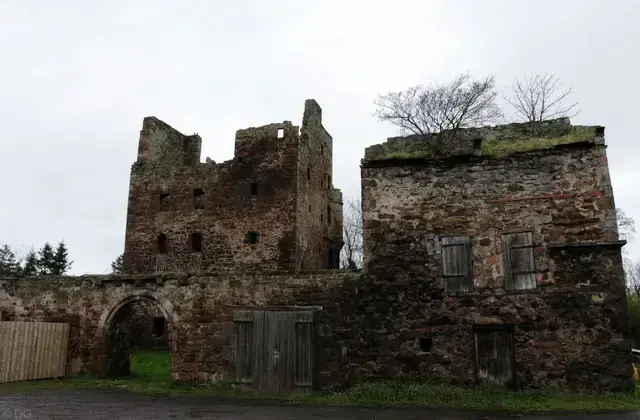
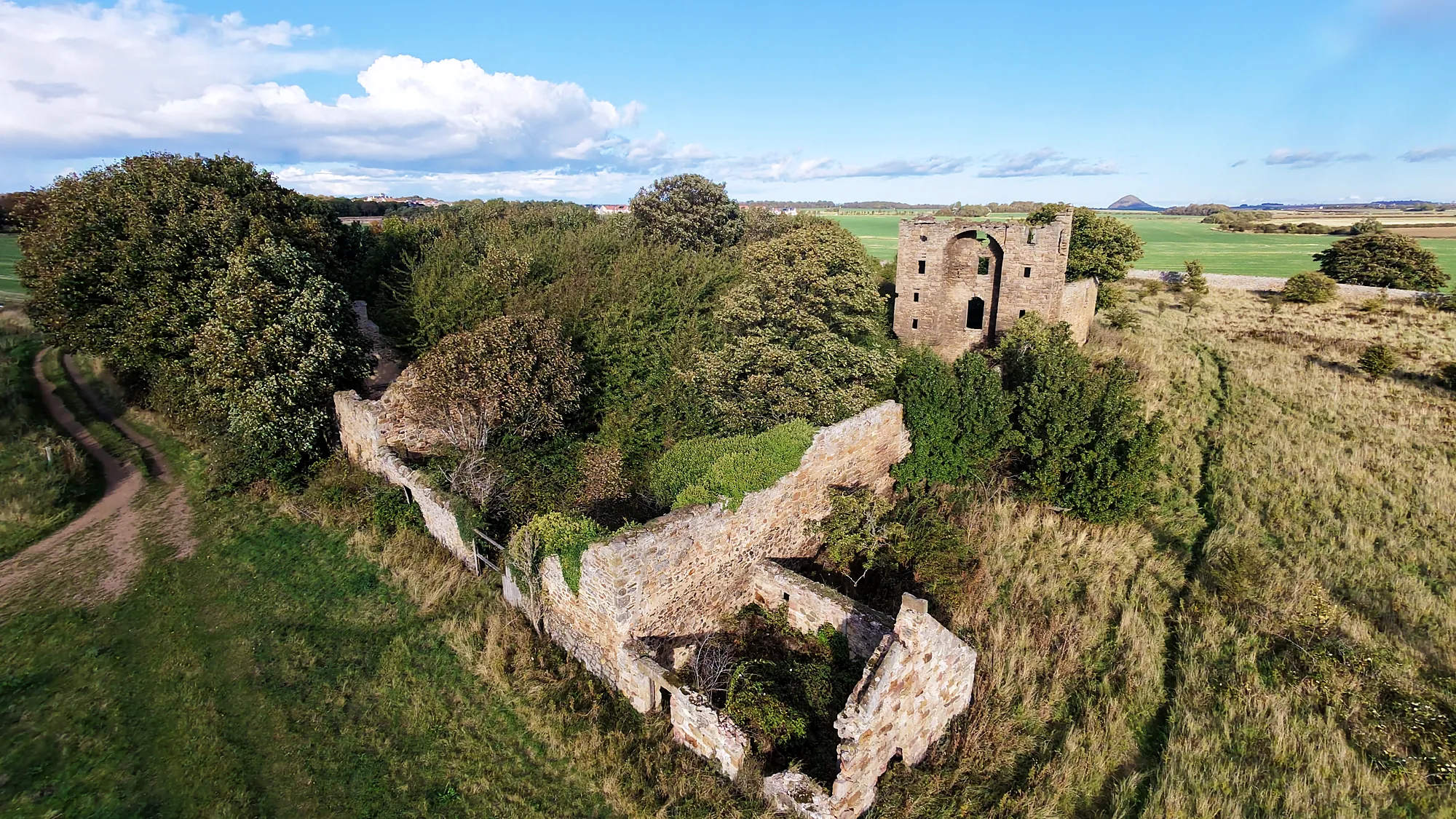
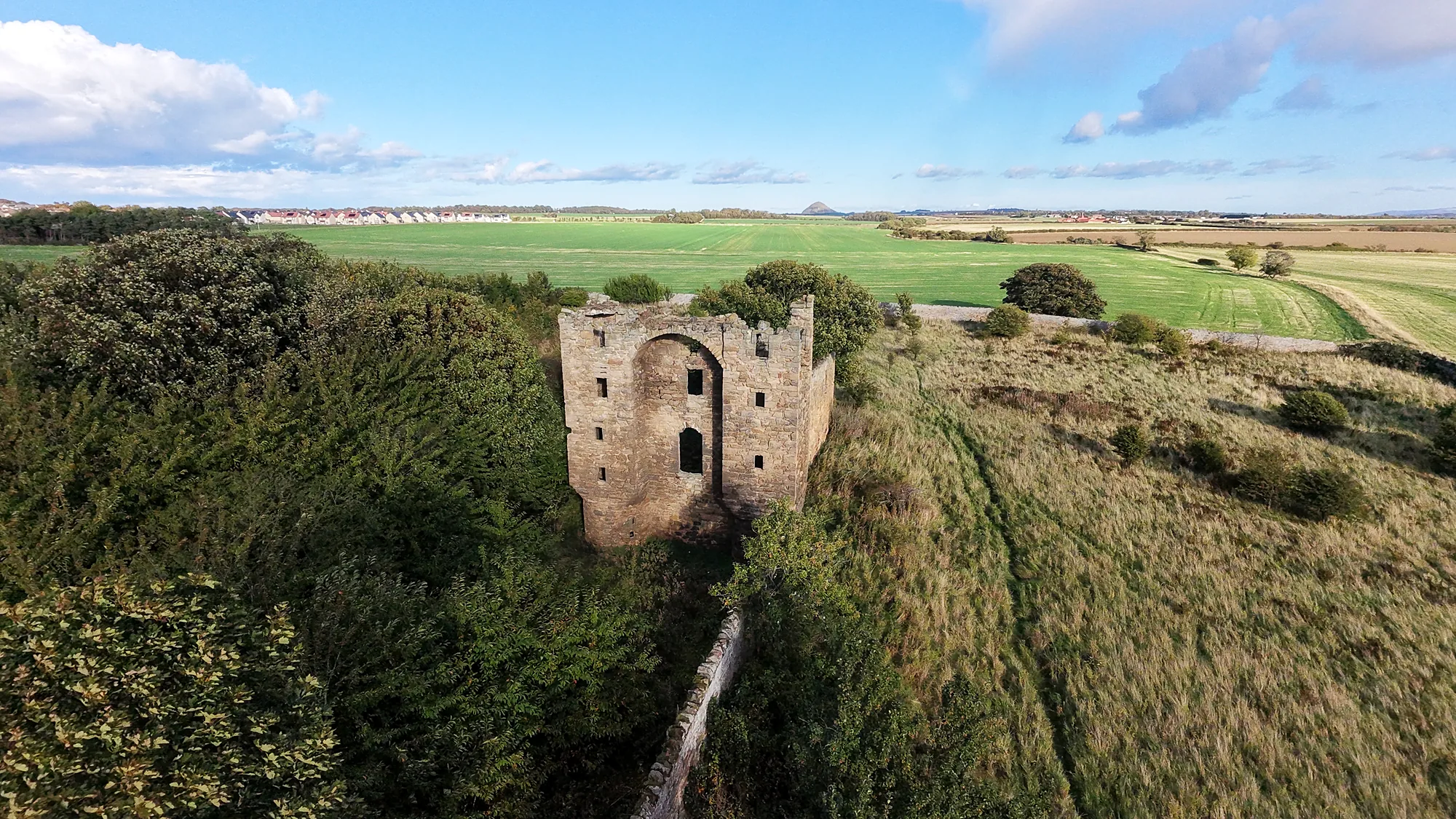
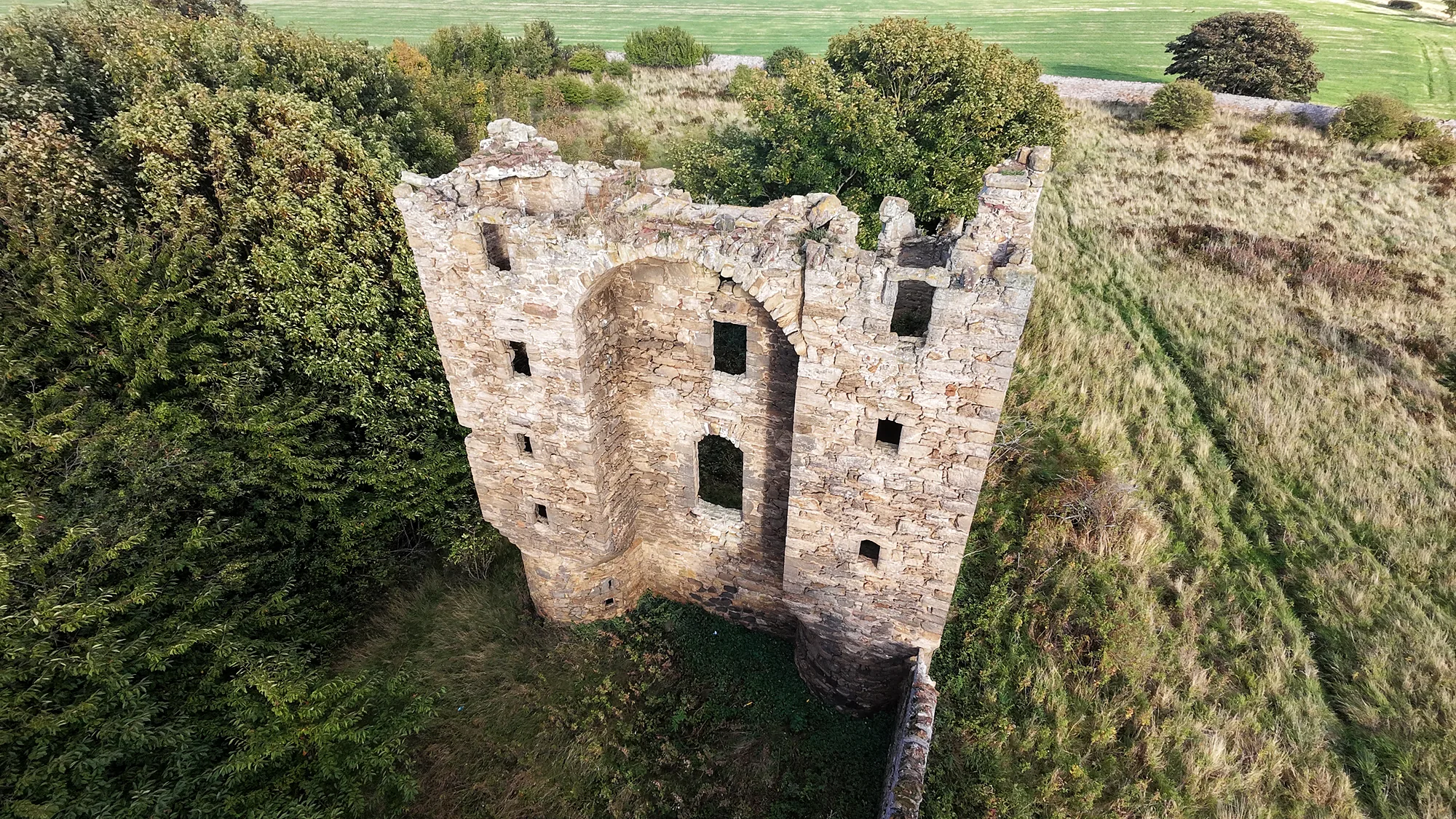
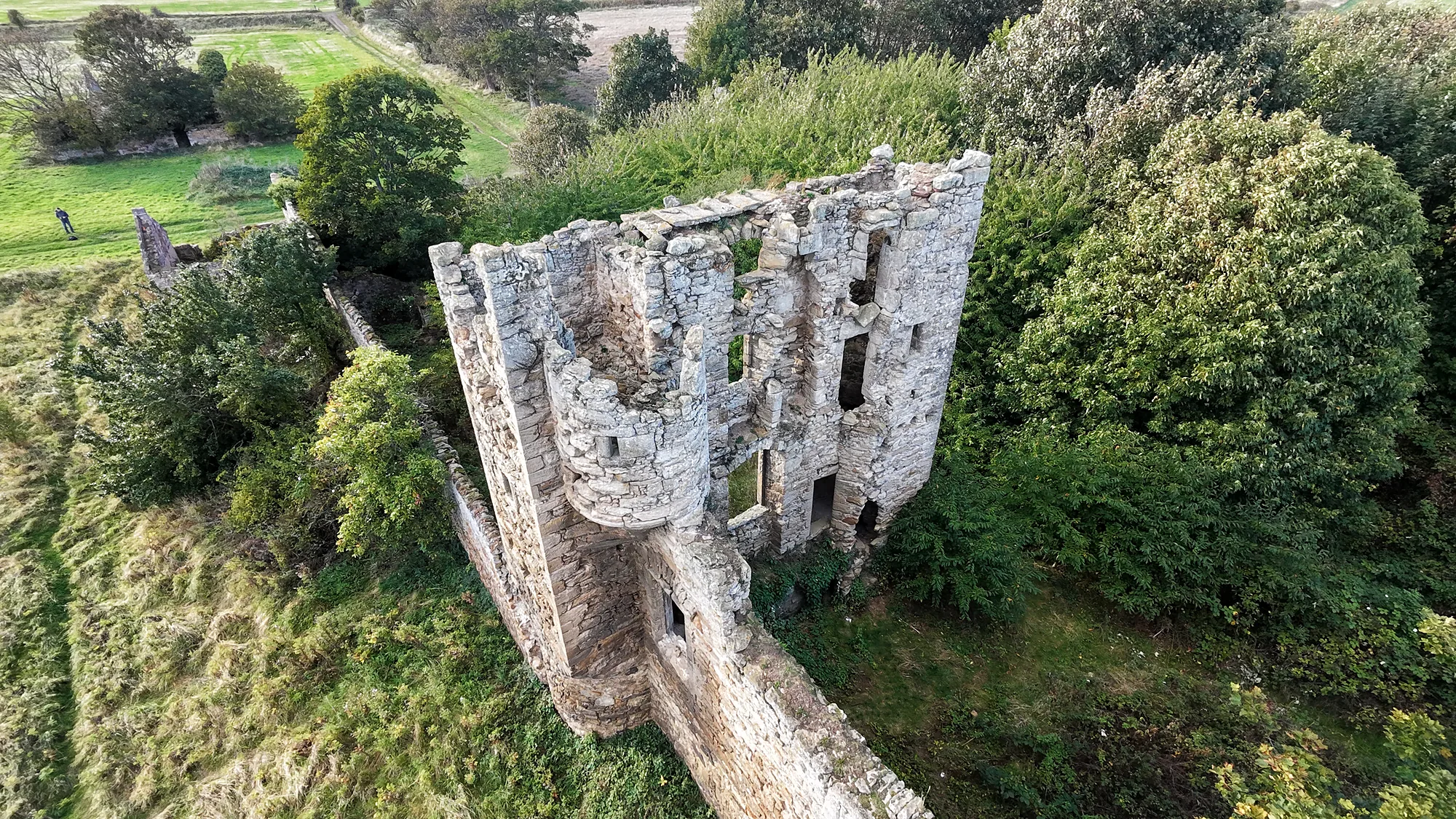
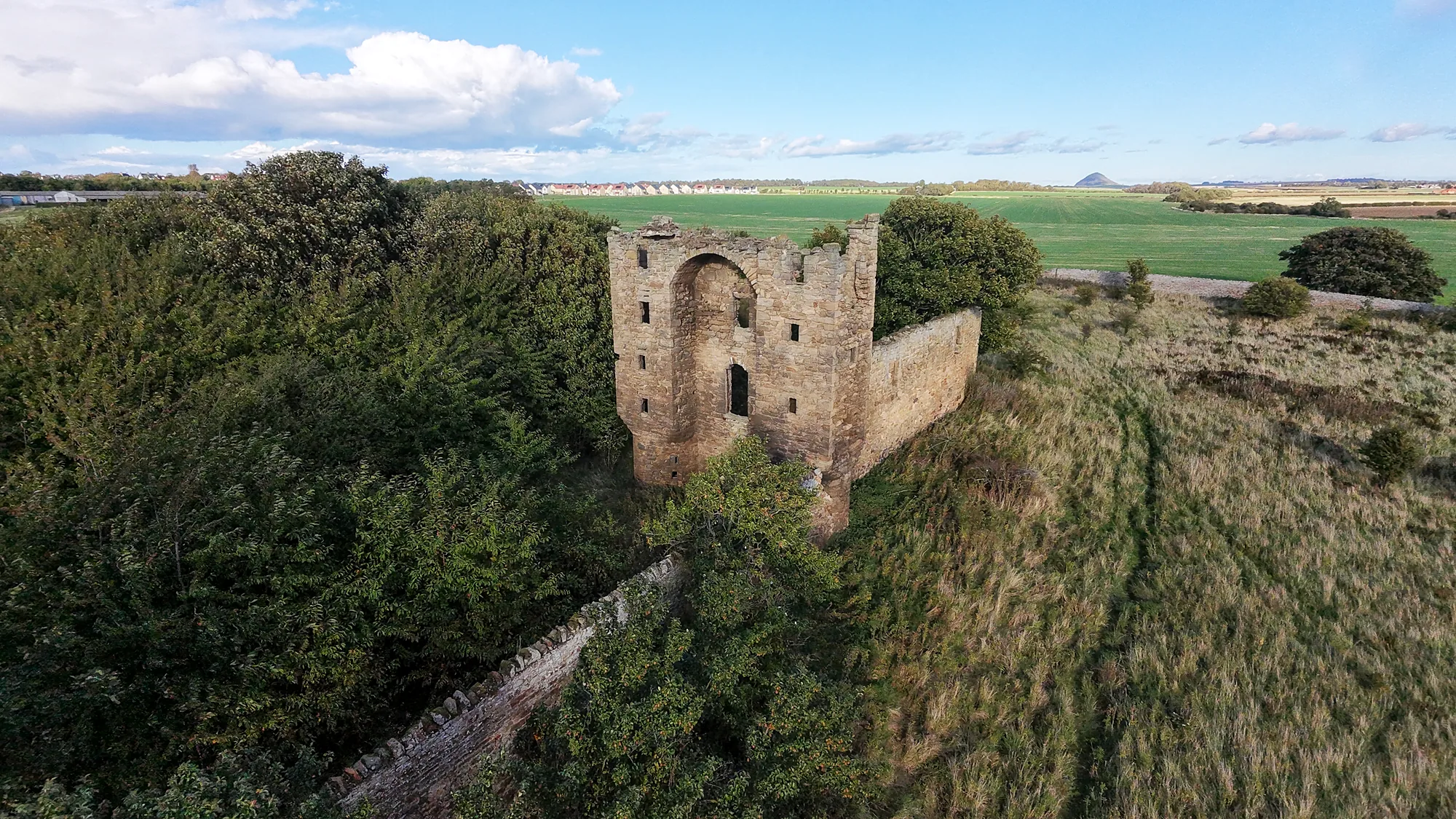
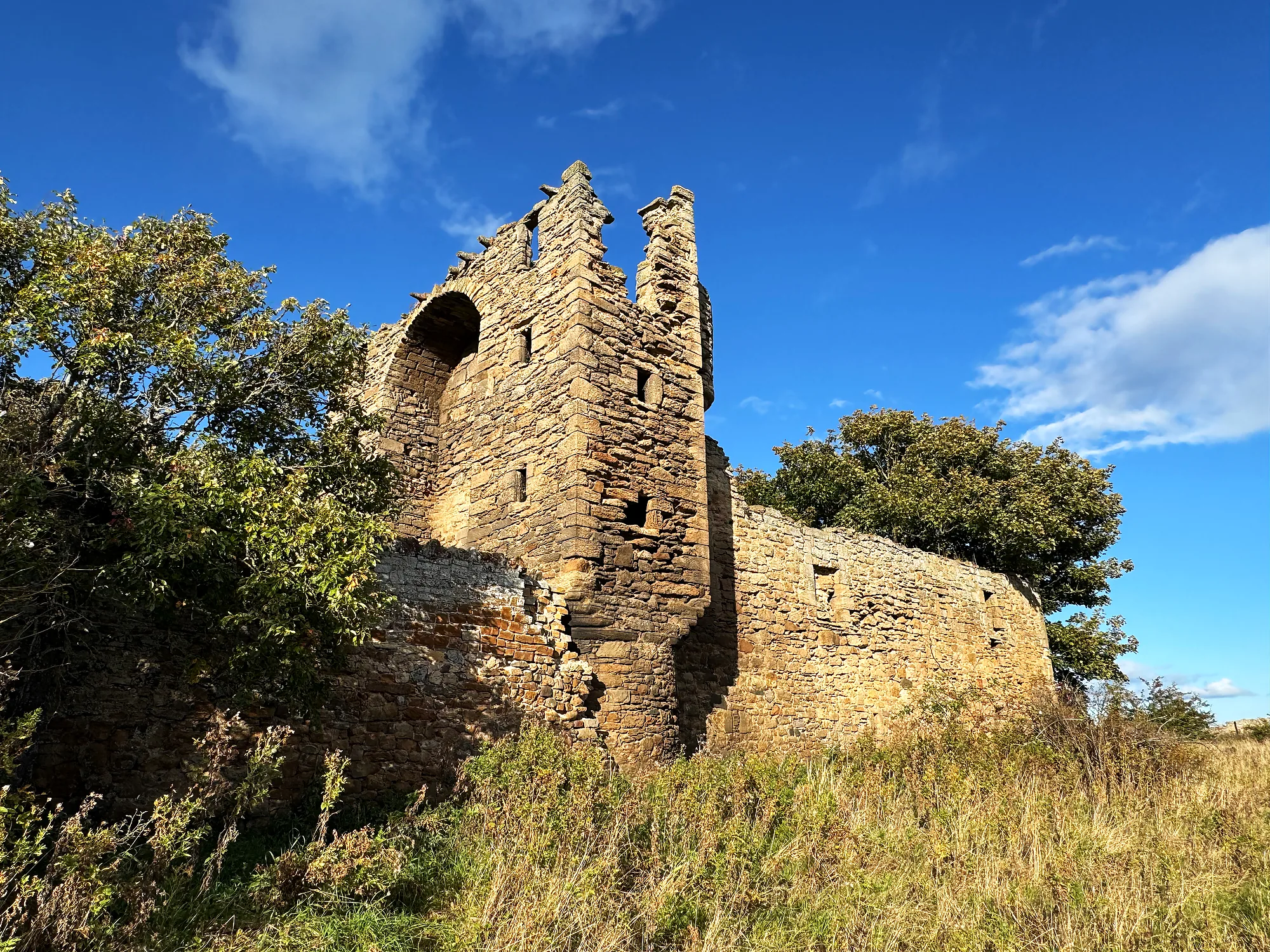
Saltcoats Castle survives as a tall, fragmentary façade in the countryside south of Gullane. Its gatehouse-like appearance suggests a fortress, but the remains belonged to a courtyard residence built for daily life as well as display.
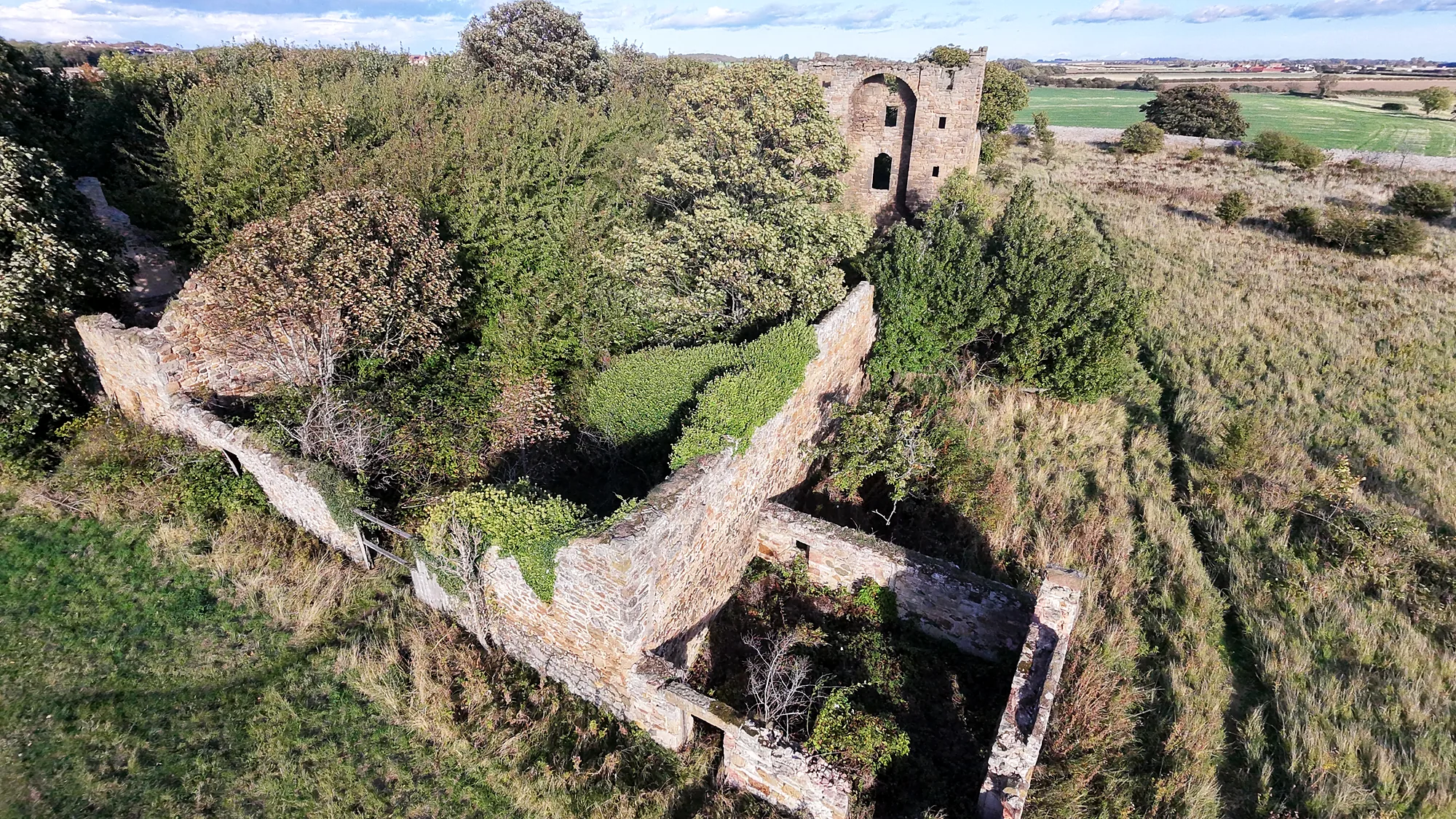
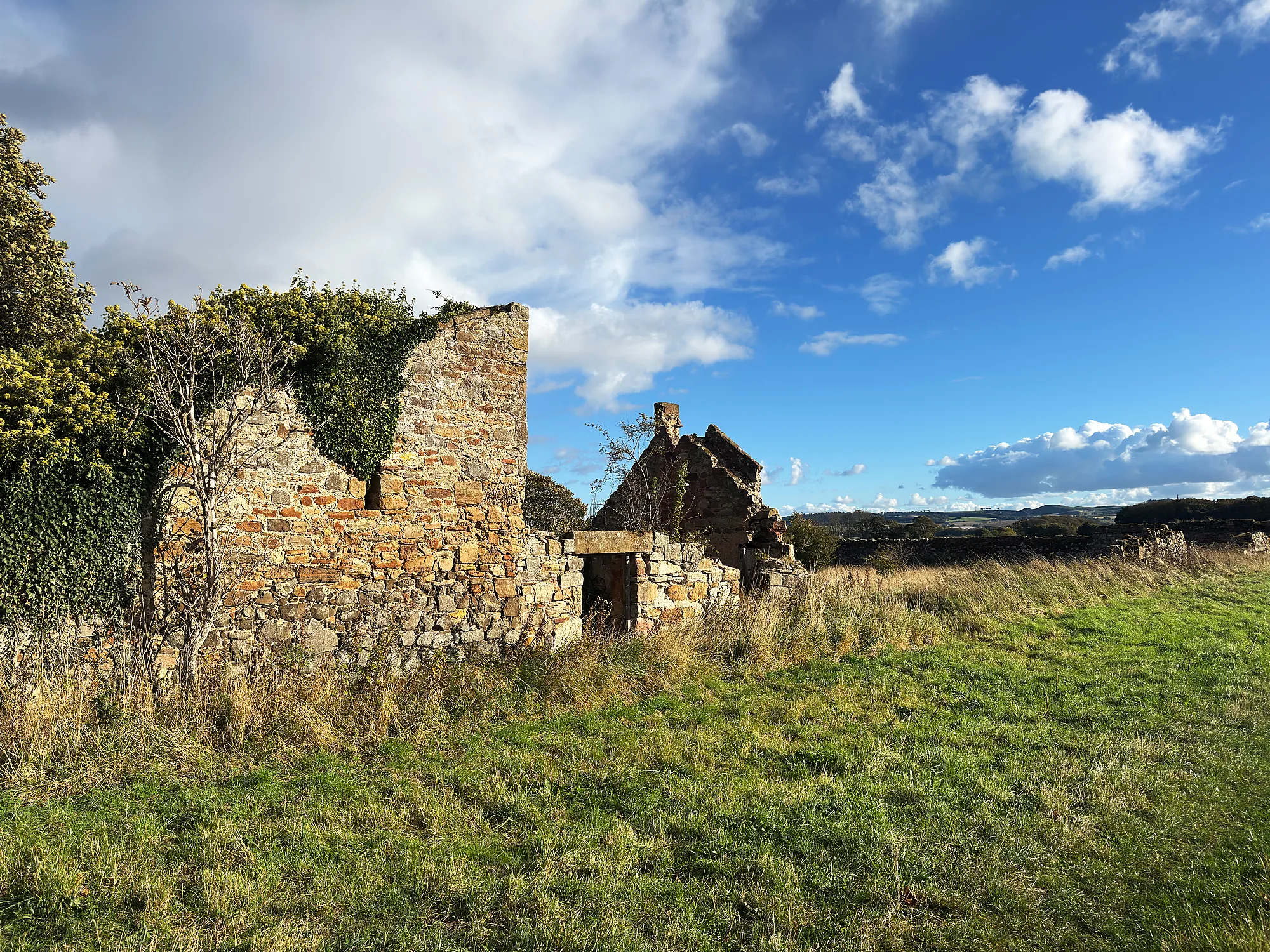
The quieter clues are the most useful: a probable kitchen, a dovecot and walls that once enclosed a working household.
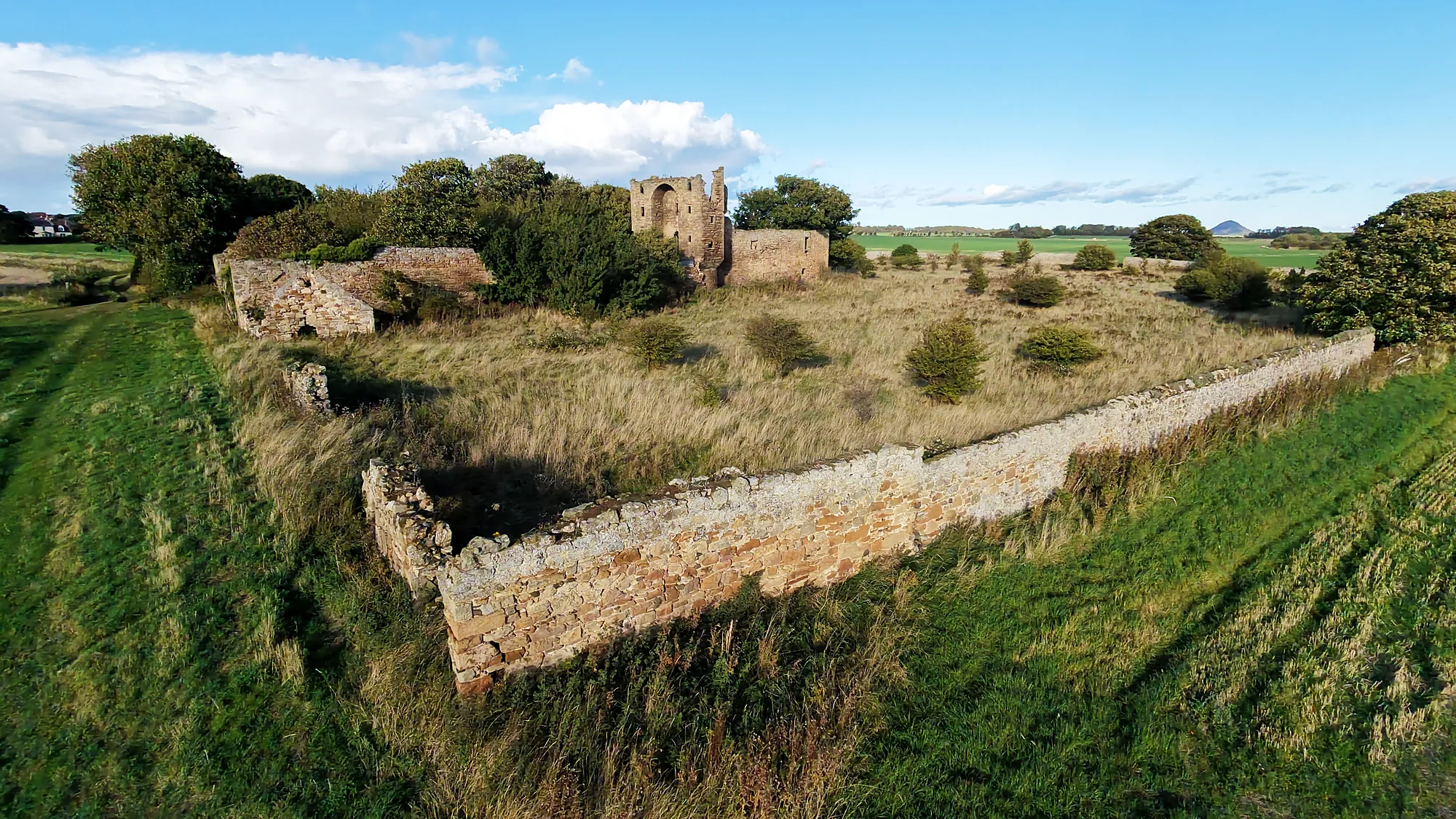
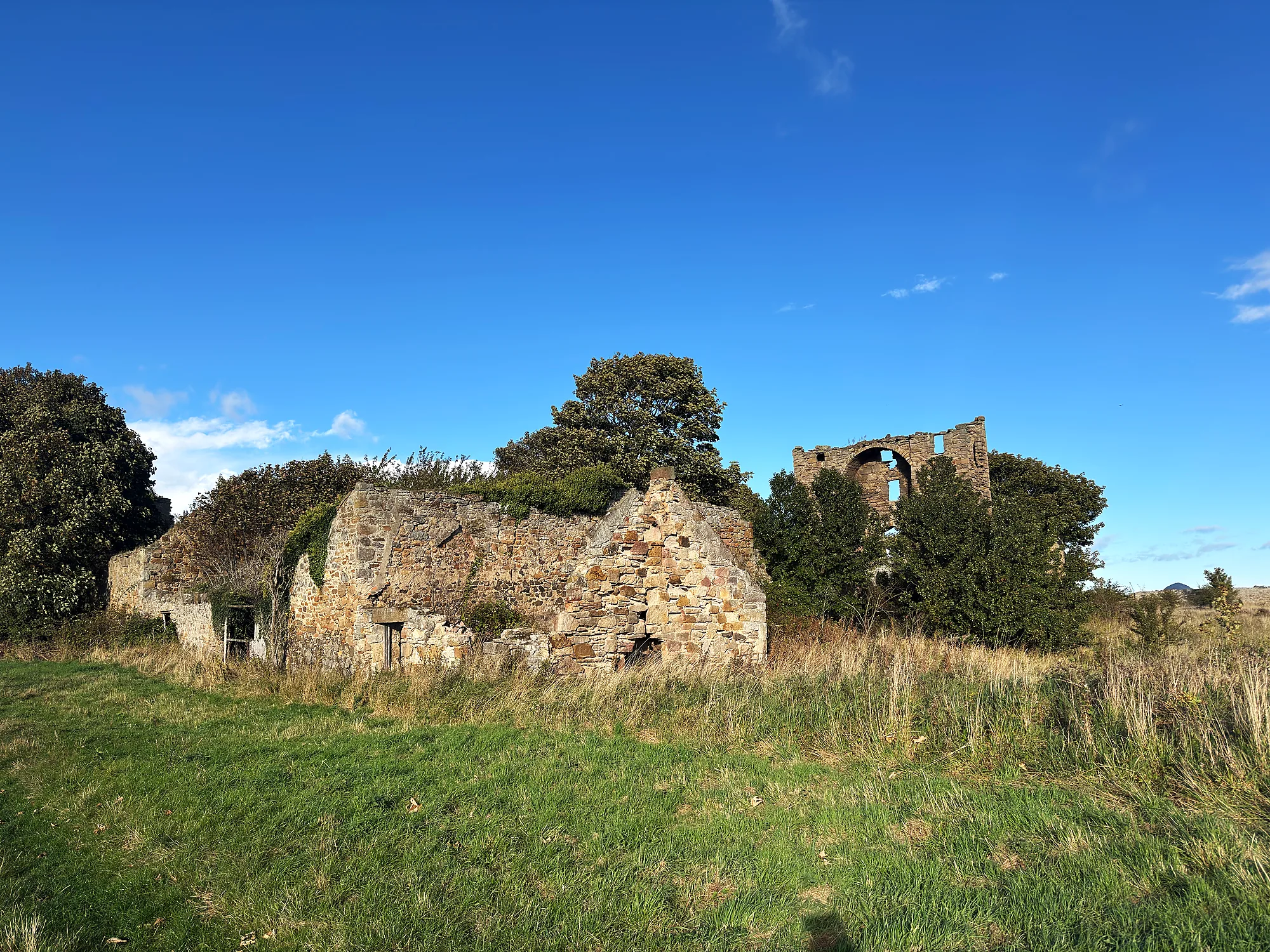
This is a place for visitors who enjoy reading fragments rather than walking through complete rooms. The tall frontage is the visual hook; the surrounding remains explain that it belonged to a larger arrangement.
View it responsibly from permitted ground. The condition of the ruin and access to private land matter more than finding the closest possible photograph.
The principal surviving residence is associated with the Livingstones of Saltcoats in the late sixteenth century. Its tall façade borrowed the authority of an older gatehouse form.
Architectural display did not have to be the latest fashion. Looking established and defensible could be part of how a landowner presented the family.

02 / VISUAL JOURNAL
Every photograph on this page was taken by CastleScotland during visits to the site.
10 of 12 photographs
01 / THE STORY CONTINUES
A local tale says the family gained its lands after killing a dangerous wild boar. It is a colourful origin story, not a verified record of the grant.
The safest telling keeps the boar alive as folklore without using it to explain the ownership documents.
The dovecot and probable kitchen bring the household into view. Pigeons were a managed food source, not ornamental garden visitors.
Around 1820, partial demolition followed the end of occupation. What survives is only a portion of a home that continued in use into the nineteenth century.
03 / MOMENTS IN STONE
The principal surviving residence is associated with the Livingstones of Saltcoats. The surviving tall façade is part of a larger domestic arrangement.
Partial demolition follows occupation into the early nineteenth century. A local story links the family’s land to the killing of a wild boar; this is tradition, not a verified land grant.
The castle and dovecot are scheduled; the protection continues today. A probable kitchen and the dovecot suggest everyday household activity.
The heraldic panel removed from the castle and reset above a nearby cottage doorway complicates the dating. Accounts have read it differently, commonly suggesting around 1590 or 1592, while Martin Coventry discusses an apparently altered inscription. It is therefore safer to place the main surviving building in the later sixteenth century than to treat one reading as a firmly established year of completion. The panel is evidence to interpret, not an unambiguous foundation certificate.
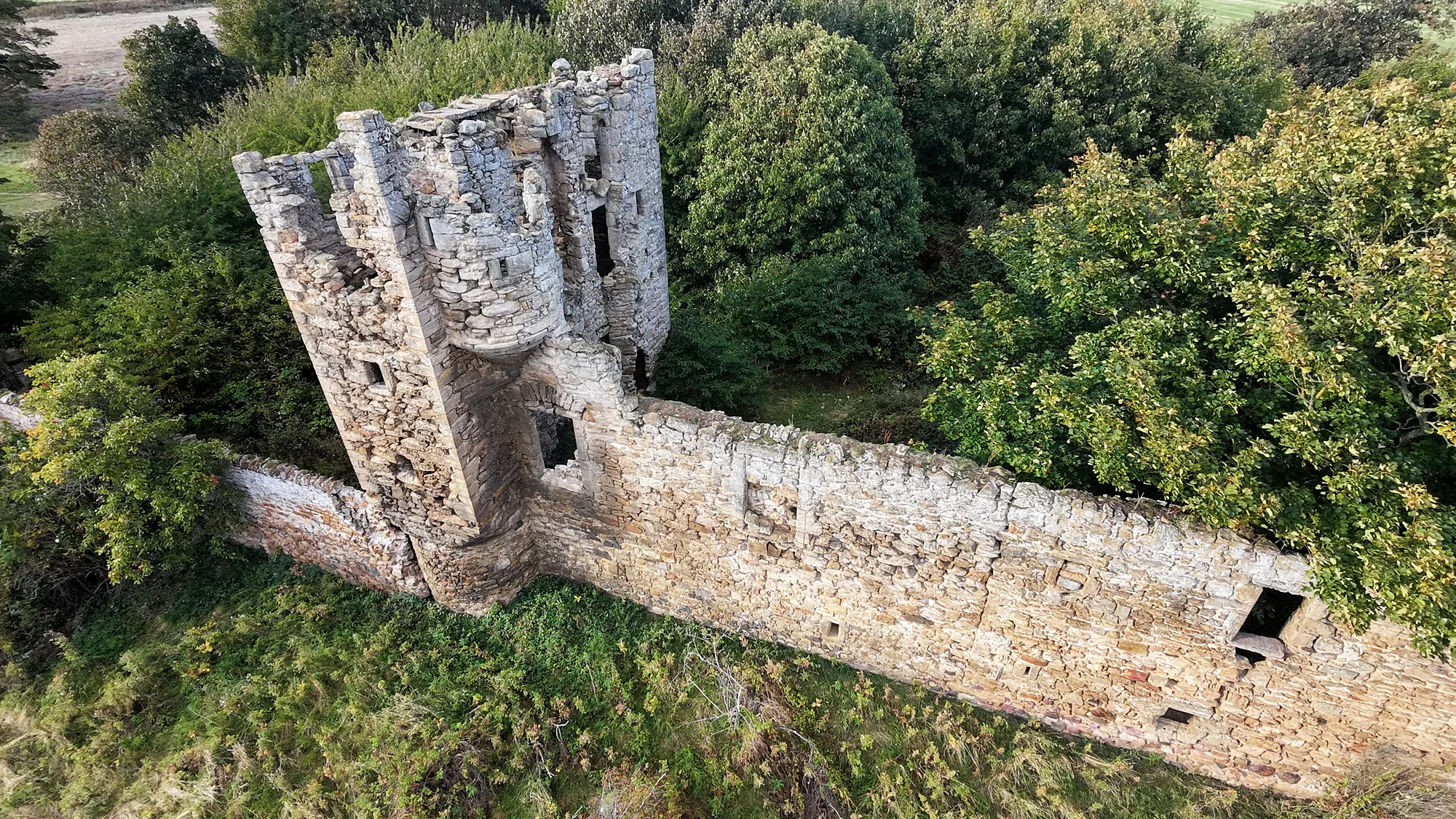
Saltcoats is better understood as a courtyard residence than as a straightforward L-plan tower house. Accommodation and service buildings enclosed an open central space. The most striking surviving block has rounded lower corners that project outward into square forms above, with an arch joining the upper parts. Viewed together, these features give the ruin an unusually theatrical silhouette. The architecture communicated the household's standing as well as offering a measure of protection.
Gun openings show that security mattered, but their presence does not establish a history of major sieges. David Sowerby's study, summarised by Dunbar History Society, emphasises the building's relatively modest defensive arrangements and its imitation of a gatehouse. This distinction makes the site more interesting: architectural display and practical household needs could coexist, even where walls were not designed to withstand a prolonged artillery attack.
Domestic work is represented by the surviving vaulted chamber in the courtyard range. Its large fireplace has led to its interpretation as a kitchen, although that identification is appropriately qualified in the heritage record. The nearby ruined dovecot adds another part of the estate's working life. Looking between these elements helps restore a sense of an inhabited household to masonry that can otherwise seem isolated and difficult to read.
Later accounts trace the property through the Menzies and Hamilton families. Saltcoats remained occupied into the early nineteenth century, before partial demolition around 1820 greatly reduced the buildings. The present fragments therefore record deliberate removal as well as gradual decay. A popular local tradition says a Livingstone earned the estate by killing a dangerous wild boar. It remains a tradition; it should not be used as a documented explanation of how the family acquired its land.
Saltcoats Castle and its dovecot are protected as scheduled monument SM776. An older listed-building entry was removed in 2017 because the site continued under that scheduling, not because its heritage importance had disappeared. From permitted viewpoints, take time to compare the tall façade with the lower courtyard remains and the surrounding fields. The reward is a more intimate encounter with a Scottish country residence, where gaps in the fabric invite careful observation without justifying invented rooms, battles or royal visitors.
Find Scottish castles by region, landscape or the stories that bring them to life.