TICKETSFree
There is no public admission because the ruins are unsafe; view only from public routes.
View current prices
Harbour viewpointsFree
Castle interiorClosed / no public access
 Castle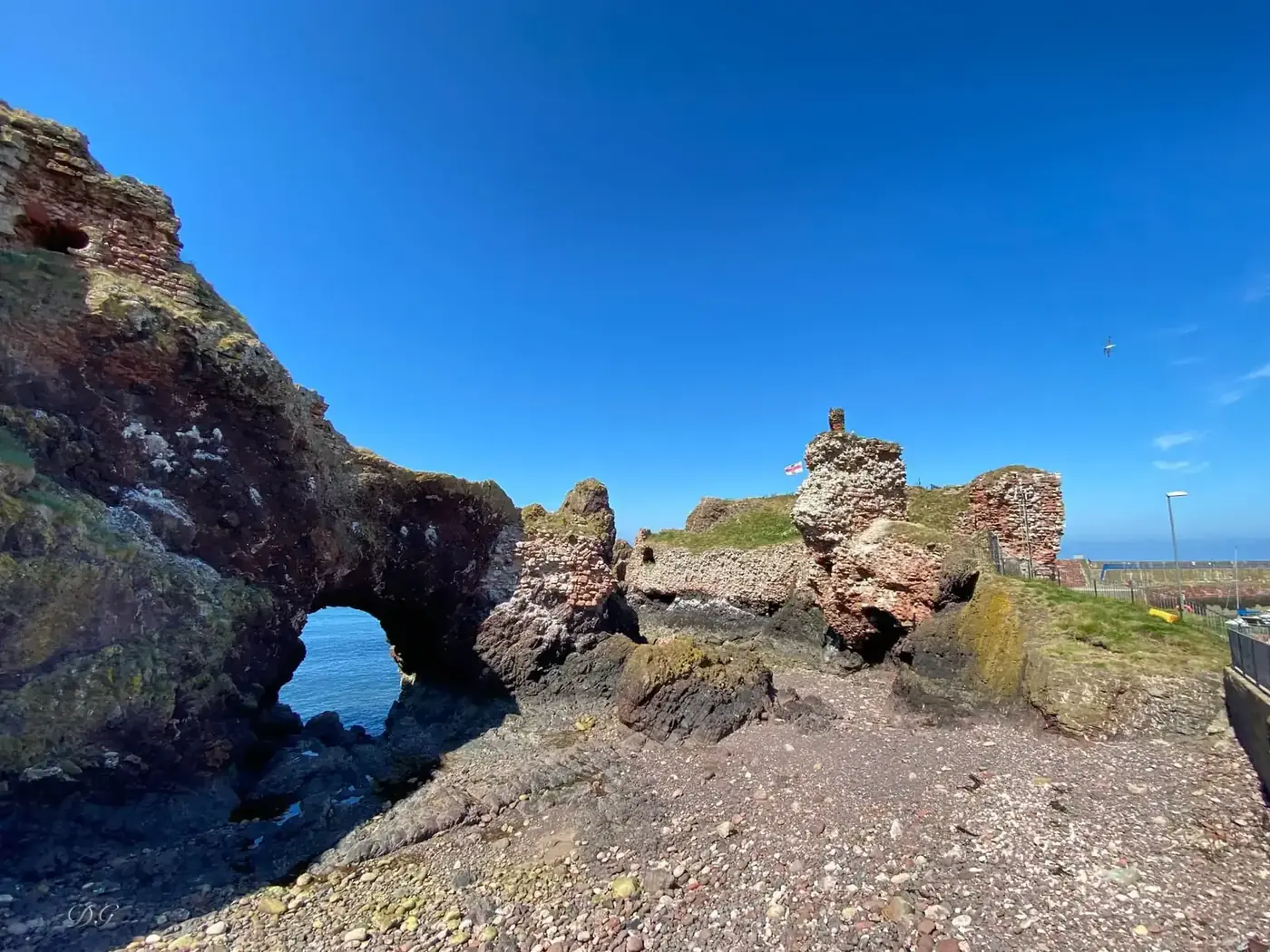
HARBOUR FORTRESS · EAST LOTHIAN
A shattered sea fortress. A woman who defied a siege.
PLAN YOUR VISIT
Dunbar Harbour, East Lothian
There is no public admission because the ruins are unsafe; view only from public routes.
Harbour viewpointsFree
Castle interiorClosed / no public access
There is no public interior route or ticket. View the castle from Dunbar Harbour and designated public paths.
Parking information
The council lists free public parking at the Leisure Pool car park, accessed from Victoria Street. Harbour parking is very limited and for short stays only; do not obstruct fishermen’s working areas or the lifeboat slipway.
Parking sources checked · 11 October 2026
Cliffs and masonry are hazardous. Keep to the harbour and public routes rather than attempting to enter the ruins.
A compelling harbour viewpoint for Black Agnes, Marian politics and the stark meeting of medieval fortress with nineteenth-century engineering.
WHAT TO EXPECT
01 / THE STORY
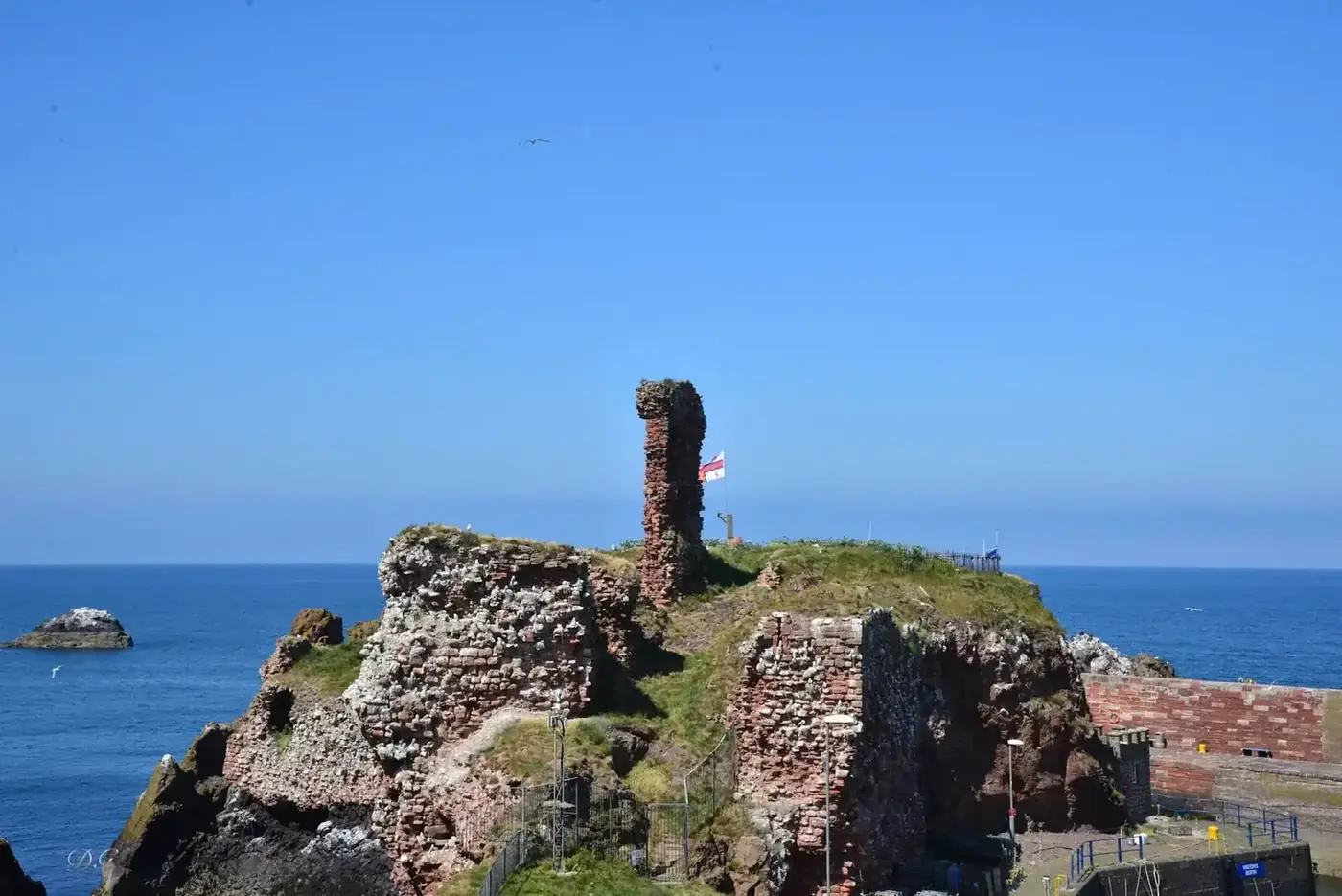
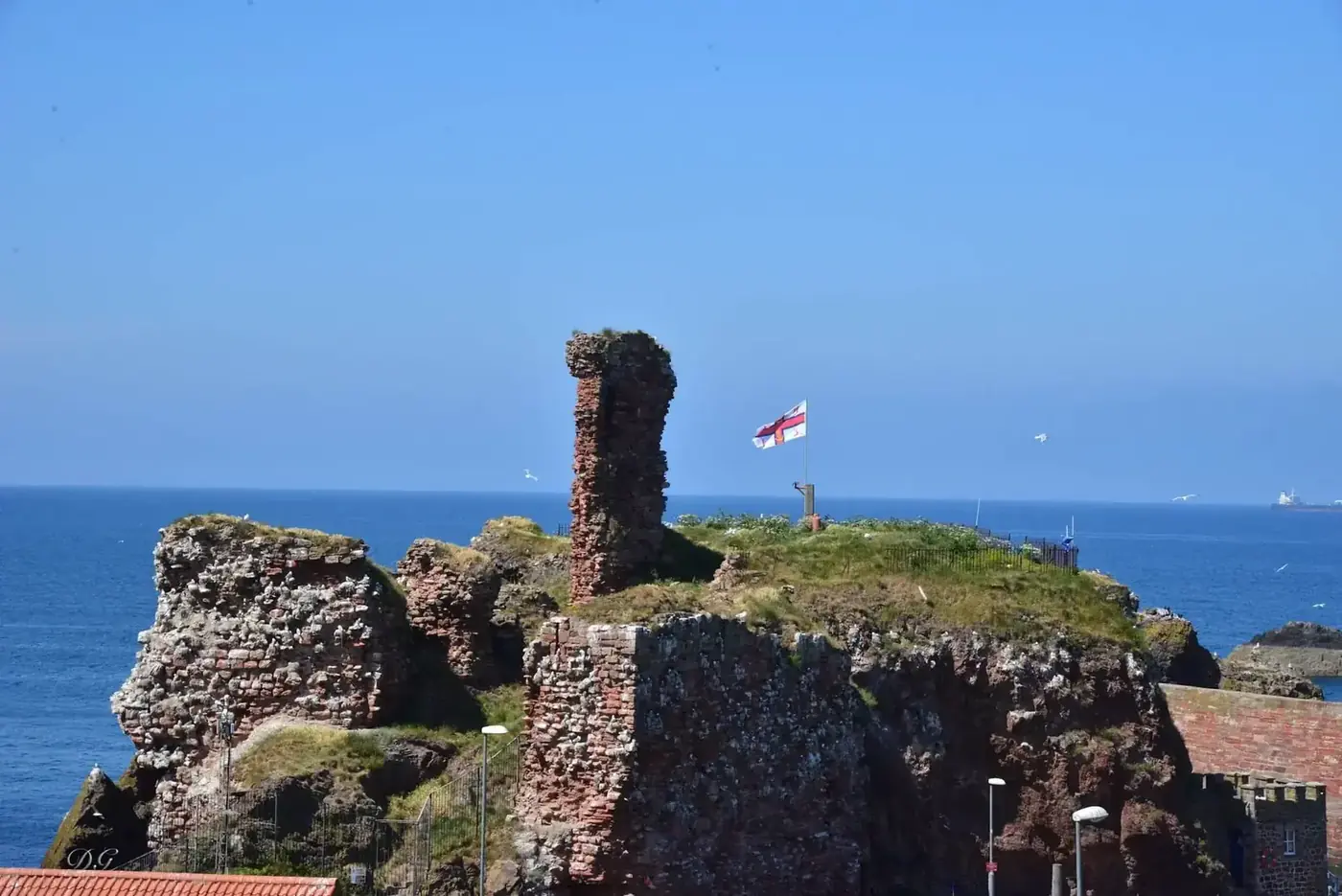
Dunbar Castle survives as red fragments fused with the harbour rocks. The little that remains once belonged to a coastal fortress of national importance, repeatedly fought over and deliberately dismantled.
Its most memorable defender was Agnes Randolph, Countess of Dunbar—Black Agnes—who resisted an English siege in 1338 and became a legend in her own lifetime.
Cliffs, narrow approaches and sea explain the strength of the position. Public viewpoints also give the safest understanding of ruins cut apart by later harbour work.
There is no managed interior visit. Keep to harbour access and observe closures protecting both unstable masonry and wildlife.
In 1338 Agnes Randolph—Countess of Dunbar and daughter of Robert the Bruce’s companion Thomas Randolph—commanded the castle while her husband was away. William Montagu, Earl of Salisbury, surrounded Dunbar, but months of bombardment, blockade and pressure failed to force her surrender.
The defence was not a symbolic gesture. Agnes kept a strategically important fortress in Scottish hands until the English abandoned the siege, earning the name Black Agnes a permanent place in Scotland’s story.
Later medieval accounts gave the siege its unforgettable scenes. After stones struck the battlements, Agnes supposedly sent her attendants to dust the damaged walls with cloths, treating the bombardment as if it had merely made her castle untidy.
The attackers also brought forward a covered siege engine known as a sow. According to the tradition, the defenders smashed it with a great stone and Agnes mocked the men sheltering beneath it. Accounts also associate Alexander Ramsay with bringing reinforcements and supplies by sea. The failed siege is secure history; the gestures, taunts and perfect lines belong to the legend that grew around it.
02 / VISUAL JOURNAL
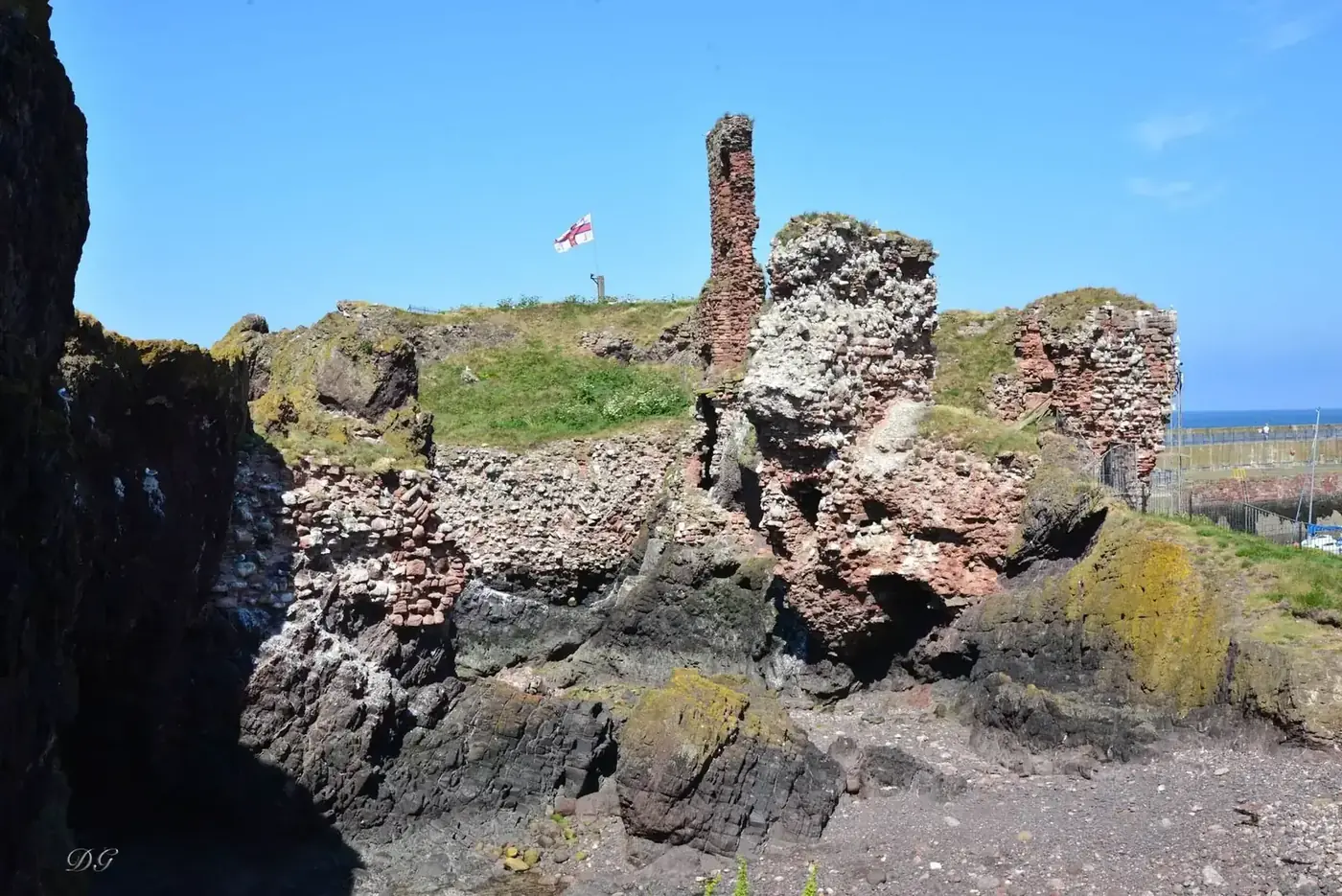
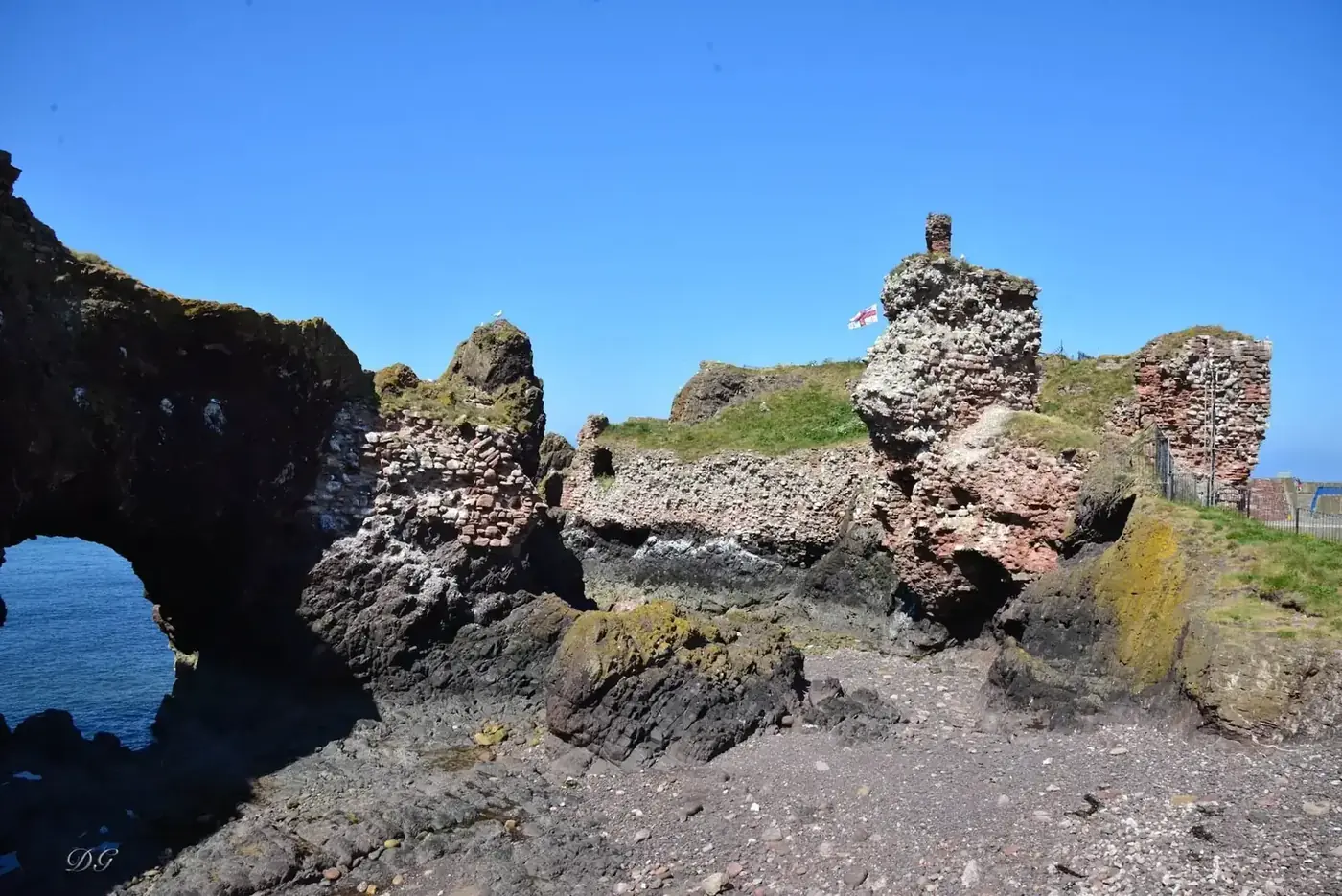
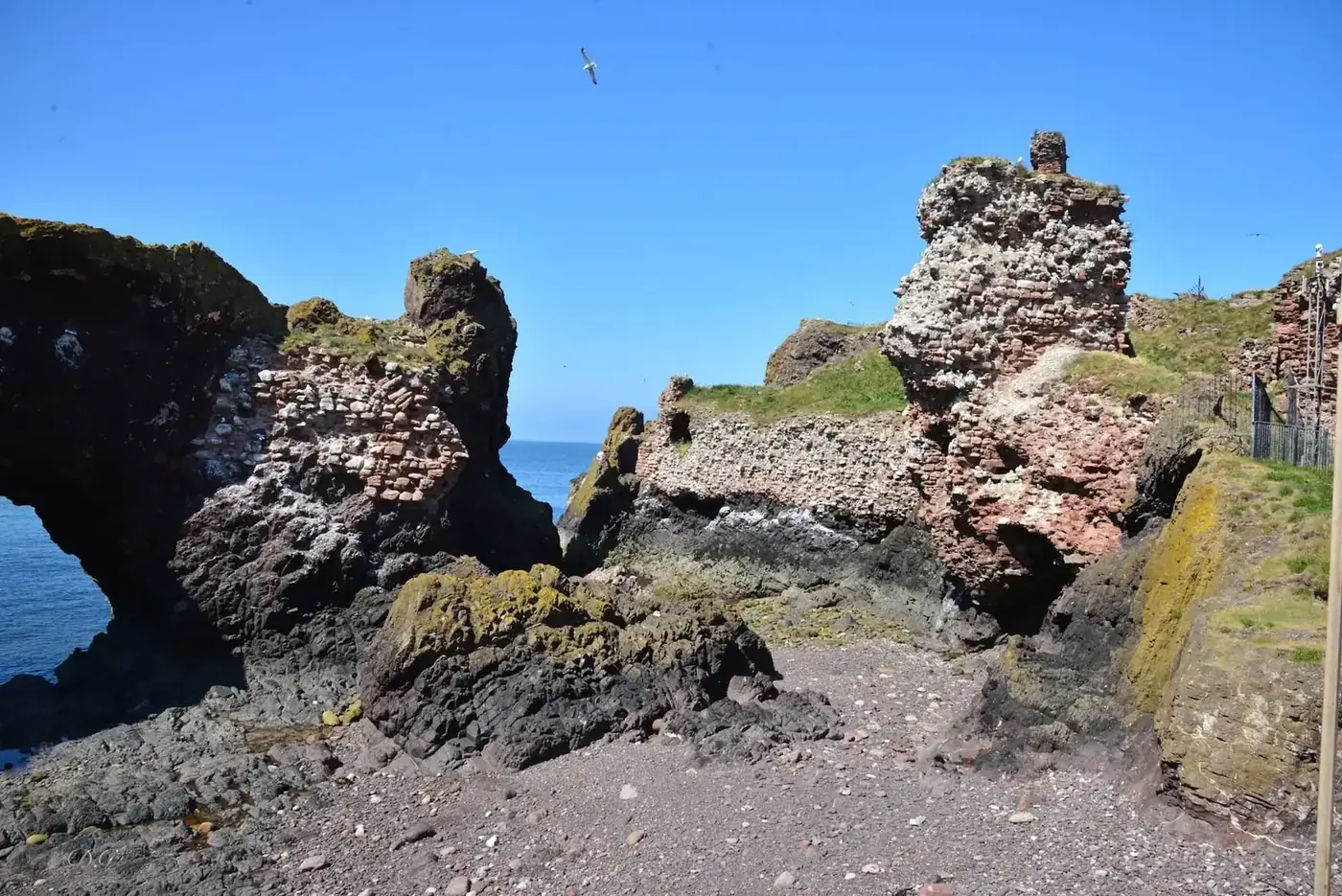
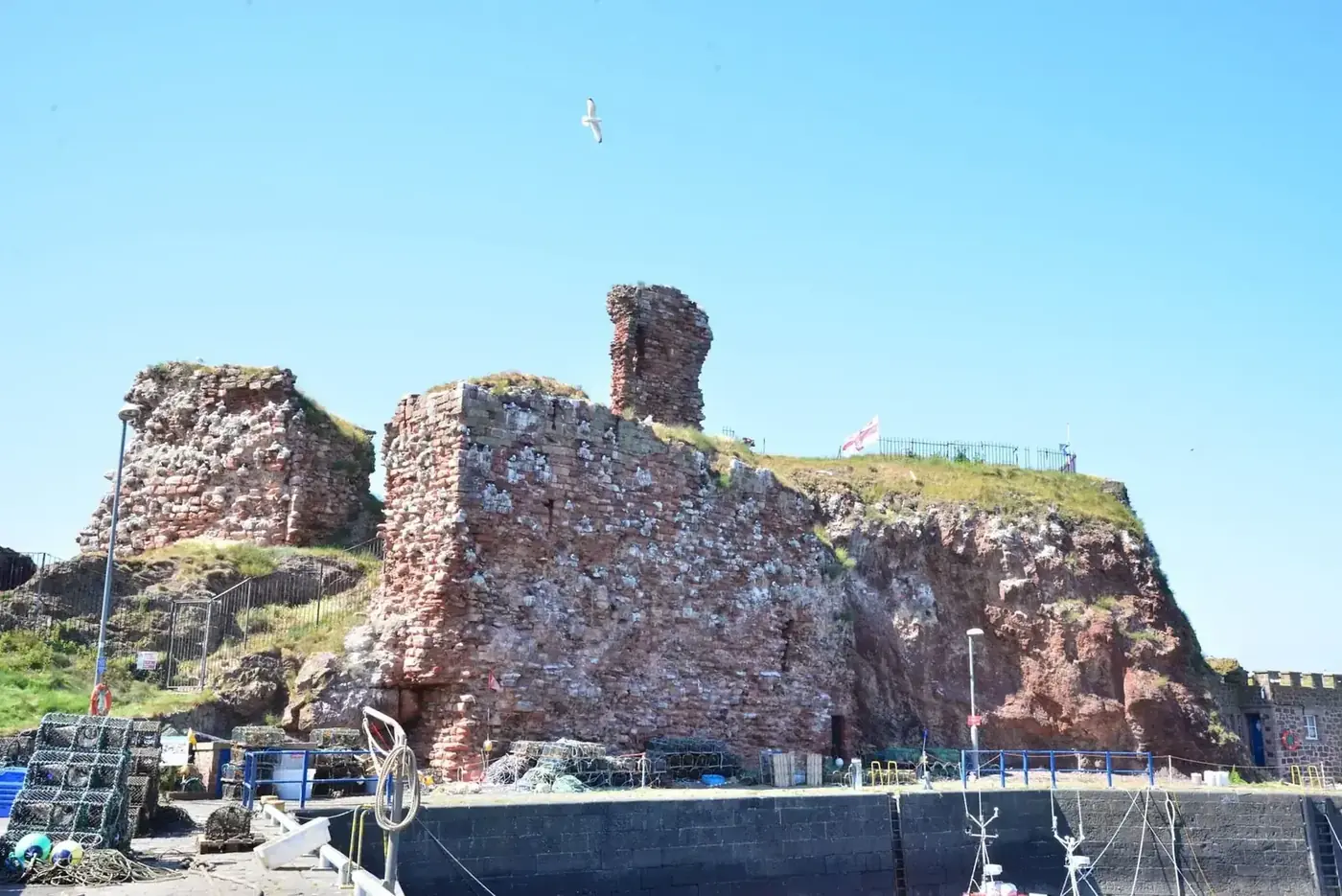
Every photograph on this page was taken by CastleScotland during visits to the site.
01 / THE STORY CONTINUES
Dunbar became closely associated with James Hepburn, Earl of Bothwell, and the crisis surrounding Mary, Queen of Scots in 1567.
That year Parliament ordered the castle demolished. The broken state was partly a deliberate political act intended to prevent the stronghold from serving another faction.
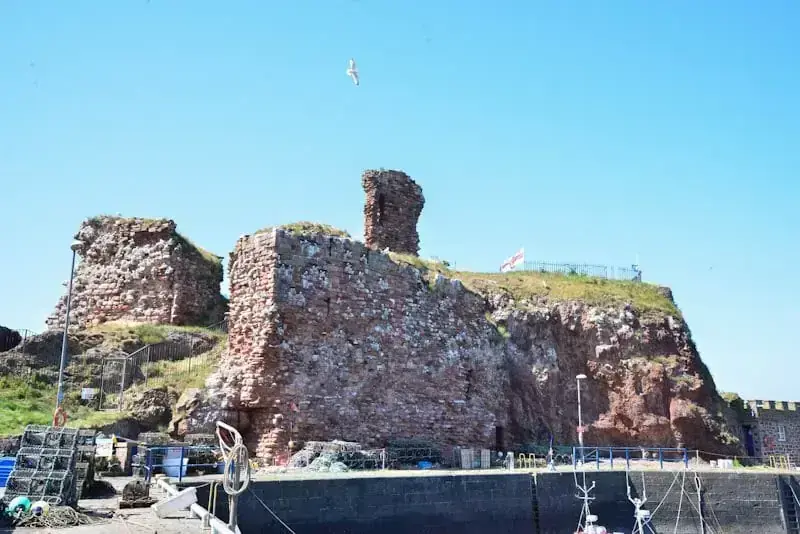
Victoria Harbour opened in 1844 after engineering works cut through parts of the old fortress.
Modern Dunbar needed access for ships, and medieval masonry paid part of the price. The harbour view therefore shows destruction, reuse and continued life in one frame.
03 / MOMENTS IN STONE
Agnes Randolph leads the defence of Dunbar and the English siege fails. Later chronicles remember dusted battlements and the broken Sow; the successful defence itself is secure history.
Parliament orders the strategically dangerous fortress to be demolished. Dunbar had become too useful to rival factions to be left intact.
Victoria Harbour opens after engineering works cut through part of the castle remains. The working harbour explains why the medieval remains now survive as separated fragments.
The best-known episode is the siege of 1338. Agnes Randolph, Countess of Dunbar, known as Black Agnes, defended the castle against an English army led by William Montagu, Earl of Salisbury. The defence succeeded. The famous story that her attendants dusted the battlements after bombardment belongs to the tradition surrounding that achievement. It is a memorable image of defiance, but its theatrical details should be distinguished from the well-established fact of the failed siege.
Another celebrated account describes the defeat of a covered siege engine, the sow. Such stories are part of the castle’s historical memory, and later retellings have sharpened their dialogue and drama. They can be enjoyed without imagining that every reported gesture survives as a contemporary eyewitness record. Agnes’s real importance does not depend on accepting all the anecdotes attached to her name as equally certain.
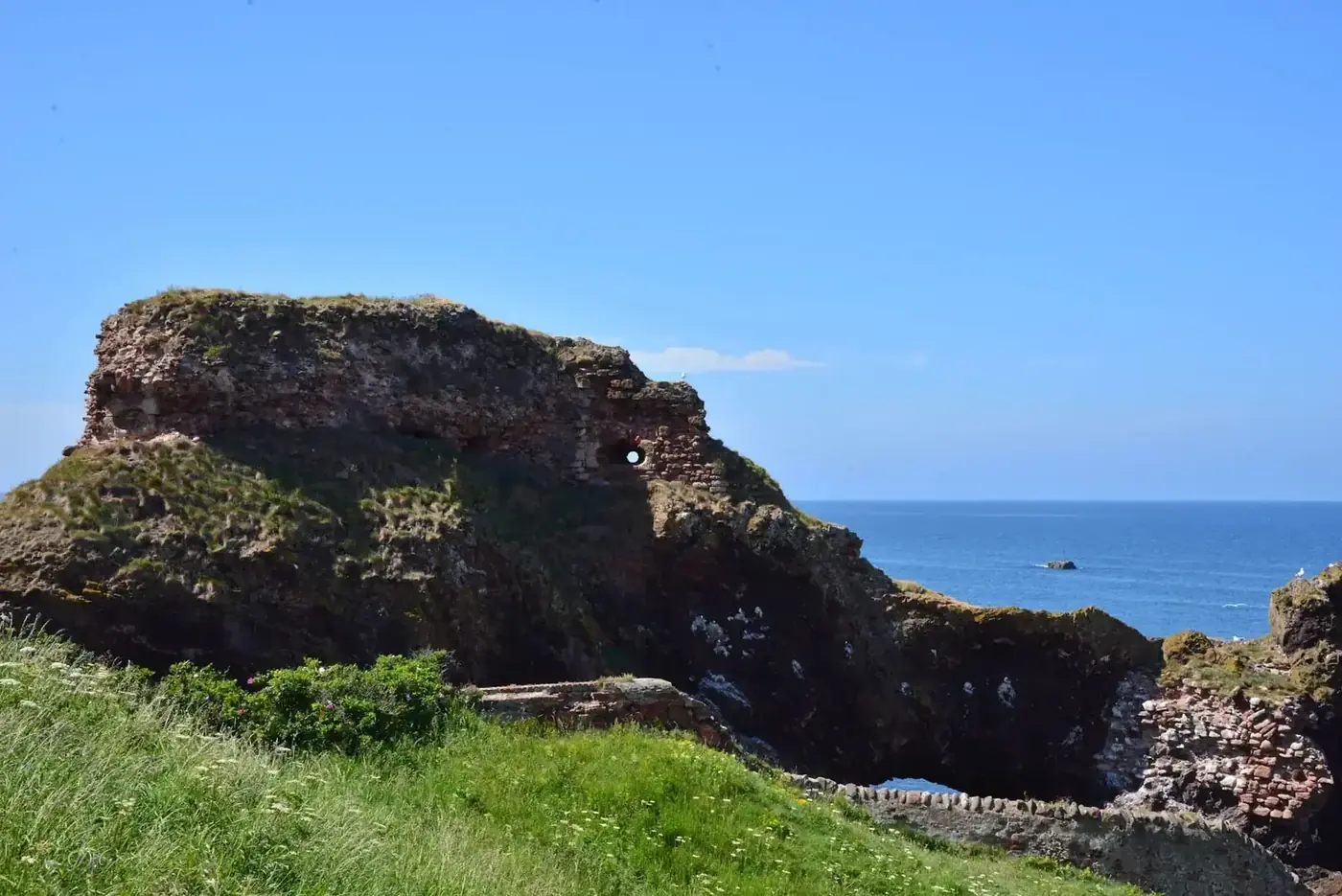
The castle continued to change after her lifetime. The Crown acquired a stronger hold over Dunbar, and a parliamentary order of 1488 called for its destruction. That was not the end of the site: James IV subsequently rebuilt it, and a substantial artillery blockhouse belongs to the following century. The surviving remains therefore include work much later than Black Agnes. The gun openings and separated rocky positions speak particularly clearly about the demands of artillery-age defence.
Mary, Queen of Scots, took refuge at Dunbar after the murder of David Rizzio in 1566. In 1567 Bothwell brought her here during the crisis preceding their marriage; the circumstances of that episode are disputed, and a simple description of another voluntary visit would be misleading. Parliament ordered the castle’s demolition later in 1567. The site’s political and military usefulness had become bound up with the struggle over Mary’s rule and Bothwell’s position.
Further losses came with construction of Victoria Harbour in the nineteenth century. The new entrance was cut through part of the castle remains, and the harbour opened in 1844. This is why the present relationship between water, rock and ruined walls cannot be projected unchanged back into the medieval period. The working harbour is itself historic, but it reshaped the older stronghold. Look across the entrance and compare the separated fragments rather than expecting a continuous circuit of walls.
The red sandstone catches changing light, and the harbour offers a strong sense of scale without entering the dangerous ruins. Keep the castle’s artillery blockhouse distinct from the later battery on Lamer Island: they are different structures from different defensive eras. Dunbar’s most rewarding story lies in these successive transformations: a lordly seat, a celebrated defence, a royal fortress and a ruin altered for maritime trade. The legends add character when clearly named as traditions, and the surviving fabric supplies the quieter evidence of a place repeatedly adapted to new forms of power.
08 / EXPLORE NEXT
Find Scottish castles by region, landscape or the stories that bring them to life.
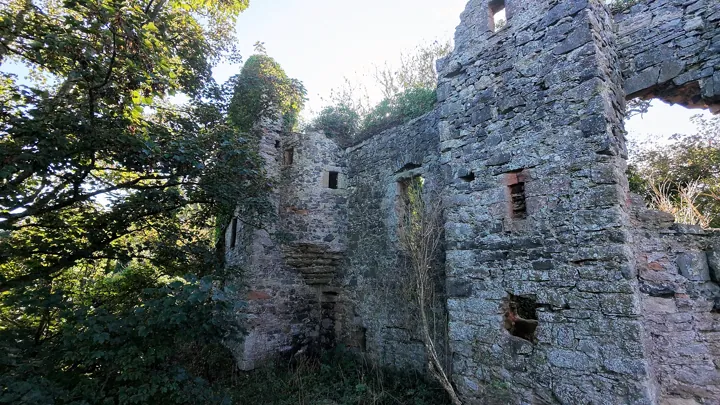 Edinburgh & The LothiansAuldhame Castle
 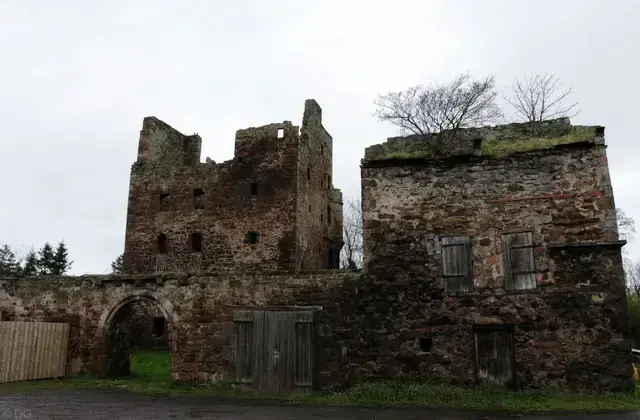 Edinburgh & The LothiansRedhouse Castle
 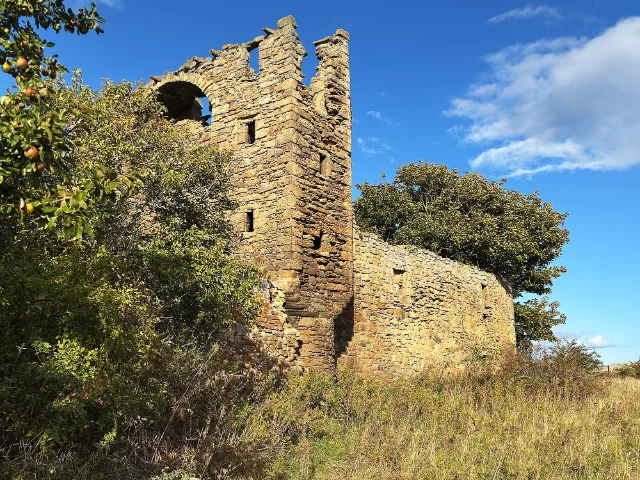 Edinburgh & The LothiansSaltcoats Castle