01 / THE STORY
Inchcolm Abbey: history and highlights
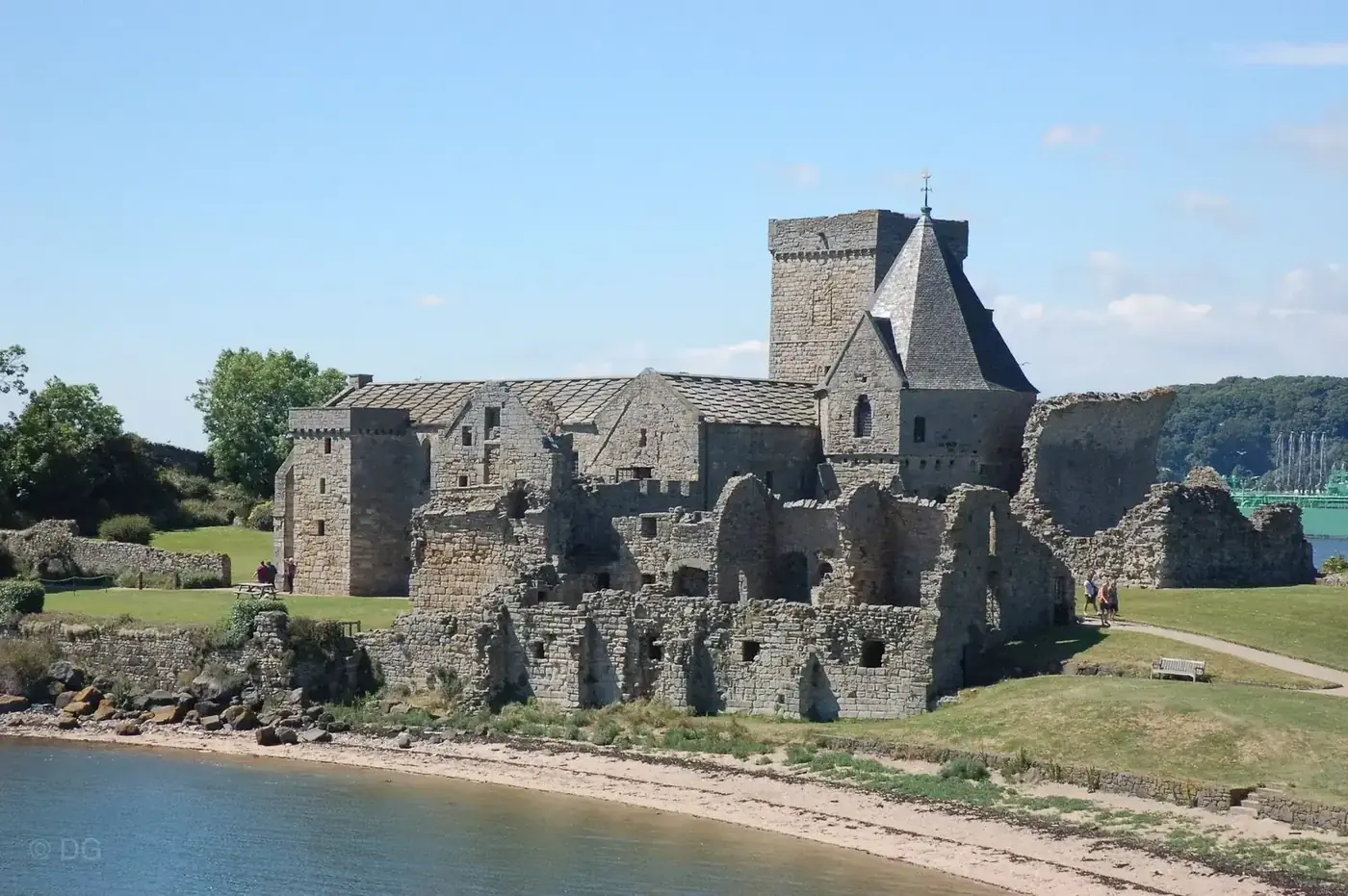
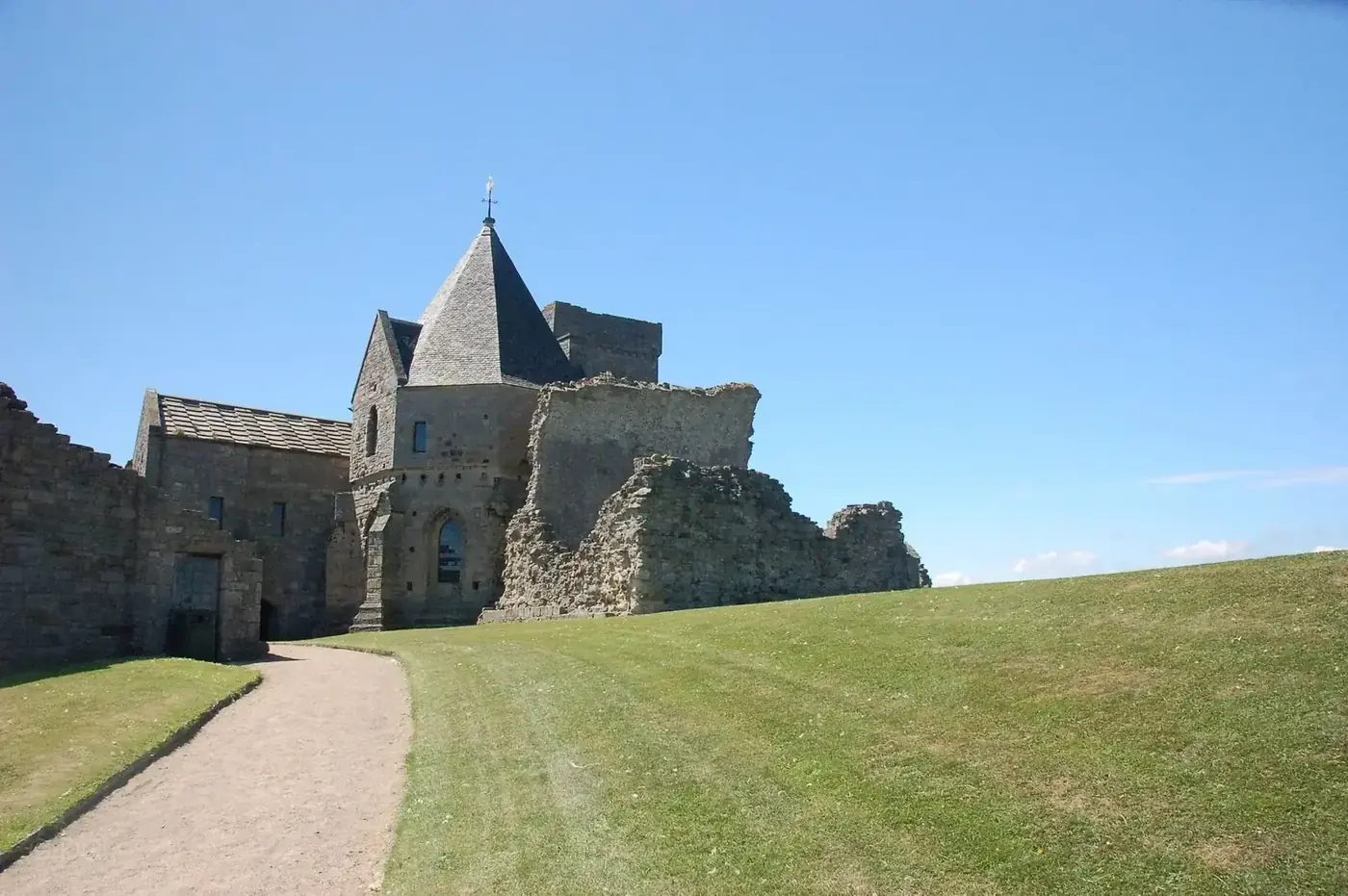
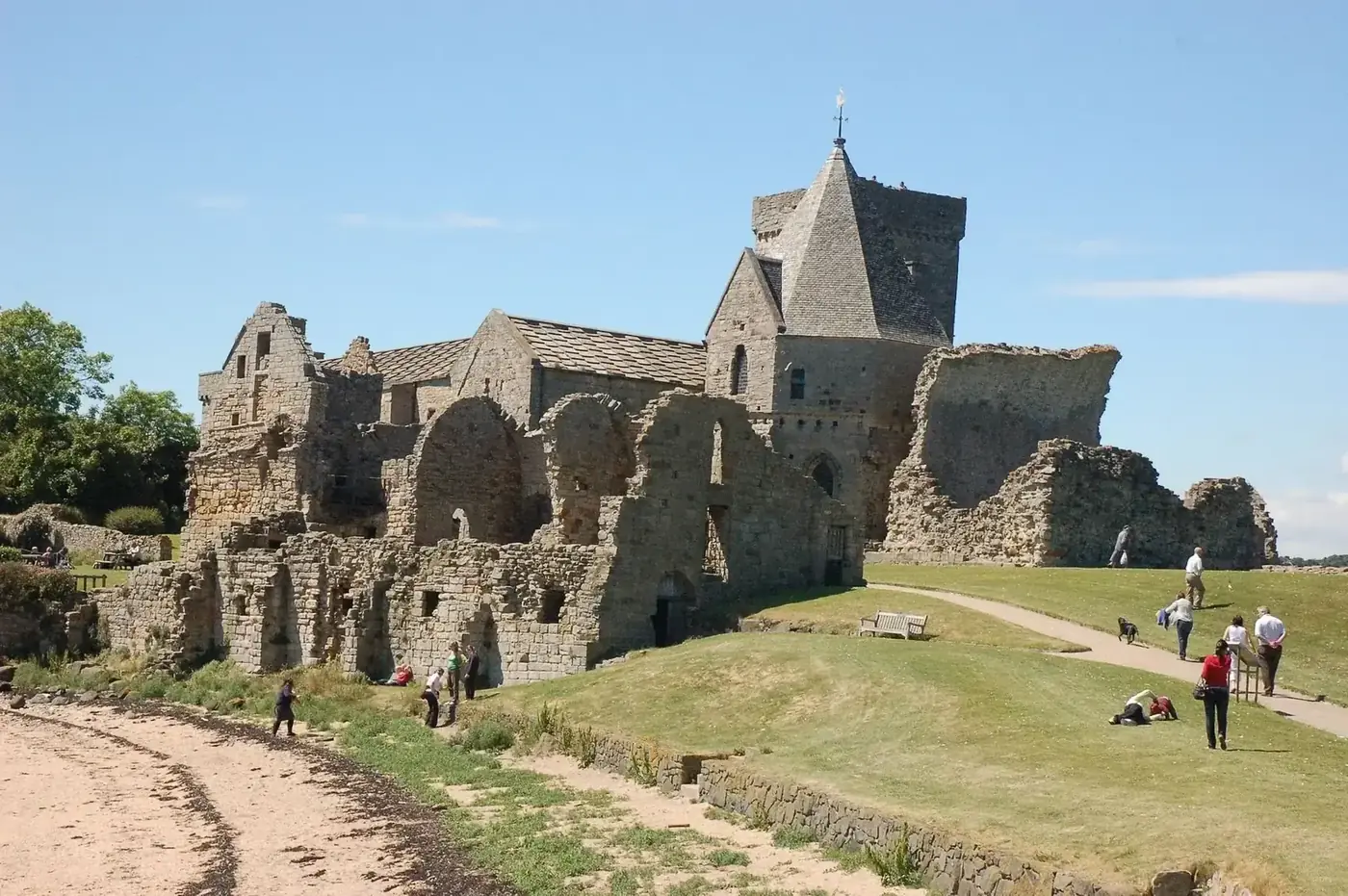
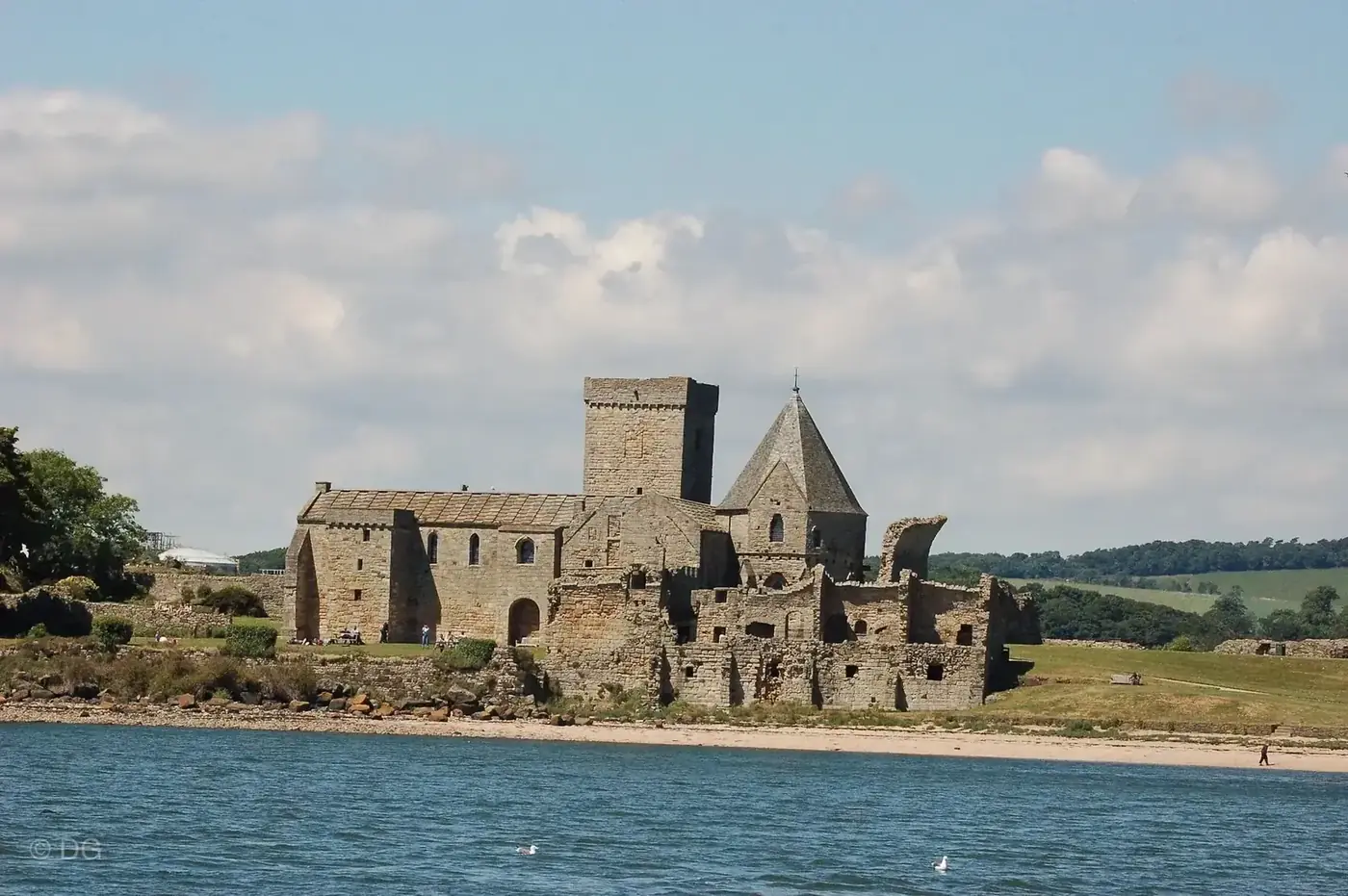
The journey to Inchcolm begins before you reach the ruins. A boat crosses the Firth of Forth to an island where medieval cloisters, seabirds and twentieth-century defences share the same narrow strip of land.
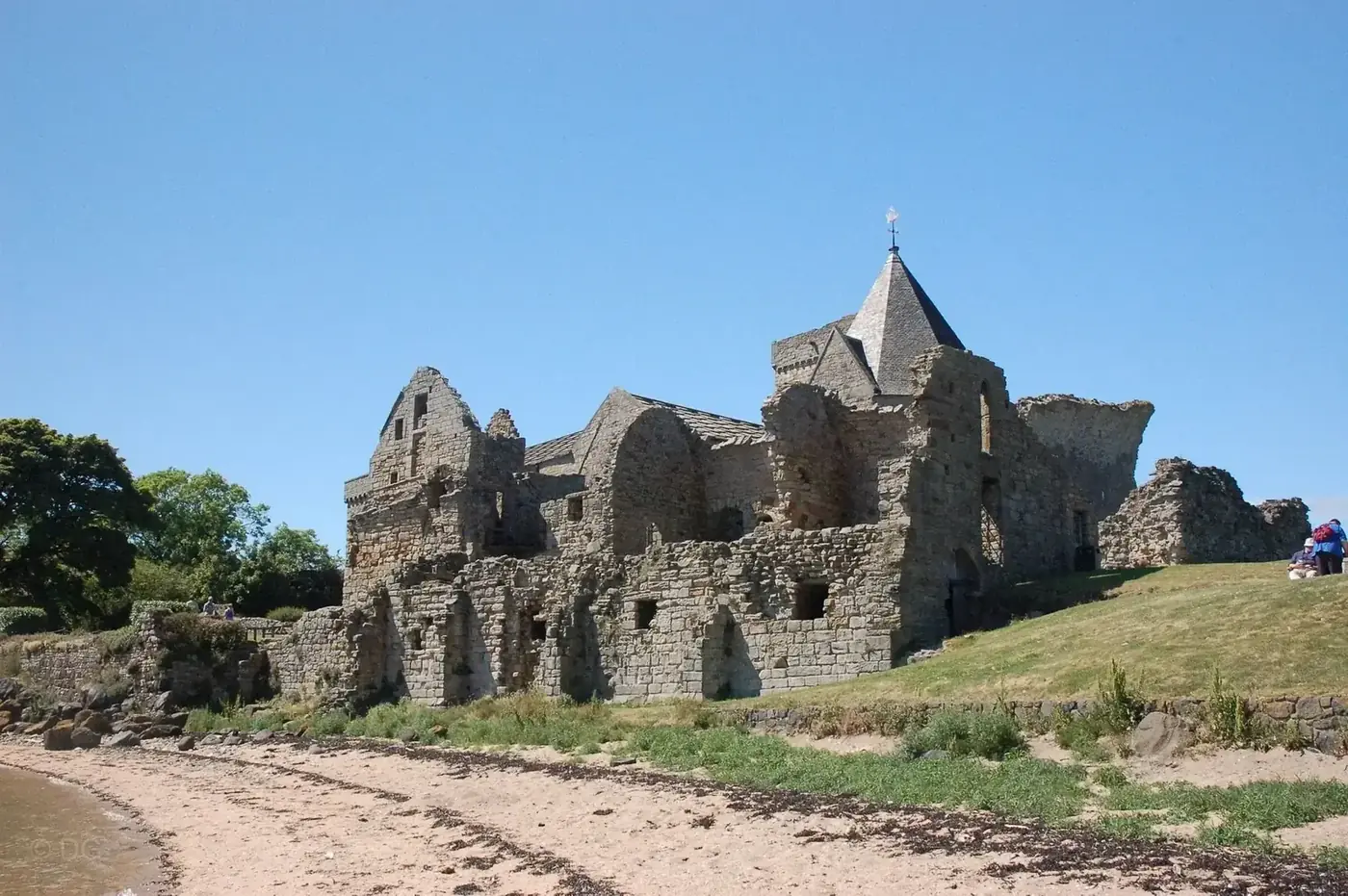
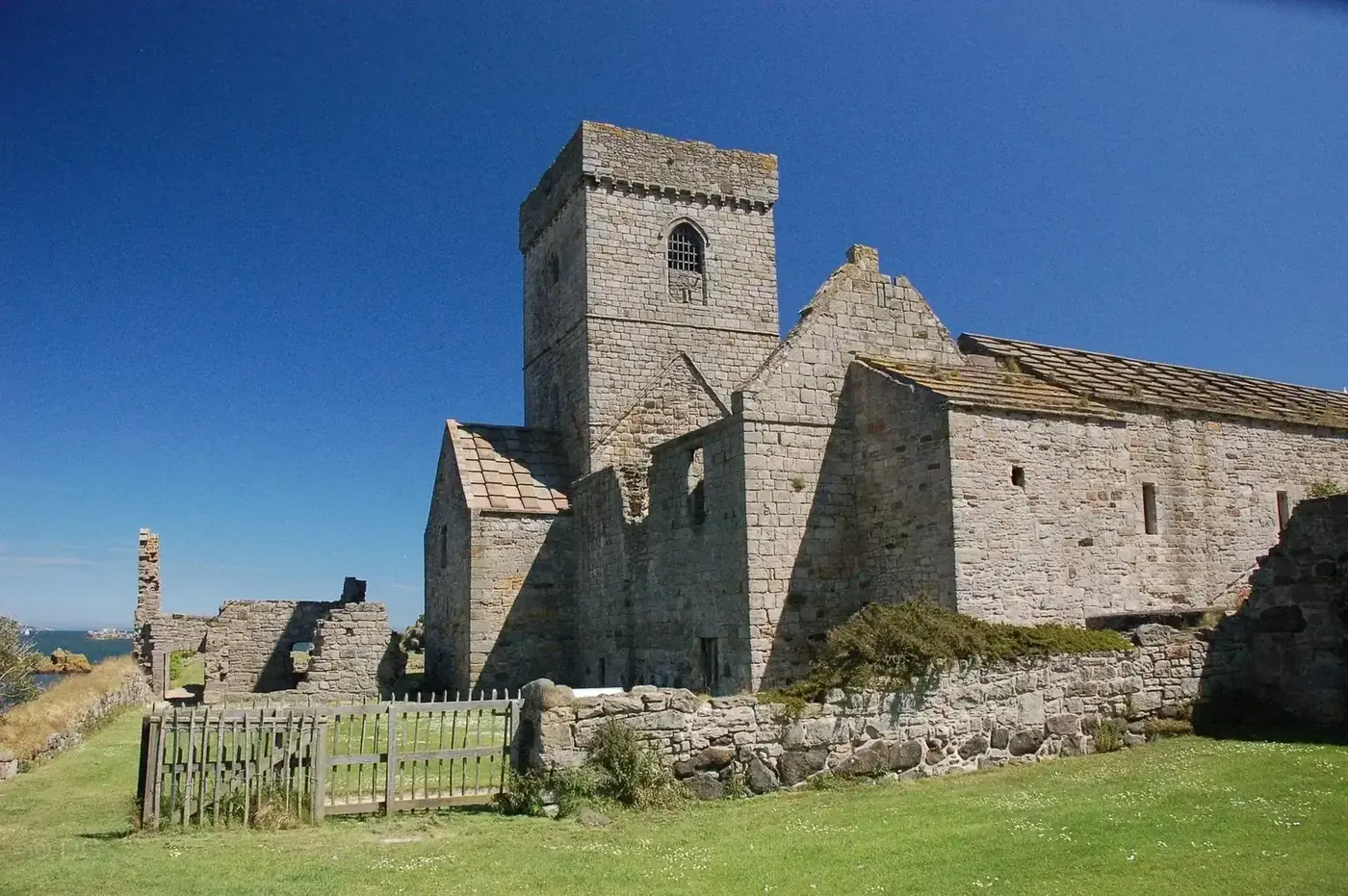
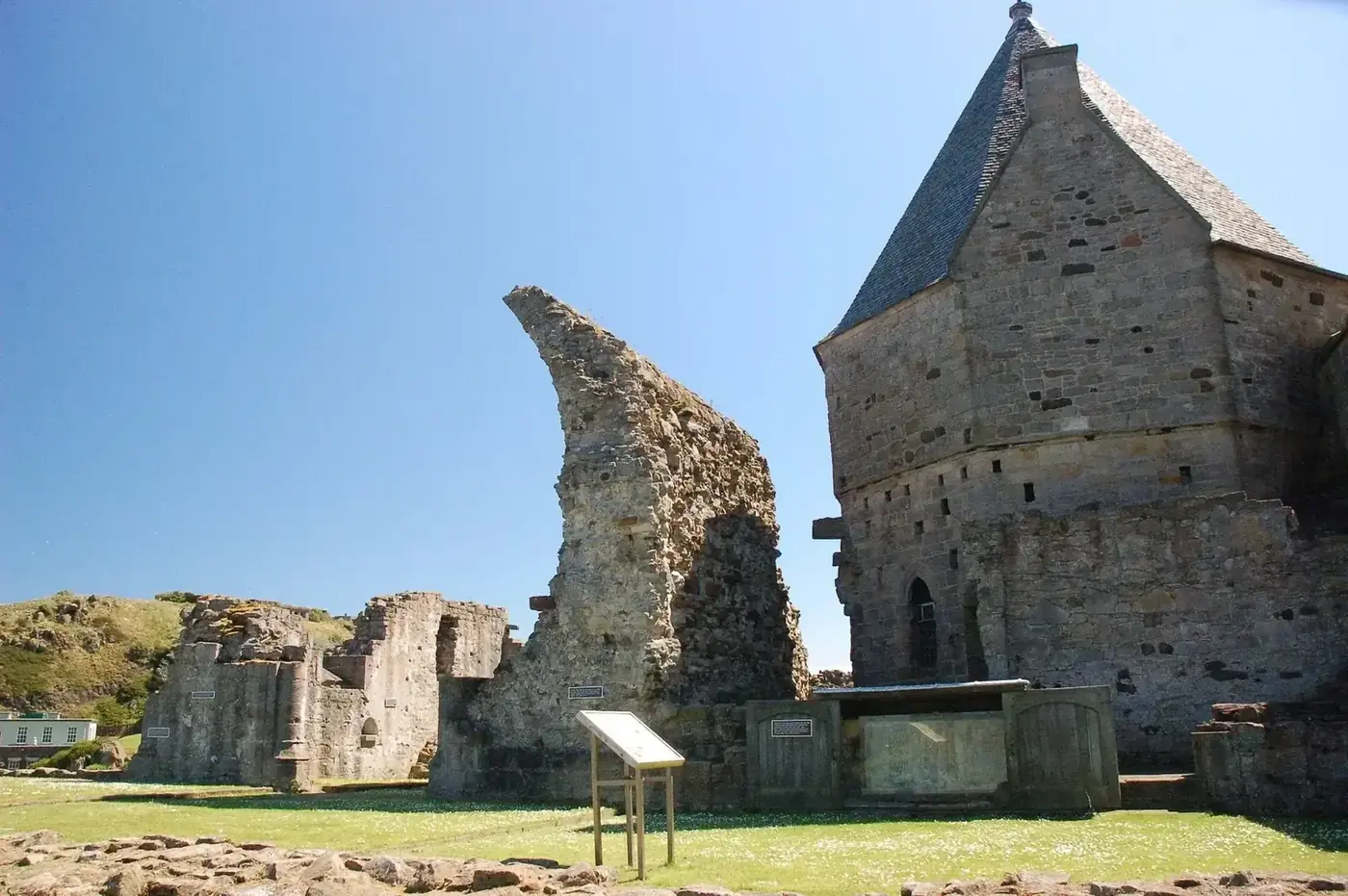
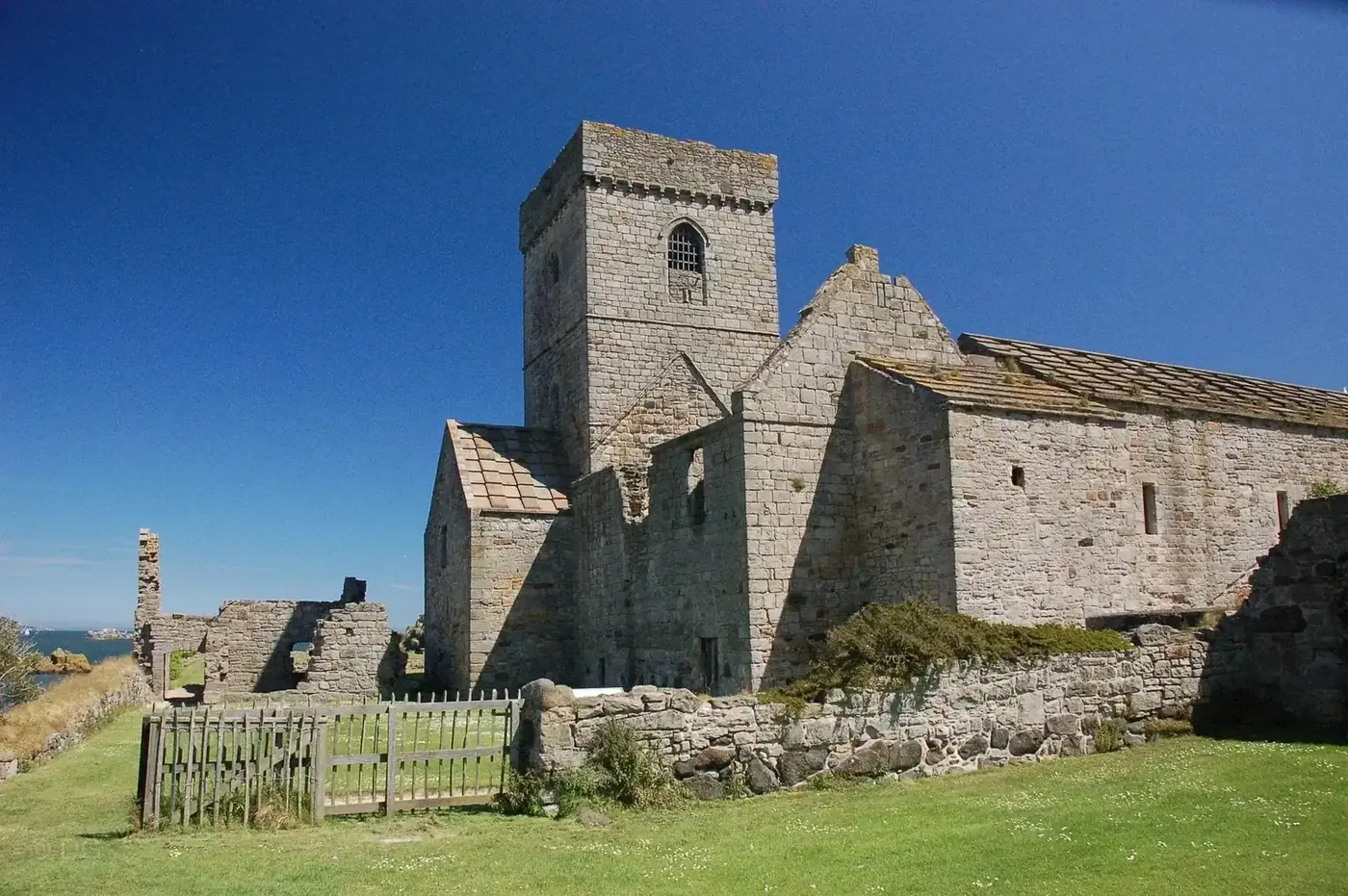
Despite the name used in this guide, the centrepiece is an Augustinian abbey, not a medieval castle. Its stories move from a king caught in a storm to one of medieval Scotland's most important chroniclers.
Why take the boat to Inchcolm?
Few Scottish historic sites make the approach such a large part of the experience. The crossing gives views of the Forth bridges, the island and—often—seals and seabirds before the abbey comes into focus.
Landing depends on the boat operator, weather and sea conditions. Check the current sailing and island arrangements before building a day around the trip.
A king, a storm and a foundation story
According to the abbey's traditional origin story, Alexander I was driven ashore by a storm in 1123 and sheltered on Inchcolm. The tale helped explain why a religious community was later established here.
Historic Environment Scotland presents the storm as tradition. It should not be used to identify a surviving room as the king's untouched shelter or to turn a colourful beginning into a complete building record.
The man who wrote Scotland's story
In the fifteenth century Abbot Walter Bower compiled the Scotichronicon on Inchcolm. It became one of the major narrative sources for medieval Scottish history.
That makes the island a place where history was written as well as lived. Bower's chronicle preserved invaluable material, while also carrying the beliefs and storytelling habits of its own age.
 Castle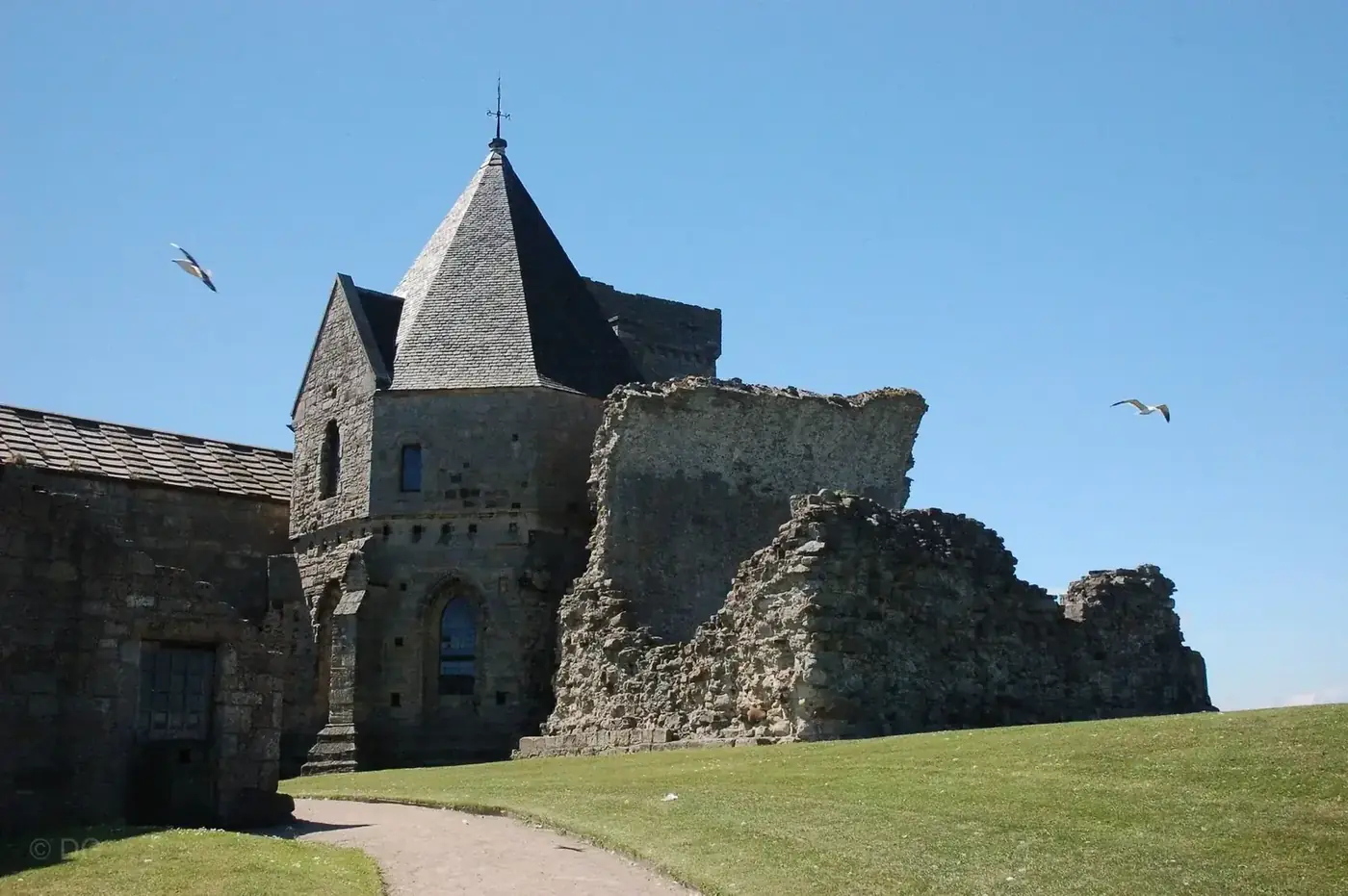
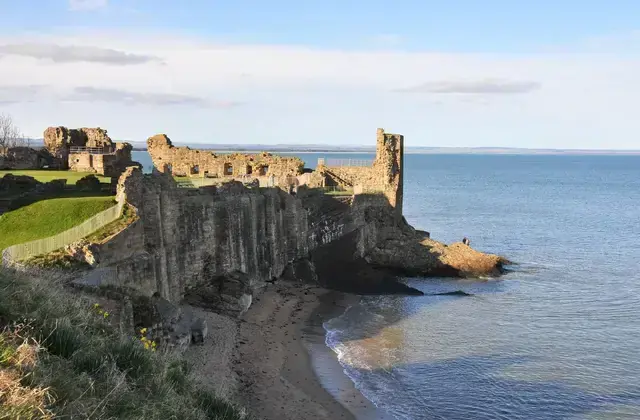 The Kingdom of FifeSt Andrews Castle
 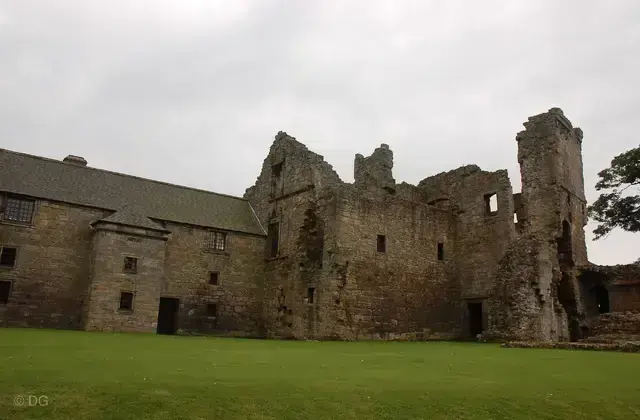 The Kingdom of FifeAberdour Castle and Gardens
 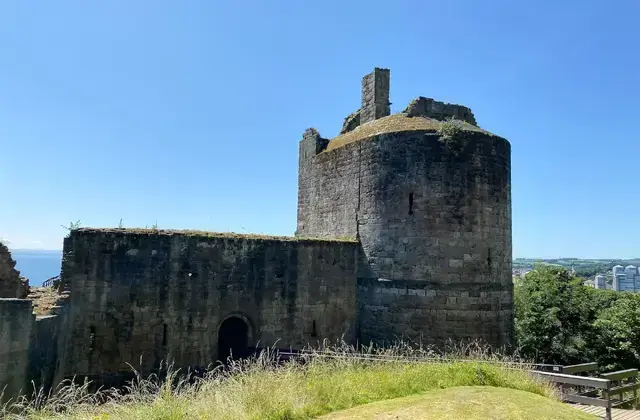 The Kingdom of FifeRavenscraig Castle